Every season teaches Malibu something new about wind, weather, and resilience. In the last few years, we have seen a remarkable acceleration in the tools and approaches used to restore homes after smoke exposure. It is not just about stronger machines or harsher chemicals; if anything, the trend line bends toward smarter diagnostics, gentler yet more effective chemistry, and workflows that minimize disruption while producing cleaner, verifiable results. Here along the coast and in the canyons, where salt, sun, and Santa Anas collide, those innovations matter because they help us solve Malibu’s specific smoke challenges—long transport of smoke from distant fires, infiltration through modern large-format openings, and residue bonding with coastal films—more precisely than ever. For homeowners, that means better outcomes, clearer documentation, and a more comfortable return to daily life after professional smoke damage restoration.
One of the most important shifts is in assessment. Instead of relying solely on sight and smell, we now combine expert eyes with portable particles and VOC monitoring to map contamination room by room. That data-driven approach avoids guesswork and lets us size containment correctly from the start. In homes with open plans and twenty-foot sliders, we can confirm how far smoke traveled along airflow pathways rather than assuming the whole level needs identical treatment. It also gives homeowners confidence because post-cleaning readings show improvement in measurable terms, not just in the subjective sense that a space feels better.
Smarter Containment and Air Control
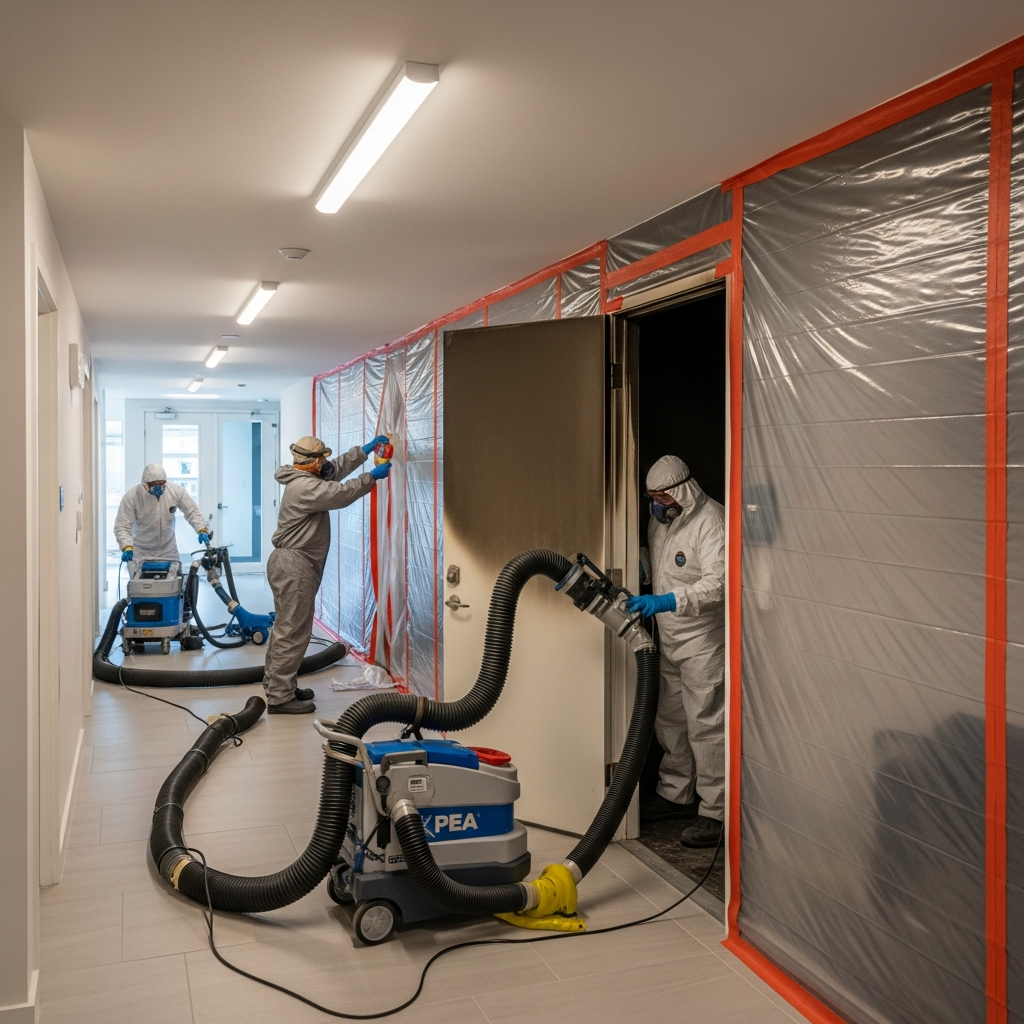
Containment is getting both lighter and tighter. Modular framing with cleanable membranes allows us to segment large living areas quickly without making the house feel like a construction site. Negative air machines now pair with variable-speed controls and higher-efficiency HEPA filtration, so we can dial airflow precisely and maintain pressure without the drafts that used to rattle temporary walls. In coastal climates where outside air can be damp or salty, we supplement with dehumidification tailored to maintain material-friendly conditions, preventing swelling in wood floors while still pulling particles out of the air. The end result is a cleaner, calmer work environment that speeds the overall project.
Another quiet trend is source control for recontamination. We are seeing more targeted sealing of attic bypasses, better covers on recessed lights, and upgraded door sweeps that reduce unplanned air movement long after the project ends. While these are not flashy, they pay dividends in both comfort and energy efficiency, and they keep the clean areas clean while work continues nearby.
Advanced Cleaning Chemistry and Materials Care
Cleaning products have matured in ways that matter for Malibu homes filled with natural materials and high-end finishes. We use more pH-balanced solutions tailored to the type of residue—dry soot, oily soot, protein smoke—and the substrate—stone, plaster, wood, or metal. Enzyme and plant-derived surfactants have improved to a point where they cut through residues without the heavy perfume or residue that once made some products unwelcome in sensitive spaces. Dry cleaning methods have also advanced, with more effective soot sponges and micro-abrasive pads that lift contamination from textured plaster and rough-sawn wood without polishing away the character you paid for.
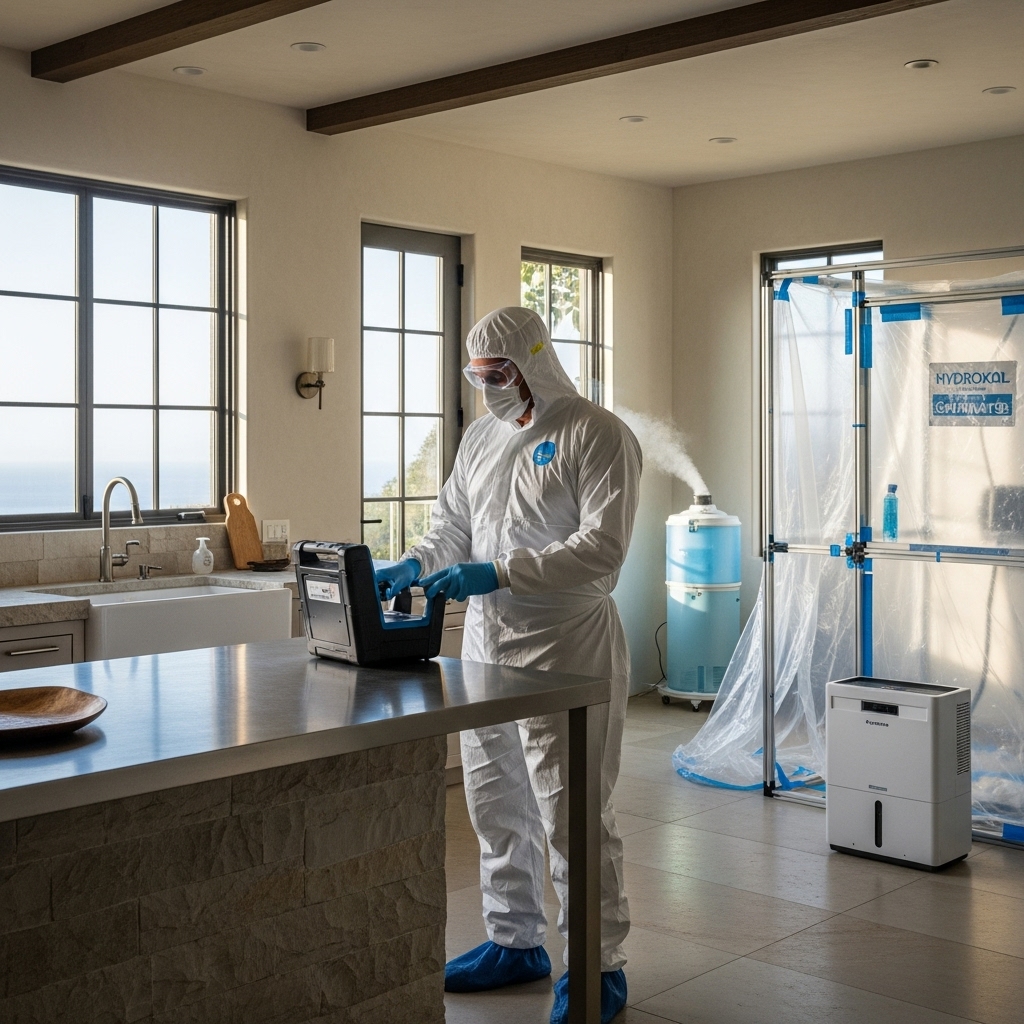
Odor elimination has shifted from masking to true neutralization. Hydroxyl generators, used correctly, can break down odor molecules in occupied spaces without the material risks associated with ozone. Combined with careful ventilation strategies, they allow us to treat odor more thoroughly while continuing the hands-on cleaning in the same time window. For collectors and art-filled homes, this matters; we can protect delicate materials while still making tangible progress on the air and surfaces around them.
Precision for Glass, Metal, and Stone
Because Malibu’s salt air and smoke can conspire to etch glass and tarnish metals, we have embraced techniques that read the surface before acting. Pre-cleaning with neutral agents to remove salt film, followed by selective alkaline lifts for acidic soot, prevents the kind of haze you only notice when the morning sun hits a slider just right. For stone counters and floors, poultice methods draw out deep-set staining without broad grinding, preserving honed finishes that are the hallmark of many coastal kitchens and patios.
We also see more preventative treatments folded into the restoration workflow. Penetrating sealers for stone and grout applied after thorough cleaning make future wipe-downs easier if smoke returns. Protective films for glass can be installed discreetly to guard against corrosion in homes that catch ocean spray on certain wind days. These measures are not about adding an upsell; they are about closing the loop so the home is less vulnerable next season.
Digital Documentation and Homeowner Transparency
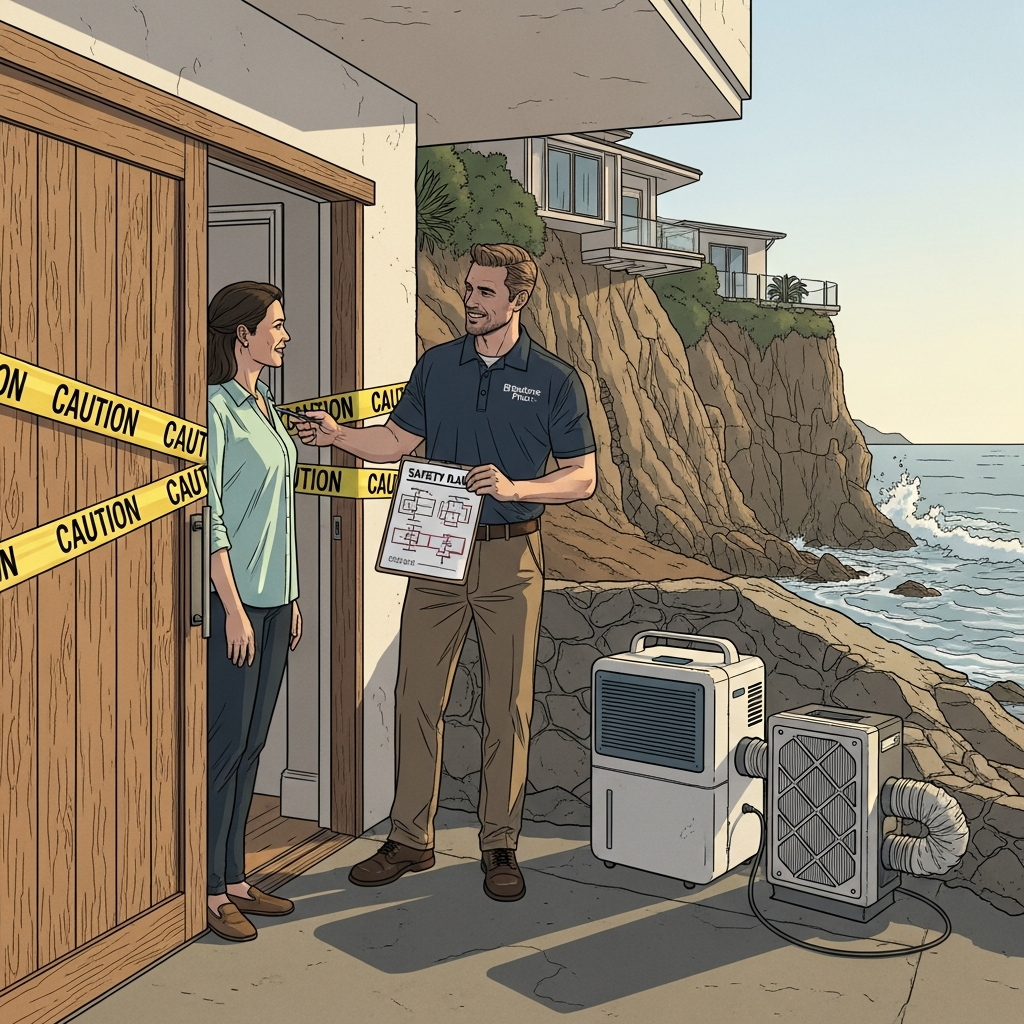
Another trend shaping the experience is documentation that moves beyond a folder of photos. We now compile sequential images tied to time-stamped readings, room maps, and a play-by-play of containment changes as areas are cleared. For homeowners who travel or manage properties remotely, this transparency is invaluable. It allows real-time decisions—granting access to a built-in cabinet or approving a temporary removal of a light fixture—without delaying the project. It also serves you later, whether for insurance conversations, future renovations, or simply your own record of how the house was cared for.
In Malibu, where many homes have caretaker teams, we share the data and methods in a way that empowers ongoing maintenance. Knowing exactly which filters were installed where, which surfaces received which product, and how to handle a targeted wipe-down after a windy day keeps the home aligned with the restoration long after we have left.
Specialty Attention to HVAC and Air Distribution
We are paying more attention than ever to the lungs of the home. Smart filtration upgrades—higher MERV ratings where systems can support them, paired with pressure checks to avoid strain—have become standard. Duct cleaning is more precise, with video verification and localized agitation methods that remove residue without dislodging insulation or spreading dust. Coil and blower cleaning complete the circuit, and in some cases we stage filter changes over the following weeks to capture particles that were dormant until airflow patterns shifted post-cleaning. The trend is toward treating HVAC not as an afterthought but as a central pillar of a durable result.
Midway through a project is when these improvements become obvious. The air feels lighter, windows stay clearer, and that familiar Malibu afternoon light looks sharper across your floors. It is here that a conversation about ongoing smoke damage restoration practices makes sense, because trends are only helpful if they translate into daily benefits you can feel.
Respect for the Setting: Low-Impact, High-Outcome
We are also seeing more low-impact approaches designed for sensitive coastal environments. Containment uses reusable materials. Wash water is captured and disposed of properly so landscaping and waterways are protected. Equipment is staged to minimize driveway clutter in neighborhoods where access is limited and neighbors need room for their own crews. These refinements are not only good manners; they keep projects moving and reduce stress during already anxious weeks.
Training, Cross-Discipline Teams, and Local Insight
Finally, the team itself is evolving. Cross-trained technicians combine building science with materials care, so the person cleaning your Venetian plaster also understands pressure differentials and can adjust containment to keep your clean rooms clean. Local experience matters more than ever. Someone who has watched how smoke rolls across Serra Retreat or how canyon drafts pull through certain window types will anticipate the odd corners where soot likes to hide—the top of a beam that meets a skylight, the hidden cavity above an appliance garage, or the insulation around recessed fixtures that sit in salt-kissed soffits.
Frequently Asked Questions
Are new technologies safe for my art and delicate finishes?
Yes when used correctly. Tools like hydroxyl generators and pH-balanced cleaners are selected with materials in mind, and containment ensures their effects are limited to targeted areas. Pre-testing and careful masking protect sensitive surfaces while advanced methods do their work.
Do I need air quality testing before and after?
While not required in every case, baseline and post-restoration readings add clarity. They help define the scope, track progress, and verify results. Many homeowners appreciate having quantitative evidence that complements the obvious improvements in feel and smell.
Will these trends make restoration faster?
In many homes, yes. Better assessment and containment reduce rework, and improved chemistry means fewer passes on stubborn residues. Faster should not mean rushed; the goal is a smoother project with fewer interruptions and more predictable milestones.
Can I stay in my home during restoration?
Often, with smart containment and scheduling. Quiet equipment, dust control, and isolated clean zones allow many families to remain in place, though sensitive individuals may prefer a short break during the most intensive phases.
How do I keep results strong after the team leaves?
A short maintenance plan—timed filter changes, targeted wipe-downs after windy days, and attention to known air pathways—extends the benefits. Clear documentation ensures everyone caring for the home follows the same playbook.
If you want to see how these innovations can make a measurable difference in your own space, start a conversation with a Malibu-focused team that brings science, craft, and respect for the coast to every project. Explore options for smoke damage restoration that fit your home’s materials and the way you live.