Spend a fall morning along PCH after a windy night and you can taste how far smoke travels. Even homes miles from a fire line wake to that faint, ashy note and a film on patio tables that were clean yesterday. Inside, the problems multiply, especially in Malibu where architecture invites the outdoors in. After years of walking homes from Big Rock to Broad Beach and up through the canyons, certain smoke damage issues appear again and again. Knowing them means you can spot trouble early, avoid common missteps, and partner with a team that restores your space completely. It also highlights why targeted smoke damage restoration is so important here.
The first and most persistent issue is hidden odor reservoirs. Upholstery, drapes, and rugs are notorious for holding onto smoke, but insulation, cabinet cavities, and the voids above built-ins often surprise homeowners. You open a drawer weeks later and the smell returns, or an afternoon warm-up releases it from the top of a wall. This happens because smoke follows pressure and temperature differences, settling in spaces where air slows down. Without opening, cleaning, or sealing those cavities, the source remains and every gust or HVAC cycle stirs it back into living areas.
Glass Etching and Metal Tarnish
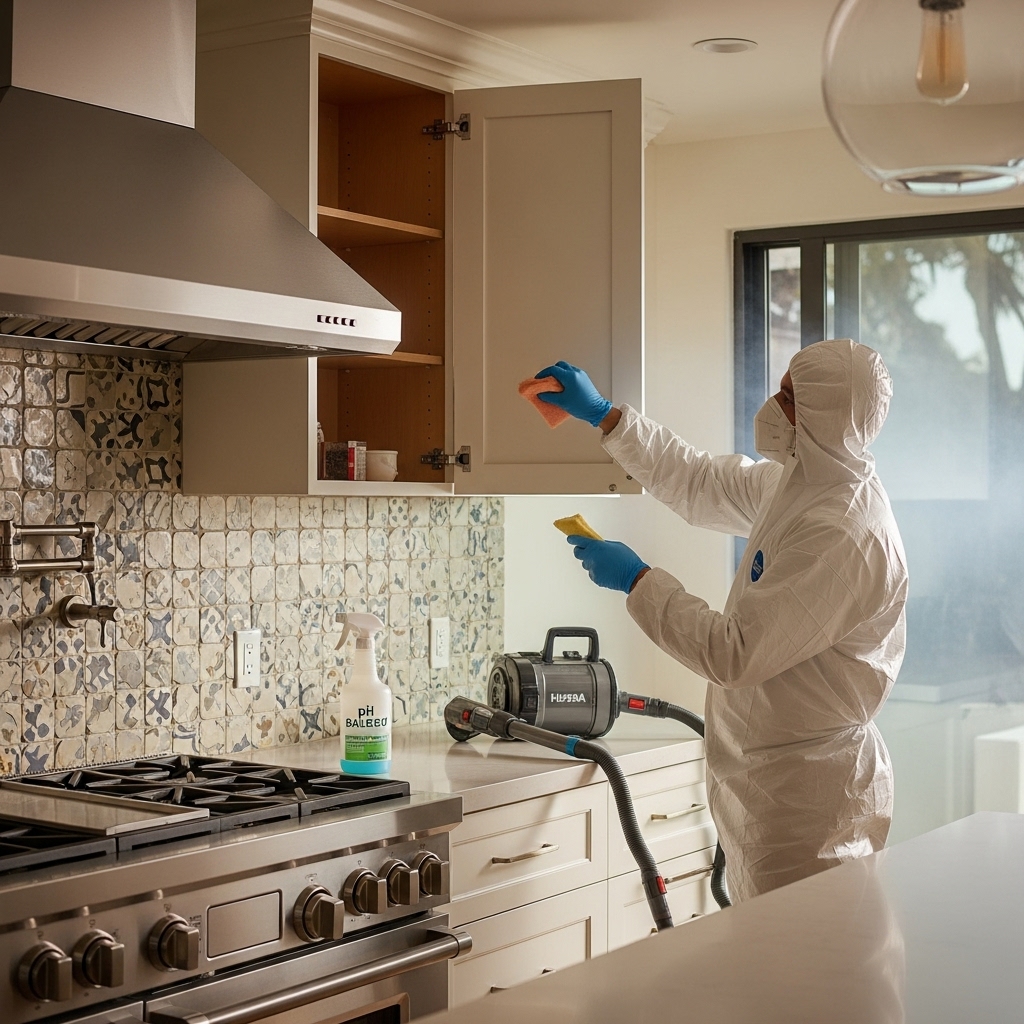
Another recurring problem is damage to glass and metal. Malibu’s salt air already deposits a film on windows and fixtures. Add acidic soot and you have the perfect recipe for etching and tarnish. We often see a subtle haze on sliders that only appears in low-angle light, or a dullness on stainless appliances that were wiped quickly in the first days after the event. The mistake is introducing wet cleaning too soon. Oily soot smears across glass and bonds with salt. Dry removal and pH-balanced approaches preserve clarity and shine, but once etching occurs, only polishing or replacement can fix it.
Bronze hardware and architectural metals deserve special attention. They are chosen for the way they age, but smoke accelerates that patina unevenly and can leave blotches that look like stains rather than graceful wear. Targeted cleaning and neutralization can reset the surface, but it has to happen before the reaction takes hold.
HVAC Cross-Contamination
Many homeowners underestimate the role of the HVAC system. Filters catch a portion of particles, but soot can slip past, settle inside ducts, and coat coils and blowers. Once there, every heating or cooling cycle redistributes it. We have traced stubborn odors to a single return plenum or to flex duct that was never properly cleaned after a prior event. In canyon homes, bath and kitchen fans that exhaust into soffit lines can pull smoky air into the attic, where insulation becomes a sponge. Without addressing these systems during restoration, even immaculate rooms will pick up a faint odor when the thermostat kicks on.
Ghosting and Soot Tagging
Ghosting—those gray lines that appear along framing outlines or above fasteners—shows up frequently after smoke exposure, especially in well-insulated, tight homes. Particles seek cooler surfaces and condense along thermal bridges, sketching the skeleton of your house onto painted walls. Soot tagging in attics, where web-like patterns form, is another tell that volatile compounds condensed and deposited on cooler surfaces. Painting over these marks without removing residue is a short-lived fix; the stains bleed back. Proper cleaning, insulation checks, and vapor management are the durable solution.
Fireplaces and flues can confuse the picture. A dirty chimney may already contribute to ghosting or odor, and when wildfire smoke enters the equation, it is easy to misdiagnose the source. Restoration that includes an honest look at combustion byproducts from daily living avoids the frustration of treating the wrong problem.
Soft Goods and Sentimental Items
Clothing, linens, and soft furnishings absorb odor fast. The mistake is treating them all the same. Some respond to specialized laundering; others require ozone-free deodorization to avoid damaging fibers or dyes. Sentimental items—handwoven textiles, heirloom quilts, or a child’s favorite stuffed animal—need gentler methods and, sometimes, longer timelines. Clear communication helps manage expectations so you are not surprised when one rug returns quickly while a particular duvet benefits from extended treatment.
Paper goods, books, and photographs are another category where caution is essential. They can hold smoke odor in surprising ways, and aggressive cleaning risks abrasion. We isolate, evaluate, and choose the least invasive method that will succeed, often pairing careful surface cleaning with controlled odor neutralization.
DIY Pitfalls
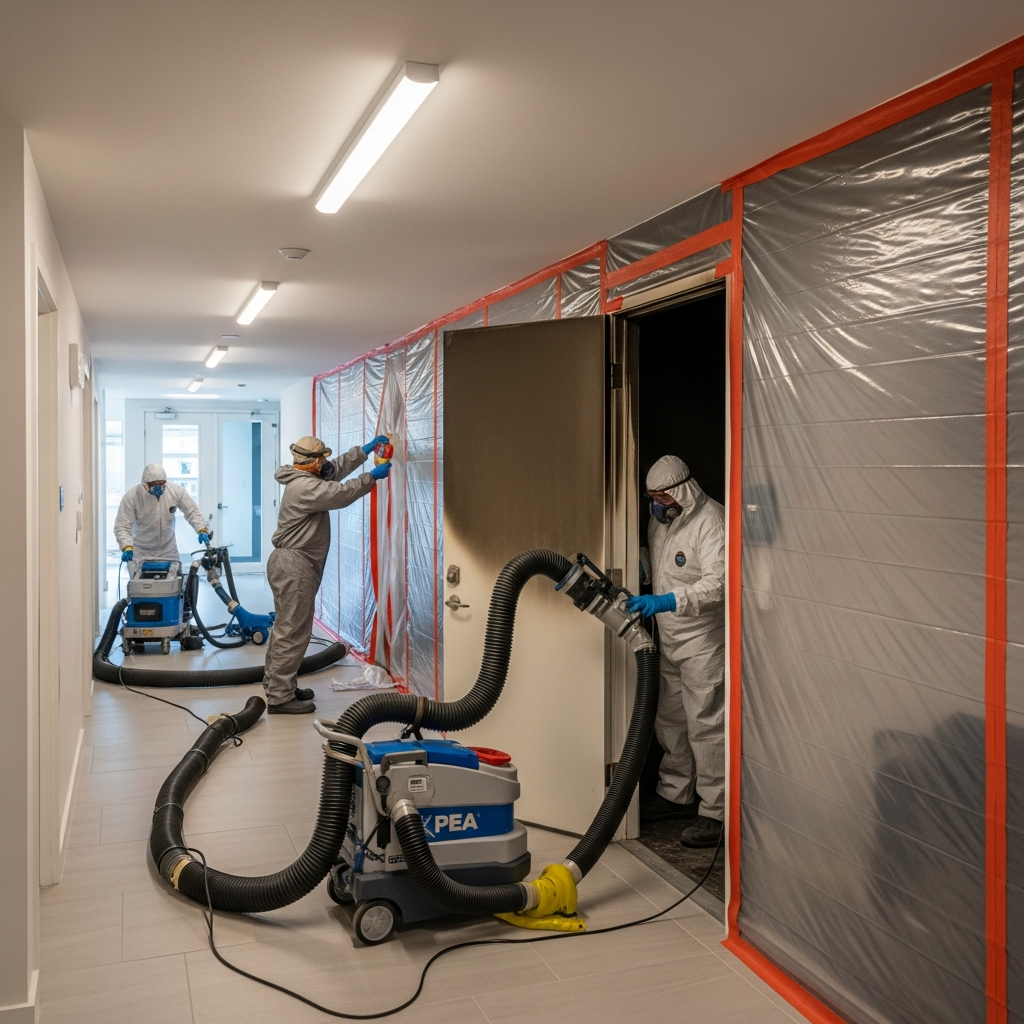
It is natural to start wiping surfaces the moment the smell hits, but DIY efforts can set problems in motion. Using household cleaners on soot can smear and drive residue deeper. Running air purifiers without sealing off dirty zones can spread particles into rooms that were clean. Opening windows at the wrong time can draw more smoky air inside. We encourage quick, simple steps—protecting traffic lanes, shutting down the HVAC—but the bulk of cleaning should follow a plan that prioritizes dry removal, containment, and verification before final polishing.
We also see well-intentioned overuse of ozone. While ozone can knock down odor, it can also react with materials and is risky around natural rubber, certain plastics, and living things—including houseplants and pets. Hydroxyl and other neutralization methods, combined with thorough source removal, solve the odor without collateral damage.
Access Challenges and Coastal Realities
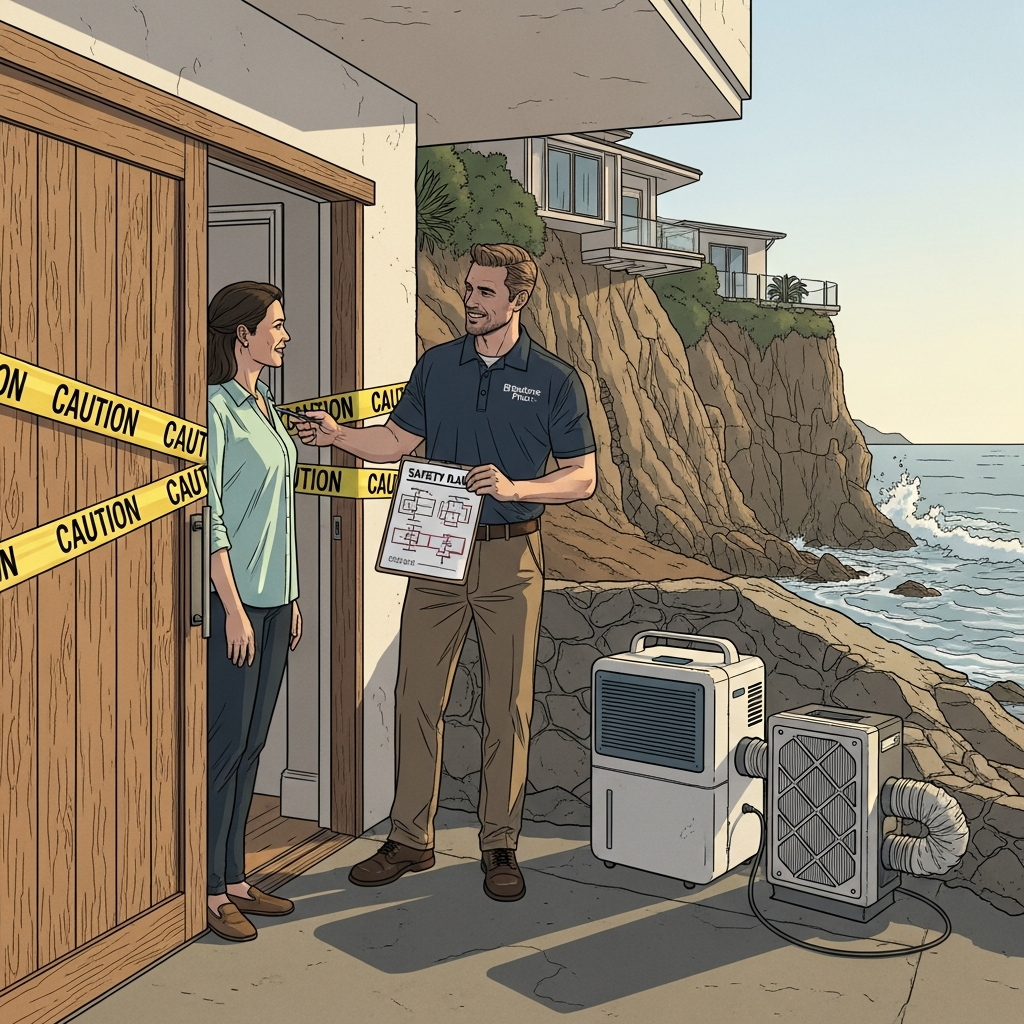
Malibu’s terrain and roads influence restoration more than most realize. Narrow drives, limited parking near the beach, and gated canyon properties mean logistics can make or break a day’s plan. Staging equipment to avoid blocking neighbors, timing trips to off-peak hours on PCH, and respecting sensitive landscaping are as much a part of success as the actual cleaning steps. Coastal moisture is another variable. We manage humidity during cleaning to protect wood floors and cabinetry while still ventilating sufficiently to move particles out. This balance is learned over years of working here and it matters for finishes that can warp or swell if conditions swing too far either direction.
Electronics and home systems are the hidden risk. We have encountered whole-house audio that smelled clean but failed months later from corrosion that started during a smoky week. Addressing these systems as part of restoration—powering down, gentle cleaning, and controlled reactivation—prevents surprise failures down the road. The same attention applies to appliances and mechanicals in secondary spaces like garages and guesthouses, which often become odor reservoirs if ignored.
Midway through a project, homeowners often feel a turning point when air smells neutral and surfaces stop leaving residue on a white cloth. That is also when small oversights can undo progress—walking from a dirty zone into a cleaned room without changing footwear, or running a fan that pulls air through an untreated cavity. Professional smoke damage restoration manages these details, so the clean stays clean and the finish line arrives sooner.
Frequently Asked Questions
Why does the smoke smell return on warm afternoons?
Heat releases compounds from porous materials and hidden voids, so you notice odor when walls and ceilings warm up. It is a sign that a source remains—often insulation, cabinet tops, or attic areas—that needs targeted treatment or sealing.
Do I need to replace my carpets and rugs?
Not necessarily. Many textiles can be cleaned and deodorized successfully with the right methods. Replacement is usually reserved for items that are structurally damaged, heavily soiled, or carry odors that do not respond to specialized treatment.
Will cleaning my ducts be enough to fix odors?
Duct cleaning helps, but it is one part of a system approach. Returns, coils, and blowers matter too, and you must remove sources in adjacent spaces so the system does not pull odor back in. A comprehensive plan addresses all these components.
Is it safe to stay in the house during restoration?
Often, yes, with proper containment and scheduling. Sensitive individuals may prefer to be away during the dustiest phases, and pets should be kept clear of work zones. The goal is to maintain clean living areas while work proceeds in others.
How do I prevent these issues next time?
Improvements like ember-resistant vents, better attic sealing, and dialed-in filtration reduce infiltration. A simple response plan—closing certain windows when winds shift, changing filters on a schedule, and early inspections after smoky days—keeps small problems small.
When smoke intrudes on the life you built by the ocean, the fastest path back is a thoughtful plan and a steady hand. If you are dealing with any of these common issues and want to get ahead of them, schedule a conversation about smoke damage restoration with a team that knows Malibu’s homes and habits as well as the winds that shape them.