Common Smoke Damage Restoration Issues Malibu Homeowners Encounter
From Broad Beach to the canyons above the 101, Malibu homes sit in one of the most visually stunning and environmentally dynamic settings in California. That beauty comes with a flip side when smoke rides in on the wind or drifts through overnight. Even if flames never approach, smoke can leave behind a complex web of residues and odors that are deceptively difficult to remove. Understanding the common problems that arise during cleanup helps you navigate the process with fewer surprises and better results. It is not just about making rooms smell better; it is about protecting health, preserving finishes, and avoiding the types of mistakes that create long-term headaches.
At first glance, a home might look fine. Windows get a quick wipe, floors are vacuumed, and a favorite candle masks the smell for a day. But smoke behaves differently than household dust or the result of a breezy day. It carries ultra-fine particles and oily residues that settle into fabrics, HVAC systems, and the micro-texture of walls and ceilings. The ocean air that defines Malibu life complicates this picture by adding salt and humidity, both of which can accelerate corrosion when they meet acidic soot. The result is a set of restoration challenges that benefit from both knowledge and patience.
Many homeowners begin by tackling what they can see. That instinct is understandable, but it can backfire. Wiping soot with water-based cleaners on painted walls often smears and sets the stain, driving residue deeper. Running the HVAC to clear the smell may pull contaminants through ductwork and redistribute them across the home. In short, small missteps can create larger problems. Knowing the pitfalls is the first step to avoiding them.
Hidden Soot and Sneaky Pathways
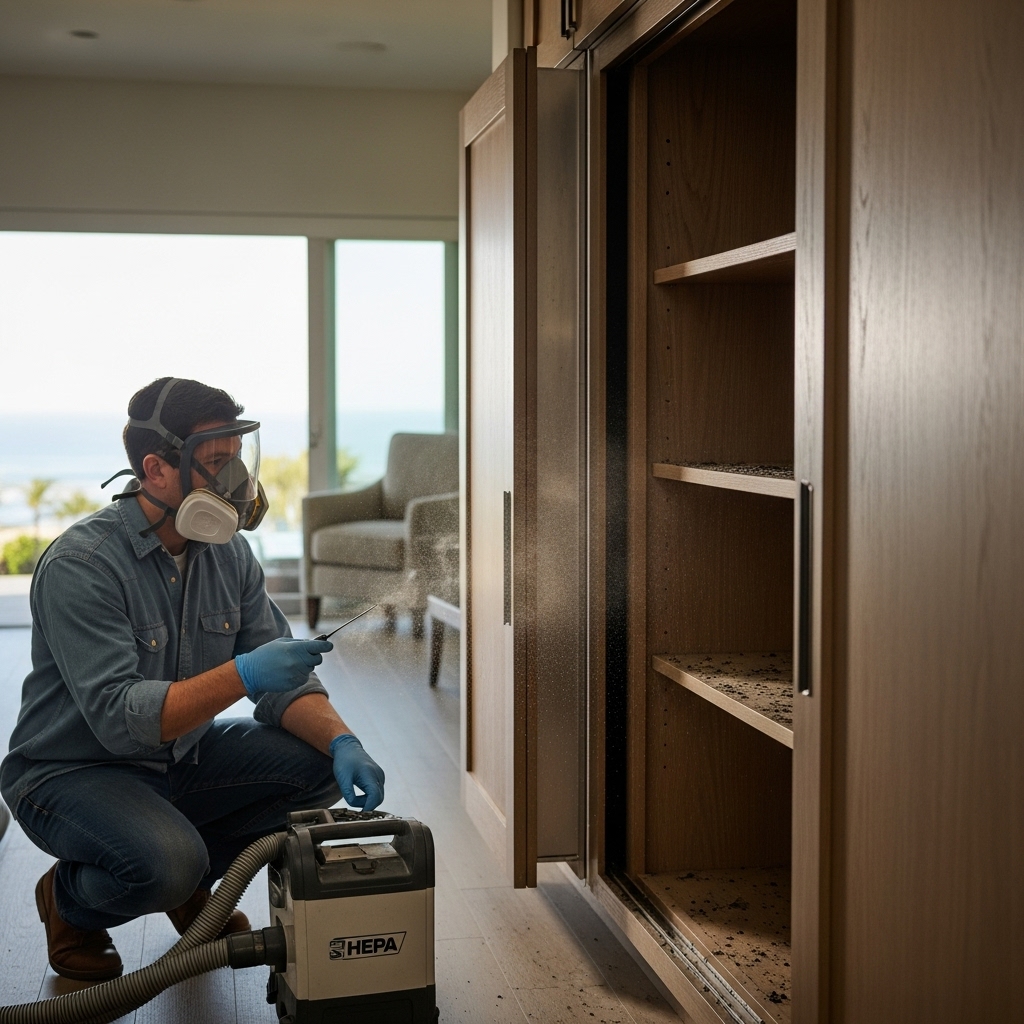
One of the most common issues is hidden soot. Malibu’s architectural vocabulary—vaulted ceilings, exposed beams, skylights, and open shelving—creates ledges and cavities that are perfect for fine particles to settle. Even if a room looks clean, a swipe of a white cloth above a beam or inside a light housing can reveal a gray film. This matters because residues left in these areas can continue to off-gas, feeding odors that seem to come and go. Professional assessments look beyond the obvious, using light, mirrors, and cameras to find those hideouts.
Air pathways compound the problem. In homes perched on hillsides or tucked into canyons, pressure differences encourage air to move through cracks around doors, recessed lighting, and even electrical outlets. That means soot can end up behind trim, inside cabinets, or along the path of return vents. If these areas are not treated, odors return, and you may find films reappearing on glass and counters days after you thought you were finished.
HVAC Contamination and Recirculation
The central air system is a frequent culprit in ongoing issues. Returns draw smoky air into ducts where particles deposit, only to be blown back out when the system runs again. Filters catch some of it, but not the finest particles, which are the ones most likely to cause odor and irritation. A common mistake is to ignore the ducts while cleaning rooms. That omission leaves a reservoir of contamination. Addressing the system—protecting vents during cleaning, changing filters appropriately, and cleaning ducts when conditions warrant—helps break the cycle and keeps your progress from unraveling.
Another related issue is forgetting about ancillary systems. Bathroom fans, range hoods, and laundry room vents can also harbor residues, reintroducing odors unexpectedly. A comprehensive plan considers these smaller systems, too, so you are not chasing a stubborn smell without knowing where it is coming from.
Material-Specific Damage
Malibu homes are rich in natural materials—stone counters, hardwood floors, plaster walls—and these require specific care. Acidic soot can etch marble or cloud glass if it sits too long. Oilier residues from kitchen smoke can bond with paint, leaving a dull patch where an overzealous scrub once was. Using the wrong cleaner can make matters worse. Dry sponging before wet cleaning, pH-balanced solutions, and careful rinsing help avoid permanent marks. When teams rush or when DIY efforts substitute all-purpose cleaners, you often see streaks, set-in stains, and finishes that look tired even after hours of work.
Textiles, too, present challenges. Upholstery and rugs hold odors stubbornly, especially in fibers that attract oils. Sprays may provide a quick lift but rarely solve the problem. Professional deodorization aims at the odor molecules themselves after residues are removed, rather than layering on fragrance. Skipping that sequence leads to the all-too-common situation where a room smells fine in the morning and smoky again by evening.
Corrosion Accelerated by Coastal Conditions
One of Malibu’s distinct challenges is the interplay between smoke and salt air. The ocean atmosphere is wonderful for the spirit but unforgiving to metals when combined with acidic soot. Faucet finishes, door hardware, appliance trim, and electronics can tarnish or corrode more quickly than you would expect. Waiting to clean gives this reaction time to accelerate. Addressing metallic surfaces early with appropriate methods—neutralizing residues and protecting finishes—prevents a short list of touch-ups from becoming a longer list of replacements. This is especially true for homes where sea spray and morning fog are daily companions.
Electronics face their own risks. Fine particulates can settle inside and across connections where, combined with humidity, they become slightly conductive. The device works today and fails later with no obvious cause. Turning gear back on prematurely magnifies that risk. Professional guidance helps decide what to power down, what to clean, and what to inspect more deeply, protecting both convenience and investment.
Odors That Reappear After Seeming to Fade
Few things are as frustrating as a smell that comes back after you thought it was gone. This usually points to an untreated source. Common hiding places include wall cavities around recessed lights, voids under toe-kicks, and inside cabinets that stayed closed during the event. Soft goods can also act as reservoirs, releasing odor molecules slowly. The solution is systematic: remove residues thoroughly, address cavities when needed, and apply deodorization as a final step. Relying on scent cover-ups masks the symptom, not the cause, and delays the inevitable second round of work.
Seasonal changes can draw odors out again, too. Warm afternoons or the first time you run the heat can release trapped molecules. Planning for a verification stage—air and surface checks after the initial cleaning—helps ensure that the home remains neutral through those shifts.
Insurance and Documentation Hurdles
Another frequent issue is paperwork. After a regional event, insurers are busy, and details matter. Without thorough documentation—photographs of affected rooms, logs of materials and methods used, and clear notes on items that were cleaned or removed—claims can stall or become more complicated than necessary. Teams that handle documentation well make the process easier, allowing you to focus on daily life rather than chasing emails and forms. That organizational benefit is often invisible until you need it most.
Communication with adjusters also shapes outcomes. Clear descriptions of why certain methods were chosen or why specialized cleaning is recommended for textiles or electronics prevent misunderstandings. When everyone is on the same page, approvals move faster and projects do not linger in limbo.
DIY Pitfalls and Unlicensed Work
In the rush to fix what feels urgent, it is tempting to do everything yourself or to hire the first person available. Unfortunately, rushed DIY can set stains and stir up particles, and unlicensed work can leave you with incomplete results and little recourse. Malibu’s homes deserve careful, informed attention. Seeking experienced help does not mean ceding control; it means getting a partner who respects your space and knows how to protect it.
Another common mistake is assuming that odor control alone equals restoration. While a room may smell fresh for a few days, residues in ducts, behind trim, or within soft goods can reassert themselves. A comprehensive plan, executed by a qualified team, ensures that the work is done in the right order and finishes strong.
Setting Realistic Expectations
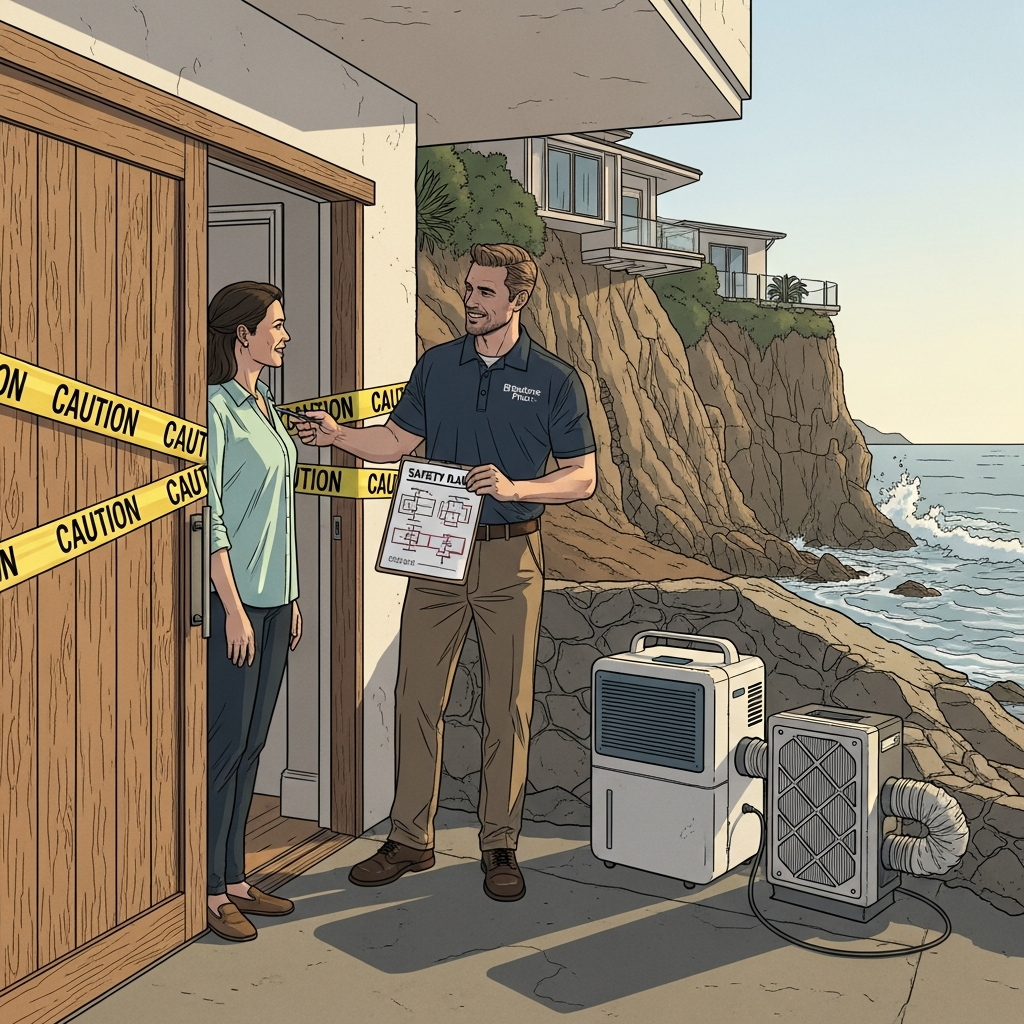
Every home and smoke event is different. Setting realistic expectations saves stress. Some projects resolve quickly; others require more time due to hidden cavities, delicate materials, or the need to coordinate with specialists. Knowing this up front, with a clear plan and checkpoints, helps you track progress without feeling adrift. The goal is not just a clean home but a restored one that stays that way.
Midway through most well-run projects, you notice tangible change. Odors subside, glass clears, and rooms feel lighter. That midpoint is a chance to reassess concerns, confirm that known trouble spots—ducts, high ledges, enclosed cabinets—have been addressed, and plan any optional improvements like repainting or resealing stone. Keeping communication open maintains momentum and reduces the chance of surprises at the end.
Frequently Asked Questions
Q: Why do streaks appear when I wipe soot from painted walls?
A: Water-based cleaners can emulsify oily residues and drive them deeper, creating stains. Dry removal first, followed by targeted solutions, prevents smearing and preserves the finish.
Q: How do I know if my ducts are contaminated?
A: Signs include recurring odors when the system runs and fine films returning on surfaces. A professional inspection can confirm and guide cleaning if needed.
Q: Can I just use air purifiers and candles to fix the smell?
A: Purifiers help reduce particulates, but without source removal and proper deodorization, odors usually return. Candles and sprays mask rather than solve the problem.
Q: My home is near the beach. Does that change the approach?
A: Yes. Salt and humidity can accelerate corrosion when combined with soot, making early neutralization and careful treatment of metals and electronics especially important.
Q: What items are hardest to save?
A: Items with delicate or porous surfaces, heavily smoke-exposed electronics, and some textiles may be more challenging. A thorough assessment will distinguish what can be restored safely from what should be replaced and documented.
Q: How can I avoid hiring the wrong help?
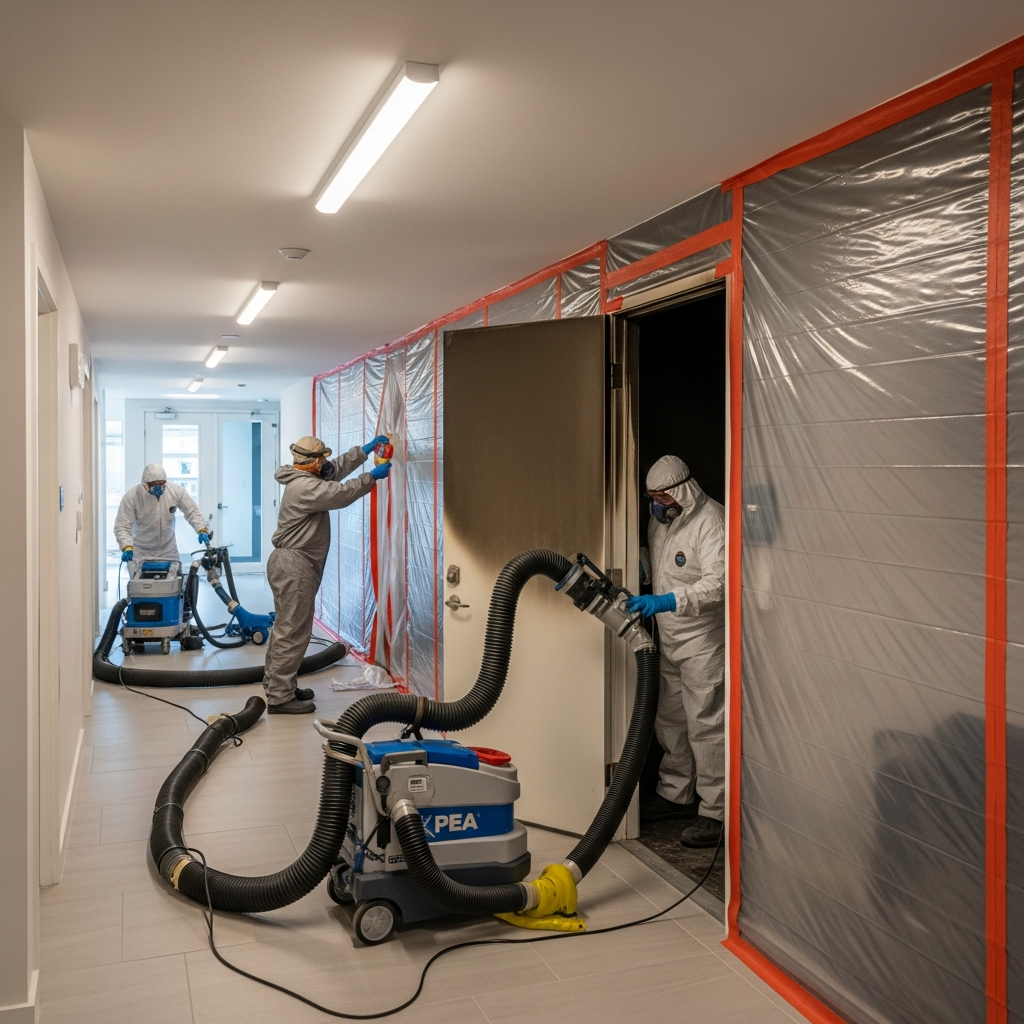
A: Look for experience with Malibu homes, clear plans, and transparent communication. Proper containment, documentation, and verification should be standard parts of the service.
When you want the work done right the first time, choose a partner who knows Malibu’s materials, microclimates, and rhythms. Start with an assessment, set a plan, and move forward confidently with professional smoke damage restoration that addresses the cause, not just the symptoms. Your home—and your peace of mind—are worth the careful approach.