When a fire breaks out, the first hours shape everything that follows. In Woodland Hills and Malibu, we see how quickly wind-driven embers can leap canyons, how smoke migrates through open floor plans, and how water from suppression settles into cavities you can’t see. The most effective emergency response is both decisive and calm, bringing order to a property that feels overwhelmed by heat, soot, and uncertainty. If you find yourself staring at blackened rafters or a kitchen veiled with residue, know that there is a proven path forward—one designed for our local terrain and climate. Many homeowners start by finding a trusted local partner for fire damage restoration and then building a step-by-step plan that stabilizes the home and restores daily rhythm.
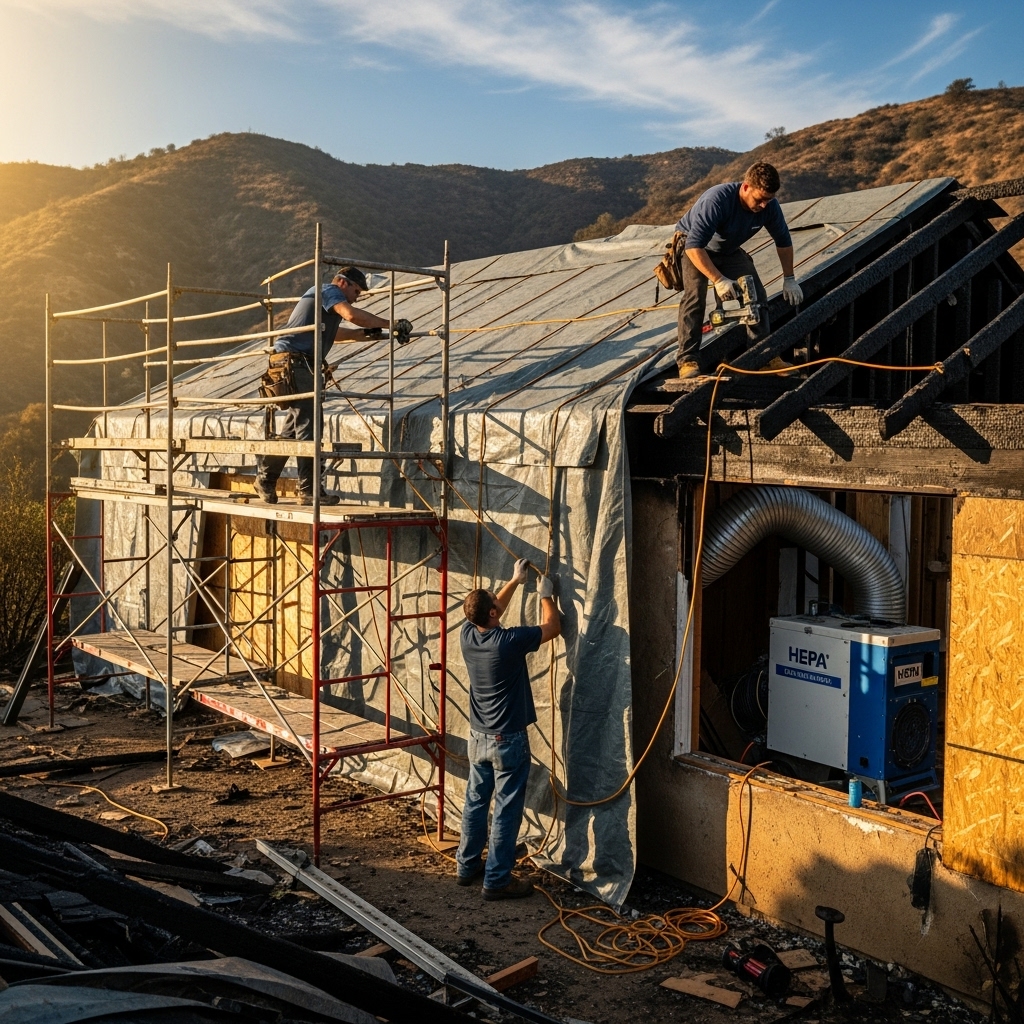
Emergency restoration is built on triage. It begins with safety checks, securing the building envelope, and preventing secondary damage: tarps, board-up, and temporary shoring as needed. Electricity and gas are evaluated before anything is powered on. Water mitigation starts quickly because moisture left unchecked invites microbial growth and can drive smoke deeper into materials. A good team assigns roles immediately—one group addresses structure, another begins contents protection, and a third sets up air management devices to capture particulates and prevent cross-contamination.
What emergency stabilization really means
Stabilization is the bridge between crisis and recovery. On sloped Malibu lots, that might include thoughtfully placed scaffolding for safe access, or scheduling deliveries around canyon traffic. In Woodland Hills, where properties often have larger driveways and garages, staging can be more straightforward, allowing for faster deployment of equipment. Either way, the purpose is the same: protect what remains, contain what’s compromised, and create clean corridors so work can proceed without spreading debris or odor.
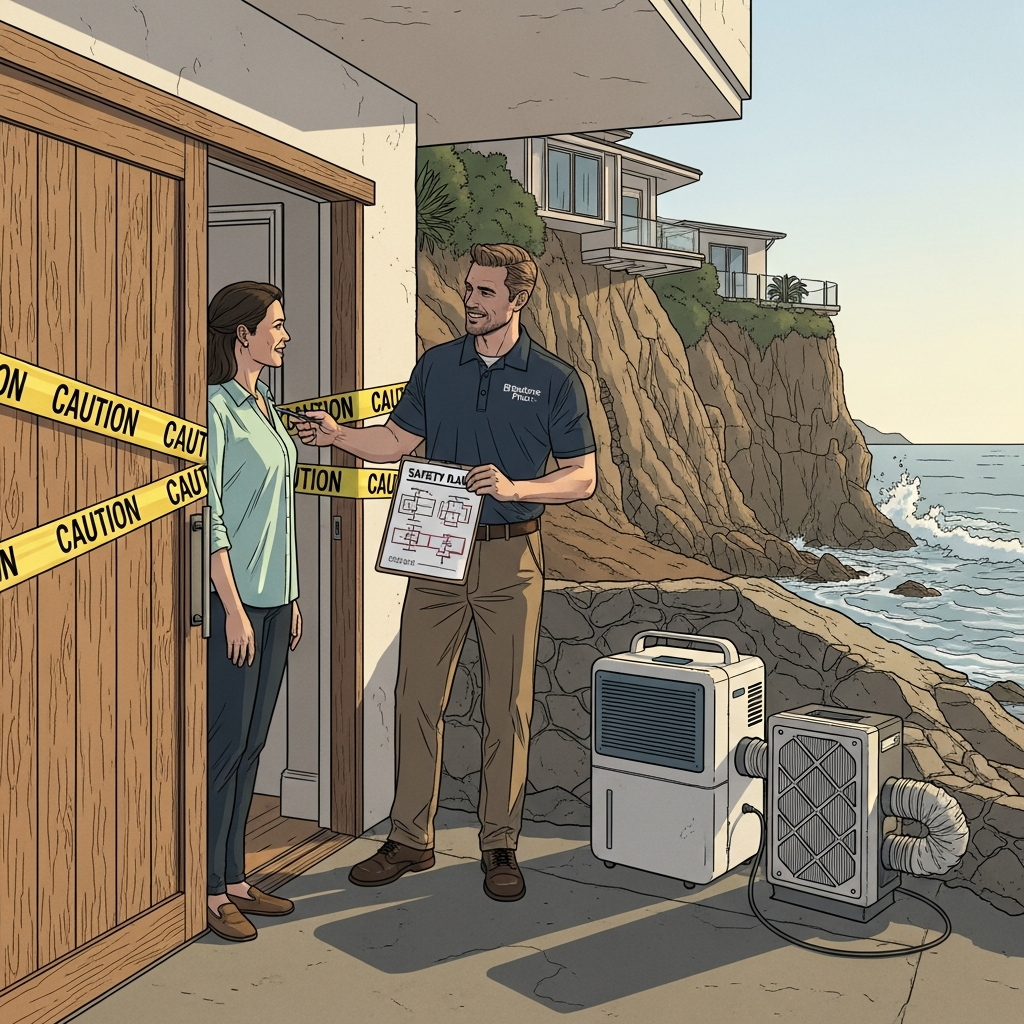
Communication is an essential part of stabilization. You should know which rooms are safe to enter, where clean items will be stored, and what the next 48 hours look like. Early clarity reduces stress and avoids missteps, like running an HVAC system that hasn’t been sealed or walking through areas that are still wet and electrically active.
The chemistry of soot and why timing matters
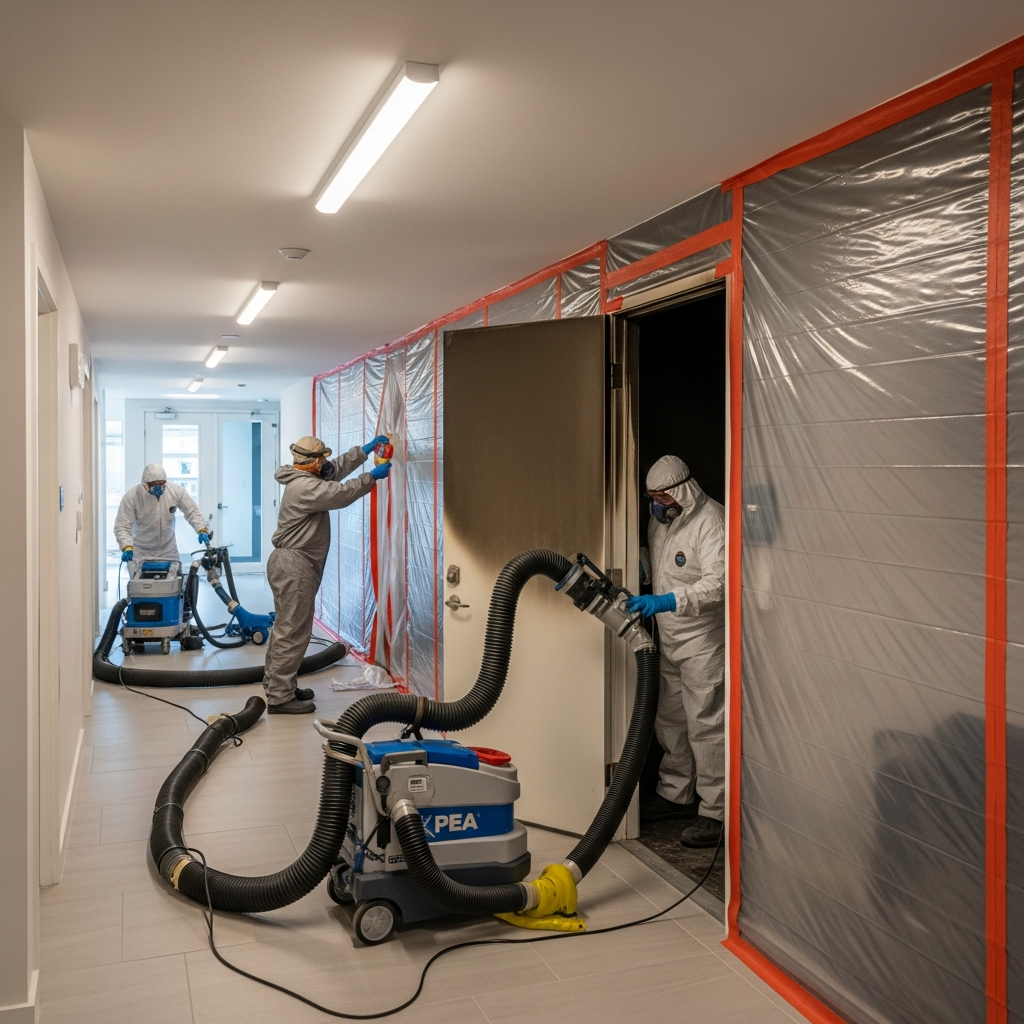
Soot is acidic and begins reacting with metals, electronics, and certain finishes almost immediately. Within hours, you may notice discoloration on fixtures or a metallic tang in the air. The longer soot remains, the deeper it settles and the more difficult it becomes to remove. That is why emergency teams go after source removal quickly—dry wiping where appropriate, applying alkaline cleaners to neutralize acids, and setting up HEPA negative air machines to keep particulates from resettling on clean surfaces.
Different fire types leave different residues. Kitchen fires coated in protein residue are invisible but pungent, requiring methodical degreasing and odor control. Wind-driven wildfire soot can be oily, leaving smears when cleaned improperly. Recognizing the residue at hand is the difference between a home that smells clean for a week and one that feels truly restored months later.
Water and structural drying in our local climate
Water from suppression, as well as from sprinkler systems, seeks out low points: the bottoms of walls, the center of ceilings, and subfloor cavities. In Malibu’s coastal humidity, structural drying plans account for slower evaporation and the risk of corrosion. In Woodland Hills’ summer heat, aggressive dehumidification and temperature control prevent warping and secondary damage. Moisture mapping reveals hidden pockets, guiding whether to dry in place or open up assemblies for faster progress.
Drying isn’t simply about placing fans. It’s about creating a controlled environment with the right balance of air movement, dehumidification, and temperature. This approach speeds recovery and protects materials that would otherwise fail if moisture remained trapped.
Protecting your belongings under pressure
In the middle of an emergency, contents management can be as complex as structural work. Quick packing decisions matter: textiles to specialized cleaning, electronics stabilized against corrosion, art and documents safeguarded from additional soot exposure. Detailed inventory keeps order, ensuring items are tracked from onsite removal through cleaning and storage, then back to their rightful places during move-back. Homeowners appreciate seeing that their most personal items receive attention even while crews are moving quickly around them.
Fragile pieces—grandparents’ china, guitars, first-edition books—benefit from immediate isolation. Once soot bonds with certain finishes, treatment becomes harder and more invasive. Early action preserves both value and memory.
Air quality, odor control, and safety at the scene
Controlling air is foundational during emergency work. HEPA filtration captures fine particulates, while odor control proceeds only after source removal to avoid masking problems. Hydroxyl or thermal fogging methods are deployed thoughtfully, with safety and material compatibility in mind. Equally important is isolating work zones with zipper walls or containment barriers so crews don’t recontaminate clean rooms as they move across the site.
When residents remain in a portion of the home, this separation makes day-to-day living possible. Clean paths, daily housekeeping in active corridors, and clear signage reduce frustration and keep everyone aligned on safety.
Permits, inspectors, and neighborhood dynamics
Not every emergency measure requires permits, but many communities have guidelines for noise, access, and staging—especially in Malibu’s canyons and along scenic routes where space is shared. Coordinating with neighbors, respecting HOA rules, and communicating realistic timelines make the process smoother for all involved. Inspectors appreciate tidy sites and well-documented work, which shortens review times when the rebuild phase begins.
Emergencies rarely happen at convenient times, and that’s why experience matters. Teams accustomed to hillside access, narrow streets, and variable weather anticipate delays and build schedules with contingency in mind. Planning for the unexpected is part of the job.
From response to recovery: a steady hand
After the initial sprint comes a more measured pace. Selective demolition reveals hidden damage; detailed cleaning and deodorization restore surfaces; and rebuilding brings the home back to life. Homeowners often take this period to make practical improvements—safer electrical, more resilient finishes, or layout updates that better suit how the home is used. The best projects balance urgency with craftsmanship, never losing sight of the fact that a home is more than a structure; it is a stage for daily life.
As you evaluate providers, it’s normal to compare equipment lists and timelines. But also listen for process and principles: how they protect unaffected rooms, how they document decisions, and how they communicate day to day. Those qualities make the difference between a chaotic experience and a collaborative one. Many residents choose to consult on fire damage restoration options early, then stay with the team that earns their trust on site.
Frequently asked questions
What should I do immediately after the fire is out?
Ensure everyone is safe and seek clearance before re-entering. Document visible conditions with photos or video, then avoid disturbing soot-laden surfaces. Do not power on HVAC or electronics until a professional evaluates them. If the property is exposed, arrange for board-up and weatherproofing. Contact your insurance provider to open a claim and coordinate with an experienced local team to begin stabilization and water mitigation. Quick action prevents odor set, corrosion, and microbial growth.
How quickly should emergency crews arrive?
The sooner the better, but speed should be matched with safety and organization. In our area, many teams can mobilize the same day, with board-up, initial cleaning, and air management beginning shortly thereafter. What matters most is that the first actions are correct—protect the structure, control moisture, and stop soot from spreading—so the rest of the process can progress smoothly.
Can I stay in the home during emergency work?
It depends on the layout and the extent of damage. If clean zones can be established and the work area isolated, some families remain on site. Clear pathways, daily cleaning, and restricted access to active zones are essential. If utilities are compromised or demolition will be extensive, a short-term relocation is safer and more comfortable. Your team should help you weigh these options with a focus on health and momentum.
What about my valuables and paperwork?
Identify critical items—documents, keepsakes, medications—so they can be located and protected early. The contents team will inventory, wrap, and transport items for specialized cleaning as needed. Electronics receive corrosion treatment, textiles head to fabric restoration, and fragile pieces are handled with care. Detailed tracking ensures items return to the proper rooms during move-back.
How is smoke odor actually removed?
Odor removal begins with source removal—cleaning, demolition where necessary, and meticulous vacuuming with HEPA equipment. Only then do technicians introduce odor-neutralizing processes such as thermal fogging or hydroxyl treatment. In many cases, sealing is used sparingly to lock in residual molecules after thorough cleaning. The sequence matters more than any single technology.
What makes emergency work in Malibu and Woodland Hills unique?
Access, climate, and building styles. Malibu’s ocean air and canyon roads influence staging and corrosion risk, while Woodland Hills’ heat and large attic volumes demand robust air management and insulation strategies. Local knowledge guides decisions about equipment placement, work hours, and the order of operations so disruption is minimized and progress remains steady.
When you’re ready to move from the urgency of the first hours to the steady cadence of full recovery, connect with a local team that understands our hills, valleys, and coastline. With clear communication and disciplined technique, your home can feel like home again sooner than you think. Begin your path today by exploring fire damage restoration with experienced hands who value your safety and peace of mind.