Wildfire smoke can travel miles before you ever see flames, and in Malibu, the wind can turn a distant incident into an indoor air problem in minutes. You step outside and spot gray haze above the ridgelines, then later notice a faint, ashy smell inside your home. Windows that were once bright look slightly dulled; vents leave a fine film on nearby surfaces. Even without direct fire damage, smoke and soot can alter how your home looks, smells, and functions. Restoring clean air and clean surfaces is essential for comfort and health, and it demands a plan tailored to Malibu’s coastal climate and canyon winds.
Smoke restoration focuses on particle control, odor removal, and material-safe cleaning approaches. The best results come from understanding how smoke moves through structures—pressurizing during wind gusts, sneaking through gaps around recessed lights, and settling in attics and HVAC systems. An organized plan brings that hidden migration into the open and corrects it step by step. If you want to map your next move, begin by learning what complete fire damage restoration looks like when smoke, not flames, is the main issue.
How Wildfire Smoke Invades Malibu Homes
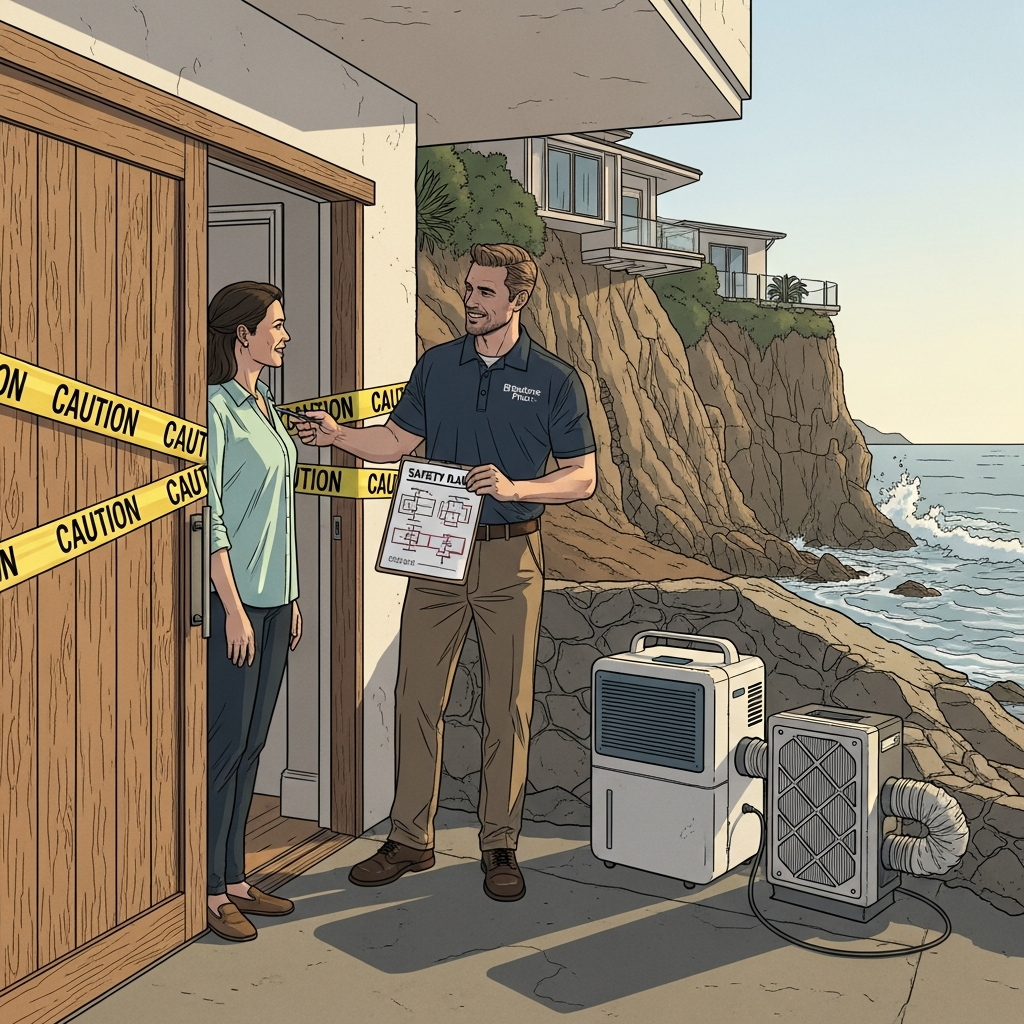
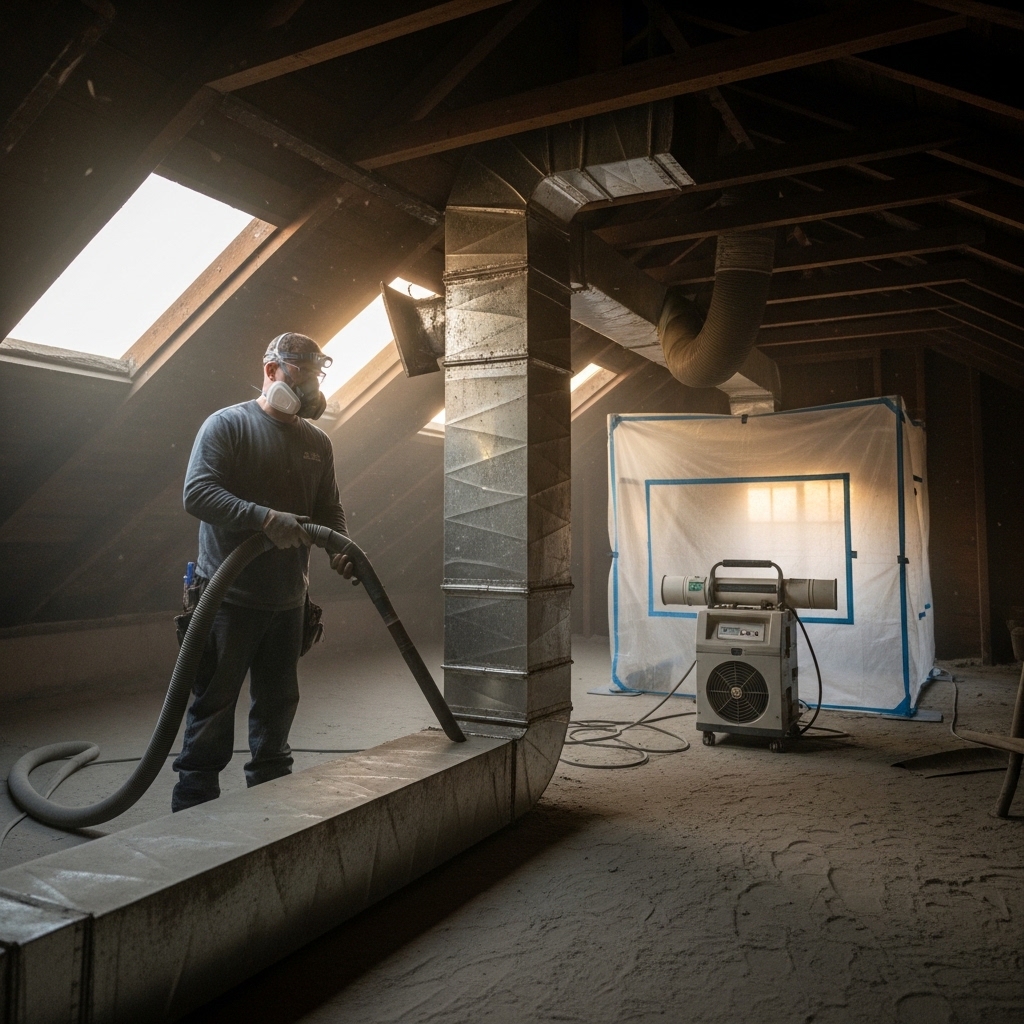
Malibu’s terrain channels wind in surprising ways. Santa Ana events push hot, dry air from inland toward the coast, pressurizing homes and driving particles under door sweeps and through attic vents. On foggy mornings, moisture helps soot cling to surfaces, making it harder to wipe clean. Structures with open-beam ceilings or skylights can see smoke settle at the highest points, while coastal salt in the air can amplify corrosion when combined with acidic soot. Understanding these dynamics lets restoration teams target hidden reservoirs of smell and residue rather than chasing odors room by room.
Assessing the Extent of Smoke Impact
Assessment starts with the nose and the eye, but it moves quickly to instruments and method. Technicians evaluate air quality, check filters and returns, and inspect attics, crawlspaces, and cabinetry. White cloth tests on high-touch spots reveal fine soot deposition. The HVAC system is a critical pathway; if it ran during smoke events, ducts, coils, and air handlers may need targeted cleaning. Contents are evaluated individually—textiles, books, artwork, and electronics each respond differently to smoke and require tailored approaches to prevent further damage.
Particle Capture and Containment
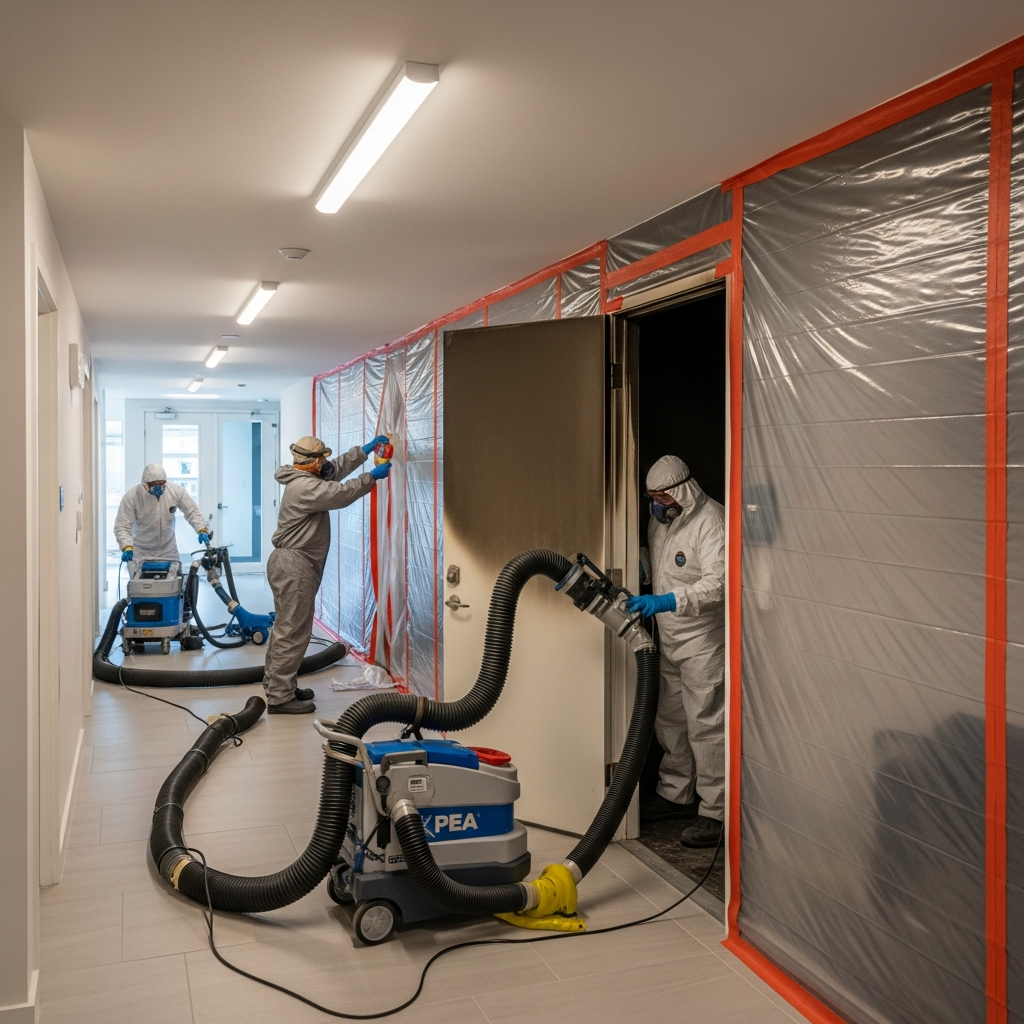
To stop re-deposition, the air must be managed. HEPA-filtered negative air machines run during cleaning to capture disturbed particles. Work zones are isolated with containment so a cleaned room stays clean. As surfaces are vacuumed, wiped, and rinsed, the surrounding air is continually scrubbed to reduce airborne loads. Malibu’s variable breezes matter here; crews consider wind direction and time exterior door openings to keep moving particles from reentering the space.
Odor Removal as a Process, Not a Product
Odor is a symptom, not the problem. Source removal comes first: vacuuming with HEPA filtration, dry sponging, and careful wet cleaning suited to each material. Next come deodorization methods—thermal fogging that mimics smoke movement to reach hidden zones, hydroxyl generators for continuous odor breakdown, and controlled ozone treatments in unoccupied spaces when appropriate. Finally, sealers and primers lock in any residual staining or microscopic odor sources in building materials so new finishes stay fresh.
Textiles, Soft Goods, and Delicate Contents
Smoke loves fibers. Curtains, rugs, upholstered furniture, and even the clothing you rarely wear absorb odors easily. Many items can be treated successfully with specialized laundering, deodorization chambers, and careful drying. Books and artwork require gentler handling to avoid warping or color shifts. Electronics stay powered down until inspected because soot can conduct electricity and accelerate corrosion. A smart restoration plan assigns each category to the appropriate cleaning track and stages items to avoid cross-contamination.
HVAC Cleaning and Air Pathways
When the air system runs during a smoke event, it spreads particles throughout the house. Restoration service includes filter upgrades, sealed vacuum cleaning of ducts, inspection of coils, and sanitizing components as needed. Vents and registers receive detailed cleaning, and air sealing can be considered around penetrations to reduce future infiltration. Over the following months, scheduled filter changes help maintain the clean baseline you worked so hard to achieve.
Mid-Project Checks and Malibu’s Weather
Because weather shifts quickly along the coast, mid-project checks are essential. If a morning marine layer adds humidity, cleaning chemistry and dwell times are adjusted to avoid streaking. If afternoon winds are strong, crews tighten containment and monitor make-up air to keep flour-fine ash from drifting into clean zones. In these moments, it is useful to revisit what thorough fire damage restoration entails so you can confirm that every step—from particle capture to odor sealing—remains on track.
Post-Restoration Tips for Malibu Homes
After the immediate restoration, a few habits keep your indoor air resilient. Schedule filter checks, especially after windy weeks. Consider higher-efficiency filters seasonally if your system can handle the added resistance. Store rarely used garments in breathable protective covers after they have been cleaned. Seal gaps around attic hatches and recessed lights, and think about ember-resistant venting if you plan upgrades. These small choices reduce future infiltration and make any subsequent smoke event easier to manage.
FAQs
Can you fully remove smoke odor without repainting?
Often, yes. If residues are cleaned and neutralized thoroughly, walls may not need new coatings. When staining or persistent odor remains, odor-blocking primers and sealers provide a clean foundation before repainting.
Is it safe to run my HVAC during smoke restoration?
Generally, the system remains off until inspected and cleaned. Running it too soon can spread particles. After cleaning and filter replacement, the system can help maintain clean air and controlled humidity.
How long does smoke restoration take for a typical home?
Light smoke impacts may resolve in a few days; heavier, whole-home exposures can take a week or more depending on contents volume and HVAC involvement. A clear plan with milestones keeps progress steady.
Will soft goods like rugs and curtains really come back to normal?
In many cases, yes. Professional textile care and deodorization can return fibers to a neutral state. Severely charred or heat-damaged items are the exception and may be deemed non-salvageable.
What should I avoid doing before professionals arrive?
Avoid wiping surfaces with household cleaners, which can set stains, and do not run fans or your HVAC. Limit movement through rooms to reduce particle spread, and keep windows closed if outdoor air is smoky.
Does Malibu’s salt air change how electronics are handled?
Yes. Salt air plus acidic soot accelerates corrosion. Keeping electronics powered down until evaluated reduces risk, and timely cleaning by specialists improves the odds of successful recovery.
Take Back Your Air
Your home should smell like ocean air and fresh finishes, not smoke. With a plan that prioritizes particle capture, material-safe cleaning, and careful deodorization, you can get there quickly and safely. If you are ready to restore clean air and calm, reach out for professional fire damage restoration and breathe easy again.