In Malibu, the ocean horizon can be crystal clear in the morning and veiled by smoke by afternoon. Coastal blazes behave differently here than they do inland: marine layers shift winds, canyons funnel embers, and salt air interacts with smoke residues on everything from exterior stucco to stainless fixtures. When a wildfire passes through, you may find your home still standing yet blanketed with ash, with subtle smoke odors that seem to intensify when the sun warms the rooms. The goal of wildfire damage restoration is to make the home genuinely healthy and livable again—clean air, clean surfaces, and confidence that what you cannot see has been addressed. If you’re beginning that journey, consider early guidance from a Malibu-savvy expert in fire damage restoration who can map the unique steps coastal properties require.
Wildfire aftermath can range from light ash and exterior soot to deep smoke infiltration and water exposure from firefighting. The restoration strategy depends on where the fire traveled, how winds carried particulates, and how your home’s construction either resisted or allowed entry. Malibu homes—whether along the beach or tucked into canyons like Latigo, Corral, and Trancas—share a need for careful, tailored work that respects both the site and the neighbors who live just beyond the hedges and fences.
Initial assessment: look wide, then focus
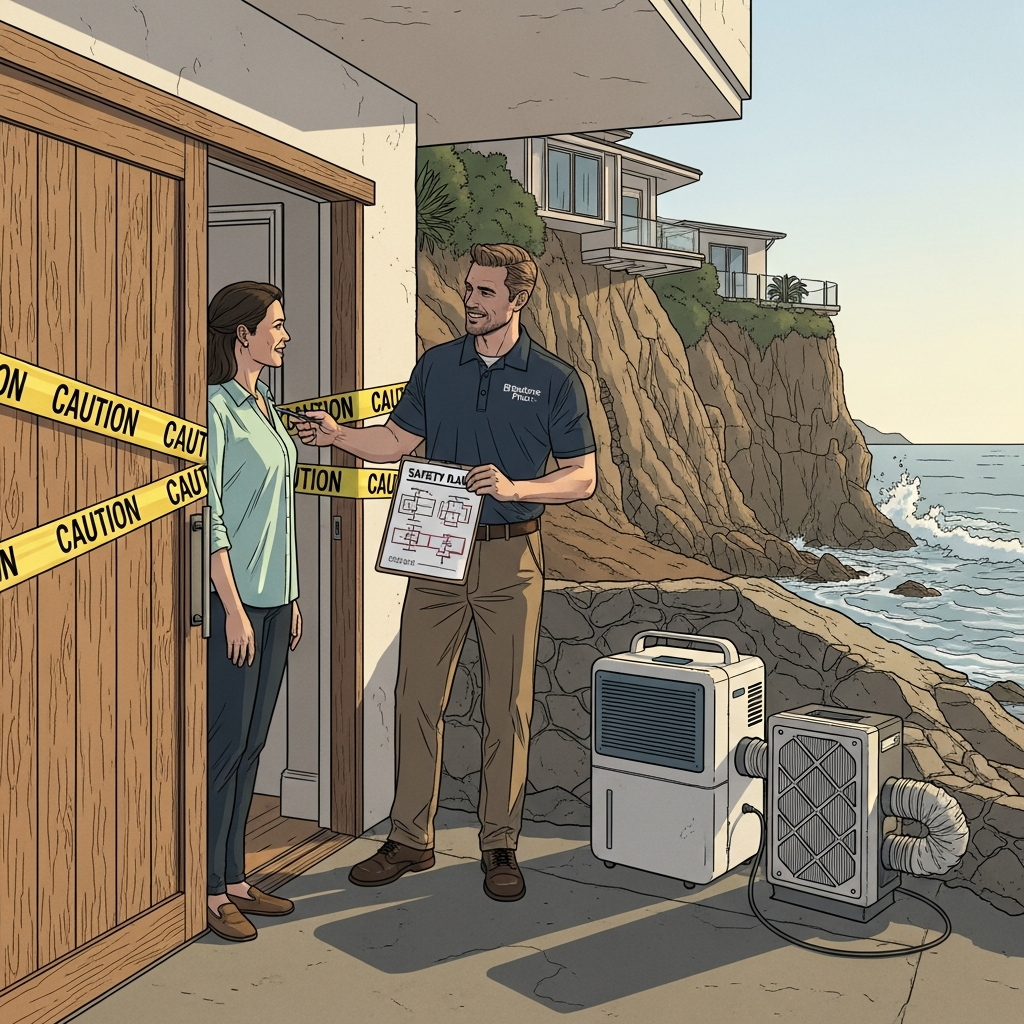
Start with a whole-property view. Ash can settle in gutters, on decks, and in landscaping beds where it later washes toward drains and slopes. On oceanfront lots, shifting breezes can layer soot unevenly. Trusted teams begin with safety checks and a perimeter survey, then move inside to assess infiltration points such as attic vents, window seals, and door thresholds. They document everything, creating a room-by-room map that identifies what will be cleaned, what requires removal, and how containment will protect unaffected areas.
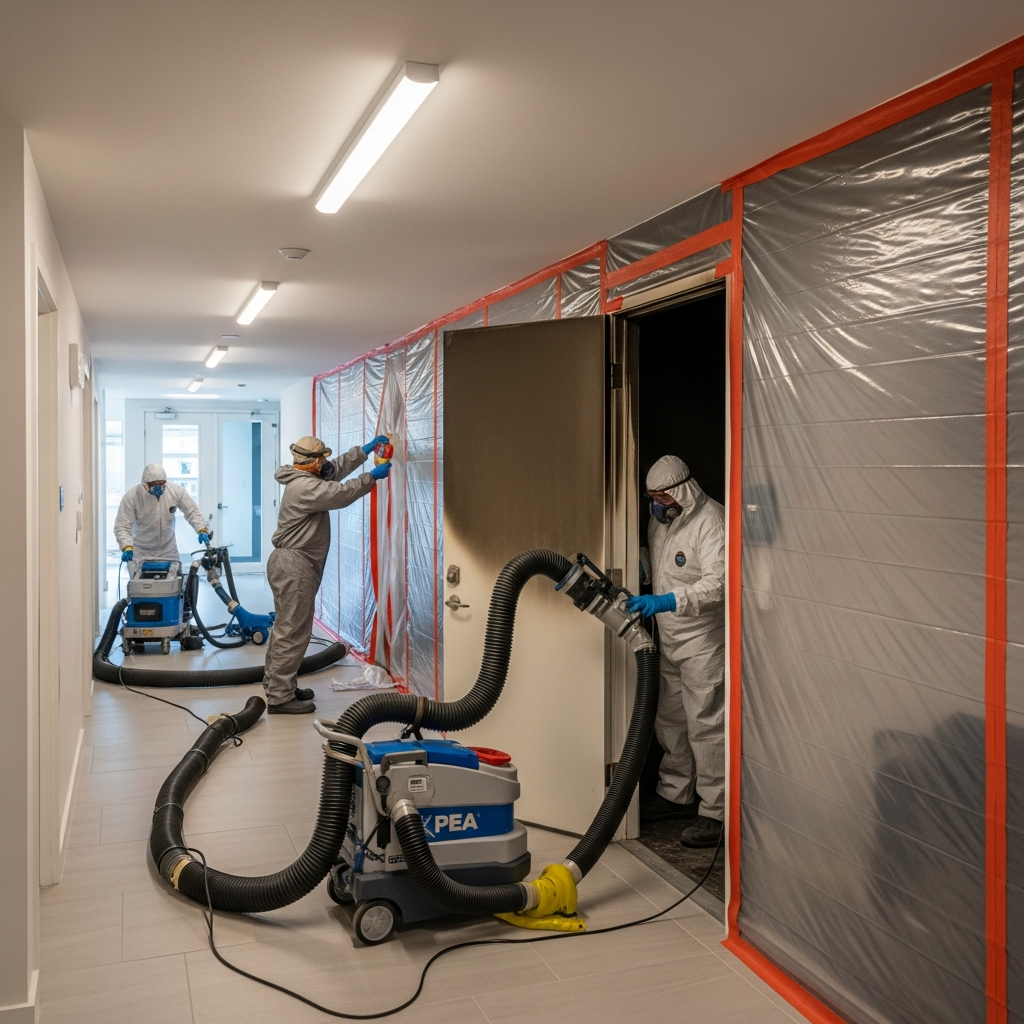
Stabilization follows closely. Board-up and roof tarping secure openings. Air scrubbers with HEPA filtration reduce airborne particulates. Negative pressure containment prevents cross-contamination, a must in open-plan homes where air moves freely between levels. Where firefighting introduced water, targeted drying plans start immediately to prevent secondary damage. Malibu’s coastal humidity can slow progress; technicians monitor and adjust equipment daily to keep drying efficient.
Ash and soot: not just surface dust
Ash looks benign but can be caustic to finishes and uncomfortable to breathe. Dry removal—HEPA vacuuming and gentle wiping—comes first to avoid pushing particles into pores. Soot behaves differently depending on what burned and how hot the fire burned. Protein-rich residues from nearby structure fires cling invisibly and carry strong odor, while wildfire ash tends to be lighter yet pervasive. The right cleaning sequence matches residue to method, often with initial dry cleaning followed by targeted wet cleaning where appropriate.
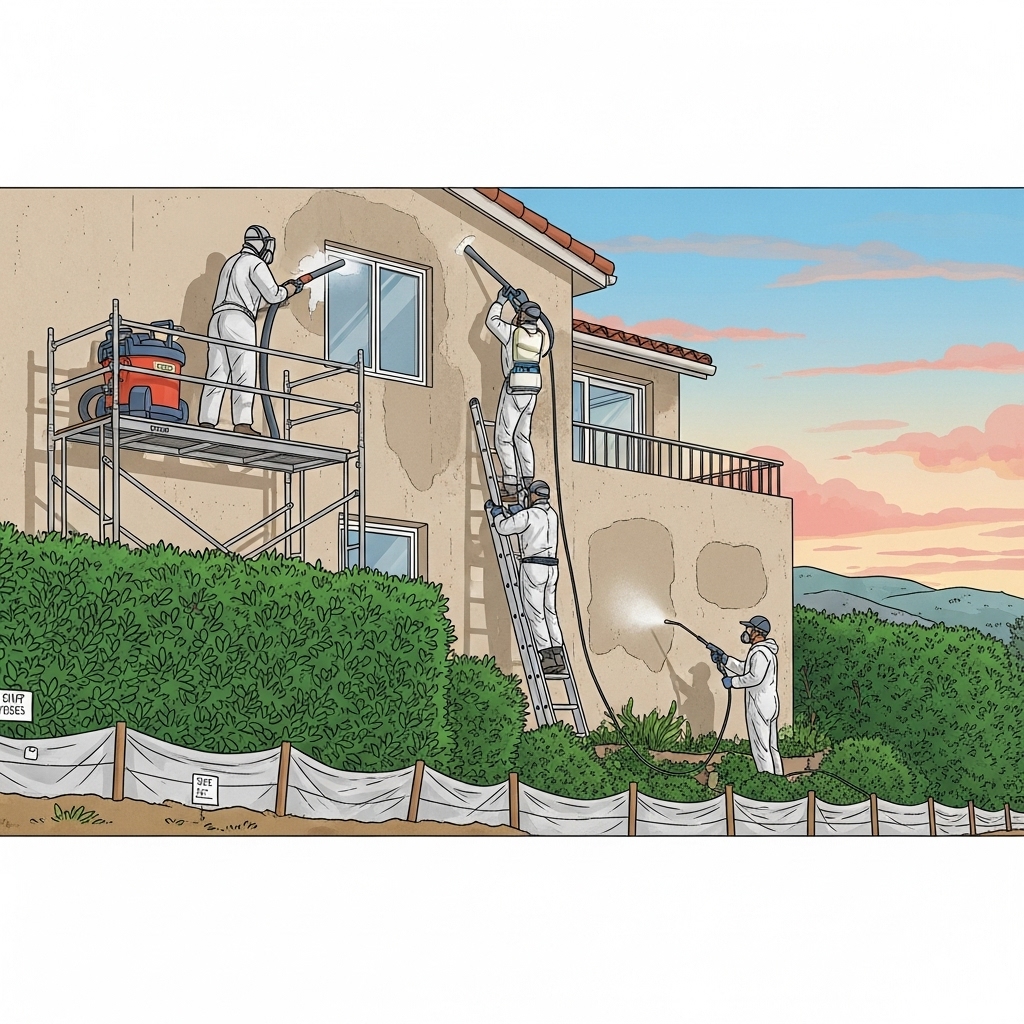
Exterior surfaces need attention too. Stucco, stone, and siding can hold soot in micro-textures. Decking may trap residues between boards. Sliding door tracks, window wells, and skylight frames collect fine particulates. Careful detailing in these places makes the difference between a home that seems clean and one that truly feels reset.
Air quality and deodorization
After a wildfire, indoor air can remain loaded with fine particulates even when rooms look tidy. Continuous HEPA filtration, coupled with strategic ventilation, begins clearing the air. True deodorization follows thorough cleaning and source removal, not the other way around. Hydroxyl generators are commonly used because they work in occupied spaces and are gentle on fabrics and artwork. Validation matters: crews return after temperature and humidity shifts to ensure no odors re-emerge when the afternoon sun warms interior surfaces.
HVAC systems are a crucial part of the plan. Ducts, coils, and blowers can harbor particulates that recirculate odor long after visible ash is gone. Comprehensive cleaning and staged filter replacements are non-negotiable steps. Without them, a space that feels fresh in the morning can smell smoky by evening.
Landscapes, hardscapes, and runoff
Wildfire residues outdoors can affect more than curb appeal. Ash in planters and beds can wash toward drains and slopes during the next rain, potentially causing staining or clogging. Responsible teams use controlled cleanup and, when necessary, erosion control measures like straw wattles and silt fences to protect the site and neighboring properties. Patios, pool decks, and outdoor kitchens need thorough cleaning to remove soot from textured surfaces where it hides in pits and grooves.
Coastal conditions introduce a twist: salt air can increase the corrosivity of certain residues. Stainless hardware, light fixtures, and railings may require prompt neutralization to prevent pitting. Detailed attention here preserves finishes that would otherwise show premature wear.
Contents and cherished items
Belongings deserve the same careful planning as the structure. Photo inventories, labeled boxes, and barcoding create accountability when items leave for offsite cleaning. Textiles, rugs, and soft goods absorb smoke readily and respond best to specialized processes rather than conventional laundering. Art, instruments, and unique collections benefit from conservators who understand material sensitivities and the need to balance cleaning with preservation.
For many families, the first sign of relief comes when a favorite throw, an heirloom chair, or a stack of children’s books returns home without odor. Those moments are the milestones that make the larger project feel worthwhile.
Working with Malibu’s access and community
Our roads, parking, and neighbor relationships matter during restoration. Narrow lanes and private drives mean staging must be thoughtful and tidy. Teams coordinate with neighbors and HOAs, post clear timelines, and manage noise respectfully. This community-minded approach is not only courteous; it also keeps projects moving smoothly without avoidable delays.
For homes perched on slopes, crews take extra care moving equipment to avoid scarring landscapes or destabilizing ground. Protective mats, careful footpaths, and spotters are simple practices that show respect for the site’s long-term health.
Documentation and collaboration
Restoration works best as a collaboration. Clear records—photos, notes, and a sequence of steps—help align homeowners, insurers, and inspectors. A single point of contact simplifies communication so questions get answers quickly. When hidden issues emerge behind walls or under flooring, a trusted partner presents options plainly and invites your choice, maintaining momentum and transparency.
The rhythm of good work is consistent. Containment stays tight, equipment runs, surfaces progress from ash to clean, and the air grows fresher day by day. That rhythm, more than any single tactic, is what transforms a chaotic beginning into a calm conclusion.
Mid-course verification
Halfway through, it’s wise to verify that initial goals remain on track. Are odor levels trending down? Has HVAC cleaning occurred or been scheduled? Do test patches on delicate surfaces show acceptable results? In this phase, reviewing trusted resources on fire damage restoration can help you recognize the signs of thorough, methodical work specific to coastal wildfire conditions.
Preparing for the next season
Restoration is also an opportunity to improve resilience. Ember-resistant vents, well-maintained defensible space, and thoughtful storage reduce risk. Window and door weather-stripping, if upgraded, can cut down on smoke intrusion during future events. These measures need not change the home’s character—they refine it to live more comfortably with Malibu’s environment.
Consider scheduling an annual HVAC service before peak season, refreshing filters more often, and walking the property to clear debris from gutters and roof valleys. Simple routines can make a meaningful difference when winds rise.
Frequently Asked Questions
Is wildfire ash dangerous inside the home?
It can be. Ash contains fine particulates that irritate lungs and can be caustic to finishes. Professional dry removal and HEPA filtration reduce airborne particles and protect surfaces, followed by targeted cleaning where needed.
Do ocean breezes help or hurt after a wildfire?
Both. Breezes can ventilate spaces, but shifting winds may also push smoke deeper into the home if ventilation is not controlled. Managed airflow through containment and HEPA filtration ensures ventilation helps rather than hinders.
How important is HVAC cleaning?
Essential. Ducts and mechanical components trap particulates that recirculate odor if left unaddressed. Comprehensive cleaning and staged filter replacements are key to long-term freshness.
Can exterior soot be left to weather away?
It’s better to remove it promptly. Soot can be corrosive, and weathering may drive particles deeper into pores of stucco, stone, and decking. Timely, gentle cleaning preserves finishes and prevents staining.
What about contents and soft goods?
Textiles and porous items absorb smoke readily and often need specialized processes. A structured inventory and careful pack-out protect belongings and streamline their return in fresh, clean condition.
Will my home smell normal again?
Yes, with comprehensive cleaning, true deodorization, and HVAC servicing, lingering odors should be eliminated. Validation after weather shifts helps confirm the result holds.
Restore Your Malibu Home
Recovery after a coastal blaze begins with a clear, locally informed plan and steady execution. Choose a partner who respects your property, your neighbors, and the environment while delivering meticulous results. Start your path back to comfort and clarity with a Malibu-focused expert in fire damage restoration, and take the first confident steps toward a fresh, healthy home.