There is a rhythm to Malibu that locals feel in their bones—the morning fog rolling off the water, the way the light changes across the canyon walls, and the days when warm winds make the brush whisper with warning. When fire intrudes, that rhythm is disrupted, but it does not disappear. The way you respond in the first days sets the tempo for everything that follows, and timely fire damage restoration is the metronome that brings order to chaos. Acting quickly is not about panic; it is about preventing the quiet, relentless spread of secondary damage and giving your home a clean slate to heal. In the earliest hours, even as you catch your breath and check on loved ones, it helps to know there are local resources and guides ready to steady you, and references like keyword can orient you toward the next right step.
Time works for you or against you after a fire. Soot begins reacting with metals almost immediately, etching appliances, fixtures, and even window hardware. Water used to extinguish flames migrates into cavities, subfloors, and insulation, setting the stage for mold if left unattended. In Malibu’s coastal climate, humidity amplifies these reactions, and the salt content in the air acts like an accelerant for corrosion. A timely response—stabilizing the site, setting up air filtration, and beginning strategic cleaning—interrupts these processes before they become entrenched.
The First Forty-Eight Hours: Why They Matter
Within two days, materials that could have been cleaned may become permanently stained. Stone countertops can absorb smoke residues, lacquered cabinets may become cloudy, and chrome fixtures can pit. Acting quickly allows professionals to neutralize acidic soot, protect surfaces, and begin controlled drying to avoid swelling in wood assemblies. I have seen elegant oak flooring rescued by prompt dehumidification, while identical floors down the street were cupping and needing replacement simply because a week passed before drying began. In Malibu, where many homes have open plans with broad spans of glass, solar heat gain can drive odors deeper into materials; reducing interior temperatures and starting deodorization early limits that deep-set absorption.
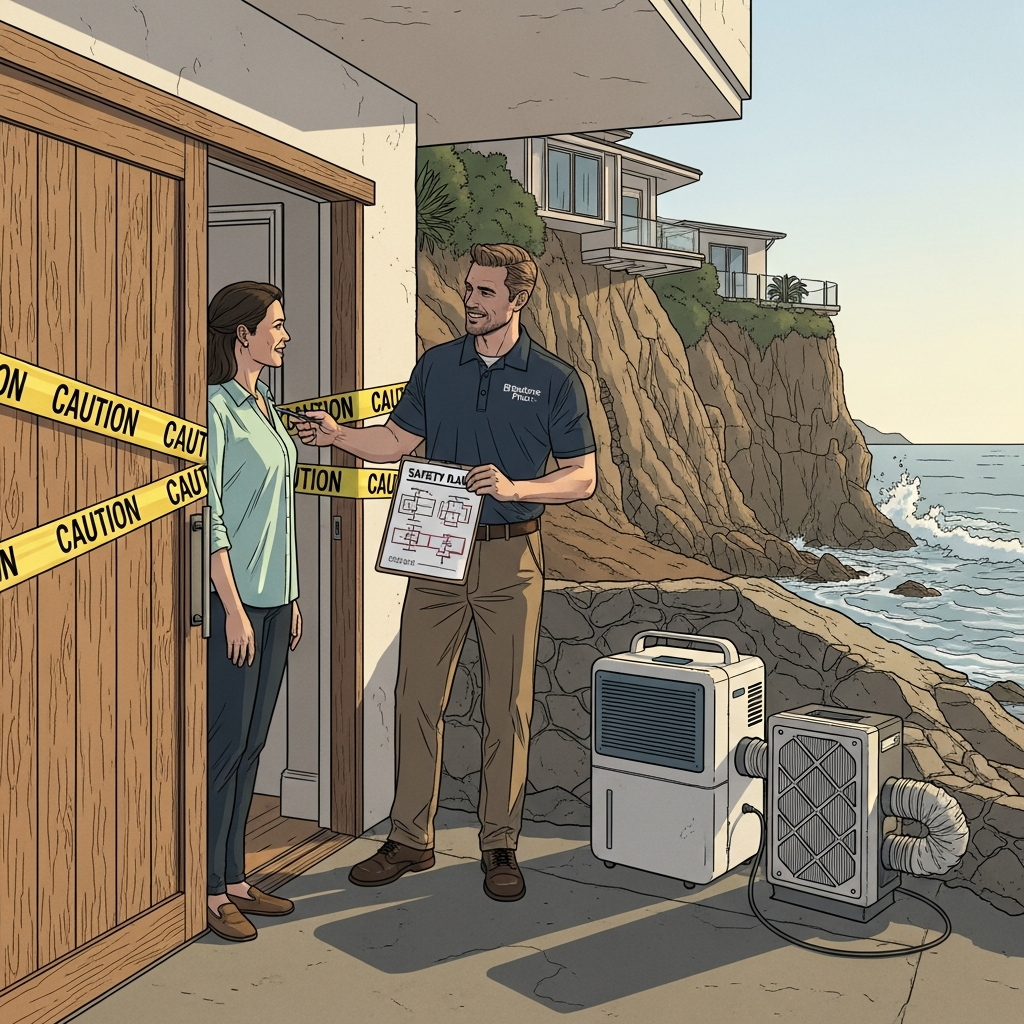
There is also a safety dimension. Fire compromises are not always visible. Timely structural assessment reveals char depth, checks for spalling in concrete, and verifies that connections in hillside framing systems are still reliable. When a property sits on a slope, gravity and moisture work together in ways that demand attention; unchecked leaks can undermine retaining walls or saturate soils where they should remain dry. Quick action does not just save finishes; it safeguards the bones of the house and the stability of the site.
Air Quality: Every Hour Counts
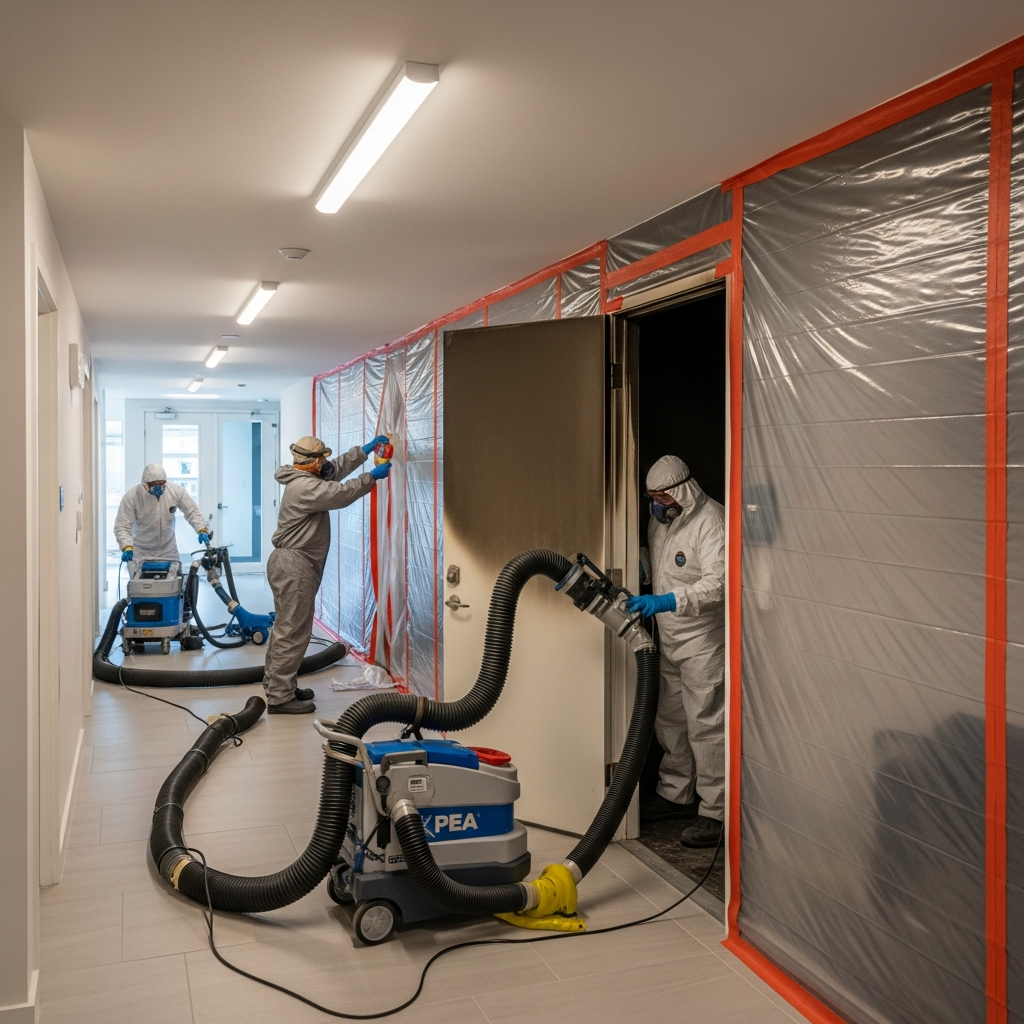
Even after smoke clears, what lingers can irritate lungs and leave a chemical tang in the air. Starting negative air containment and HEPA filtration sooner rather than later brings immediate benefits. Odor is often the first improvement homeowners notice, and that change signals something deeper: the removal of harmful particles. In Malibu, homes that open wide to the breeze are a joy in normal times, but after a fire, cross-breezes can distribute soot to rooms that were untouched by flames. Timely containment seals off zones and prevents the spread, so the problem shrinks instead of grows.
Odor control itself is time-sensitive. The longer residues sit, the more stubborn they become. Combining early surface cleaning, controlled temperature, and deodorization techniques prevents the need for heavier-handed measures later. In other words, doing the right things quickly keeps the process conservative rather than invasive.
Water, Mold, and the Coastal Factor
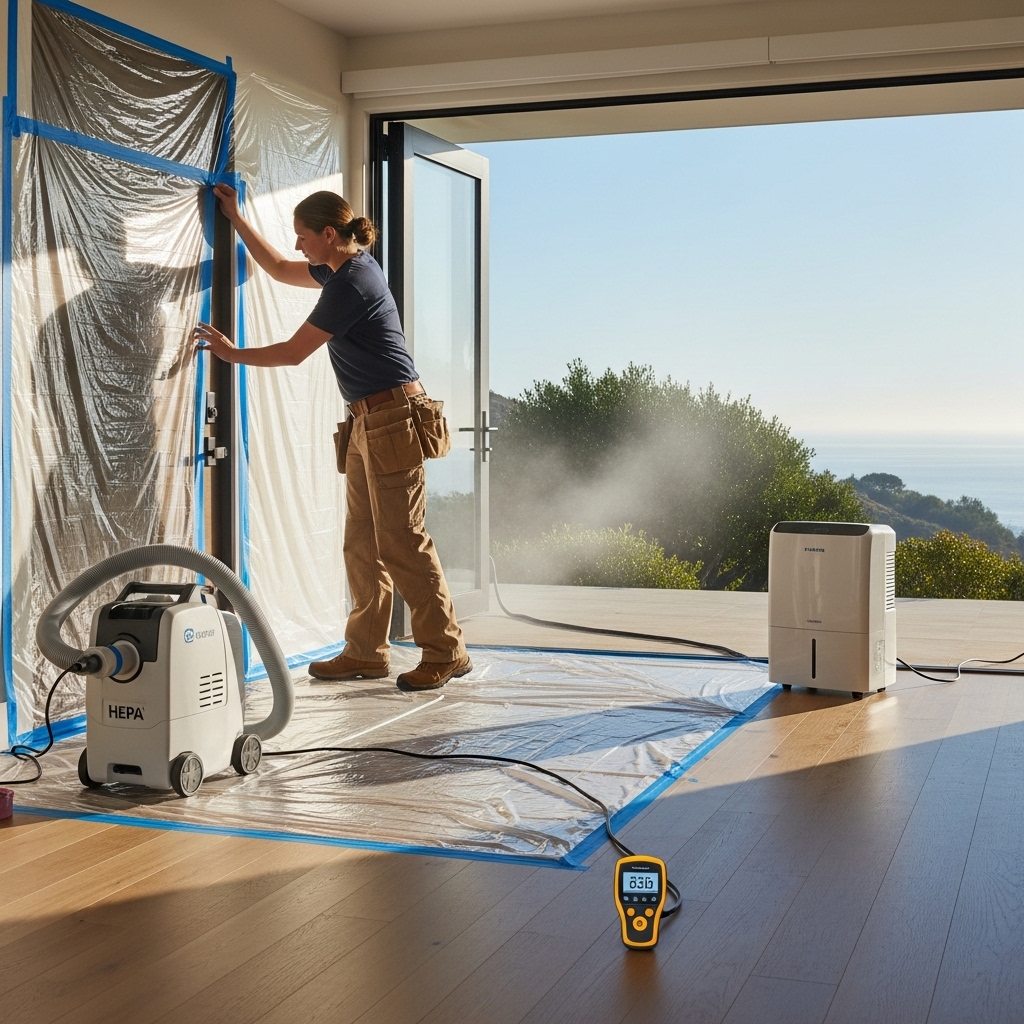
Water damage is the quiet partner of fire damage, especially after suppression. In Malibu’s microclimates, with morning marine layers and afternoon heat, that residual moisture can become a breeding ground for mold with surprising speed. Timely restoration focuses on extraction, targeted demolition where materials cannot be dried in place, and thorough dehumidification. The goal is to return the building to a stable, dry state quickly, which also prepares it for repairs without delay.
Consider how many Malibu homes integrate materials like reclaimed wood, wool area rugs, and natural plaster—materials that look beautiful but are porous. The longer moisture and soot sit within them, the greater the risk of odor persistence and microbial growth. Speed translates into salvageability. Rugs that would have taken on a permanent smoke note can often be saved when cleaned and dried early. Plaster can be sponged and deodorized before staining locks in. Timeliness expands options and keeps more of what you love.
Protecting Systems: Electrical, Mechanical, and HVAC
Behind the walls, your home is a network of systems that react to fire byproducts in different ways. Electrical connections may be sound but coated in conductive soot. HVAC systems can draw smoke deeply into ductwork, while air handlers accumulate residues that keep odors recirculating. A timely inspection and cleaning regime minimizes downtime and keeps you from reintroducing contamination after the visible surfaces are clean. The benefit is twofold: safer operation and a shorter path to a home that truly smells and feels fresh.
In Malibu, where salt air already puts outdoor condensers and metal vents under stress, soot exacerbates the problem. Early cleaning and protective coatings can cut off the corrosive feedback loop. Small steps now—changing filters, cleaning coils, clearing returns—prevent frustrating setbacks later, like odors that seem to appear out of nowhere weeks after you thought the work was done.
Documentation, Insurance, and Momentum
Acting quickly also gives you a documentation advantage. When adjusters and inspectors can see conditions close in time to the event, the cause-and-effect relationship is clear. Photographs of soot patterns, moisture readings from the first day, and a detailed content inventory become the backbone of a claim that moves efficiently. In Malibu, projects often straddle complex permitting environments, especially if exterior repair intersects with coastal or hillside regulations. Establishing a clear timeline of mitigation activities helps separate urgent health-and-safety work—which can proceed—from later repairs that may require permits, keeping the overall process orderly and compliant.
Momentum is a fragile thing after a fire. Delays compound, and decisions pile up. By establishing an early cadence—assessment, stabilization, cleaning, drying—you create a framework that makes subsequent choices easier. Timely restoration is not about rushing; it is about sequencing wisely so every day counts.
Community Considerations in Malibu
Malibu is a community of winding roads, shared canyon access, and neighborhoods that understand the realities of wildfire. Timely restoration respects that context by minimizing job site impact. Dust control, noise management, and clean staging areas matter, both for your peace of mind and for neighbors who are navigating their own recoveries. Quick containment reduces the chance of soot migrating offsite during wind events, a small but meaningful way to be a good steward of your surroundings.
It is also about local trades and suppliers. Acting early allows your project to secure the attention of teams who understand Malibu’s construction styles—from hillside anchoring details to the quirks of older ranch properties near the coast. Skilled professionals book up quickly after a major event. Timeliness in outreach ensures you are not left waiting when it is time to move from mitigation to repair.
Resilience: Turning a Crisis into an Upgrade
One of the hidden benefits of addressing fire damage promptly is the opportunity to rebuild smarter. When you are already opening walls and evaluating systems, you can make targeted improvements that enhance resilience: ember-resistant vents, improved attic insulation that resists smoke absorption, or exterior materials that perform better in coastal conditions. These decisions are easier to integrate when made early, while the project is still flexible. Malibu homeowners often use this moment to align their homes with the way they actually live, whether that means better indoor air strategies or finishes that are more forgiving of sand and salt.
In the middle of the process, when fatigue can set in, it helps to reset focus with dependable guidance. For clarity on best practices and to anchor your plan, resources such as keyword offer a compass you can return to, so decisions stay aligned with your goals and the realities of coastal living.
The Cost of Waiting: A Practical View Without Numbers
Without talking dollars, the cost of waiting shows up in scope and complexity. Surfaces that could have been cleaned need replacing. Systems that could have been serviced require overhaul. Odors that could have been neutralized require encapsulation. These changes do not just extend timelines; they extend the disruption to your life. A timely approach keeps projects smaller, more predictable, and kinder to your routines.
The Emotional Arc of a Timely Recovery
There is a psychological benefit to moving with purpose. Early wins—air that smells cleaner, a room released from containment, a cherished item returned from cleaning—bring relief. They remind you that you are not stuck at the mercy of the event, that your decisions are changing the outcome. Families who engage promptly often report better sleep, clearer communication, and a shared sense of progress, which in turn supports better decisions. Momentum feeds resilience.
FAQ
Q: What should I do first after a fire?
A: Verify safety and obtain clearance to re-enter. Document the scene with photos, avoid disturbing residues, and contact restoration professionals to start stabilization and air filtration. Early communication sets the tone for the entire project.
Q: How quickly can smoke odors be reduced?
A: Significant improvement can often be achieved within days once containment, filtration, and initial cleaning begin. Full odor removal depends on the extent of affected materials and whether HVAC systems are addressed.
Q: Will opening windows help or hurt?
A: It depends. Ventilation can be helpful, but in Malibu, crosswinds may carry soot into clean areas. Controlled containment and filtered air movement are safer approaches early on.
Q: Can I stay in my home during restoration?
A: Sometimes, especially if affected areas can be isolated and air quality managed. A professional assessment will consider health factors, scope, and practicalities like water and power.
Q: How do I know what is salvageable?
A: Trained restorers categorize contents by material, porosity, and exposure. Many items that seem lost can be recovered with the right techniques, but timely evaluation is essential.
Move Forward with Confidence
If you are weighing your next step in Malibu after a fire, choose timeliness guided by expertise. Start with a clear assessment, secure the site, and sequence the work so that each day brings your home closer to normal. When you are ready to partner with professionals who understand the coastline, the canyons, and the way a house breathes here, take your next step with keyword. With urgency and care, you can transition from disruption to renewal faster than you might think.