Every Malibu homeowner knows that time and weather shape our lives here—how the fog rolls in before sunrise, how the sun warms the canyons by midmorning, and how, in certain seasons, a single windy afternoon can change everything. After a fire, the clock matters more than most people realize. Quick, well-sequenced action protects health, preserves structure, and keeps small problems from ballooning into long-term headaches. In this article, I’ll explain why speed is essential and how a timely response, tailored to Malibu’s coastal climate and hillside neighborhoods, makes the difference between a home that truly recovers and one that fights lingering issues for months. If you’re planning ahead or responding now, here’s what timely fire damage restoration in Malibu really entails and why it matters.
Within hours of a fire, soot begins to settle into porous surfaces. The acids in soot can etch metals, cloud glass, and discolor natural stone. Combine that with our salt air and marine moisture, and the reaction speeds up. Faucets, appliances, and electronics that seem fine on day one may start showing signs of corrosion a week later. Early cleaning and neutralization interrupt that process, protecting finishes and preventing early replacement of fixtures and devices. Timely action also keeps particles from migrating into clean rooms, saving time and money down the line.
Water, Humidity, and the Hidden Clock
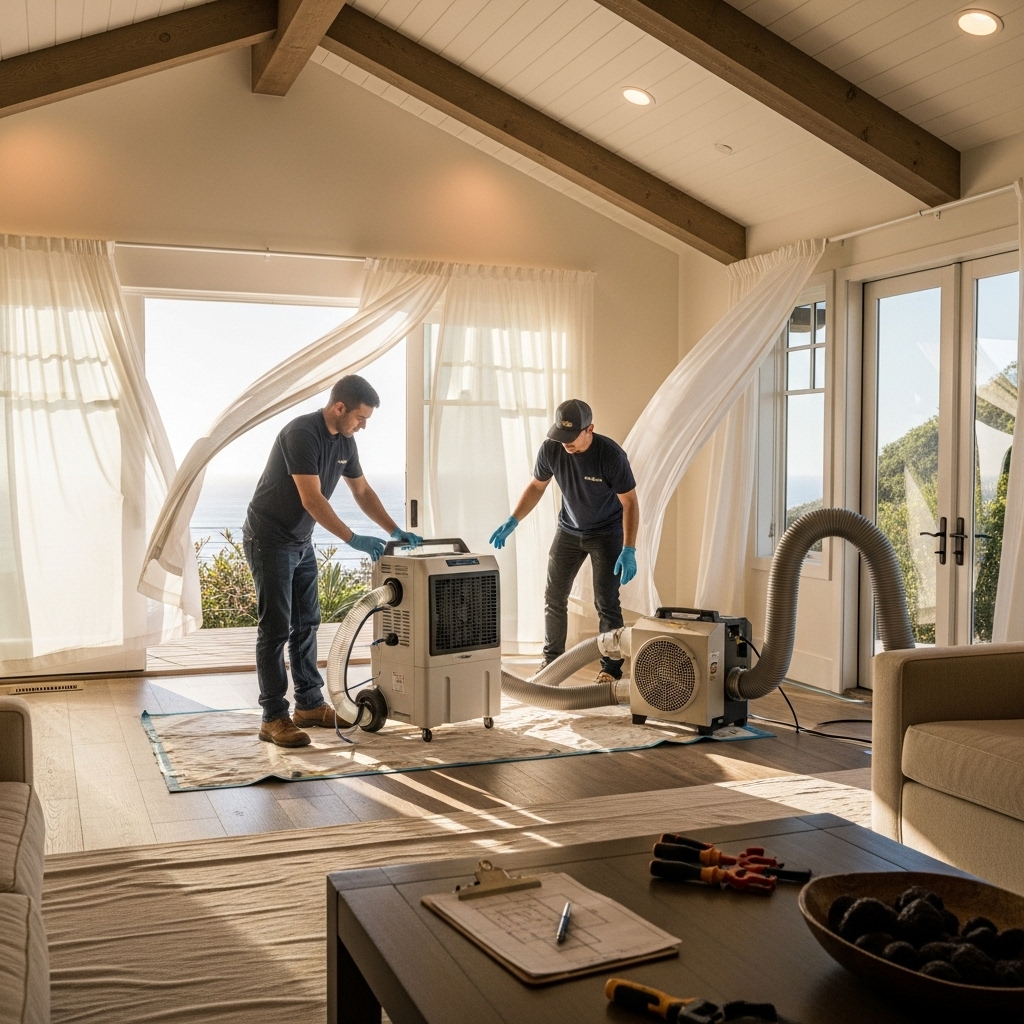
The water used to knock down a fire is a sneaky adversary. It travels under baseboards, across subfloors, and down wall cavities where it can linger long after surfaces look dry. Here in Malibu, cool nights can slow evaporation, while daytime warmth can draw moisture back to the surface. If drying doesn’t start quickly, that cycle feeds microbial growth and traps odors inside materials. Sequenced mitigation—extraction, dehumidification, and targeted air movement—stops the hidden clock that water sets ticking. The sooner those steps begin, the less material removal is required, and the less disruption you’ll face during repairs.
Timeliness isn’t just about gear; it’s about judgment. Experienced local teams know which assemblies to open and which can dry in place, when to preserve custom finishes with gentle methods, and when to remove and replace for certainty. That decisiveness, grounded in diagnostics, is what keeps a project moving toward a fast, healthy recovery rather than a cycle of second guesses.
Indoor Air Quality and Family Health
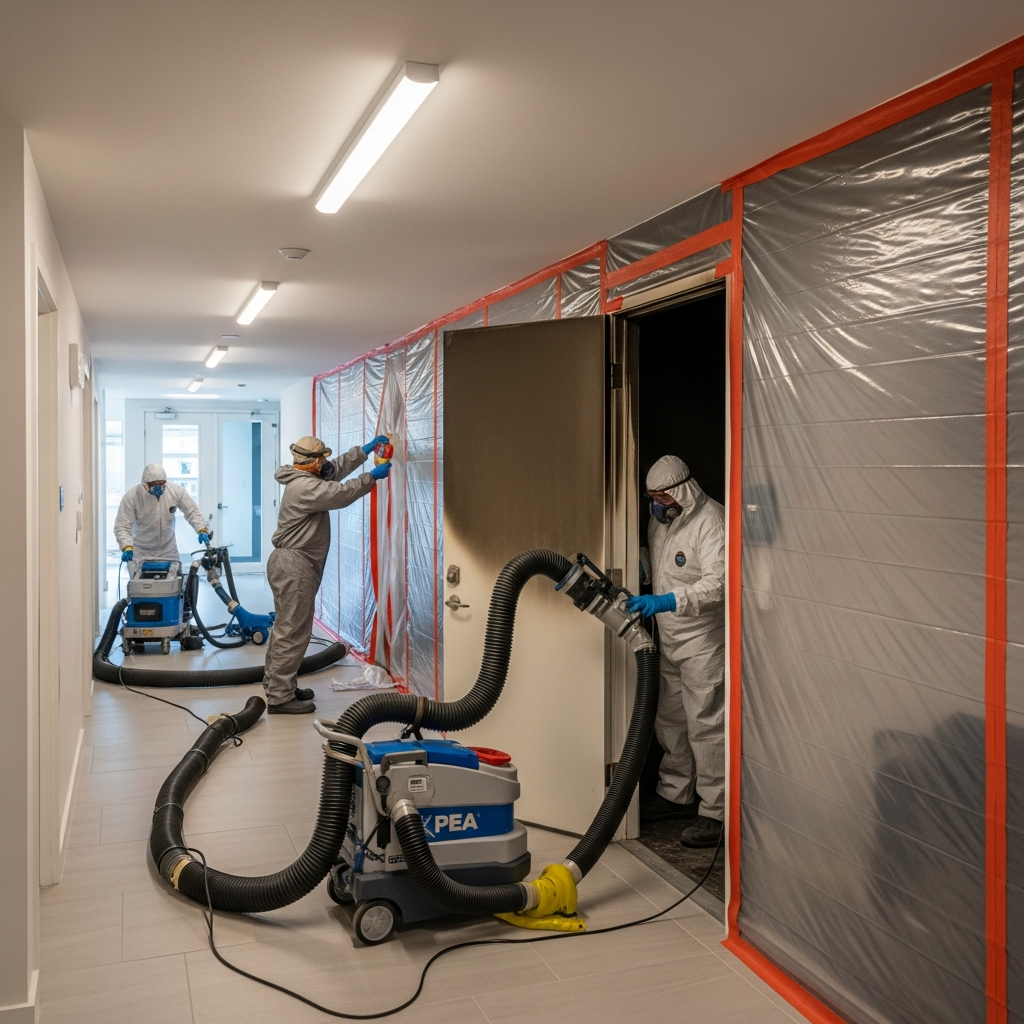
Smoke and soot particles can be microscopic. If they’re not contained and filtered quickly, they spread during the simplest activities—opening a door, switching on a fan, or turning the HVAC back on. In coastal homes where we love to let the breeze in, that tendency can be even stronger. Early containment with proper pressure control and HEPA filtration keeps contaminants corralled. It’s not just a cleanliness issue; it’s about respiratory health for your family and pets. Households with asthma or sensitivities feel the difference between a timely response and a slow one almost immediately.
Odor is the other piece of the air quality puzzle. Smell is emotional; it can trigger stress every time you walk in the door. Addressing odor in the first phase of restoration—by removing sources, cleaning thoroughly, and treating the air appropriately—prevents those impressions from setting in. Waiting weeks often means odors weave deeper into fabrics and finishes, creating a longer, more invasive road back to normal.
Malibu Logistics: Timing Around Winds, Traffic, and Terrain
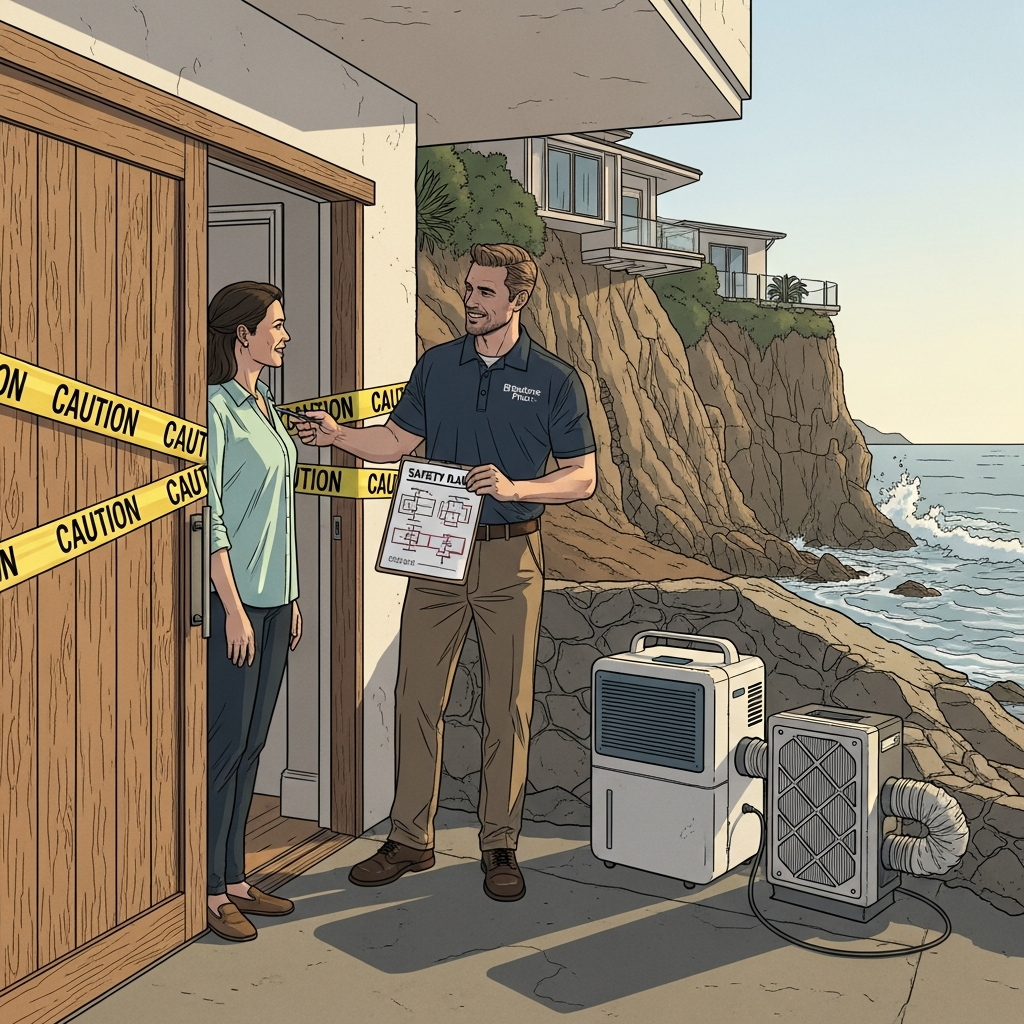
Anyone who lives off PCH or in the canyons knows that timing matters for reasons beyond chemistry. Efficient crews plan around traffic patterns, fire road access, and neighborhood quiet hours. They anticipate Santa Ana wind events that can stir up residues and slow exterior work. They also prepare for hillside runoff after suppression, stabilizing soils or redirecting water so mud and debris don’t complicate the job. When your restoration is timed to these realities, the process feels orderly. When it’s not, days slip by waiting for access or redoing work the wind scattered across a deck or courtyard.
Permitting is another clock to respect. If exterior repairs are needed—roofing, decks, windows—early documentation and submissions keep you from getting stuck in a paperwork bottleneck. Malibu’s review processes are designed to protect the community and environment; aligning with them early is simply smart time management for your project.
Protecting What’s Salvageable
Every hour counts for items you want to keep. Rugs, clothing, books, and artwork absorb smoke quickly, and our coastal humidity can make that absorption more stubborn. Prompt pack-out and specialized cleaning offer the best chance at true restoration. That might mean stabilizing a delicate piece before it moves, cataloging contents for insurance, and tracking them through a chain of custody so nothing is lost or damaged. People are often surprised at what can be saved when action is immediate—and what becomes a permanent reminder of the fire when it’s not.
Electronics tell a similar story. Soot is conductive, and paired with salt air it can cause premature failure. A timely inspection identifies what can be reliably cleaned and what should be replaced, so you’re not dealing with intermittent glitches months later when you’d rather be thinking about family, work, or the waves.
Preventing Secondary Damage
Secondary damage is the quiet budget buster. Streaked marble that needed a gentle early wash ends up needing resurfacing. A hardwood floor that could have dried in place now cups beyond repair. HVAC ducts that would have taken a thorough cleaning become reservoirs of odor because the system was run too soon. Timely restoration heads off these outcomes. In Malibu’s blend of bespoke finishes and ocean climate, that prevention is worth as much as what you visibly repair.
There’s also neighborhood context. Prompt debris containment keeps soot from traveling to nearby properties. Respectful scheduling reduces friction with HOAs and neighbors, which in turn keeps your project moving without unnecessary delays. Restoration is always a technical task, but in Malibu it’s also a community act. Early, thoughtful action signals care for the people living around you.
Clarity With Insurance and Planning
Timeliness makes your claim cleaner. When mitigation data—moisture readings, particulate assessments, photo documentation—begins immediately, there’s a clear picture of what the fire did and what the house needed. That clarity shortens review cycles, allows for more precise scopes, and aligns expectations. You move faster when the story is accurate from day one.
For families, that means better planning. You’ll know sooner whether you can occupy a portion of the home or whether it’s wiser to spend a week away during the heaviest cleaning. You’ll also get early insight into lead times for special materials, which helps you make decisions about finishes without pressure. In short, timeliness lowers stress because it increases certainty about what happens next with your fire damage restoration in Malibu.
Real-World Malibu Scenarios
On a hillside home near Las Flores Canyon, embers charred fascia boards while smoke drifted into the attic through traditional vents. A same-day response meant the team could isolate the attic, remove affected insulation, and begin deodorization before smoke set into rafters. The difference was clear: a week later, neighbors commented on the fresh air in that home compared to others still under tarps, even though the visible damage seemed similar from the street.
Down near Carbon Beach, a smaller kitchen incident triggered the sprinkler system. Water ran under the wide-plank oak floor toward a sunken living room. Rapid extraction and balanced dehumidification saved the floor from cupping. The owners were back in their space quickly, with refinishing rather than replacement. These examples aren’t outliers; they show how a timely plan respects Malibu’s unique architecture and climate.
Emotional Recovery and Routine
Speed matters for the heart as much as for the building. Living with the reminders of a fire—tarps, odors, fans—can keep stress high. A timely restoration compresses that period. It replaces hours of uncertainty with a steady rhythm of progress: assessment, cleaning, drying, verification, and repair. In a community where we value our routines—morning surf checks, school drop-offs, trail runs—that return to normal is priceless.
Children and pets, in particular, benefit when timelines are clear. If temporary housing is needed, setting firm expectations on duration reduces anxiety. If part of the home can be safely occupied, robust containment and air filtration let families keep a sense of place while work proceeds around them.
From Risk to Resilience
A timely response can also be the doorway to resilience. While assemblies are open, you can add ember-resistant vents, improve insulation and air sealing, and consider smarter ventilation strategies to cope with coastal moisture. These improvements cost less and perform better when added during restoration rather than as a future project. You gain not just a clean, safe home today but also better odds in a future wind event.
That’s the deeper reason timely restoration matters: it’s not only about this week’s emergency; it’s about shaping a better baseline for your home’s future. Every hour used well makes the next season simpler and safer.
How Fast Should Restoration Start After a Fire?
Ideally, within the first 24 to 48 hours for stabilization and containment, provided the site is safe. Early steps—securing the structure, extracting water, controlling air movement—pay dividends by limiting secondary damage and preserving salvageable materials.
Can I Open Windows to Air Out the House?
It’s tempting, especially by the ocean, but unplanned ventilation can spread contaminants and introduce moisture that slows drying. Targeted containment and filtration are safer. Pros will ventilate strategically once cleaning and pressure control are in place.
Will My Insurance Be Delayed If I Start Quickly?
No. Insurance carriers expect prompt mitigation to prevent further damage. Thorough documentation started on day one—photos, readings, logs—supports the claim and typically accelerates approvals.
What If There’s Only Smoke Damage and No Flames?
Smoke damage alone can be significant. Soot can etch surfaces, infiltrate insulation, and linger in ductwork. Timely cleaning prevents etching and removes odor sources before they migrate deeper into materials.
How Do Santa Ana Winds Affect Restoration?
Winds influence containment and exterior work. Crews may adjust schedules, add protection to staging areas, and increase filtration. Planning around wind events avoids recontamination and keeps projects on track.
Should I Replace or Clean Electronics and Appliances?
It depends on exposure and condition. Timely inspection identifies items that can be safely cleaned and those that are unreliable after soot and salt exposure. Acting quickly improves outcomes either way.
If you’re facing a recent incident or want a readiness plan tailored to your property, connect with local experts who move fast and communicate clearly. Begin by reviewing trusted options for fire damage restoration in Malibu so your home, health, and routines are protected from day one.