The Stakes Are Real in Malibu
In Malibu, we know how quickly the day can change. One moment there’s sun bouncing off the water; the next, a gusty afternoon drives embers into canyons, and smoke rolls over the ridgelines. When a home is touched by fire, whether it’s a small kitchen flare-up or a wind-driven wildfire, the path back isn’t automatic. It needs intention, coordination, and skill. That is why calling professionals for fire damage restoration in Malibu matters so much. It isn’t about making things look passably clean; it’s about protecting your health, safeguarding your structure, and guiding your household through a complicated process with care.
Across Broad Beach, Serra Retreat, and the neighborhoods tucked into the hills, I’ve seen homes that bounced back quickly and homes that struggled for months. The difference rarely comes down to luck. It’s a function of how promptly stabilization begins, which methods are used, and how well teams understand Malibu’s climate and building styles. Restoration is an essential bridge between emergency response and rebuilding. Leave out that bridge, and you risk compounding damage, prolonged displacement, and a house that never quite feels right again.
Smoke Is Persistent and Opportunistic
Smoke does not respect room boundaries or floor plans. It chases cool spaces, rides HVAC currents, and clings to the very materials we think of as clean—painted walls, plaster, and sealed wood. In Malibu’s marine air, residues can remain tacky longer, which helps them bind to surfaces and foster corrosion. Proper fire restoration matters because it addresses this reality with methodical testing, targeted cleaning, and genuine deodorization rather than cover-ups. By identifying each type of residue—dry soot, oily soot, or protein smoke—teams match the right approach to the right surface, preserving what’s salvageable and replacing what’s not.
Water Damage Is Often the Hidden Battle
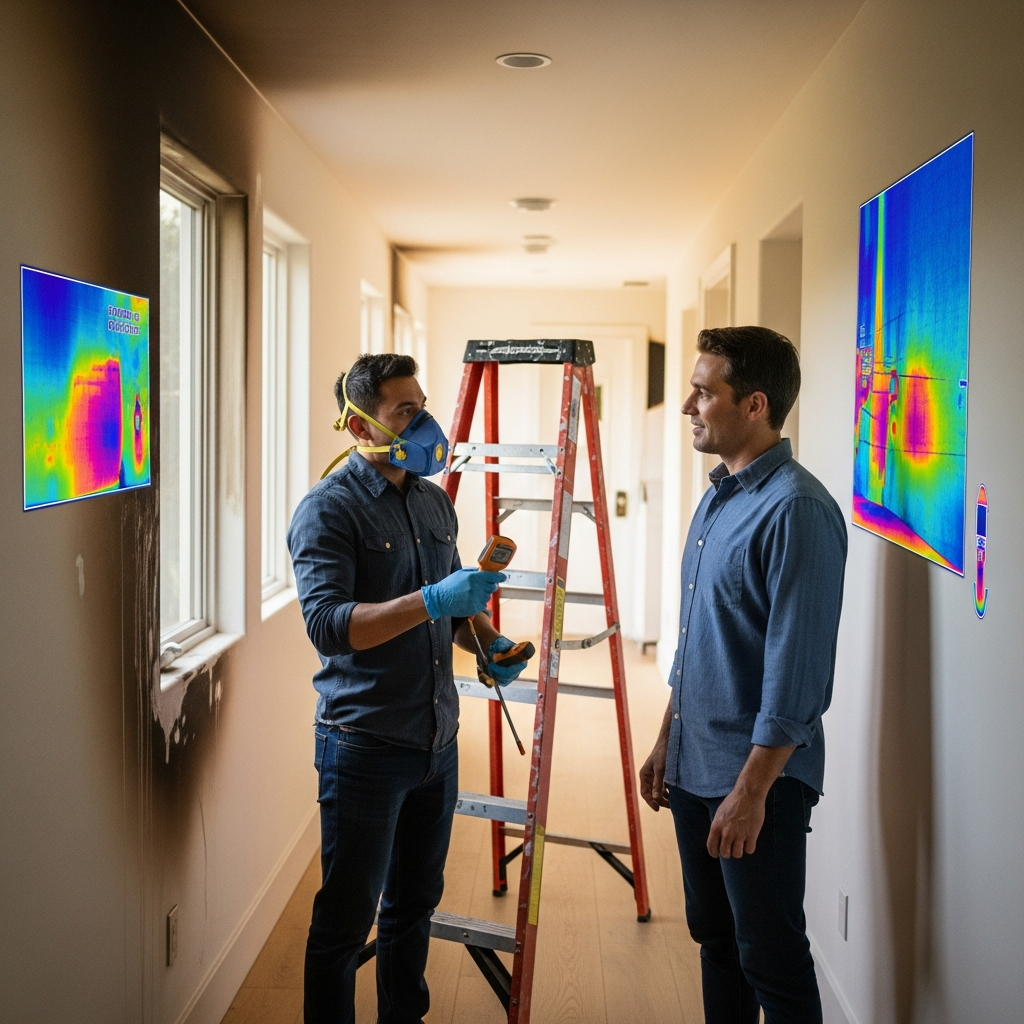
People understandably focus on the sight and smell of smoke, but water is an equal adversary. Fire suppression leaves moisture trapped in floors, cabinetry, and wall cavities. Without professional extraction and drying, that moisture becomes the seed for mold and structural distortion. This is especially true in palisade-facing homes that get cool overnight winds and morning fog—the perfect recipe for slow evaporation. Restoration matters because it sets a measured drying plan, tracks moisture with meters and thermal cameras, and calibrates dehumidification to Malibu’s shifting temperatures. The payoff is a home that regains equilibrium without future surprises.
Air Quality Affects Every Breath You Take
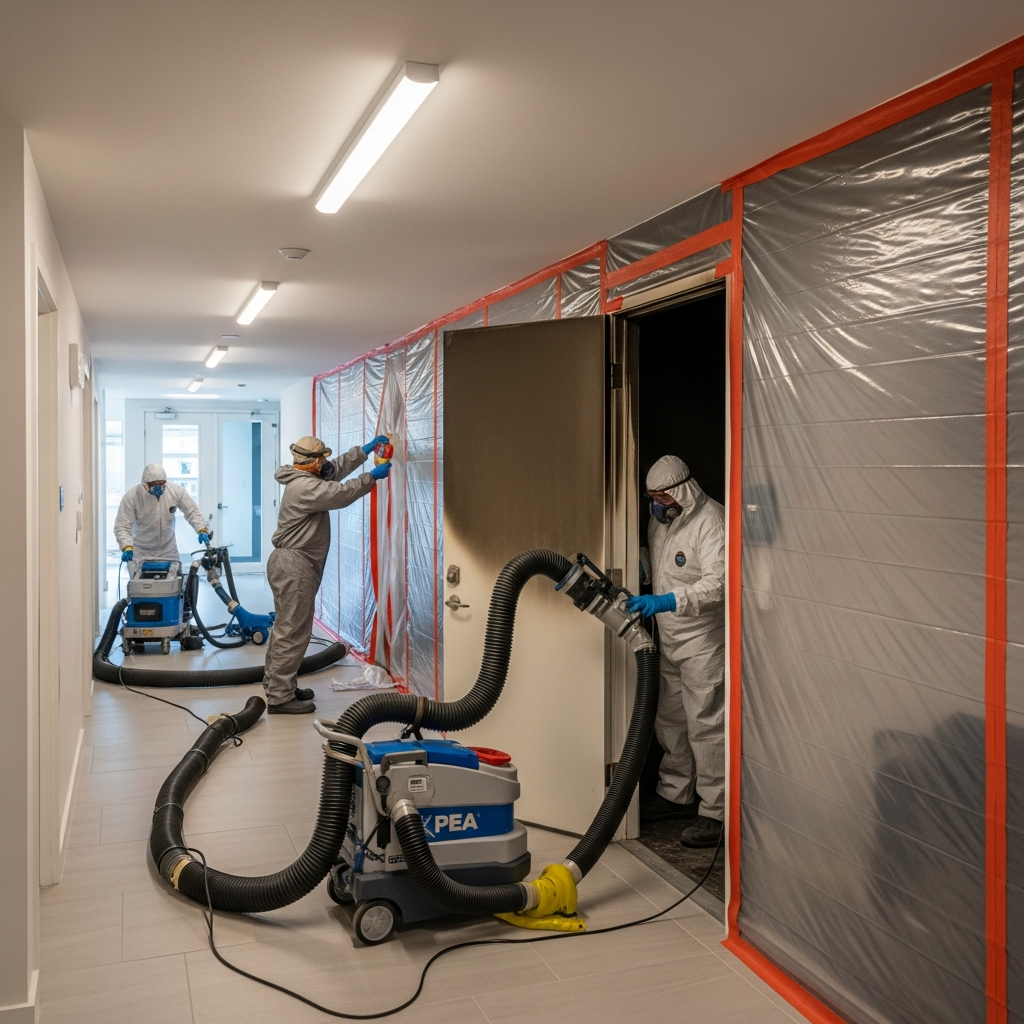
After a fire, the air inside even a seemingly intact room may carry particulate loads far above normal. Children, older adults, and those with allergies feel this most, but everyone benefits from a rapid return to healthy air. Effective restoration uses containment and filtration to capture particulates rather than redistributing them. Hydroxyl and other advanced treatments neutralize stubborn odor molecules instead of masking them. This matters not just for comfort but for long-term wellness, because lingering particulates and volatile compounds can irritate the respiratory system long after the visible cleanup appears done.
Malibu’s Coastal Conditions Change the Playbook
Restoration here isn’t the same as it is inland. Salt air accelerates corrosion on fixtures and electronics. Winds can drive ash into soffits and attic vents. Morning moisture complicates drying. Knowing when to open a structure to the breeze and when to seal it for controlled dehumidification is a local art as much as a science. That’s why Malibu-specific experience matters. It helps teams anticipate where smoke likely traveled, how ember intrusion may have occurred, and which materials typically respond best in our environment. The right calls, made early, can save cabinetry, protect flooring, and keep metal finishes from pitting.
Documentation and Insurance Are a Parallel Emergency
Ask anyone who’s been through a fire: the paperwork can drain your energy as fast as the physical cleanup. Restoration professionals who know Malibu’s processes prepare documentation that speaks the language of adjusters and inspectors. This matters because it shortens approval cycles, secures authorizations for crucial steps like temporary power and demolition, and creates a clear record for future buyers. Good documentation also empowers you; it lays out what was damaged, what was saved, and what was rebuilt, helping you make confident decisions instead of reactive ones.
Protecting What You Love
Homes here aren’t just buildings; they hold surfboards tucked in side yards, guitars that spent evenings by a fire pit, and family pieces that crossed generations. Restoration matters because it doesn’t reduce your home to drywall and tile. It recognizes and protects the meaning inside. Contents specialists use processes suited to your items—ultrasonic baths for jewelry and small metal pieces, textile restoration for rugs and drapery, pH-balanced cleaning for art frames. Even if every item can’t be saved, careful triage and treatment preserve far more than most people expect.
Safety Isn’t a Guessing Game
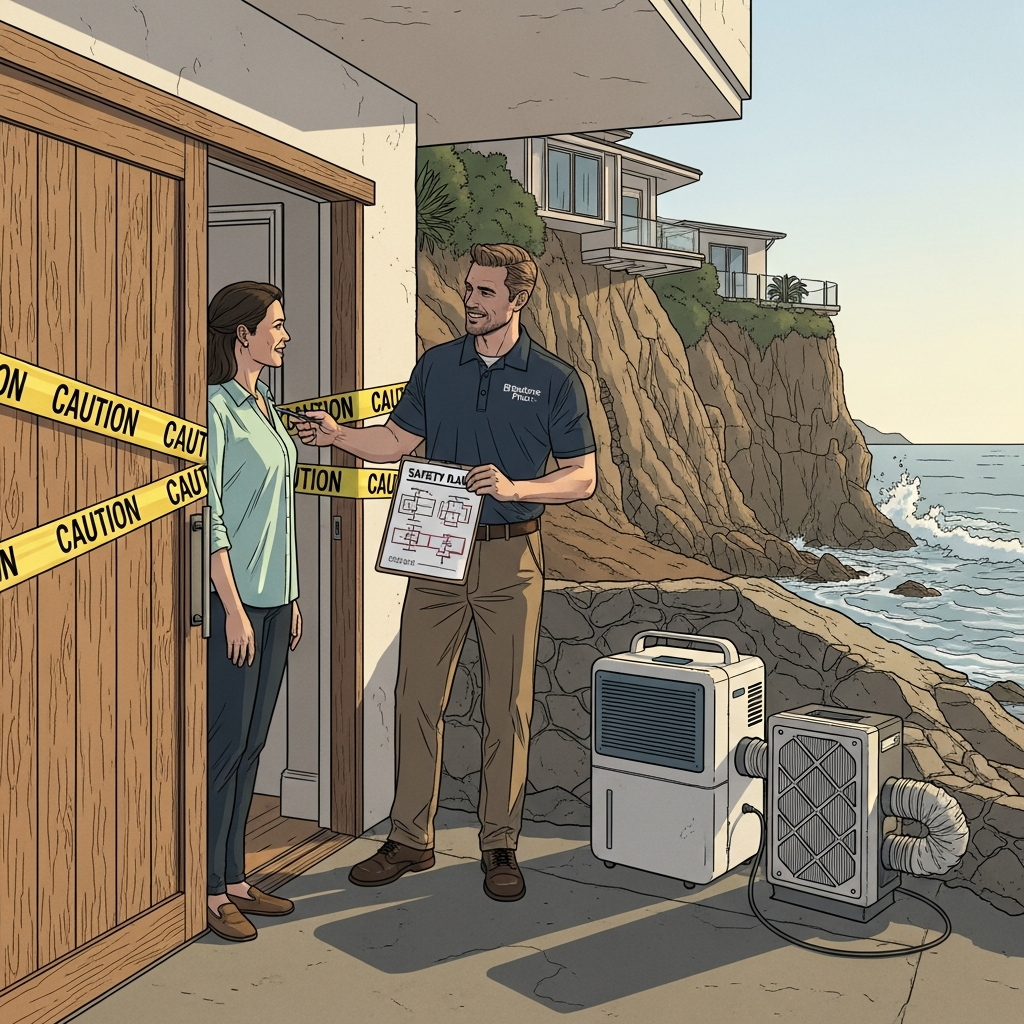
Fire loosens the logic of a house. Electrical runs may be compromised, structural members overheated, and fasteners weakened. A professional assessment identifies these concerns early. Restoration matters because it connects you with the right specialists—engineers, electricians, and plumbers—so the project becomes a coordinated effort rather than a patchwork of guesses. These safety-first choices ripple outward, making every subsequent step more efficient and reliable.
The Ripple Effects of Doing It Right
When restoration is done properly, everything that comes after benefits. Framing stays true, so cabinetry installs square. Indoor air stays neutral, so new textiles don’t absorb old odors. Insurance stays aligned, so there are fewer mid-project stalls. Perhaps most importantly, your sense of home returns more quickly. After a fire, many people describe a strange feeling that things are familiar but not quite theirs. A thorough restoration process helps dissolve that feeling; it gives the house back to you in a real way.
Local Knowledge Makes the Difference
Working in Malibu teaches you to respect the season, watch the wind, and plan for marine layers. It means understanding evacuation patterns and re-entry, the pace of inspections, and the small but important differences between neighborhoods. That local knowledge turns into foresight—choosing materials that resist corrosion, scheduling drying to match weather shifts, and anticipating which vents or roof details may have admitted embers. Restoration matters here because those nuances, multiplied across dozens of decisions, create a better outcome.
Mid-Project Momentum Prevents Drift
Projects rarely stall because of one big issue; they slow down when a dozen small details fall out of sync. Experienced teams keep momentum by setting clear milestones, updating moisture logs, refining odor control, and coordinating contractor handoffs. That discipline matters most in the middle stretch, when the visible chaos of demolition fades but the critical, behind-the-scenes work continues. If you’ve established expert support for Malibu fire damage restoration early, the mid-project phase becomes steady and predictable rather than uncertain.
Real Stories, Real Impact
I remember a home off Latigo that took smoke without open flame. From the entry, you could hardly tell anything was wrong, but the closets smelled like a campfire and the HVAC system spread a faint odor into every room. With containment up and scrubbers running, we traced residues to return chases and attic baffles. Proteins in the kitchen were treated differently than dry soot in the hallway. By week’s end, the house didn’t carry that ghostly reminder of the event. Months later, with winter heat on, the air remained clean. That is why restoration matters—because small, smart steps early keep problems from echoing through the seasons.
The Long View: Value and Peace of Mind
Serious buyers and insurers know the difference between surface cleaning and true restoration. A well-documented, thoroughly treated home earns trust. Years later, when you sell or refinance, the clarity of your records and the quality of your environment help tell a story of care, not crisis. And for you, the homeowner, peace of mind isn’t a slogan; it’s the easy breath you take when marine fog rolls in and your house simply smells like a clean house, not a memory you’d rather forget.
Frequently Asked Questions
Why can’t I just air out the house and clean it myself?
Opening windows helps, but it doesn’t remove embedded residues or treat hidden moisture. DIY efforts can push soot deeper into surfaces and allow odors to return, especially when Malibu’s humidity rises. Professional restoration isolates contamination, removes it safely, and stabilizes the structure so you’re not fighting recurring problems.
What happens during the first 48 hours of restoration?
Teams secure the property, set containment, start air filtration, and extract water. They perform moisture mapping and initial cleaning of high-touch areas, then plan targeted demolition if necessary. These steps stop secondary damage, improve air quality, and lay a roadmap for thorough deodorization and repair.
Is deodorization safe for families and pets?
Modern methods target odor molecules without heavy fragrances. With proper equipment placement and ventilation, treatments are safe and effective. Crews will discuss timing, access, and any temporary relocations to ensure comfort for you and your animals during the most intensive phases.
How does Malibu’s salt air affect restoration?
Salt accelerates corrosion on metals and electronics. Restoration accounts for this by prioritizing corrosion control, neutralizing acidic residues, and evaluating sensitive items before they are powered up. This approach protects finishes and extends the life of appliances and devices impacted by smoke.
Will everything damaged be replaced?
Not necessarily. The goal is to save what can be saved safely and effectively, and to replace what cannot. Careful testing and cleaning often preserve more than you expect, especially contents and lightly affected finishes. Replacement focuses on materials that are structurally compromised or cannot be fully deodorized.
How long before my home feels normal again?
Some improvements—like cleaner air—are felt within hours or days. The full journey depends on the scope of damage and permitting. With a coordinated plan, most Malibu homes move from chaos to comfort in weeks to a few months, with steady progress you can see and breathe along the way.
What should I do with my HVAC system after smoke exposure?
Leave it off until professionals evaluate and clean it. Filters should be replaced, coils and housings inspected, and ducts cleaned as appropriate. Turning systems on too soon can redistribute soot and odors throughout your home.
Take the Confident Next Step
Your home deserves a restoration that respects Malibu’s environment, your family’s health, and the value of what you’ve built. Partner with proven local experts for fire damage restoration in Malibu, and turn a difficult moment into a well-managed return to normal life.