The first hours after a fire in Malibu can feel unreal. The air still holds a faint, sharp scent of smoke even when the flames are long gone, and the breeze off the Pacific seems to push remnants of ash into every corner. Neighbors check in on each other along the canyon roads, and the sunset glows hazy above the bluffs. In those moments, what you need most is clarity, a grounded plan, and a trustworthy, local voice guiding you through what happens next. That is where reliable, nearby fire restoration expertise makes all the difference, helping you protect your property, your health, and your peace of mind.
When we talk about reliable help, we are talking about experience earned through our area’s unique conditions: coastal humidity, seasonal Santa Ana winds, winding canyon access, and hillside construction that spans from Point Dume to Latigo and up into the Santa Monica Mountains. A team that understands these realities knows the right sequence for securing structures, cleaning soot properly, and restoring indoor air quality safely. If you are just beginning to look for support, start by learning what professional fire damage restoration really means in a Malibu context—what happens first, what to expect, and how to move from chaos to a plan.
Understanding Malibu’s Fire Landscape
Malibu’s landscape is breathtaking and complex. Chaparral and canyon microclimates dry quickly during wind events, and embers can travel long distances. Even properties that do not burn can take on heavy smoke, soot, and pressurized ash. Homes near the coast can confront an unusual combination: salt-laden air that already encourages corrosion, plus acidic soot that accelerates metal pitting and stains porous materials. Trusted local restoration teams anticipate these details from the start, which helps reduce secondary damage and improve the odds of salvaging furnishings, textiles, and sensitive electronics.
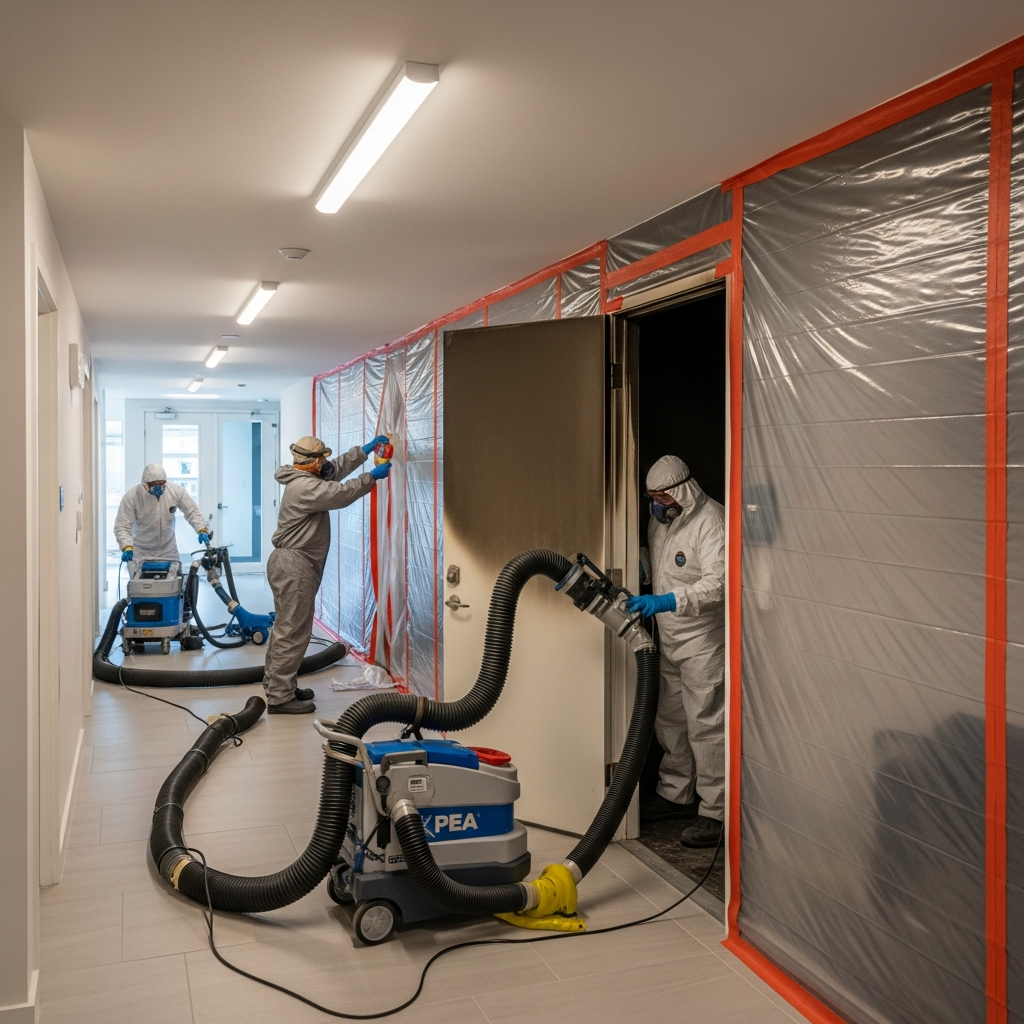
Beyond the environmental factors, access matters. Some neighborhoods are served by narrow roads with limited turnarounds, and utilities may be interrupted for inspection. A local crew used to working with Malibu’s terrain can stage equipment efficiently, coordinate with inspectors, and set up containment and negative air pressure without delay. That agility in the first 24 to 48 hours can determine how much of your structure and belongings can be saved.
What Trusted Restoration Looks Like, Step by Step
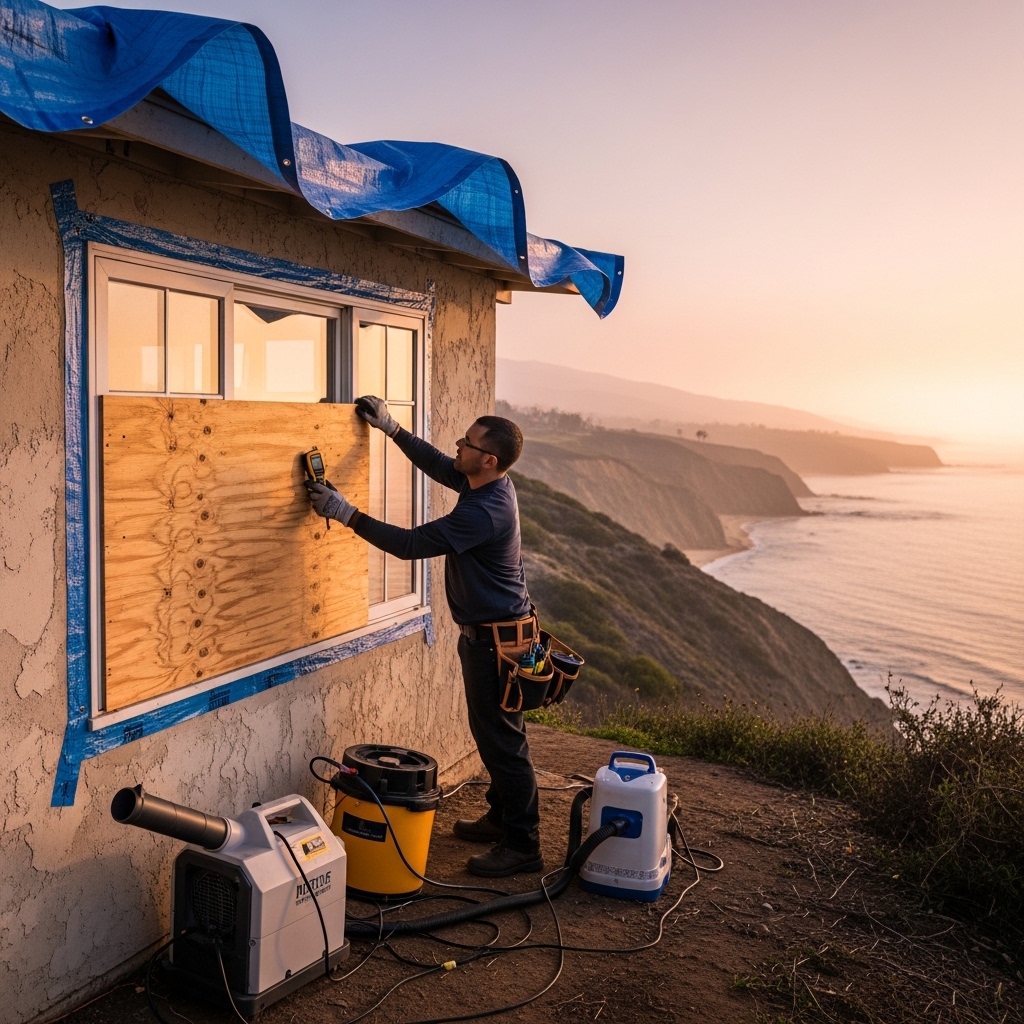
Once it is safe to enter, the first priority is stabilizing the property. That often means board-up and roof tarping to keep out weather and unwelcome intrusion. Water used to fight the fire is extracted to prevent mold, and damp materials are dried with controlled airflow and dehumidification. Then the soot work begins—careful, methodical, and material-specific. Dry soot on hard, nonporous surfaces may be removed with HEPA vacuuming and specialized sponges. Wet or greasy residues, common in kitchen fires, often require targeted detergents and pH-balanced solutions. Upholstery, drapery, and rugs are evaluated for deodorization and cleaning in-plant or on-site.
Odor removal is not an afterthought; it is a science. Odors lodge in porous materials and air pathways. Technicians may combine thermal fogging, ozone in controlled conditions, hydroxyl treatment, and open-time sealers to reduce vapor transmission. The HVAC system is a critical pathway in Malibu homes; supply and return ducts are inspected, cleaned, and filters are replaced with higher MERV ratings during restoration. The goal is not to cover odors but to remove their sources and stabilize surfaces so they do not “ghost” back during warm, humid days.
Working Smoothly with Insurance and Documentation
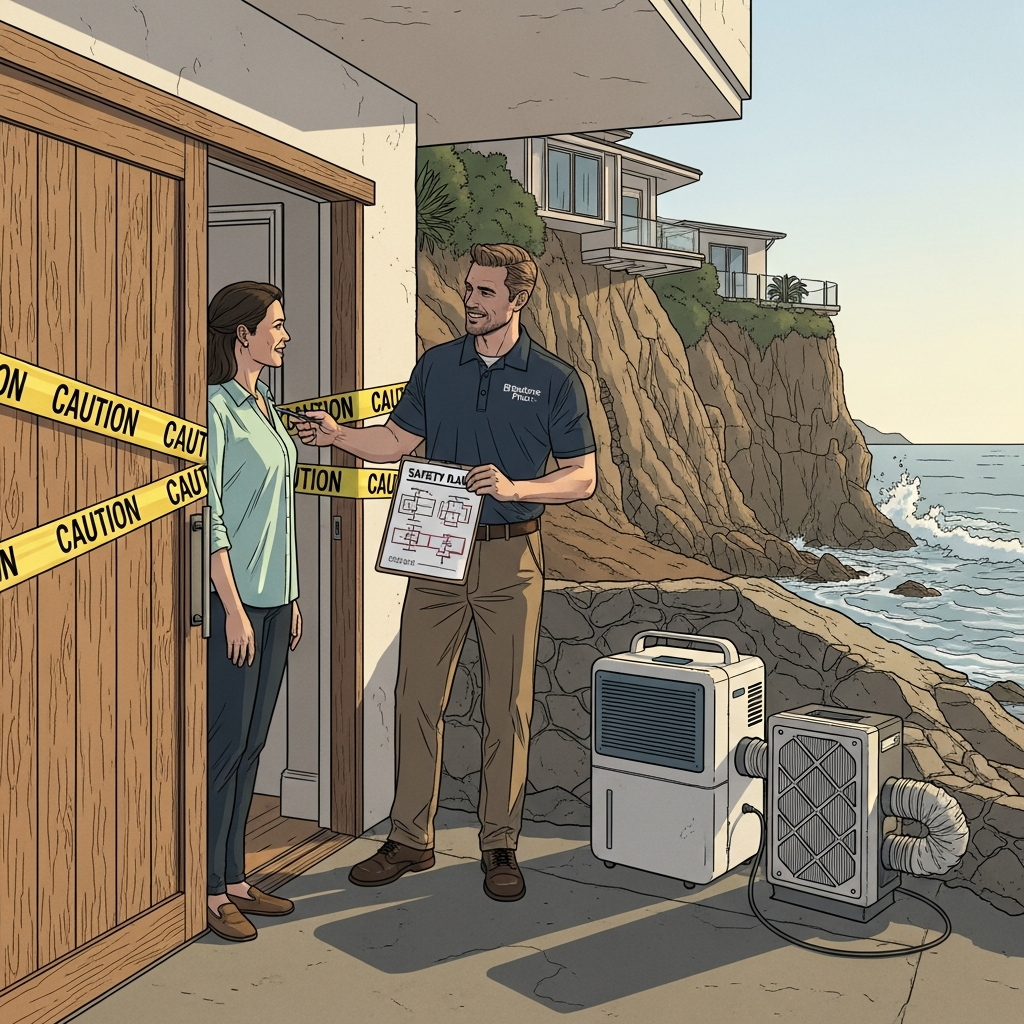
Trust also shows up in documentation. Photographs of conditions, moisture readings, inventory of salvageable versus non-salvageable contents, and a detailed scope of work all help you communicate with your carrier and your adjuster. A local team that knows how to speak the language of carriers can share clear estimates and progress updates without losing sight of your priorities. Transparency here saves time and frustration, and it can help ensure items with sentimental value are identified early for priority cleaning or safe pack-out.
The Health and Safety Layer
When people talk about soot, they often focus on appearance—black film on counters or a gray haze on windowsills. But the real concern is microscopic. Soot particles can be smaller than a red blood cell, and they settle everywhere. During the first walkthrough, professionals address safety by isolating impacted zones, establishing negative air pressure when needed, and using HEPA filtration to capture fine particles. This protects those working inside and anyone who needs to be in the home, especially children, older adults, and people with respiratory sensitivities. A thorough plan keeps safety front and center from day one through the final polish.
Why Local Experience Matters
There is no substitute for a team that knows how Malibu breathes. Ocean fog in the early morning can change drying strategies. Afternoon winds can push fine ash into attic vents. Even local birds and wildlife can interfere with open structures after a fire. Teams accustomed to these variables anticipate them in the initial plan and return visits. This reduces rework and helps your home feel like itself again sooner. Midway through the job, seasoned professionals will often reassess conditions and adjust the sequence of cleaning, sealing, and finishes, especially if the weather shifts or new hidden soot is discovered while removing cabinets or opening chases—part of being nimble and thorough.
At this midpoint, it is also a good time to check your own understanding. Do you know which rooms are complete, which are in progress, and what approvals are pending? Are there heirlooms that could benefit from specialized textile or art restoration? If you are still exploring options for additional help, revisit what comprehensive fire damage restoration entails so you can coordinate confidently with everyone involved.
Restoring the Feel of Home
Cleanup is only part of the story. Home feels like home when the light is right, the breeze smells clean, and your favorite spaces are comfortable again. That means paying attention to small details: neutralizing odors in closets where wool coats were stored, cleaning inside drawer tracks, replacing smoke-stained weatherstripping, and confirming the attic insulation is addressed if it captured soot. It also means taking time with finishes so new paint and sealers cure in proper humidity ranges; rushing this step can trap smells or lead to visual inconsistencies later.
Preparing for the Next Season
One mark of a trusted restoration is what happens after the last tool leaves. A debrief can cover maintenance tips specific to Malibu’s microclimates: how to change filters during the first months, when to have your ducts rechecked, and how to inspect vulnerable points before Santa Ana wind season. Your experience can inform small improvements—sealed attic bypasses, ember-resistant vents, or defensible space around the property—to reduce future risk and improve indoor air resilience if smoke travels through the area again.
FAQs
How quickly should restoration start after a fire?
As soon as authorities deem the property safe to enter, initial stabilization should begin. The first 24 to 48 hours are critical for boarding up openings, extracting water, and beginning soot mitigation to prevent etching, corrosion, and odor setting.
Can the smoke smell really be removed?
Yes, when odor sources are identified and treated systematically. That includes cleaning or removing affected materials, treating air pathways, and sealing where appropriate. Simply masking odors fails in Malibu’s fluctuating humidity; a professional process targets the root causes.
Is it safe to stay in the home during restoration?
It depends on the extent of damage and the ability to isolate work zones. With proper containment and HEPA filtration, limited occupancy may be possible, but vulnerable individuals are often better off elsewhere until heavy cleaning is complete.
What personal items are most likely to be saved?
Hard, nonporous items clean up well, as do many metal objects if treated early to prevent corrosion. Textiles and upholstery can often be restored, especially when addressed quickly. Items with heavy soot or char may be non-salvageable for safety and health reasons.
How do Malibu’s winds affect restoration?
Winds can reintroduce ash and change drying conditions. A local team plans containment carefully, schedules tasks to minimize recontamination, and monitors humidity and airflow to keep progress steady despite shifting weather.
What about electronics exposed to smoke?
Soot can be conductive and corrosive. Power should remain off until devices are inspected. Many electronics can be evaluated by specialists who assess residue levels and corrosion risk before cleaning and testing.
Final Steps and How to Move Forward
Reclaiming your home after a fire is about more than materials—it is about restoring calm. If you are ready to take the next step, connect with a Malibu-savvy team that treats safety, documentation, and craftsmanship with equal care. For guidance, planning, and hands-on help, reach out for professional fire damage restoration today so your home can breathe easy again.