In Malibu, where ocean air drifts through open windows and canyon breezes carry scents from ridge to shoreline, smoke behaves differently than most people expect. After a fire, many homeowners focus on the room where flames were visible, yet the true challenge is often the invisible spread of residue and odor far beyond the burn area. Restoring a home here means understanding how humidity, salt aerosols, and daily wind patterns interact with smoke and soot, and responding with techniques tailored to each surface and space. If you are searching for trusted, local expertise, it helps to start with professionals who specialize in fire damage restoration in Malibu and understand how to bring your home back to a clean, safe, and comfortable condition.
Smoke damage is a chemistry problem as much as it is a cleaning task. The residues left behind depend on what burned, how hot it burned, and how oxygen moved during the event. A small protein fire in a Malibu kitchen — perhaps a forgotten pan or an overheated oven — can leave a nearly invisible film that clings to cabinets and ceilings, creating persistent odor even after casual wiping. A higher heat structural fire can deposit dry, powdery soot in some areas and sticky, wet soot in others. Each of these residues reacts differently to cleaning agents, and using the wrong method can lock stains in place or push contamination deeper into porous materials.
How Smoke Travels in Malibu Homes
Architectural style affects smoke behavior. Many Malibu homes open to the outdoors with large sliders, clerestory windows, and vaulted ceilings. During a fire event, warm air currents carry smoke upward and outward, into lofts, behind crown molding, and through tiny gaps around fixtures. Once the heat subsides, cooler marine air pulls particulates toward cold surfaces like windows, mirrors, and stone counters where they condense. In canyon homes, nighttime temperature drops and morning sun cause pressure changes that move air through building cavities, drawing smoke deeper into walls and floors if not addressed quickly.
The coastline adds another twist: salt in the air accelerates corrosion when combined with acidic soot. That means metal fixtures, appliances, and electronics are at higher risk of damage here than in inland communities. Even if the fire affected a single room, leaving windows open afterward may unintentionally set residues more firmly as humidity rises and falls. A methodical, locally informed plan keeps these factors in check.
First Priorities After the Fire
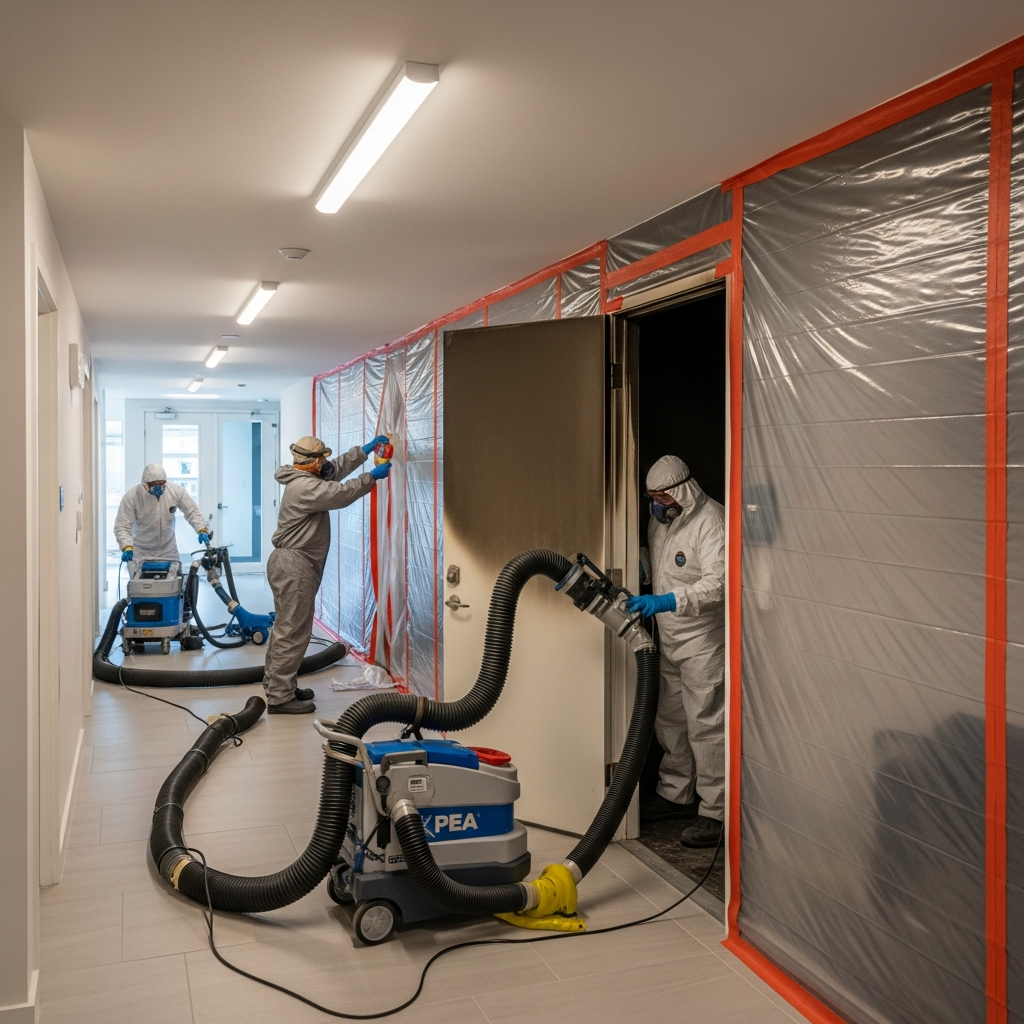
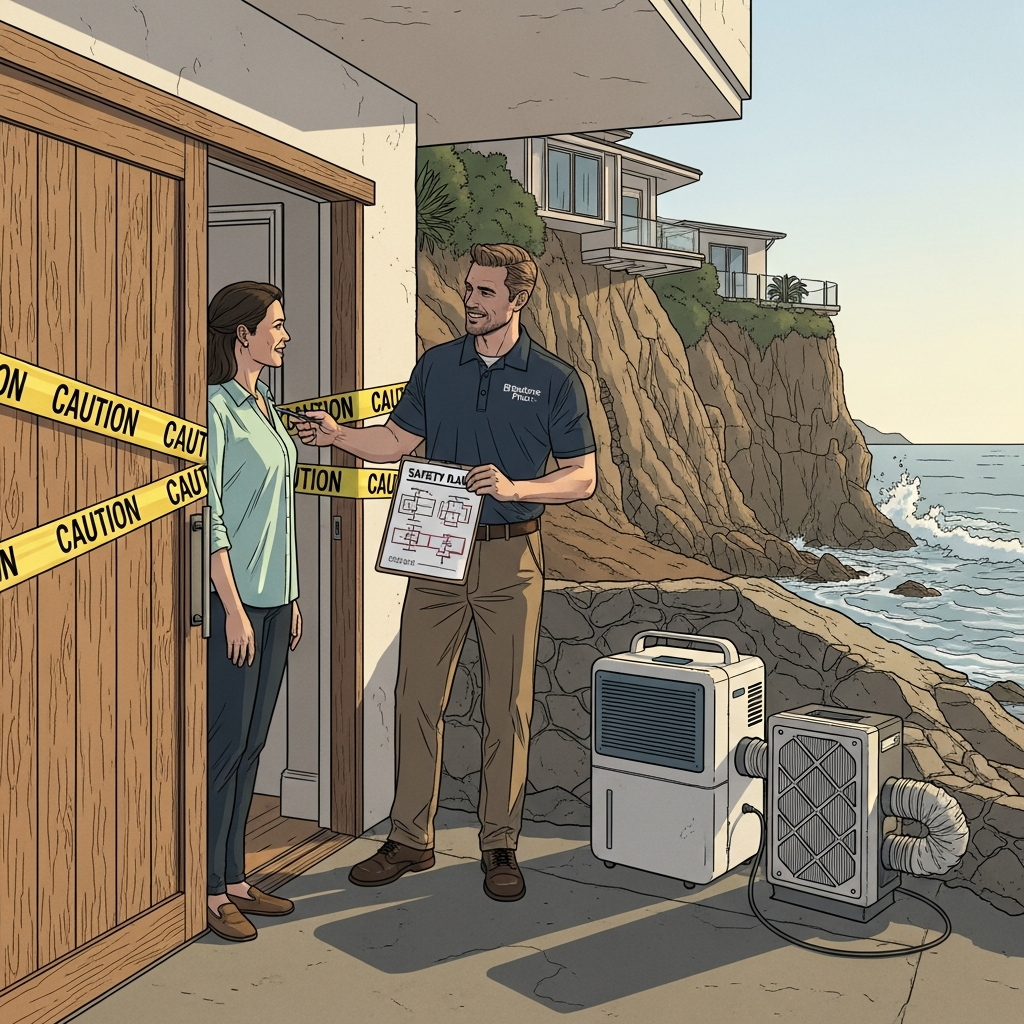
Safety is the first priority. Once authorities deem the property safe to enter, the focus shifts to preventing further harm. HVAC systems should be turned off to keep contaminated air from circulating. Windows may or may not be opened depending on conditions; a professional assessment weighs humidity and wind direction to avoid drawing in marine moisture that can bond with soot. Early steps also include setting up filtration, isolating affected areas with containment, and beginning moisture control if water was used to extinguish the fire.
Documentation starts immediately. Photographs, residue tests, and odor mapping inform the restoration plan and support insurance coordination. Because smoke can cross open-plan spaces, an inspection extends well beyond the obvious zones. Storage areas, closets, and attics often hide residues that later reveal themselves as lingering odors. In Malibu’s coastal environment, it is common to evaluate exterior spaces too — covered decks, outdoor kitchens, and garages can trap smoke even if the main house looks relatively clear.
Understanding Residues: Protein, Dry, and Wet Soot
Protein residues from cooking fires are among the trickiest to remove. They form thin, hard-to-see films that continue to release odor until thoroughly cleaned and deodorized. Dry soot occurs in hotter, more oxygen-rich fires and tends to be powdery, which sounds helpful until you realize that a casual wipe can smear it into drywall or paint. Wet soot, by contrast, is sticky and heavily odorous, often the result of lower-oxygen, smoldering conditions. Each demands a tailored approach, guided by testing rather than guesswork.
A trained team begins by identifying residue types room by room and surface by surface. Non-porous materials like glass or glazed tile call for gentler abrasives and solutions that break bonds without scratching. Porous materials — unfinished wood, fabric, and certain stones — require controlled methods that lift contamination without driving it deeper. Malibu homes often feature natural finishes and specialty woods that benefit from careful, progressive cleaning to respect both appearance and longevity.
Protecting Indoor Air Quality
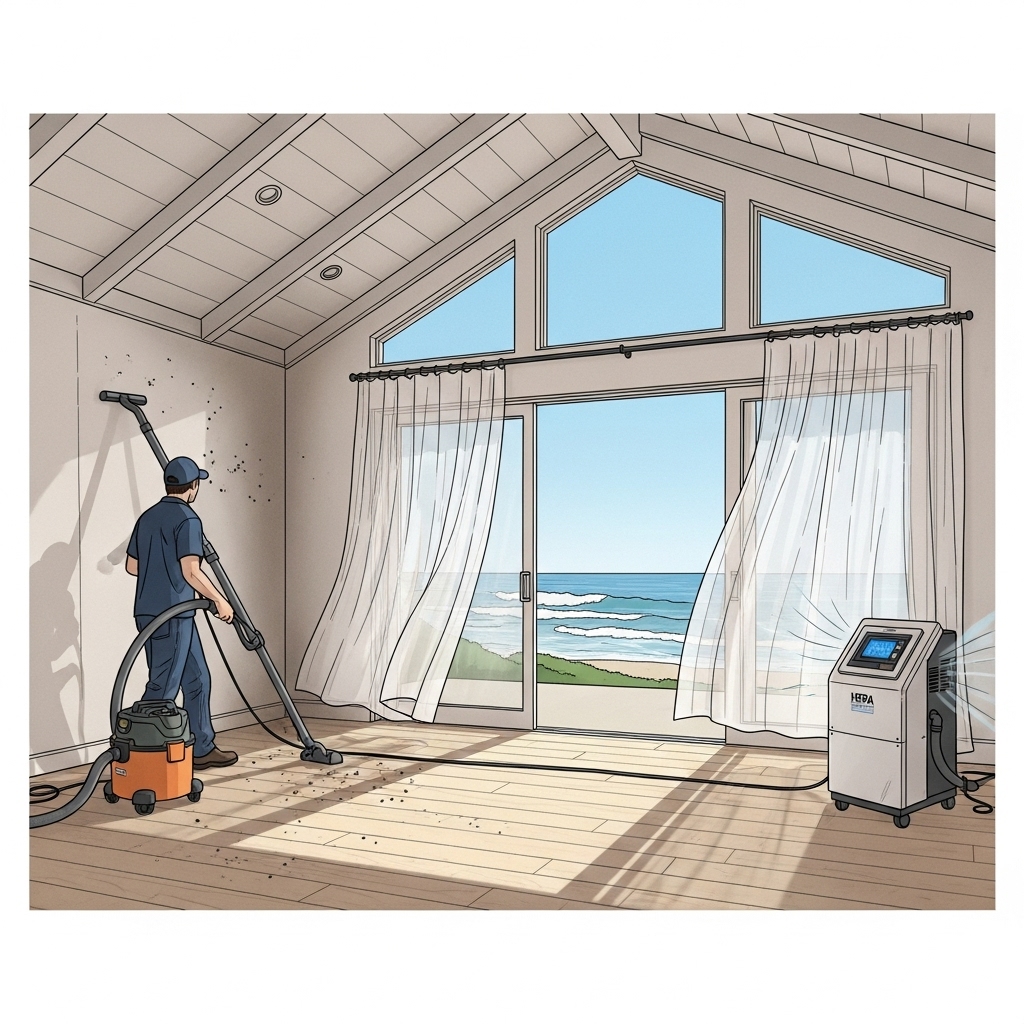
Many homeowners notice that smoke odor seems to “breathe” back into rooms after they think cleaning is complete. That is because odor molecules can remain trapped in soft goods and building cavities, and because air systems can recirculate contaminated air if not treated. The strategy for clean air combines physical removal of residues, filtration to capture airborne particles, and targeted deodorization that neutralizes odor rather than masking it. In homes where windows are usually open to ocean breezes, it is essential to reestablish clean indoor air before returning to those habits, or you risk re-depositing odors on new surfaces.
HVAC systems are particularly important. Even if the unit was off during the fire, smoke can migrate into ductwork through return vents and tiny air leaks. Cleaning, sealing, and filter replacement are standard steps, followed by careful restart protocols to ensure that fresh air is circulating without reintroducing contaminants. Coastal corrosion risks are considered too; components that were marginal before the event may warrant replacement to avoid failure after exposure to soot and moisture.
Contents: What to Clean, What to Move, and What to Restore
Belongings tell the story of a home, and deciding how to handle them often feels like the most personal part of restoration. The typical plan begins with inventory and triage: items that clearly survived without smoke infiltration may be cleaned on site, while those with deeper contamination are packed and moved to a controlled environment for specialized treatment. Textiles, rugs, and upholstered furniture can harbor odor long after surfaces look clean; they benefit from advanced cleaning processes designed to capture and neutralize odor molecules effectively.
Artwork, musical instruments, and electronics are common in Malibu households and require specialized handling. Soot is acidic, and in our salty air its corrosive effects can accelerate. Prompt attention often makes the difference between successful restoration and irreversible damage. Clear communication about sentimental items also guides priorities — a child’s favorite toy, a family heirloom, or a surfboard collection might earn early attention not only for practical reasons but for the comfort their return brings.
Deodorization That Works
True deodorization follows source removal and surface cleaning; it is not a substitute for them. Once charred materials and residues are handled, technicians implement advanced deodorization tailored to the home’s layout and materials. The objective is to neutralize remaining odor molecules and confirm results with real-world testing. Walking through with the homeowner is part of the process — noses are precise instruments, and your sense of home’s familiar scent matters. Malibu’s open spaces and high ceilings require thoughtful circulation planning during these steps so that treatments reach all affected zones without missing the tucked-away corners that can harbor reminders of the fire.
In larger homes or properties with guest houses and outbuildings, sequencing becomes crucial. One building may be fully cleaned and deodorized first to provide a comfortable living space while work continues elsewhere. This phased approach reduces disruption and allows children, pets, or work-from-home schedules to continue with as little interruption as possible.
The Role of Local Knowledge
Local knowledge shortens timelines and improves outcomes. Familiarity with Malibu’s building styles and materials means fewer surprises: raw concrete floors in a modern home, cedar ceilings in an older canyon retreat, or reclaimed wood walls in a beachfront bungalow each respond differently to smoke cleaning. Knowledge of city protocols smooths coordination when temporary power is needed or when debris removal requires special handling. Even understanding marine layer patterns helps decide when to ventilate and when to rely solely on mechanical filtration.
Communication with neighbors matters too. Smoke cleaning can involve equipment and vehicles, and in narrow canyon roads or gated communities, planning for access and quiet hours goes a long way toward maintaining goodwill during a stressful time. The goal is to restore your home and your comfort without creating new headaches around parking, noise, or dust.
From Assessment to Comfort
Homeowners often ask when the house will feel like theirs again. The answer lies in the return of central routines: sleeping without smell, cooking without reminders of the fire, and opening a closet without detecting a faint, smoky trace. Restoration teams watch for these lived-in benchmarks, not just technical readings. Only when both align — clean air measurements and a comfortable, familiar scent — is the job truly complete. In Malibu, where the ocean’s scent is part of home’s identity, that standard matters.
Recovery also includes guidance on resilience. Adjustments like improved kitchen ventilation, ember-resistant attic vents, or smarter storage for combustible items can reduce risk in the future. These decisions carry more weight when they are part of a larger conversation about lifestyle and design, and a local team can offer examples that have worked across similar properties nearby.
Frequently Asked Questions
How long does smoke odor linger after a fire? Duration depends on the extent of residues and how quickly professional cleaning begins. Odor can persist for weeks if residues remain, but thorough source removal, surface cleaning, HVAC treatment, and targeted deodorization typically bring relief much sooner.
Can I clean smoke damage myself?
Light surface dust may be addressed gently, but most smoke residues require testing and professional methods. Improper cleaning can set stains or spread contamination. It is wise to wait for assessment before wiping walls, running vacuums without specialized filtration, or laundering heavily affected textiles.
Is it safe to open windows to air out the house?
Not always. Malibu’s humidity and salt air can cause residues to set or accelerate corrosion. Ventilation is coordinated with filtration and weather conditions. In some cases, controlled mechanical ventilation is safer than opening windows immediately.
What happens to my belongings?
Contents are inventoried, prioritized, and cleaned either on site or at a controlled facility. Textiles, upholstered furniture, and electronics receive specialized care. You decide what matters most; the restoration plan reflects those priorities.
Will my HVAC system need cleaning?
Often, yes. Smoke can migrate into ductwork and equipment, even if the system was off. Cleaning and filter replacement are common, followed by careful restart to confirm that fresh air is circulating without carrying residual odor.
How do I know the odor is truly gone?
Success is measured both technically and practically. Air quality benchmarks and odor checks throughout the home, combined with your own sense of comfort, confirm results. The goal is to restore not just appearance but the experience of being at home without reminders of the fire.
If you are ready to reclaim clean air and a comfortable home, reach out for local, responsive help. Experienced teams specializing in fire damage restoration in Malibu can assess your property, protect your health, and guide you from first steps to a fresh start — so the only scent drifting through your rooms is the ocean breeze you love.