Smoke and Fire Damage Restoration in Malibu California
In Malibu, we live between mountains and sea, with air that changes character over the course of a single day. That same air becomes a highway for smoke during a fire, carrying microscopic particles into rooms you’d swear were sealed and settling residues where you least expect them. When the flames are gone and it’s time to restore, understanding how smoke behaves is as critical as addressing what the fire burned. As a local specialist, I’ve seen otherwise beautiful repairs undone by lingering odor or hidden soot because the science of smoke wasn’t fully respected. Success comes from a comprehensive plan that treats the home as a system and pairs craftsmanship with deep knowledge of fire damage restoration suited to Malibu’s coastal environment.
Not all smoke is the same, and not all damage looks dramatic. Dry smoke from a fast-moving blaze leaves powdery residues that lift with careful vacuuming. Wet smoke, born of slower, smoldering fires, produces sticky films that smear under the wrong touch. Protein smoke, often from kitchen incidents, may be nearly invisible yet announce itself with intense, persistent odor. Each demands different cleaning chemistry and techniques. In our marine climate, humidity changes how residues behave; moisture can drive contaminants deeper into pores and make odors stubborn unless the environment is controlled from the outset.
Understanding How Smoke Travels
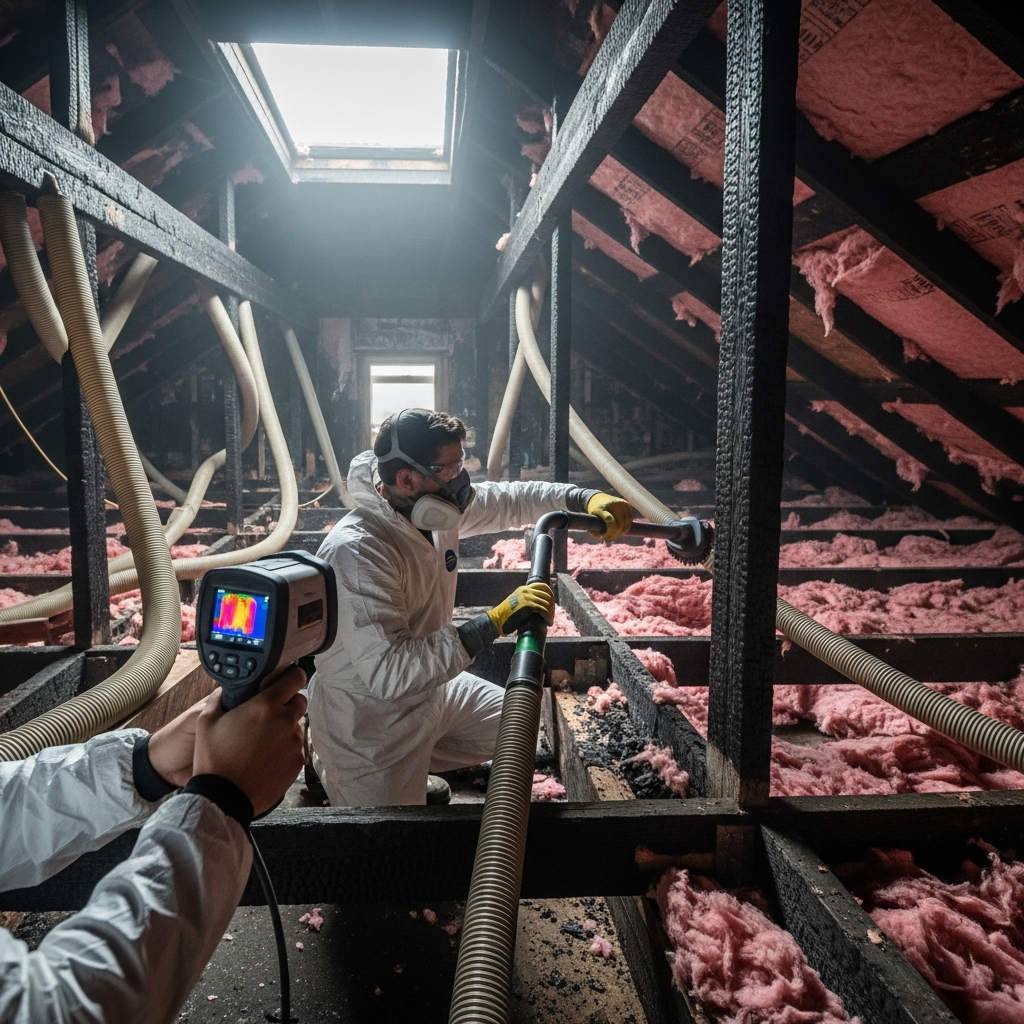
Air moves along paths of least resistance. In Malibu’s open-plan homes with vaulted ceilings and clerestory windows, warm smoke rises rapidly, depositing soot on high beams and within skylight wells before drifting back down. Return-air pathways can draw particulates into HVAC systems even if the system is off, especially if there’s natural stack effect at play. Behind the scenes, wall cavities and attic spaces become collection points. Skip those zones and you’ll chase odors indefinitely. That is why methodical inspection—thermal imaging, particulate measurements, and simple detective work like finger swipes in hidden corners—guides the restoration map.
Exterior surfaces are equally important. Stucco can trap fine soot that telegraphs through new paint if not thoroughly cleaned and sealed. Roof tiles can conceal ash beneath overlaps where wind-driven embers lodged. Decking—especially older redwood—absorbs odors differently than composite materials and requires tailored approaches. Coastal winds can redeposit ash days after a fire, so cleaning schedules must anticipate recontamination and plan for protective measures that keep progress intact.
Cleaning, Deodorization, and When to Replace
The art of restoration is deciding what to save and what to replace. Solid wood, stone, and metal can often be cleaned successfully if treated with the correct products and methods. Porous materials—acoustic ceiling tiles, certain insulations, paper-backed laminates—tend to hold odors and may be better candidates for removal. Successful deodorization is never just a final spray; it’s the culmination of source removal, structured cleaning, environmental control, and, when appropriate, sealing of affected substrates. Techniques such as thermal fogging or hydroxyl treatment can help neutralize stubborn odor molecules after physical cleaning has done its work, but they are tools in a sequence, not stand-alone fixes.
Attics and crawl spaces often determine whether a home smells clean weeks after work appears finished. Insulation saturated with odor is typically removed. Rafters and sheathing receive HEPA vacuuming, targeted abrasive cleaning, and a specialized sealant when needed. In crawl spaces, soot mingling with coastal moisture can accelerate corrosion on metal components and transfer odor upward through subfloors. Addressing these areas early keeps you from reliving the fire each time you open a closet or step into a quiet room.
HVAC Systems: Friend and Foe
Your HVAC system circulates comfort, but after a fire it can also circulate contamination if not handled carefully. Registers are sealed during cleaning to prevent shedding into rooms. Ductwork is inspected and, when indicated, cleaned with equipment that captures particulates rather than dispersing them. Filters are replaced, often multiple times during the process. Air handlers and coils are inspected for soot deposition. Only when the system is verified clean should it be reactivated. In some cases, minor duct sealing or adjustments to ventilation strategies can improve air quality beyond pre-loss conditions, a welcome upgrade for coastal homes that battle salt and pollen even in normal times.
Temperature and humidity control are part of the equation. Odor molecules respond to environmental conditions; warmer, more humid air can amplify smells. During restoration, maintaining stable indoor conditions helps cleaning and deodorization work effectively. Good teams measure, don’t guess, and they adjust equipment placement and settings to keep those conditions in the ideal range.
Protecting Interior Finishes and Contents
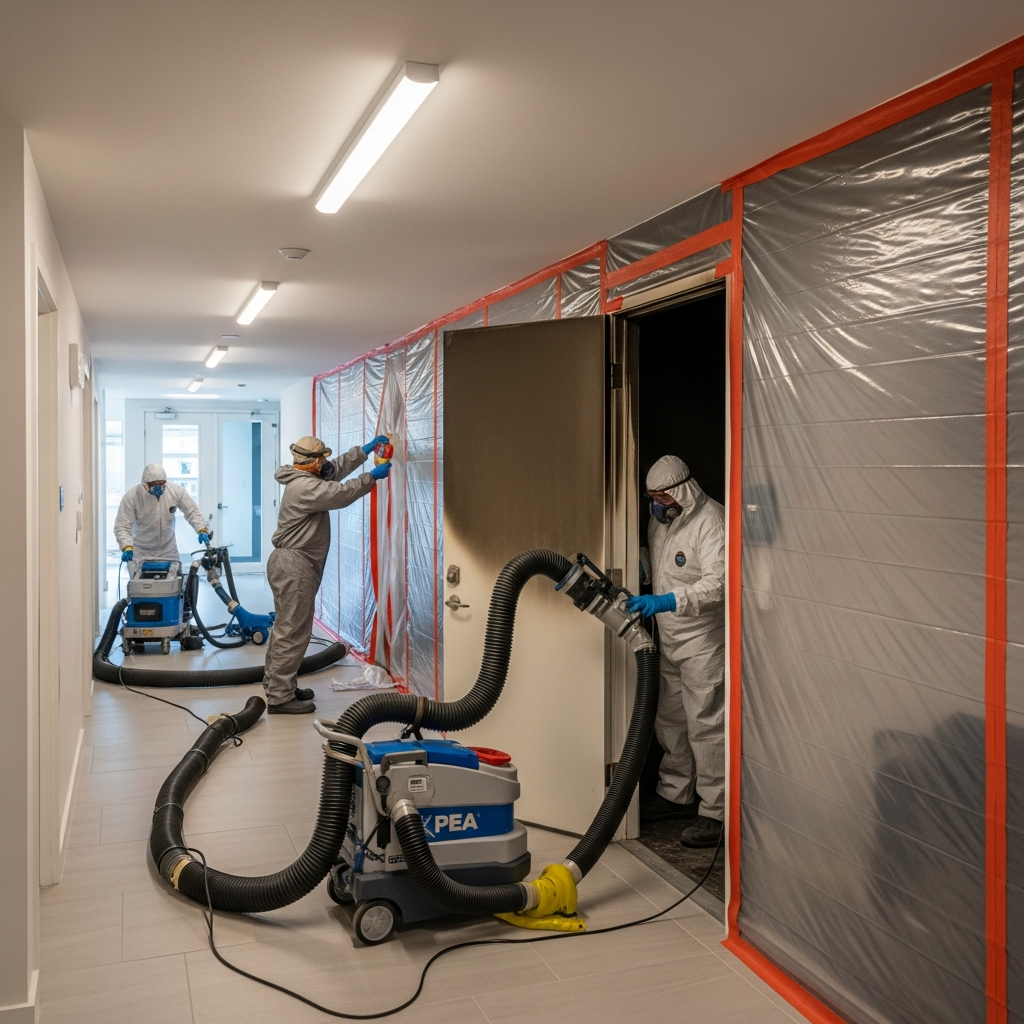
Successful projects feel orderly because protection comes first. Floors, counters, and built-ins are covered before tools come out. Clean and dirty paths are defined so that freshly treated areas stay that way. Contents are inventoried, photographed, and either cleaned in place or moved to controlled environments for specialized care. Textiles often respond well to modern cleaning processes that remove odor without harsh residues. Art and instruments require conservator-level attention—gentle methods, stable climate, and patient timelines. Electronics should be evaluated early; microscopic corrosion can begin quickly in the presence of smoke and salt air, and timely intervention can save favorite pieces.
Cabinetry and millwork need nuanced decisions. Solid-wood doors and drawer faces often clean beautifully; interiors may benefit from sealing to lock in any residual odor within substrates. Veneers that bubbled under heat typically won’t return to form. Stone countertops and tile backsplashes are durable but may need poulticing or honing if etched. Metal fixtures—brass, bronze, stainless—each respond differently based on smoke chemistry and the coastal environment. Skilled technicians match materials with methods, always with an eye toward preserving original character.
Health, Air Quality, and Sensitive Occupants
Smoke residues are more than cosmetic. They can irritate eyes and lungs, especially for children, older adults, and those with respiratory conditions. Thoughtful containment, negative air pressure, and HEPA filtration protect indoor air during work. Post-cleaning validation—both by measurement and by lived experience—ensures that finished spaces truly feel and smell right. When families need to remain in the home during parts of the process, sequencing work to maintain clean living zones makes a tremendous difference. Pets are considered too; keeping doors secured, noise predictable, and pathways safe eases their stress and yours.
Psychology plays a role. The nose remembers, and odor can trigger anxiety long after surfaces are pristine. Lasting success depends on removing the source and stabilizing the environment so that the smell doesn’t rebound in warm or humid weather. Teams that value indoor air quality will also leave you with filter recommendations and simple strategies for maintaining clean air as seasons change.
Documentation, Insurance, and Local Collaboration
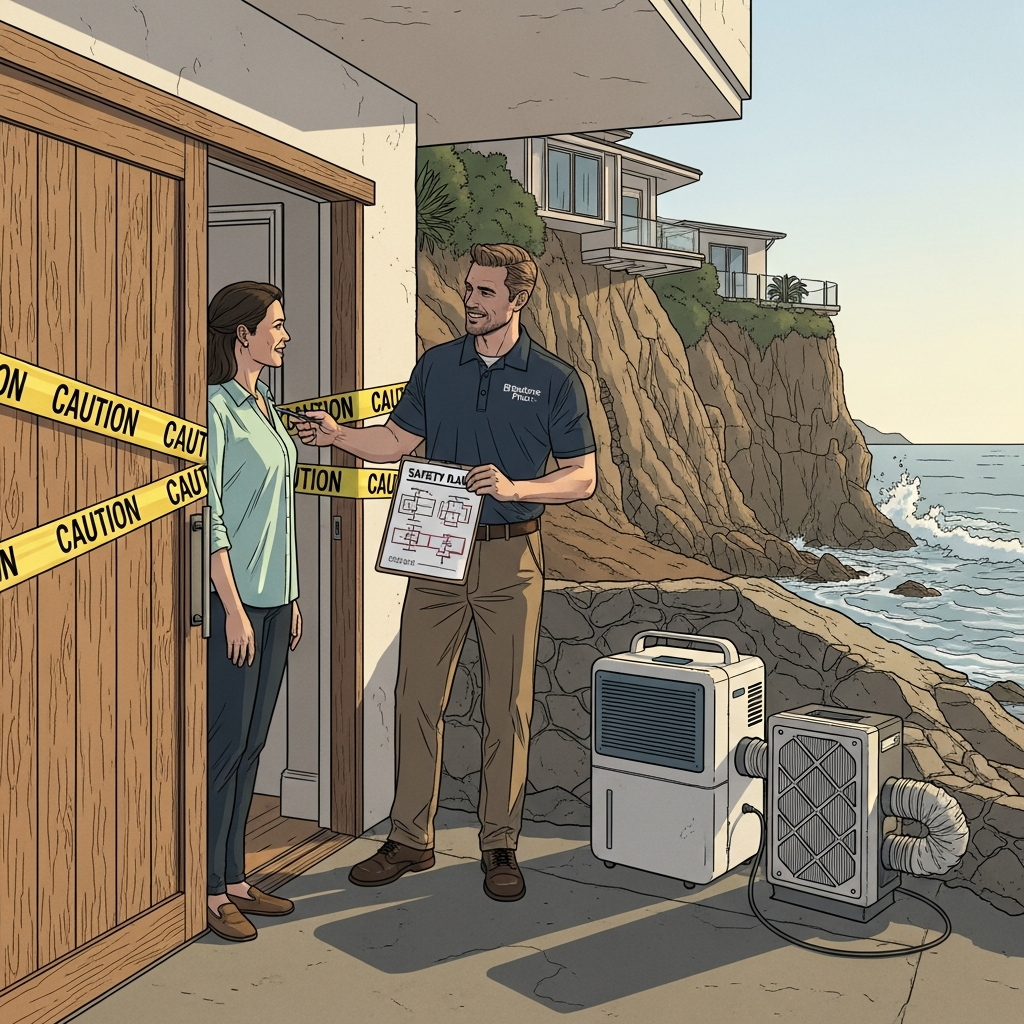
Clear documentation transforms a stressful process into a manageable one. Soot mapping, room-by-room photo logs, and lists of cleaned, stored, or replaced contents create a transparent record that supports insurance collaboration. In Malibu, where custom finishes and artisan work are common, detailed notes help establish like-kind-and-quality expectations. Your restoration partner should communicate in plain language and hold regular check-ins so that you’re never left guessing about next steps or timelines.
Local collaboration speeds progress. Relationships with Malibu inspectors, waste facilities, and specialty vendors mean that questions are answered quickly and resources are available when needed. This networked approach is particularly powerful after larger community events when demand is high. Teams that are part of the local fabric understand how to keep momentum steady even when the wider system is under strain.
Exterior Recovery and Defensible Space
Restoration doesn’t end at the door. Cleaning and sealing exterior walls, inspecting eaves and vents, and evaluating decks and fences for heat damage are all part of the picture. Addressing gutters and downspouts prevents future staining as residual soot washes away in early rains. Where landscapes were impacted, thoughtful replanting with defensible space in mind can enhance beauty while improving resilience. Ember-resistant vent screens and sealed attic penetrations are subtle upgrades that protect without changing the home’s character.
Roofs deserve particular care. Embers that tucked under tiles or accumulated at valleys can continue to shed fine soot into attics if missed. Gentle methods and the right equipment allow crews to access and clean without causing further breakage. Once roofs are cleaned and inspected, sealing vulnerabilities closes the loop on odor sources and prepares the structure for finishing work below.
From Chaos to Comfort
There’s a moment in every project when the balance shifts. The smell of smoke fades, sunlight returns through windows cleared of their ash veil, and rooms begin to echo with the sounds of daily life instead of equipment. That turning point doesn’t arrive by luck. It’s the result of a thousand deliberate actions—protecting, cleaning, measuring, sealing—performed by people who take pride in restoring both structure and spirit. In Malibu, where the line between indoors and outdoors is often thin by design, that work reconnects a home to its setting in a way that feels quietly triumphant.
Choosing a partner who understands both the science and the soul of this process makes all the difference. Look for people who listen, who explain options, and who demonstrate respect for your home’s unique details. Malibu’s homes, from bluff-top contemporary designs to canyon cottages, share a need for care that is both technical and personal. When you find a team that offers both, your path back becomes far less daunting.
Frequently Asked Questions
Q: Why does my home still smell smoky even after surfaces look clean? A: Odor often lingers in porous materials, hidden cavities, and mechanical systems. True deodorization requires removing source residues, cleaning or replacing affected materials, and controlling environmental conditions during and after work.
Q: Do I need to replace all my insulation? A: Not always, but any insulation that carries odor or visible soot should be removed. Attic remediation often pairs insulation removal with cleaning and sealing of framing to ensure long-term odor control.
Q: Can I run my HVAC during cleaning? A: It’s best to keep it off until assessed and cleaned if needed. Running a contaminated system can redistribute soot and odor throughout the house.
Q: How do you protect my art and collectibles? A: Items are inventoried, photographed, and packed by trained contents specialists. Many pieces are cleaned off-site in stable environments with methods tailored to the material—paper, canvas, wood, or metal—under controlled temperature and humidity.
Q: What determines whether cabinets can be saved? A: Solid-wood cabinetry with surface smoke often responds well to cleaning and refinishing, while heat-damaged veneers or cabinets with odor trapped in particleboard cores are more likely to be replaced for lasting results.
Take the Next Step Toward a Clean, Comfortable Home
If you’re ready to move beyond the shadow of smoke, begin with a thoughtful assessment and a plan that honors both the science and the story of your home. Speak with local specialists who can evaluate your spaces, protect what matters most, and deliver comprehensive fire damage restoration that returns comfort, clarity, and fresh air to every room.