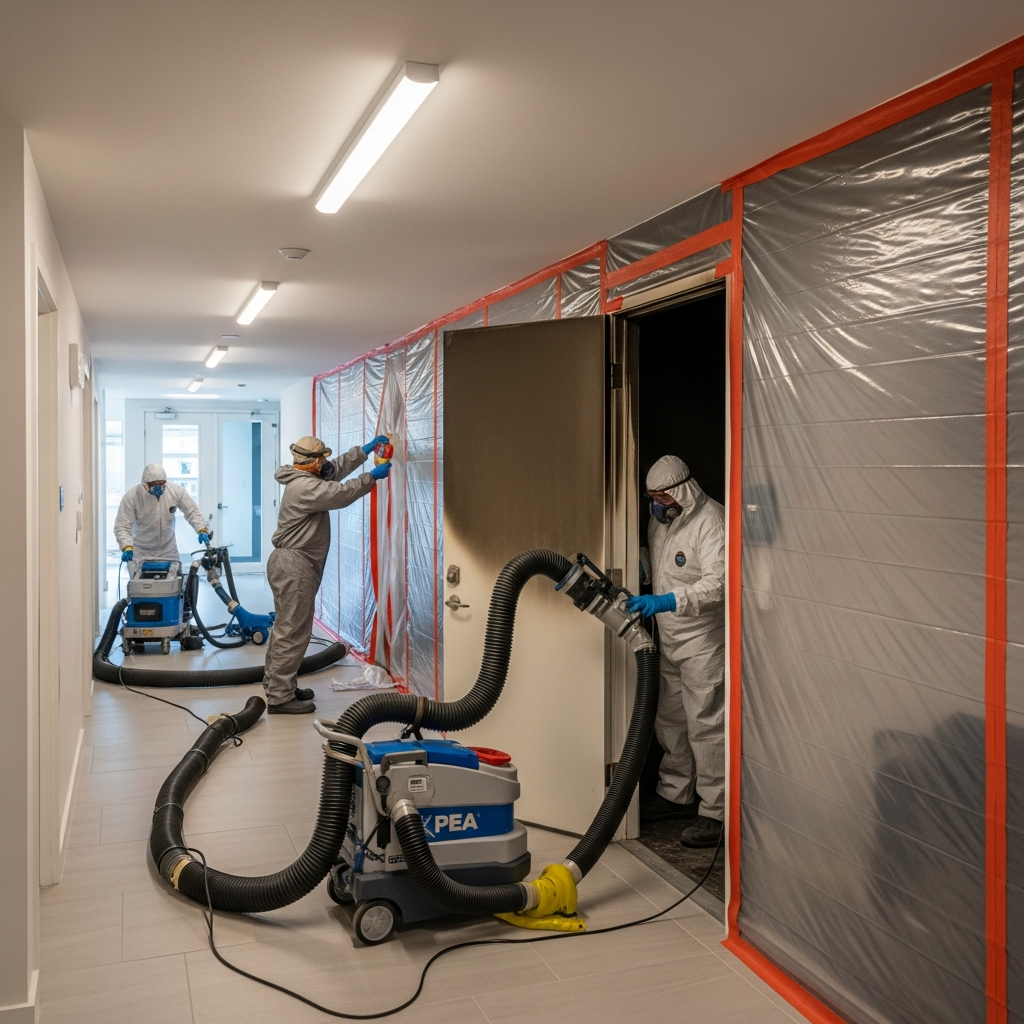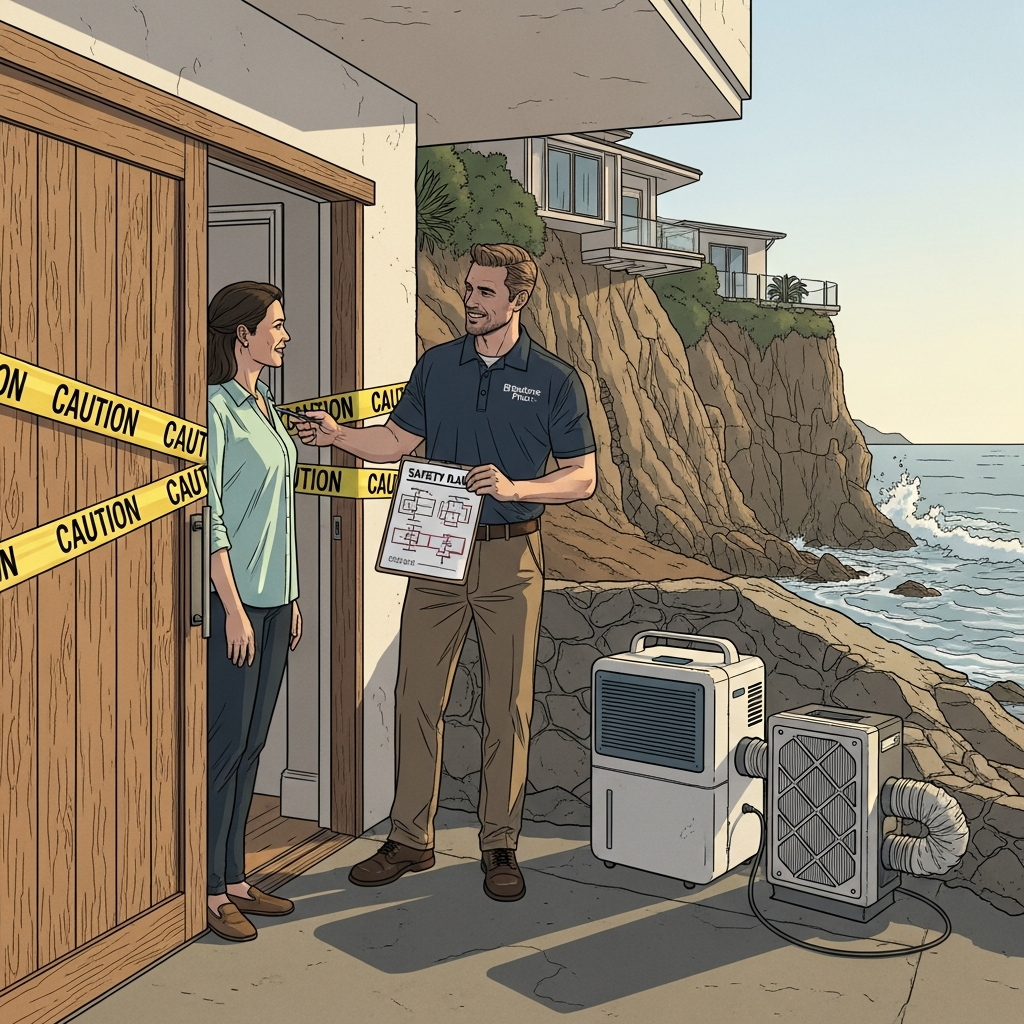
Restoration doesn’t end when the last tool is packed and the air smells neutral again. In Calabasas homes that serve families with ties to Malibu, the months after a fire are just as important as the first days. Post-fire maintenance protects the investment you made in cleanup, ensures odors don’t creep back, and helps your home adapt to the seasonal realities of canyon winds and coastal moisture. With a practical plan and a bit of local know-how, you can keep your home feeling fresh and resilient long after the crews leave. If you’re laying out that plan today, it helps to start with foundational guidance on fire damage restoration so you can align maintenance with how the restoration was performed.
Understanding what was done—and why it matters later
Every successful project begins with source removal, detailed cleaning, and layered deodorization. In maintenance, your role is to preserve those gains. If insulation was replaced, attic baffles installed, or vents upgraded to resist embers, those features require periodic checks. If HVAC ducts were cleaned and sealed, filter changes take on new importance. The best maintenance starts with a clear record: where selective demolition occurred, which materials were encapsulated, and which spaces received specialized treatment.
HVAC care as the backbone of clean air
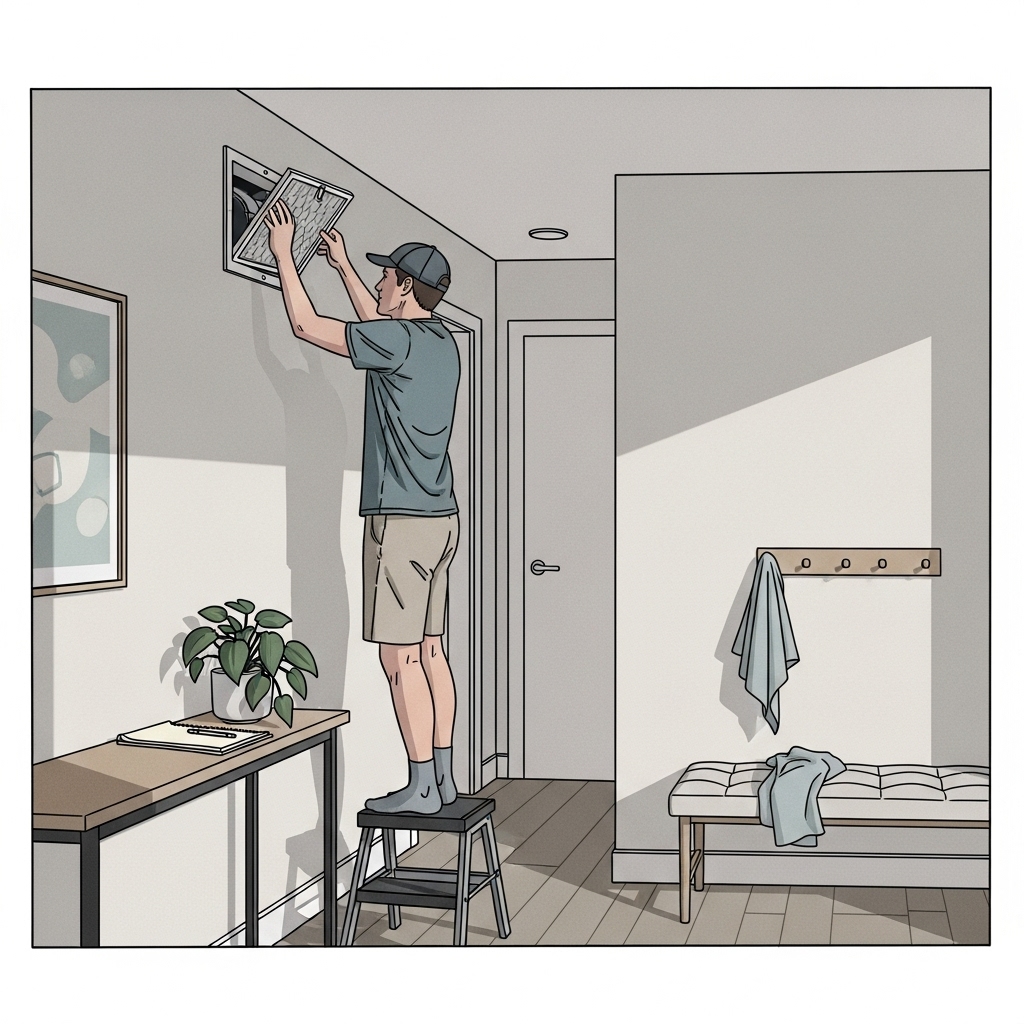
Air is the carrier of comfort and the messenger of problems. After restoration, your HVAC system should deliver clean, neutral-smelling air. Keep it that way by updating filters on a schedule suited to your home’s use, and consider higher MERV ratings if compatible. Seasonal service visits are worth it here, especially before high-wind periods or the heating season, when combustion byproducts outside can interact with indoor air. If you notice a faint odor on startup, it may indicate a filter past its prime or an overlooked return cavity—easy fixes when caught early.
Surfaces and finishes: gentle, regular care
Restored surfaces respond best to gentle, regular cleaning. Harsh chemicals aren’t necessary when soot and residues are gone; in fact, they can re-etch sensitive materials. For cabinets and painted walls, use mild cleaners and microfiber cloths. For stone counters and metal fixtures, moisture control is essential, particularly in coastal-influenced air that can encourage corrosion. That means wiping condensation promptly and keeping ventilation balanced during cooking and bathing.
Attic, crawlspace, and hidden cavities
The places you rarely visit can quietly influence your home’s air. If your project included attic sealing or insulation replacement, a brief visual check each season helps confirm everything remains intact. In crawlspaces, ensure vapor barriers are undisturbed and vents are functioning as intended. These small steps keep humidity and odors from finding footholds where you won’t notice until they grow.
Contents and textiles
Clothing, rugs, and upholstered furniture that were cleaned professionally should continue to perform well. Maintain them with standard care and note any lingering or returning odors, which can indicate a hidden source nearby rather than a problem with the item itself. Books and paper goods prefer low humidity and stable temperatures; keep them away from direct sunlight and damp corners where musty scents can mingle with any faint smoke notes.
Odor watch: what’s normal and what’s not
It’s normal to be sensitive after a fire. A faint smell after a rainy day or the first heating cycle doesn’t necessarily mean the restoration failed. However, persistent odor in a specific cabinet, closet, or room deserves attention. Before worrying, ventilate, change the filter, and check for nearby moisture. If the smell remains, reach out for an inspection. Often the culprit is a small pocket in a chase or under a stair, and the fix is focused and quick.
Seasonal realities between Calabasas and Malibu
During dry, windy periods, keep a tighter schedule for filter changes and door sweeps. During cooler months with thicker marine layers, monitor condensation on windows and in bathrooms, using exhaust fans and brief cross-ventilation to maintain balance. If you spend time in Malibu and return to Calabasas after a week away, open a few windows for a short time when conditions are favorable; fresh air helps confirm that everything is in good order.
Record-keeping as a maintenance tool
A simple log is surprisingly helpful. Note filter changes, seasonal service visits, and any odor observations with dates and locations. Patterns emerge quickly, making it easier to solve small issues before they grow. This record also supports warranty claims or insurance questions if they arise later.
When small fixes matter
Minor weatherproofing—fresh door gaskets, adjusted thresholds, and sealed attic penetrations—doesn’t just save energy. It reduces pathways for outdoor particulates and embers should a regional event occur. Calabasas and Malibu homes often include architectural details that are beautiful but porous; attending to those with subtle sealing preserves both looks and function without changing the character of the space.
Partnering with professionals after the project
You don’t need constant service visits, but a planned check-in at three or six months can be valuable. That touchpoint confirms that deodorization held, surfaces are behaving as expected, and any resilient upgrades are performing. If something needs attention, it’s usually small and addressed before you notice it daily.
Midyear reassessment
At the halfway mark to your anniversary date, walk the house with fresh eyes. Open every cabinet, step into closets, and run the HVAC through a full cycle, paying attention to supply registers. If anything seems off—an unusual draft, a faint odor, or a filter that dirties faster than usual—note it and address it. If you want a refresher on baseline standards, revisit the essentials of fire damage restoration so you can judge whether a symptom points to maintenance or to a deeper source.
Living well in a restored home
A home that has been through fire can feel more precious, and with good maintenance, it can also feel stronger. Small habits like taking shoes off at the door, running bathroom fans, and wiping condensation make a difference. So does staying curious—checking rarely opened spaces, listening for changes in your HVAC, and reaching out when a question pops up before it becomes a concern.
Frequently asked questions
How often should I change HVAC filters after restoration?
Start with a more frequent schedule—every one to two months—then adjust based on how quickly filters load. Seasonal factors and household activity will guide your ideal rhythm.
Is it normal to notice a faint odor occasionally?
Occasional, situational odors can happen with weather shifts or system startups. Persistent, localized odors, however, warrant a check to find and address a hidden source.
What if a cabinet or closet seems to hold odor?
Empty it, clean gently, ventilate, and see if the odor dissipates. If it lingers, a small cavity or hidden surface nearby may need targeted treatment.
Do I need my ducts cleaned again within a year?
Not usually if the system was thoroughly addressed during restoration. Focus on filter changes and routine service unless a specific issue arises.
How can I prepare for the next fire season?
Keep gutters clear, verify ember-resistant vents are intact, maintain defensible space as local guidelines recommend, and confirm weather seals are in good shape. These steps complement your restoration and improve resilience.
Ready to keep your home at its best
If you want a professional eye on your post-fire maintenance or simply have a few questions, reach out. A brief conversation can save you time and give you peace of mind. For a quick refresher on standards and options, start with trusted guidance on fire damage restoration and then connect for help tailored to your home, your schedule, and the way you live.