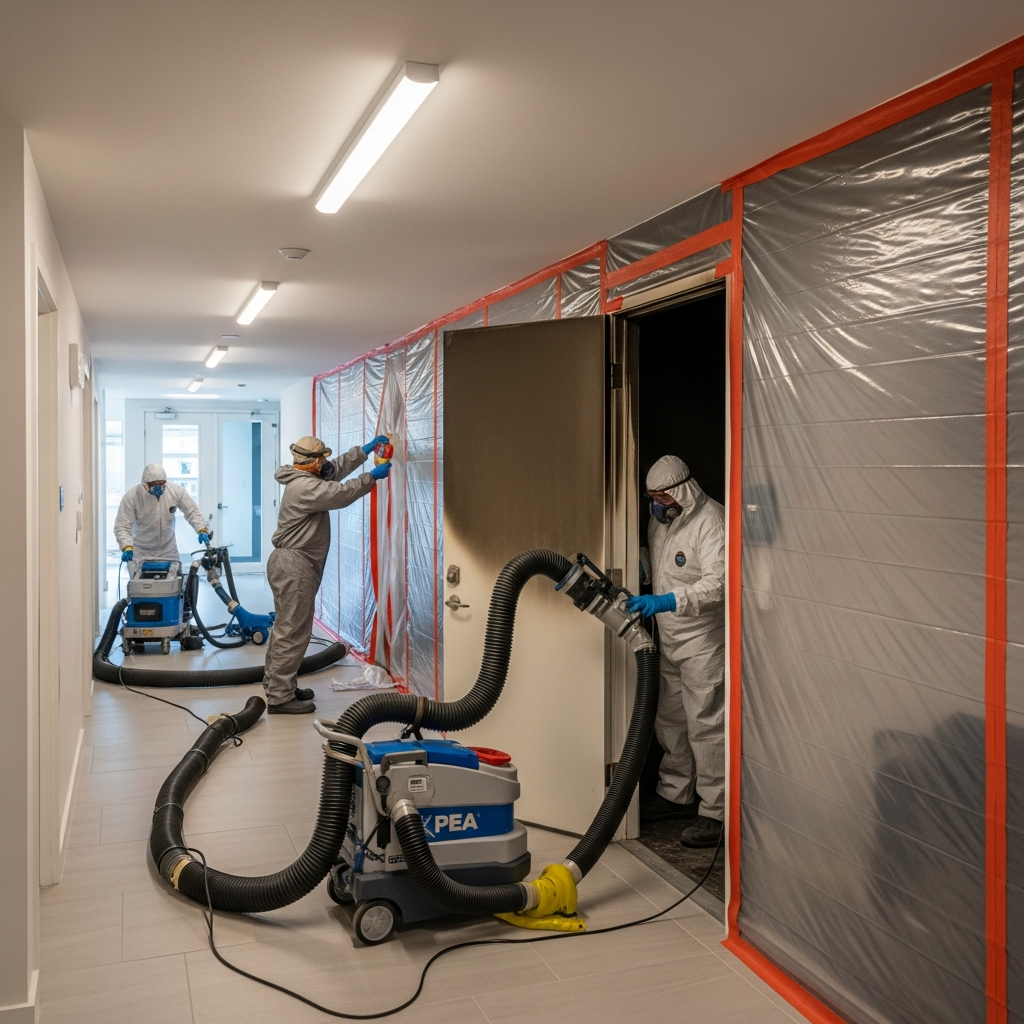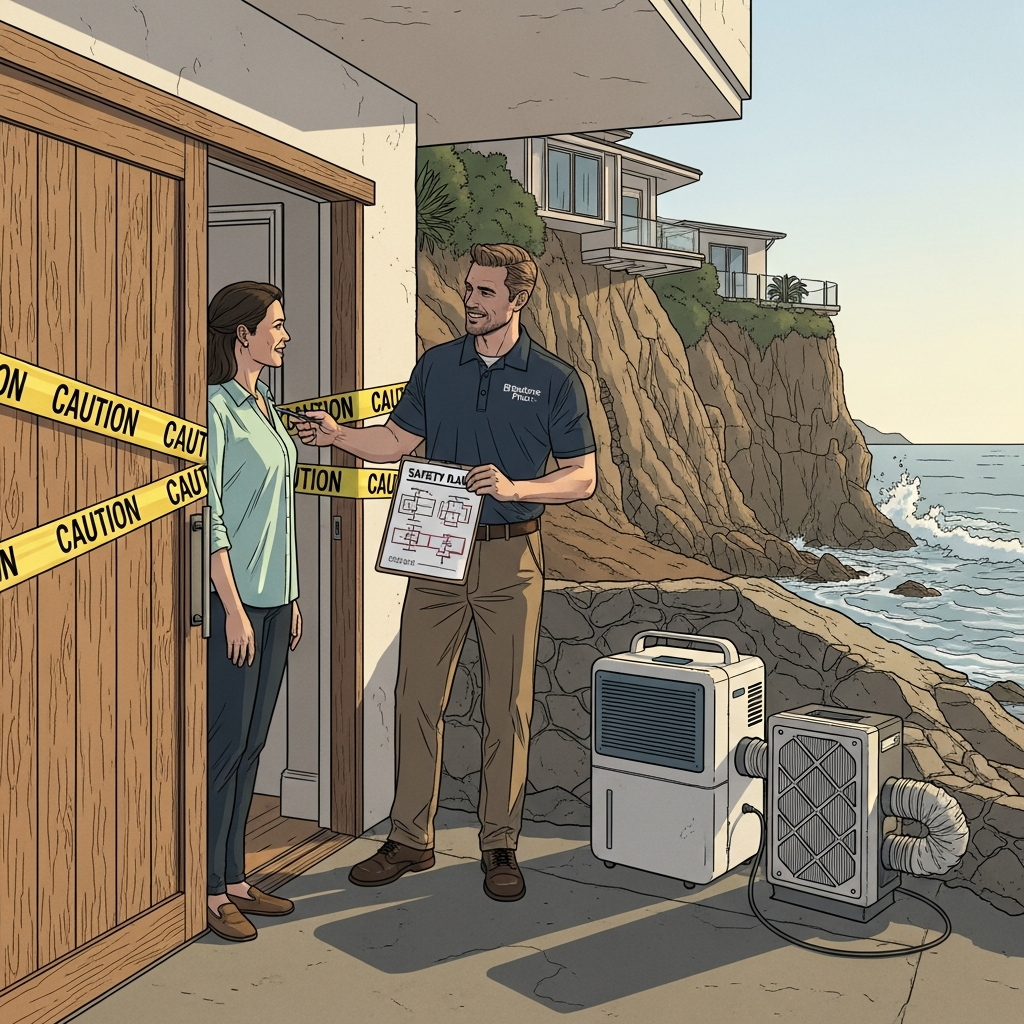
After the last air scrubber is packed up and the final walkthrough is complete, Malibu homeowners often ask what comes next. The truth is, long-term success depends on thoughtful maintenance tailored to our coastal-wildland setting. From keeping indoor air healthy to protecting finishes against salt and sun, consistent habits preserve the gains you made during fire damage restoration and prepare your home for the next season. With the right rhythm, maintenance becomes part of the ease of living here, not a burden.
Start with the Air You Breathe
Indoor air quality is the foundation of post-restoration health. Even with thorough cleaning, Malibu’s seasonal smoke can reappear. Commit to a filter schedule that matches your system and environment, and keep a small reserve of high-efficiency filters on hand. During red flag periods, run your system on recirculate with upgraded filtration, and consider a portable purifier for rooms where you spend the most time. Balanced ventilation—bringing in fresh air without inviting smoke—keeps the home comfortable year-round.
Pay Attention to Ducts and Returns
Ducts and returns are the highways of your indoor environment. If you had duct cleaning during restoration, keep the benefits going by making sure returns are free from dust and that registers are not blocked by rugs or furniture. In homes with high ceilings and clerestory windows, thermal stratification can push particulates to upper levels. Periodic inspections confirm that everything remains clean and efficient, protecting the air quality you worked hard to restore.
Seal, Protect, and Recoat Strategically
Surfaces that were cleaned or replaced benefit from protective coatings. Sealing wood, treating stone with appropriate products, and choosing washable paints make routine upkeep easier and more effective. On the coast, where humidity and salt are relentless, these layers act like invisible shields. Keep records of products used and recoat intervals recommended by your contractor so you can maintain consistency and performance over time.
Watch the Envelope: Doors, Windows, and Vents
Weatherstripping, gaskets, and vent screens are your first line of defense against smoke and embers. Inspect them seasonally, focusing on sliding door tracks, attic vents, and soffit openings that take the brunt of wind events. Small gaps invite big problems; tightening them protects both indoor air and energy efficiency. If you upgraded to ember-resistant screens, verify they are intact and free of debris so they perform when needed.
Keep Moisture in Check
Malibu’s microclimates swing from fog to heat in a single day. Moisture management prevents mold and protects finishes. Use bath and kitchen exhaust fans, maintain proper grading around the home, and check that gutters and downspouts run clear, especially after windy days that deposit leaves and ash. In homes with exposed beams or shiplap, keep an eye on joints where moisture can linger and invite trouble if not addressed early.
Mind the Attic and Crawlspaces
Hidden spaces deserve attention after a fire event. Insulation can trap odors, and ash can settle in low-traffic areas that seem clean at eye level. Periodic checks—flashlight in hand—ensure that conditions remain stable. Look for any signs of moisture, discoloration, or musty smells, and act quickly if something changes. A small intervention now prevents larger remediation later.
Outdoor Living with an Eye on Resilience
Decks, patios, and outdoor kitchens are part of the Malibu lifestyle. Keep combustible items—cushions, umbrellas, stacked wood—at a sensible distance from openings and vented areas. Choose noncombustible surfaces closest to doors and sliders and maintain them so debris does not accumulate. When smoke returns, give these areas a quick rinse before tracking residue inside, and clean door tracks to prevent grinding ash into seals.
Electronics, Appliances, and the Coastal Factor
Coastal air and electronics are a delicate mix. Set a schedule to dust and inspect equipment, especially in media rooms and offices with dense cabling. Ensure enclosures remain clean and that any devices exposed during the fire are checked for corrosion or residue-related wear. Reliable function in peak times—when information matters—is part of a resilient home.
Landscaping that Supports the House
Defensible space maintenance is ongoing. Prune, clear, and irrigate with a strategy that respects water use while reducing fuel near the structure. Choose plantings that recover well after heat and ash exposure, and keep a tidy edge of noncombustible material close to the building. These habits not only reduce risk but also simplify cleaning after smoky days, as fewer particulates accumulate near doors and windows.
Documentation as a Maintenance Tool
Good records turn maintenance into an easy routine. Keep a binder or digital folder with product data sheets, paint formulas, filter sizes, and the schedule you set with your contractor. Photos of key areas—attic vents, roof transitions, and mechanical rooms—help you compare conditions over time. When something feels different, you will have a baseline to guide decisions quickly.
Neighborhood Coordination
Malibu thrives on neighborly coordination. Share maintenance tips, vendor references, and seasonal reminders. When a wind event is forecast, a quick check-in can ensure everyone has filters and knows their plan for pets and valuables. Community rhythms like these keep stress down and navigation smoother when conditions turn.
Midyear Checkups and Seasonal Tune-Ups
Set two anchor points each year for focused attention: before peak fire season and after. Review filters, inspect the roof and vents, test backup power if you have it, and walk the perimeter for gaps at doors and windows. Indoors, confirm that cleaning products used during restoration are still on hand and that you know how to spot-treat surfaces if light soot arrives.
Odor Watch: Early Signals
Odors are early warning signs. If a room develops a smoky note after a humid morning, do not ignore it. Investigate nearby cavities, check filters, and consider a short run of air purification. Addressing small odor complaints promptly keeps them from becoming entrenched problems that require more invasive work later.
Take Care of the Teamwork
Your contractor, HVAC technician, and landscaper are part of your ongoing resilience plan. Keep communication lines open and schedule visits before problems push you into reactive mode. The team that helped you recover is also the team that can help you maintain, offering small adjustments that pay dividends over time.
Resilient Upgrades Over Time
Maintenance is also an opportunity to plan upgrades. As materials need replacement, choose options that support resilience—ember-resistant vents, Class A roofing where applicable, and interior finishes that clean easily. Incremental improvements accumulate, turning your home into a system that is calmer under stress and quicker to recover afterward.
Mindset and Peace of Mind
Adopting a maintenance mindset is about reclaiming ease. When you know your filters are fresh, vents are intact, and surfaces are protected, you feel the difference in daily life. The home smells clean, doors glide smoothly, and mornings begin without a to-do list driven by worry. That steadiness is the real goal of post-restoration care.
FAQ: How often should I change HVAC filters in Malibu?
Change schedules depend on your system and exposure, but many homes benefit from inspecting filters monthly during fire season and replacing them as needed. Outside of peak times, follow manufacturer guidance and your contractor’s recommendations based on your specific home.
FAQ: What should I do if I notice a return of smoke odor?
Identify nearby cavities or materials that may be off-gassing, check filters, and run air purification. If the odor persists, contact your restoration professional for a targeted assessment. Early intervention usually resolves minor odor rebounds without major disruption.
FAQ: Are there coatings that help with future cleaning?
Yes. Sealers for wood and stone, along with washable interior paints, make surfaces easier to clean if light soot arrives. Choose products compatible with your existing finishes and keep records for future touch-ups.
FAQ: Should I plan for periodic duct cleaning?
A schedule tailored to your home’s use and exposure is best. Homes near canyons or with frequent open-door living may benefit from more frequent inspections. Your HVAC professional can help set an interval that keeps air pathways clean and efficient.
FAQ: How can landscaping reduce smoke impacts?
Maintain defensible space, use low-fuel plantings, and keep noncombustible borders near the structure. These steps reduce debris accumulation at openings and make cleanup after smoky days faster and more effective.
FAQ: What maintenance items are most often overlooked?
Door and window seals, vent screens, and sliding door tracks are common oversights. These areas influence both air quality and energy performance and deserve routine attention, especially in coastal conditions.
Living well in Malibu means enjoying the view and the breeze with confidence that your home is protected. If you want a partner to help set your maintenance rhythm, schedule a check-in with local experts who understand our terrain and climate. When you are ready for a thoughtful, reliable hand, reach out for fire damage restoration in Malibu and keep your home feeling fresh, safe, and ready for whatever the season brings.