After the Crews Leave: Keeping Your Malibu Home Healthy
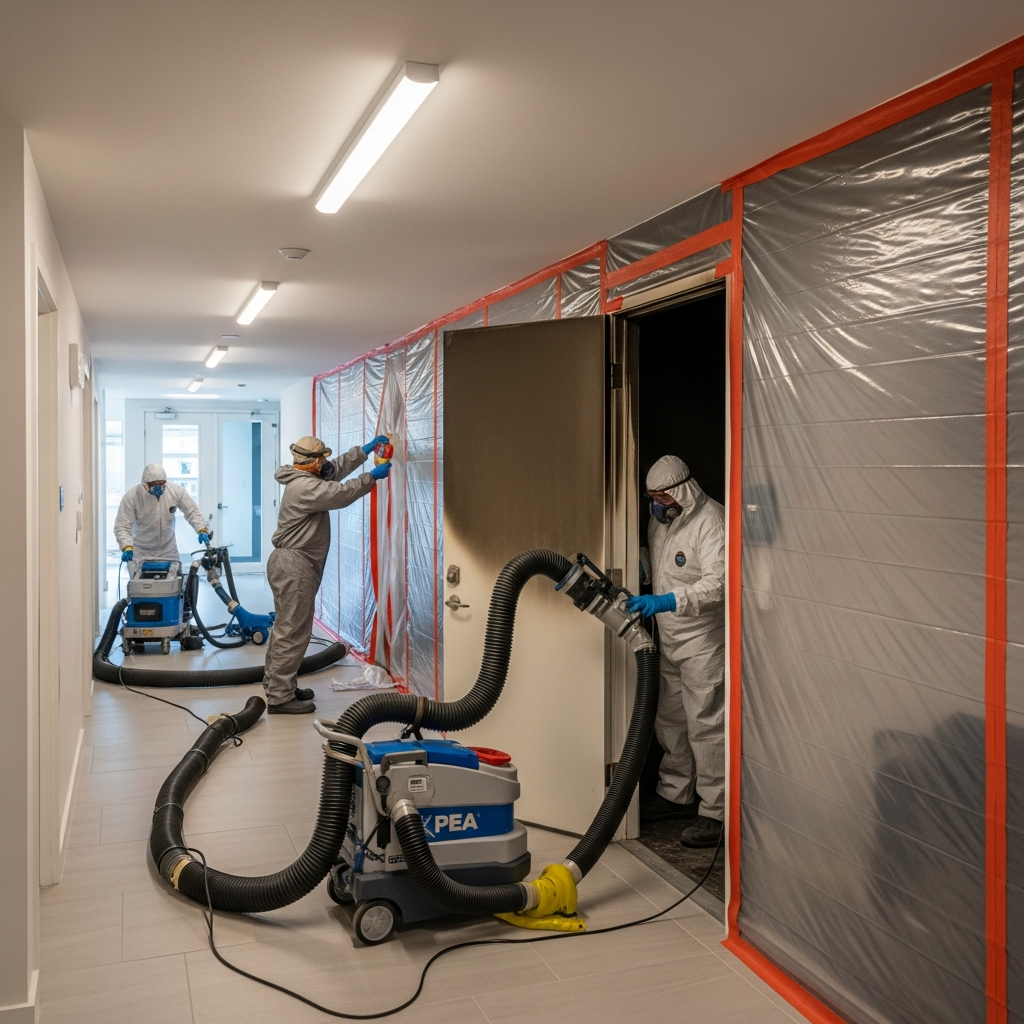
When restoration winds down, it’s tempting to exhale and never think about smoke or soot again. Here in Malibu, though, where marine layers mingle with canyon winds and wildfire seasons ebb and flow, smart maintenance keeps your home healthy and your peace of mind intact. Post-restoration isn’t a finish line so much as the start of a new routine. If you’ve just completed fire damage restoration in Malibu, these habits will help you protect that hard-won clean air, preserved finishes, and renewed sense of normal.
Over years of helping neighbors from Malibu Colony to Ramirez Canyon, I’ve seen how small, steady practices prevent big problems. Think of your home as a living system. Air moves, materials breathe, and the coast paints everything with a fine film of salt. The better you understand those rhythms, the easier it is to keep smoke odors from creeping back, moisture from settling in, and surfaces from reacting in surprising ways.
Start With the Air You Breathe
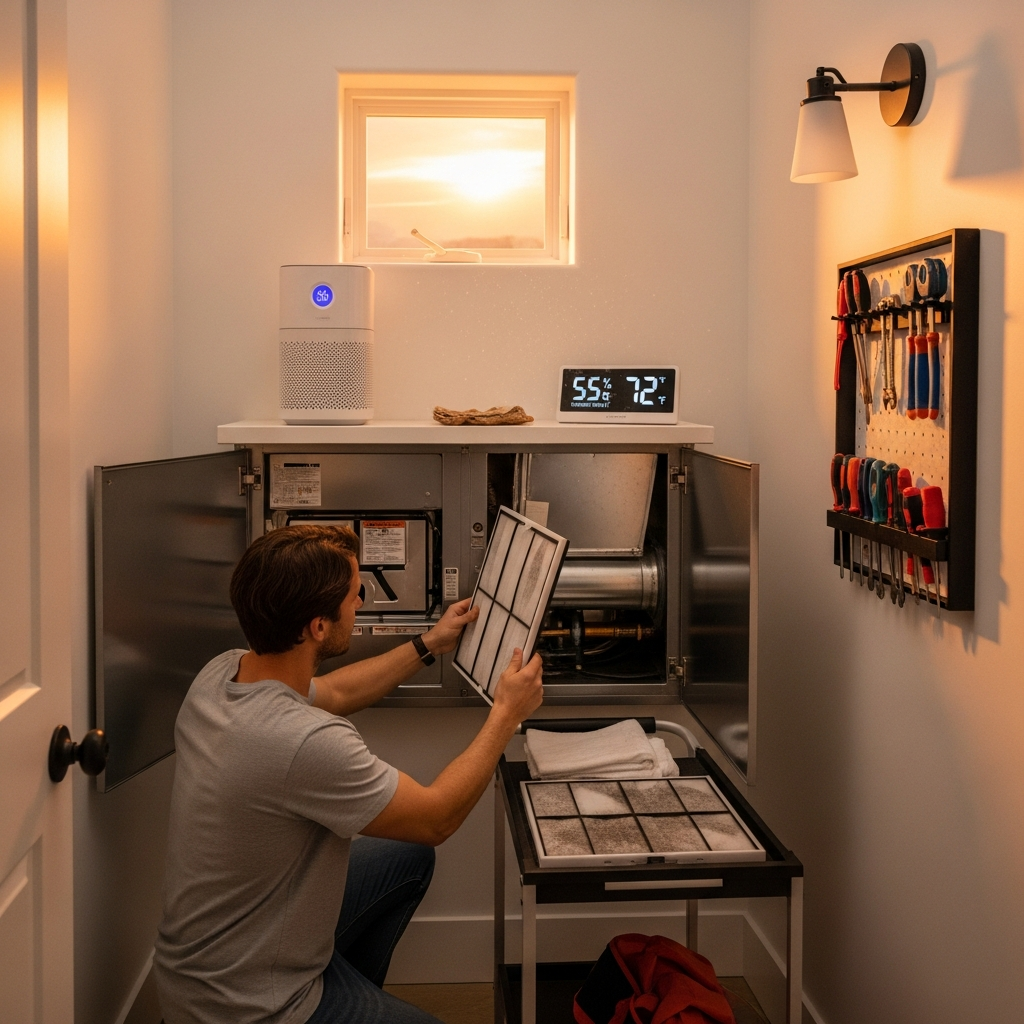
Healthy air is the foundation of your post-restoration life. Begin with your HVAC. Replace filters more frequently for the first few months—monthly changes are common until particulates stabilize—and consider upgrading to higher MERV ratings if your system allows. Keep the system off during heavy outdoor smoke days and rely on room purifiers in the most-used areas. Watch how your home responds to the marine layer; if mornings feel damp, a short dehumidification cycle can keep moisture from lingering in cool corners. These adjustments help maintain the indoor air equilibrium that restoration established.
If your project included duct cleaning, mark your calendar for a check-in after one full season. While you shouldn’t need frequent duct work, an inspection ensures nothing has settled in return chases or along register boots. In homes with high ceilings and open beams—common in Malibu—smoke dust can find perches you’ll want to revisit with gentle, dry methods to avoid re-suspending particles.
Guard Against Moisture and Mold
Water used during suppression and cleaning sometimes finds its way into hidden places, even after thorough drying. In coastal climates, vigilance pays. Keep an eye on door thresholds, baseboards near exterior walls, and cabinetry toe kicks. If you notice swelling, cupping, or a musty scent after a marine layer, call for an assessment before small issues grow. Bathrooms and laundry rooms deserve extra attention; use exhaust fans generously and crack windows on dry days to trade humid indoor air for drier breezes. A simple hygrometer can guide your everyday choices—if indoor humidity climbs above the mid-50s, run dehumidification until it settles.
Protect Metals and Finishes From the Coast
Salt-laden air remains part of life here. After a fire, even carefully cleaned metals can be extra sensitive. Wipe stainless and hardware periodically with a mild, pH-balanced cleaner, and dry thoroughly. Rinse patio furniture and outdoor fixtures with fresh water after onshore winds. Inside, avoid abrasive cleaners on glossy cabinetry and stone; use restoration-friendly methods that lift dust without scratching or dulling. These small habits slow corrosion and keep finishes looking like they did the day the restoration wrapped.
Mind the Details: Windows, Doors, and Vents
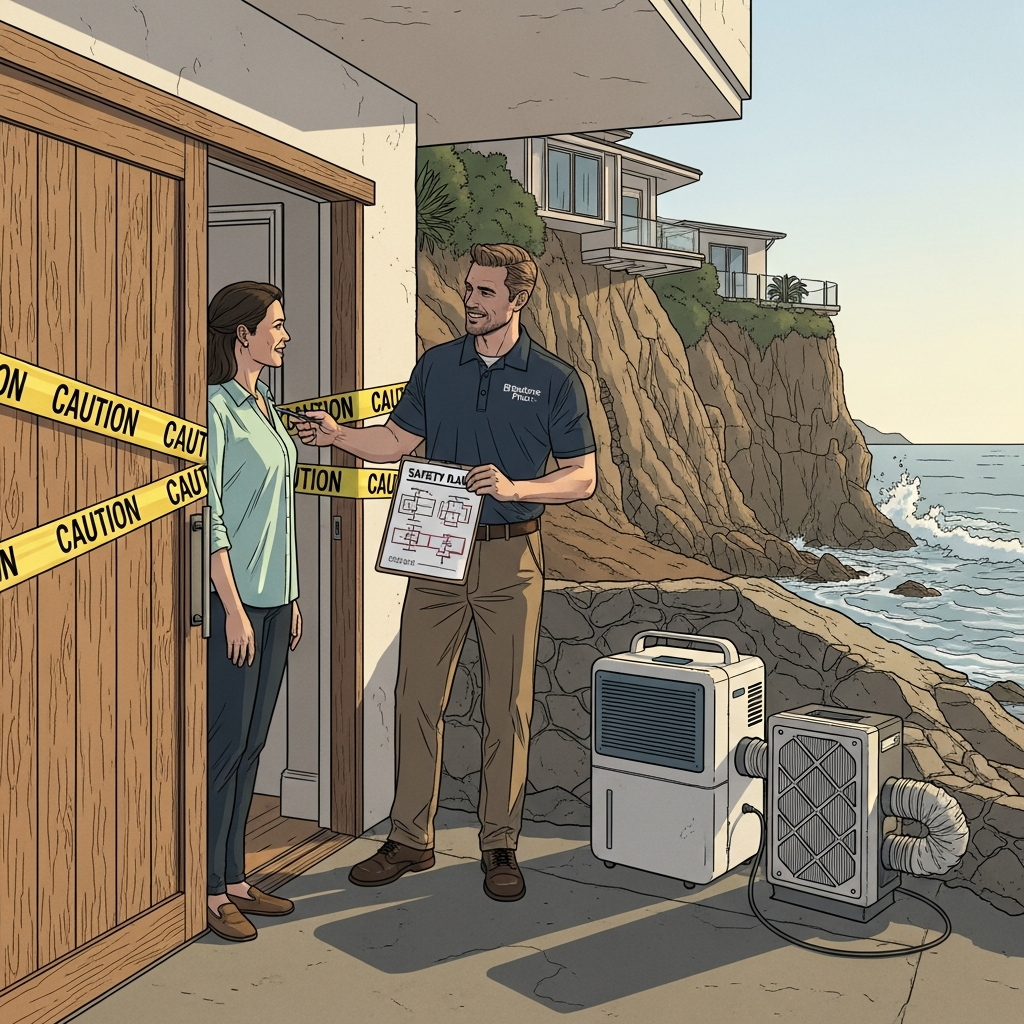
Restoration often reveals how smoke entered—gaps along weatherstripping, older vent screens, and tired seals. Make a seasonal practice of checking these points. Clean window tracks and weep holes so odors don’t linger in damp debris. Ensure exterior vent covers fit tight and screens are ember-resistant. If you upgraded to improved screening during restoration, inspect it after windy weeks to confirm it’s intact. These checks guard against intrusion and keep indoor air from taking on outdoor smoke during regional events.
HVAC: A System You Can Trust
Your heating and cooling system is your air’s gatekeeper. Schedule professional maintenance at least once a year, and consider biannual visits if your home sees heavy use or you’re sensitive to air quality shifts. During service, ask techs to inspect coils, housings, and drain pans—residual contamination loves to hide there. If your restoration included sealing improvements, verify that duct connections remain tight and that insulation around penetrations is secure. A well-tuned system quietly defends your home every day.
Care for Textiles and Soft Goods
Rugs, draperies, and upholstery returned from contents restoration deserve gentle handling. Vacuum with a HEPA-equipped unit and avoid over-wetting fabrics during routine cleaning. Rotate rugs to even exposure, especially where marine light fades color. If an unexpected odor appears after a damp spell, air items on a dry day with indirect sun, then return them indoors before evening moisture arrives. These habits preserve the deep cleaning you invested in and extend the life of beloved pieces.
Stay Organized: Documentation and Warranties
Good records are a form of maintenance. Keep restoration reports, item inventories, and warranties in one place, backed up digitally. If you ever sell or refinance, this documentation tells a story of care and professionalism. It also helps you track life cycles for filters, purifiers, and any upgraded materials so you replace or service them before performance slips.
Outdoor Habits That Support Indoor Health
What happens outside shapes the air inside. Clean gutters before windy seasons and consider ember-resistant guards that don’t trap debris. Keep vegetation trimmed to support defensible space without losing the coastal garden look you love. When sweeping ash or dust from patios, use gentle methods that don’t loft particles toward open doors and windows. Small practices like rinsing walkways after particularly dusty days prevent tracks of grime from re-entering living spaces on shoes and paws.
Be Ready for Regional Smoke Days
Every Malibu household benefits from a clear plan when regional smoke drifts by. Close windows early, set HVAC to recirculate, and run air purifiers where you spend the most time. Keep a spare set of filters on hand; swap them promptly if they load up. When skies clear, ventilate on the drier side of the day to flush indoor air without inviting in excess humidity. Treat these days as brief weather events and your home will carry its clean baseline forward.
Seasonal Checkups: A Simple Calendar
Each season offers a cue. In spring, review seals, screens, and the condition of any attic or crawlspace barriers added during restoration. In summer, confirm purifiers and HVAC perform well before heat pushes systems hard. Fall is for gutter cleaning, defensible space tune-ups, and filter changes ahead of heater season. Winter calls for watchfulness around condensation and continued diligence with ventilation on drier days. A basic calendar turns maintenance into a few focused moments rather than constant worry.
Teach the House Rules
Everyone in the home plays a role. Share simple guidelines: shoes off at the door after windy days, run the bath fan longer than you think, pause the HVAC when you see smoke on the horizon, and don’t ignore small smells. These are not burdens; they’re how you keep your sanctuary steady in a place where nature is always in motion.
When to Call for Help Again
Restoration is not a one-and-done conversation with your home. If you notice persistent odors after a wet week, a door that started sticking, or new discoloration on metal finishes, reach out for an evaluation. Early interventions are usually simple and prevent bigger steps later. Local professionals understand Malibu’s patterns and can spot the difference between a minor course correction and a genuine concern.
Frequently Asked Questions
How often should I change HVAC filters after restoration?
Plan on monthly changes for the first few months, then shift to your system’s standard schedule, which is often every one to three months. If regional smoke events occur, check filters sooner and replace as needed to maintain airflow and filtration efficiency.
Do I need air purifiers if my ducts were cleaned?
Portable purifiers complement central systems. They shine during smoke days and in high-use rooms. Choose units with true HEPA filtration and keep them running on lower settings to maintain baseline air quality without much noise or energy use.
What signs suggest lingering moisture problems?
Watch for cupped floorboards, musty smells in cool corners, swollen baseboards, or doors that newly stick. A simple hygrometer revealing persistent high humidity indoors is another clue. Quick assessment and targeted drying prevent these early warnings from becoming repairs.
Are there cleaners I should avoid on restored finishes?
Avoid harsh abrasives and highly acidic or alkaline products on metals, stone, and glossy cabinetry. Use pH-balanced cleaners recommended during restoration. When in doubt, test a small, inconspicuous area first and dry surfaces thoroughly to prevent spotting or film.
How do I keep smoke out during regional events?
Close windows and doors early, set HVAC to recirculate, use room purifiers, and add temporary door and window draft blockers if needed. Ventilate once the outdoor air improves, preferably during the drier part of the day to avoid bringing in excess humidity.
Should I schedule a post-restoration checkup?
Yes. A follow-up visit after one season verifies that air quality, moisture levels, and seals are holding steady. It’s a chance to fine-tune habits and address small shifts before they become projects.
What about outdoor surfaces and furniture?
Rinse salt and dust from outdoor furniture and railings with fresh water regularly, especially after onshore winds. Avoid power washing delicate finishes; gentle rinsing and soft cloths are typically enough to prevent buildup and corrosion.
Can I paint over light soot stains that appear later?
Painting without proper cleaning can trap residues and invite discoloration. If stains appear, have the area cleaned with restoration-appropriate methods and primed with products designed for smoke sealing before repainting. This ensures the problem doesn’t telegraph back through the new finish.
Keep Your Home’s Momentum
You’ve done the hard work of recovery; now let smart habits protect it. With a few steady routines and a watchful eye, your Malibu home will stay fresh, resilient, and ready for the seasons ahead. If you ever need a hand—or simply want a professional eye on a developing concern—reach out to trusted local experts for fire damage restoration in Malibu and keep your sanctuary sailing smoothly on our ever-changing coast.