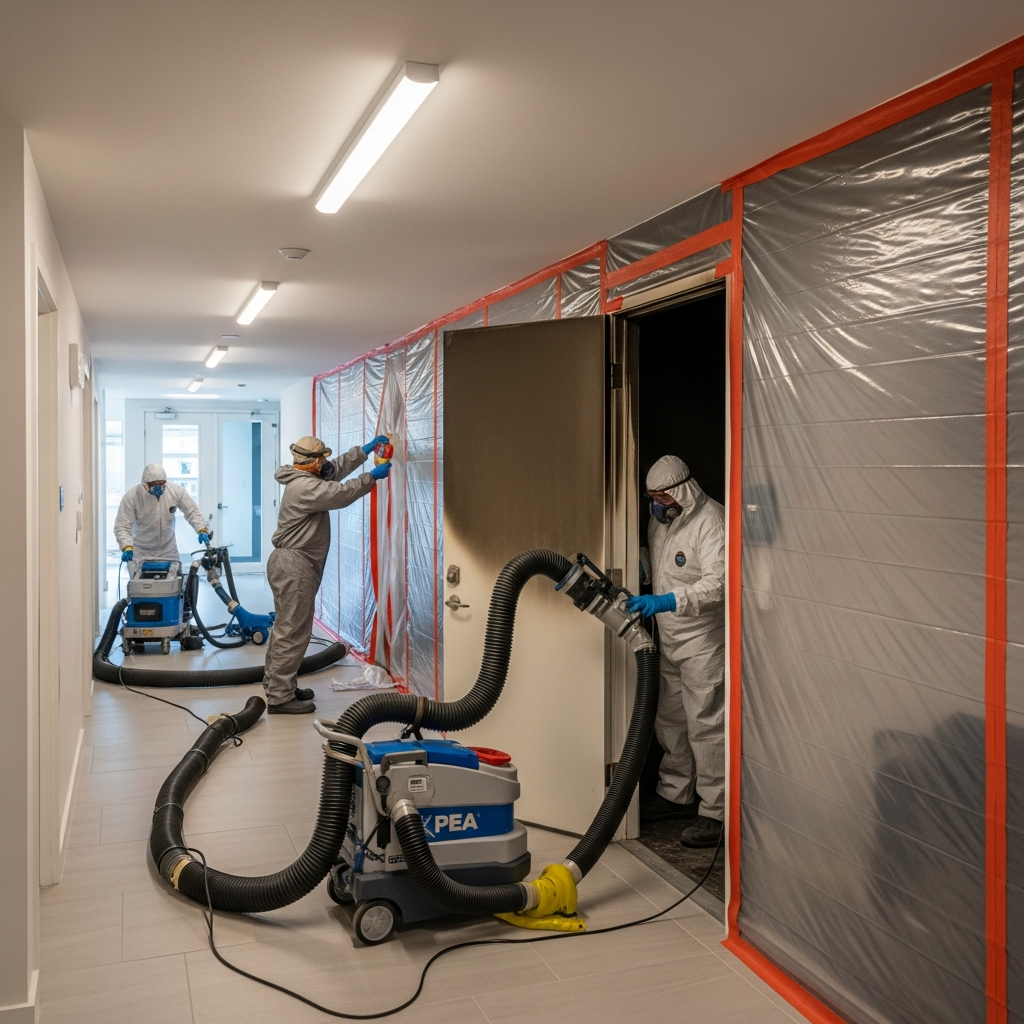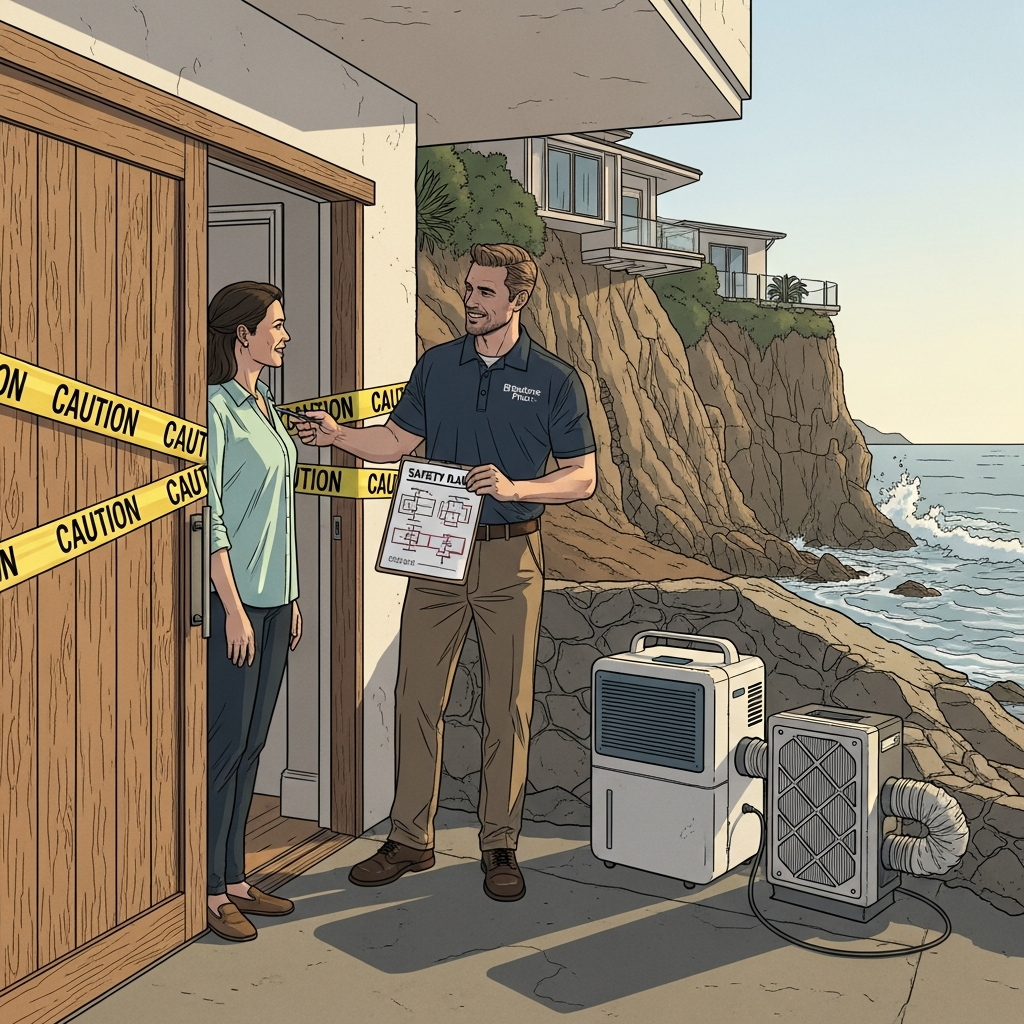
Malibu homes have a way of teaching us to care for them. After a fire and a successful restoration, the work shifts from emergency response to long-term stewardship, and that’s where good maintenance becomes your best friend. The ocean breeze you love can also carry salt that interacts with residues; foggy mornings and sunny afternoons create daily swings in temperature and humidity; and hillside lots have drainage patterns that change after any major event. With thoughtful routines and a bit of local know-how, you can keep your renewed home healthy, fresh, and resilient. Here’s how Malibu homeowners can maintain the gains after completing fire damage restoration in Malibu, so the house continues to feel like itself month after month.
The first mindset shift is to see maintenance as verification. The restoration addressed smoke, soot, and moisture based on testing and careful work. Your day-to-day habits now help confirm that those results hold through Malibu’s changing conditions. Rather than waiting for odors to return or surfaces to degrade, light-touch routines catch small changes early—before summer heat, winter storms, or Santa Ana winds make them bigger.
Air Quality: Keep It Clean and Measured
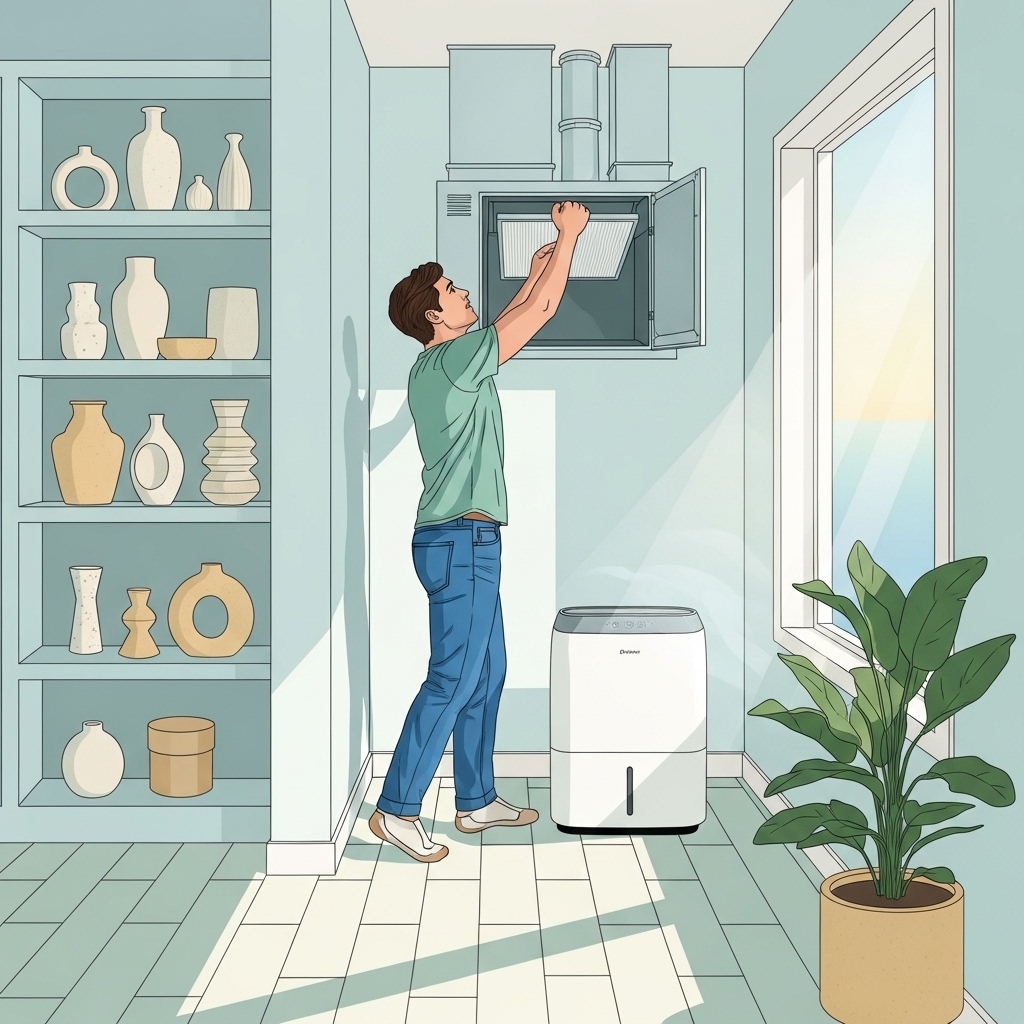
After restoration, your indoor air should feel lighter and cleaner. To keep it that way, treat HVAC care as part of the home’s weekly rhythm. Change filters on the schedule recommended by your restorer—often more frequently at first—so any residual particulates caught during the tail end of work don’t recirculate. If your home uses coastal-exposed equipment, a quick visual check of outdoor units helps catch salt accumulation or debris that can restrict airflow. Consider periodic duct inspections if you notice dust reappearing unusually fast or if construction occurs nearby; Malibu’s open doors and windows lifestyle is wonderful, but it can invite fine particles on breezy days.
Portable air purifiers can supplement the central system in key rooms, especially bedrooms. Look for true HEPA units sized for the space. Use them during events that kick up particulates—repainting a wall, moving a rug, or hosting a crowded gathering. The goal isn’t to live in a bubble; it’s to maintain a background of clean air that supports the fresh baseline the restoration established.
Humidity and Drying Discipline
Our marine layer and nighttime cooling create humidity swings that interiors feel. Even a small leak or spill can take longer to dry if it happens in a cool corner of the house. Keep a simple hygrometer in living areas and bedrooms to learn your home’s rhythm. If indoor humidity creeps up consistently, use ventilation or a dehumidifier to keep levels in a comfortable range. That discipline protects finishes, prevents musty odors, and lowers the risk of microbial growth in areas that were once wet during suppression.
Bathrooms and laundry rooms deserve special attention. Good exhaust ventilation and just a few extra minutes of fan use after showers make a difference. Check caulking around tubs and sinks; post-restoration, these details help maintain the integrity of surfaces that were cleaned and resealed.
Surfaces, Finishes, and Gentle Care
After a fire, some surfaces may have been cleaned and treated with products chosen to neutralize residues. Maintain them with gentle cleaners compatible with those treatments. For natural stone, avoid acidic products that can etch; for woods, use manufacturer-recommended polishes that don’t build waxy layers trapping dust. If your restorer applied a specialized sealer to a previously affected area, confirm which maintenance products are safe so you don’t compromise performance.
Windows and glass can develop a light film if ocean mist meets residual particulates from outside. A regular wash schedule keeps views clear and protects seals. When cleaning frames, particularly metal near the coast, a quick fresh water rinse and dry prevents salt from sitting too long where it can start corrosion.
Textiles and Soft Goods
Upholstery, draperies, and rugs that were restored will remain fresh longest when dust is managed. Vacuum with HEPA-equipped machines and rotate rugs seasonally. If a room sits closed for a while, air it strategically—ideally during drier parts of the day—to avoid drawing in damp marine air that can revive stale smells. If you notice a sudden odor after weeks of freshness, don’t panic; track the source. Sometimes a forgotten cushion or a closet with poor airflow is the culprit, not a systemic issue.
Bedding and closet items benefit from breathable storage. Skip sealed plastic bins for long-term storage in favor of containers that let fabrics breathe. In a coastal environment, airflow is your friend.
Exterior Areas: The Other Half of the House
Decks, patios, and outdoor kitchens are integral to Malibu living, and they deserve the same care as interiors. Rinse soot-prone surfaces after windy days, especially during fire season when ash from regional events can travel. For stainless features, a gentle detergent wash followed by a fresh water rinse and thorough dry helps deter pitting. Keep drains and scuppers clear so the first rain doesn’t track debris where you just cleaned.
Landscaping also plays a role in maintenance after restoration. If a fire altered ground cover or if suppression changed drainage, watch for new erosion patterns. Mulch, plantings, or temporary erosion control can protect slopes and keep fine ash from migrating onto hardscapes or into entryways. The goal is to keep the outside from undoing the cleanliness you’ve achieved inside.
Systems Check: The Quiet Workhorses
Electrical panels, plumbing manifolds, and smart-home hubs are the quiet backbone of a comfortable Malibu home. If they were inspected or cleaned during restoration, schedule follow-up checks. Early detection of corrosion on terminals or subtle leaks saves money and avoids disruptions. Listen to your HVAC for changes in sound or efficiency; salt air and post-fire fine dust can alter performance over time. Addressing small inefficiencies quickly keeps systems running smoothly and supports good indoor air quality.
Appliances deserve the same attention. If any were exposed to smoke, confirm recommended maintenance intervals. An early service call to clean coils and inspect gaskets can extend life and prevent odors from sneaking back during humid spells.
Documentation and Routine
Keep a simple maintenance log—digital or a notebook in a kitchen drawer. Note filter changes, professional visits, and any odors or issues you observe. Patterns emerge quickly when you write things down, making it easier for a technician to pinpoint causes. In Malibu’s dynamic climate, routine is your ally. A few consistent habits outperform occasional deep efforts that come too late.
If your restoration included specific warranties or recommendations, store them with the log. When questions arise—about a cleaning product, a finish, or a system alarm—you’ll have the original guidance at your fingertips, saving time and avoiding guesswork.
Neighbors, Community, and Timing
Maintenance isn’t just about the house; it’s about the neighborhood. If a windy week deposits ash along the block, coordinate a common cleanup so particles aren’t blown back and forth from one driveway to another. Schedule louder tasks during appropriate hours; a cooperative approach keeps relationships smooth, which matters in communities with limited parking and steep access. When your home looks and feels well cared for, it sets a tone that often inspires others—and makes any future response easier and faster if the neighborhood faces a widespread event.
Timing, too, is a maintenance tool. Plan deep cleaning before the driest winds of the year or ahead of the winter’s first big storm. In Malibu, choreography beats intensity; small, well-timed efforts quietly protect your investment.
When to Call for Help
Even with good habits, some signs call for a professional eye. If a room develops a recurring odor tied to humidity or temperature shifts, there may be a concealed source. If a wall shows staining or paint blistering, moisture may be trapped. If an appliance or lighting circuit starts acting up after months of calm, post-fire exposure could be at play. Early consultation usually leads to simpler fixes than waiting until a small clue becomes a larger problem.
Remember that restoration doesn’t end the day crews pack up; it evolves into care. There’s no shame in asking for a short recheck or advice on a new condition. Malibu homes are complex, and the best outcomes happen when homeowners and local experts stay in conversation.
Real-World Malibu Maintenance Wins
One homeowner above Broad Beach installed a small dehumidifier in a media room that had once been damp during suppression. Combined with regular HVAC filter changes, the room stayed odor-free through a long humid spell that had neighbors complaining about musty smells. Another family near Malibu Park established a weekly routine to rinse their outdoor kitchen and railings. Months later, their stainless still looked fresh, while a similar setup down the street showed early pitting. In both cases, modest, consistent attention made the difference.
Inside, a Serra Retreat home with a high open-beam living room used portable purifiers during gatherings and on windy days when doors were open for hours. Dust loads dropped, and the space stayed crisp without sacrificing the indoor-outdoor life they love. These are the small habits that keep a restored home feeling newly restored.
How Often Should I Change HVAC Filters After Restoration?
Follow the schedule provided by your restorer; often that means more frequent changes for the first few months, then returning to a standard interval. Monitor filter condition and your home’s dust levels, adjusting for seasons and use.
What If I Smell Odor on a Foggy Morning?
Humidity can make residual odors more noticeable. Track whether the smell is localized or house-wide, then ventilate strategically during drier parts of the day. If it persists in a specific area, consider a professional check for concealed sources.
Do I Need to Reclean Exterior Surfaces After Wind Events?
Usually, yes. Ash and fine dust travel easily along the coast. A quick rinse and wipe prevent residues from settling into textures and being tracked inside, keeping interiors fresh.
Are Dehumidifiers Necessary in Malibu?
Not always, but they’re helpful in rooms with limited airflow, basements, or spaces that were once wet. A small unit used during humid spells can maintain the comfort and cleanliness restored during mitigation.
Which Cleaning Products Are Safe on Treated Surfaces?
Ask your restorer for a list matched to any sealers or finishes applied. In general, gentle, pH-appropriate cleaners preserve performance and appearance. Avoid harsh acids on stone and wax-heavy products on wood.
How Can I Protect Stainless and Electronics Near the Coast?
Regular light cleaning, fresh water rinses, and thorough drying deter salt-related corrosion. For electronics, keep dust down, ensure good ventilation, and schedule periodic inspections if they were exposed during the fire.
When you care for a restored home with steady, informed habits, you extend the benefits of the work and simplify your life. If you’d like a tailored checklist or a seasonal walkthrough focused on your property’s needs, connect with local experts who understand this landscape. Begin by exploring trusted support for fire damage restoration in Malibu, and keep your home fresh, safe, and ready for the next blue-sky morning.