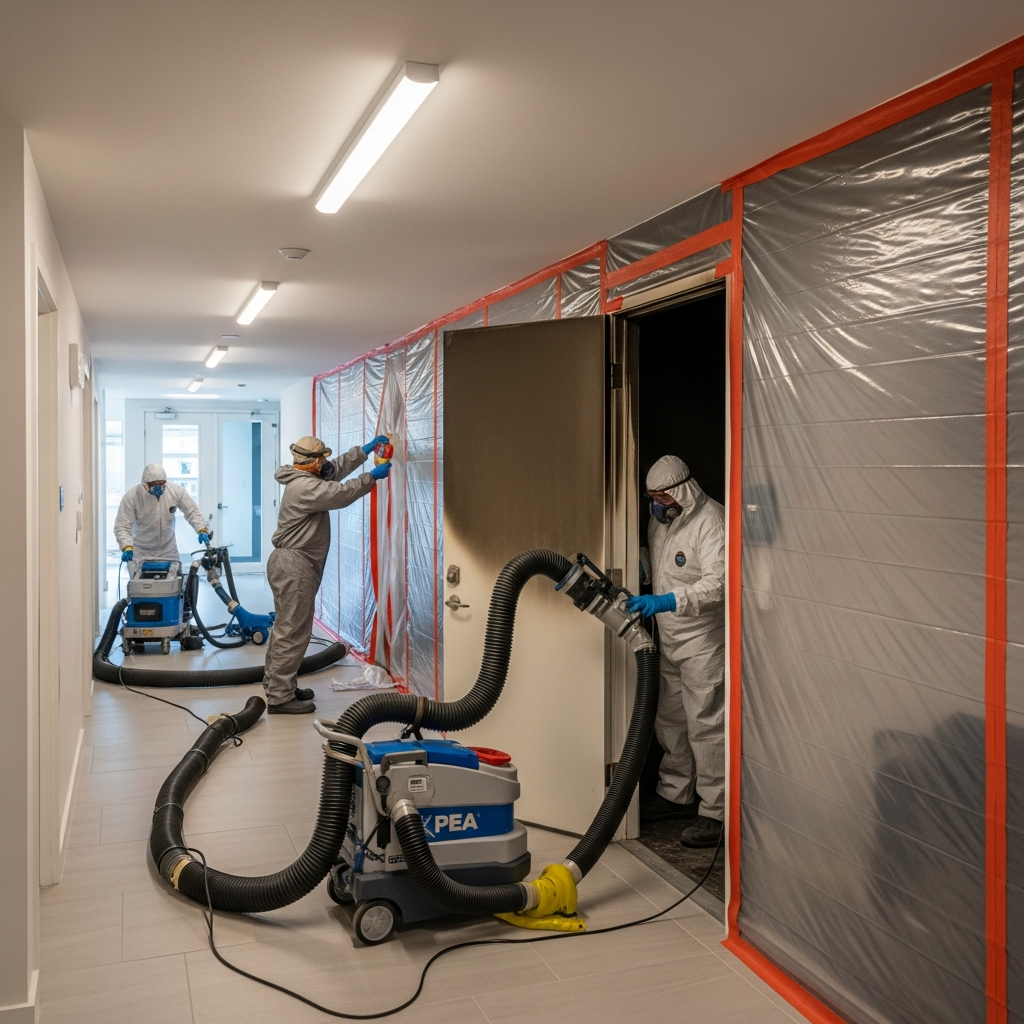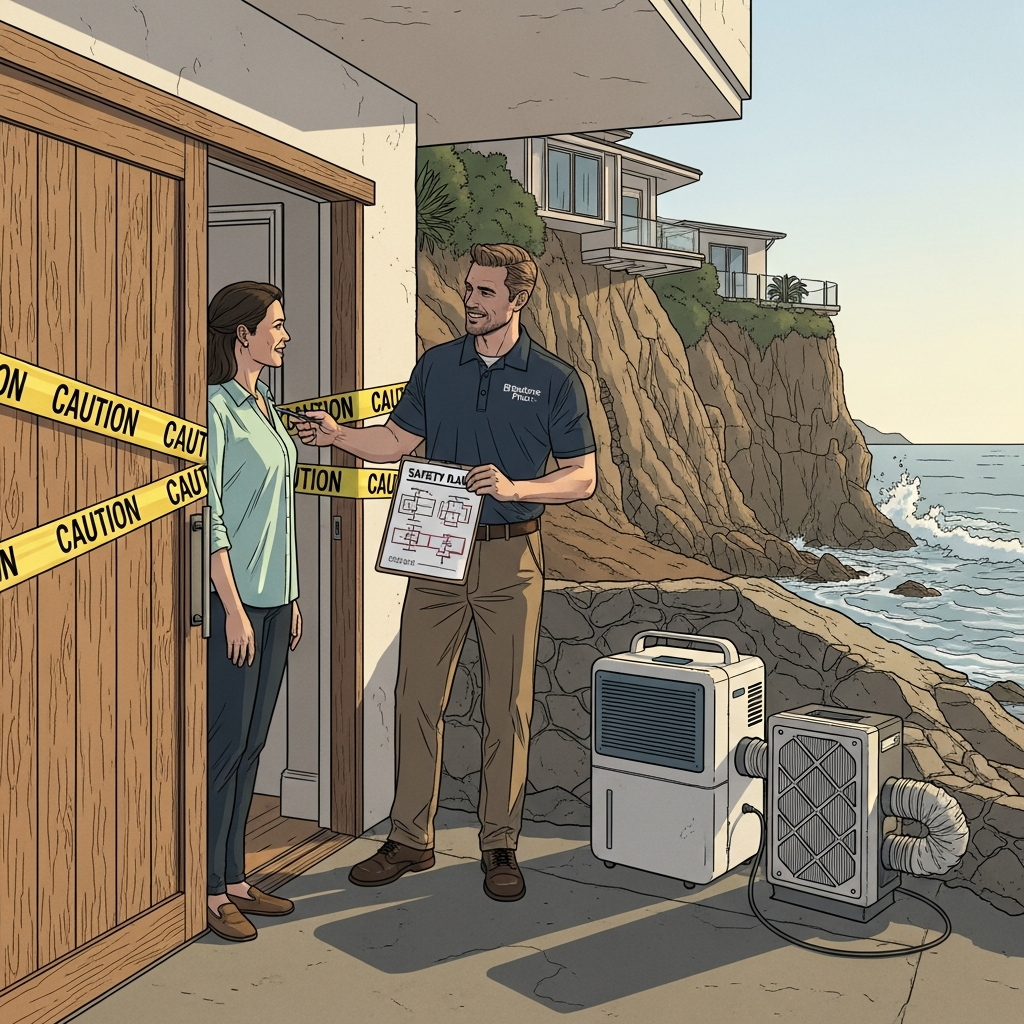
When a Malibu home is professionally restored after a fire, the focus naturally shifts to enjoying normal life again. Yet the weeks and months that follow are an opportunity to protect the gains you’ve made and to strengthen your home against future challenges. As a local who has walked countless properties from Encino ridge lines to Malibu beach bluffs, I’ve seen how smart maintenance turns a successful restoration into lasting resilience. The process begins with conscientious housekeeping and monitoring, but it also includes a few strategic habits that match our coastal climate. If you’ve just crossed the finish line of repairs, take a breath—and then set a plan anchored by professional fire damage restoration guidance, tuned to the unique conditions of Malibu.
Post-restoration maintenance is about momentum. The materials in your home have been cleaned, dried, deodorized, and, where necessary, replaced. Keeping them in peak condition depends on understanding how smoke residues, moisture, and salt air behave over time. A little attention delivered at the right intervals maintains indoor air quality, preserves finishes, and prevents small concerns from becoming big ones.
Indoor Air Quality as a Daily Practice
Right after a project wraps, your air will likely be noticeably cleaner thanks to HEPA filtration during the work and a freshly serviced HVAC system. Sustain that benefit by changing filters on schedule and by using higher-efficiency filters that your system can handle without strain. Open windows during gentle onshore breezes to flush stale air, but be mindful during high-wind events, when dust and salt can ride the gusts. If your restoration included sealing of affected materials, give those encapsulants the best chance to perform by maintaining stable humidity inside.
HVAC Follow-Through and Duct Confidence
Many Malibu homes had their HVAC inspected or cleaned during restoration. Keep that investment working by scheduling a follow-up duct inspection within six months to a year, especially if you notice any faint odors when the system starts up after being idle. It’s also wise to ensure supply and return grills remain dust-free; a light vacuuming can prevent accumulation that would otherwise require more aggressive cleaning later.
Monitoring for Moisture and Hidden Intrusions
Water used during firefighting tends to find complicated paths through walls and floors. Even after professional drying, continue to watch for subtle changes: baseboard swelling, cupping on wood floors, or unexpected condensation on windows. In Malibu’s marine layer, these signs can be faint yet meaningful. If something doesn’t look right, call for a moisture assessment before a minor issue becomes a larger repair.
Surface Care for Restored Finishes
Different materials need different maintenance rhythms. Natural stone counters respond best to pH-neutral cleaners, while oiled or waxed wood benefits from products formulated for that finish. Where encapsulants were applied to reduce odor migration, avoid harsh solvents that could compromise the protective layer. The restoration’s final documentation should include care notes; keep them handy and follow the recommendations.
The Role of Gentle Deodorization
If your nose picks up a hint of smoke on an unusually hot afternoon, don’t panic. Heat can transiently draw out faint odors from deep within porous materials, even after successful restoration. Gentle ventilation and time often resolve these episodes. If they persist, a targeted check in attics, crawlspaces, or behind built-ins may be in order. A light, professional touch can refresh localized areas without revisiting the entire home.
Electrical and Mechanical Peace of Mind
Restored homes sometimes include replaced fixtures, updated breakers, or newly serviced appliances. Keep the momentum by testing GFCI and AFCI circuits seasonally and by listening for unusual sounds from mechanical equipment. If corrosion was a concern early in your project, consider a quick check of metal components near coastal exposures at the six-month mark to confirm treatments are holding up.
Exterior Maintenance With Fire in Mind
Malibu’s beauty comes with seasonal fire risk. Maintenance after restoration should incorporate exterior habits that reduce ember intrusion. Clear roof valleys, inspect screens and ember-resistant vents, and ensure weather-stripping sits tight at doors and windows. These small actions preserve the gains made inside by keeping new contaminants from finding their way back in during windy periods.
Landscape Choices That Support the Home
Consider how vegetation near your structure plays into maintenance. Plants that shed fine material can feed gutters and collect against siding, both of which complicate cleanup after wind events. Thoughtful spacing and routine trimming support defensible space without sacrificing the lush feel many Malibu properties enjoy. When a home and its immediate landscape cooperate, you spend less time reacting and more time enjoying.
Documentation and the Value of a Home Log
Restoration projects generate a wealth of information—material data sheets, care instructions, inspection photos. Keep that information accessible in a home log, physical or digital. Add to it with your own notes about filter changes, small repairs, and observations. This running history helps future technicians, supports warranty claims, and gives you confidence that small details aren’t slipping through the cracks.
Midyear Check: Light Touch, Big Payoff
About halfway through the first year, schedule a light check-in with your restoration partner. A quick walkthrough, moisture spot checks in historically damp areas, and a review of any concerns you’ve logged can keep everything on track. This is also a sensible time to ask whether a specific area—like an attached garage or a room seldom used—needs a targeted refresh. In the same spirit, a midcourse consultation with a professional focused on fire damage restoration can fine-tune your maintenance routine to Malibu’s seasonal rhythms.
Preparing for Peak Wind Events
As summer gives way to fall and the Santa Anas begin to stir, shift your maintenance to prevention. Inspect exterior caulking and weather-stripping, confirm attic access panels fit snugly, and ensure HVAC filters are fresh. If you’ve invested in ember-resistant upgrades, verify they are intact and free from debris. A few pre-season hours can save days of deodorization later.
Protecting High-Value Contents
If your restoration included conservation cleaning for artwork, textiles, or heirlooms, follow any special care guidance provided by specialists. Display choices matter, too: avoid mounting sensitive pieces in areas prone to temperature swings or direct sun, and consider protective glazing if recommended. Periodic, gentle dusting with appropriate materials protects finishes and reduces the need for deeper interventions.
Communication With Your Team
Maintenance is easier when you have a trusted point of contact. Reach out if you notice new patterns—an intermittent odor, a window that fogs only in the morning, a spot that seems to collect residue. Local professionals who understand Malibu’s microclimates can interpret these signals and propose simple fixes before they become big projects.
Frequently Asked Questions
How often should I replace HVAC filters after restoration?
Follow your system’s specifications, but many homeowners benefit from checking filters monthly for the first few months and then settling into a quarterly schedule, adjusting for pets, occupancy, and seasonal winds.
Is it normal to notice faint odors months after a fire?
Occasionally, yes—particularly during heat spikes that draw out trace compounds. If odors persist or intensify, a targeted inspection can locate and address any remaining reservoirs.
What signs suggest hidden moisture might still be present?
Look for baseboard separation, slight cupping in wood floors, or recurring condensation on windows. Early attention from a professional can prevent bigger repairs later.
Do I need to have ducts cleaned again?
Not necessarily, but a follow-up inspection within the first year confirms the system remains clean and that odors aren’t reemerging from the HVAC pathway.
How can I keep corrosion at bay near the coast?
Wipe down metal hardware periodically, maintain stable indoor humidity, and confirm that any protective treatments applied during restoration are performing as expected during your midyear check-in.
If you’ve completed repairs and want to lock in those gains with a maintenance plan that fits Malibu’s climate and your home’s design, partner with a local team that treats stewardship as seriously as emergency response. For clear guidance, seasonal tune-ups, and reliable help when questions arise, lean on experienced fire damage restoration professionals who know these hills and this coastline. The right habits today will keep your home fresh, healthy, and ready for whatever the wind brings tomorrow.