When a fire disrupts a Malibu home, the experience is more than a structural event—it’s a personal and community moment that calls for calm, expertise, and a plan. In neighborhoods from Point Dume to Malibu Canyon, we live with the dual realities of breathtaking coastal beauty and seasonal fire risk. That’s why understanding the key benefits of professional restoration is essential long before an emergency ever happens. In this guide, I’ll break down what local homeowners gain from experienced teams, the subtleties that Malibu’s climate and terrain introduce, and how to think about recovery in a way that protects your health, your investment, and your peace of mind. If you’re exploring your options or want to be prepared, start by learning what comprehensive fire damage restoration in Malibu actually looks like in practice.
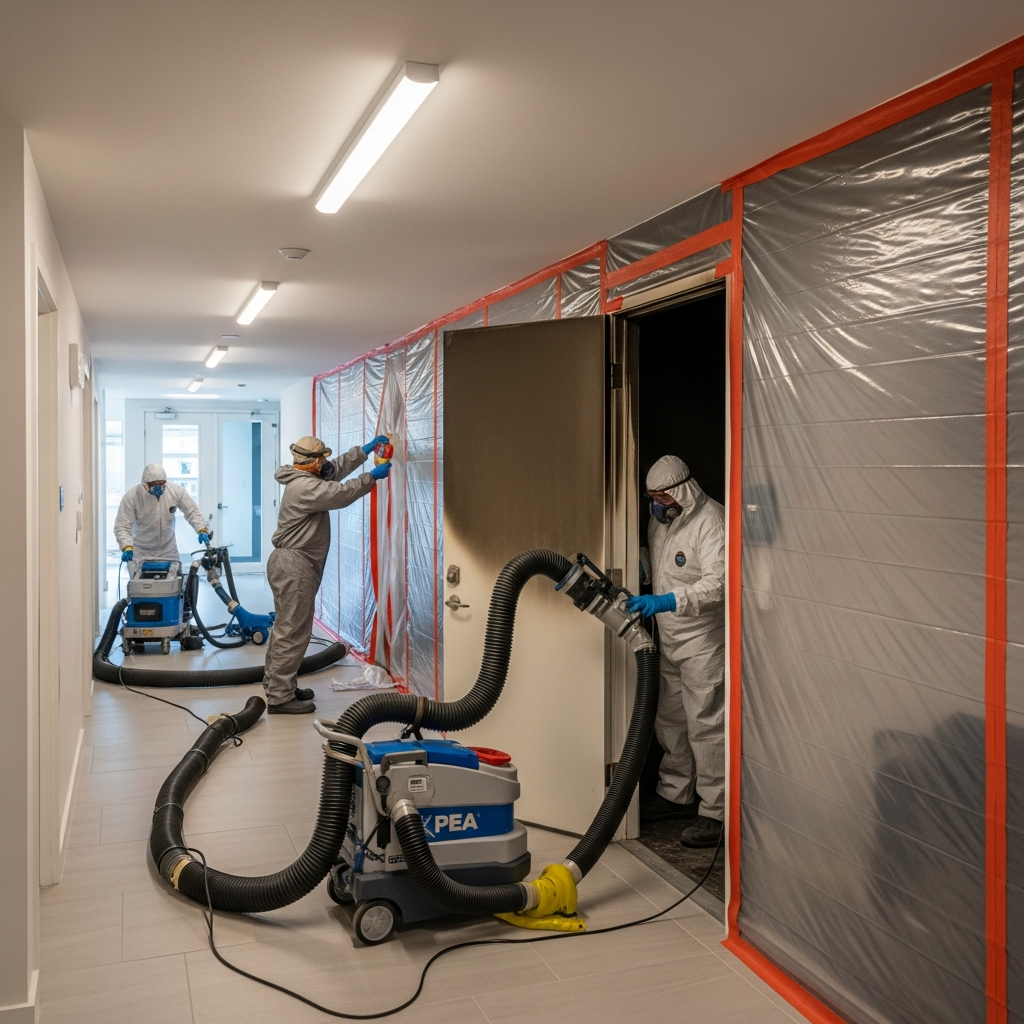
First, it helps to reframe restoration as a health and environmental service as much as a construction task. Smoke and soot travel in ways that surprise even long-time residents: up open stairwells, through tiny gaps around recessed lighting, into HVAC returns, and along rooflines where wind eddies trap contaminants. Here on the coast, our marine layer and salty air can interact with acidic soot, accelerating corrosion on metal fixtures and electronics. A qualified team knows how to assess air quality, isolate affected zones to prevent cross-contamination, and remove residues so they stop reacting with moisture and coastal salts. That kind of thoughtful approach reduces risk for family members, pets, and neighbors while setting the stage for a cleaner rebuild.
Protecting Structure, Systems, and Long-Term Value
Homeowners often focus on visible burn damage, but the real story is hidden in the assemblies—the framing cavities, insulation, subfloors, and roof systems that determine whether a house feels fresh again or keeps whispering reminders of smoke months later. Skilled local restorers understand our area’s typical construction: stucco-on-frame with vapor profiles that differ from inland homes; timber decks that face the ocean; expansive glazing that traps heat and smoke; and hillside foundations that channel water when firefighting flows down a slope. A trained eye spots charred structural members that must be removed rather than encapsulated, pulls targeted samples for soot testing, and maps moisture from suppression efforts before it becomes a mold problem in our humid nights.
Another benefit is precise documentation. In Malibu, many homes incorporate custom finishes—hand-hewn beams, imported tile, and specialty coatings. Professional crews catalog losses and conditions in a way that’s usable for adjusters and building officials, drawing a clean line between what needs replacing and what can be restored. That clarity speeds approvals, reduces disputes, and preserves the spirit of the original design while aligning with current building codes. In a community where architectural character matters, that balance between authenticity and modern safety is worth its weight in gold.
The Malibu Context: Terrain, Winds, and Coastal Conditions
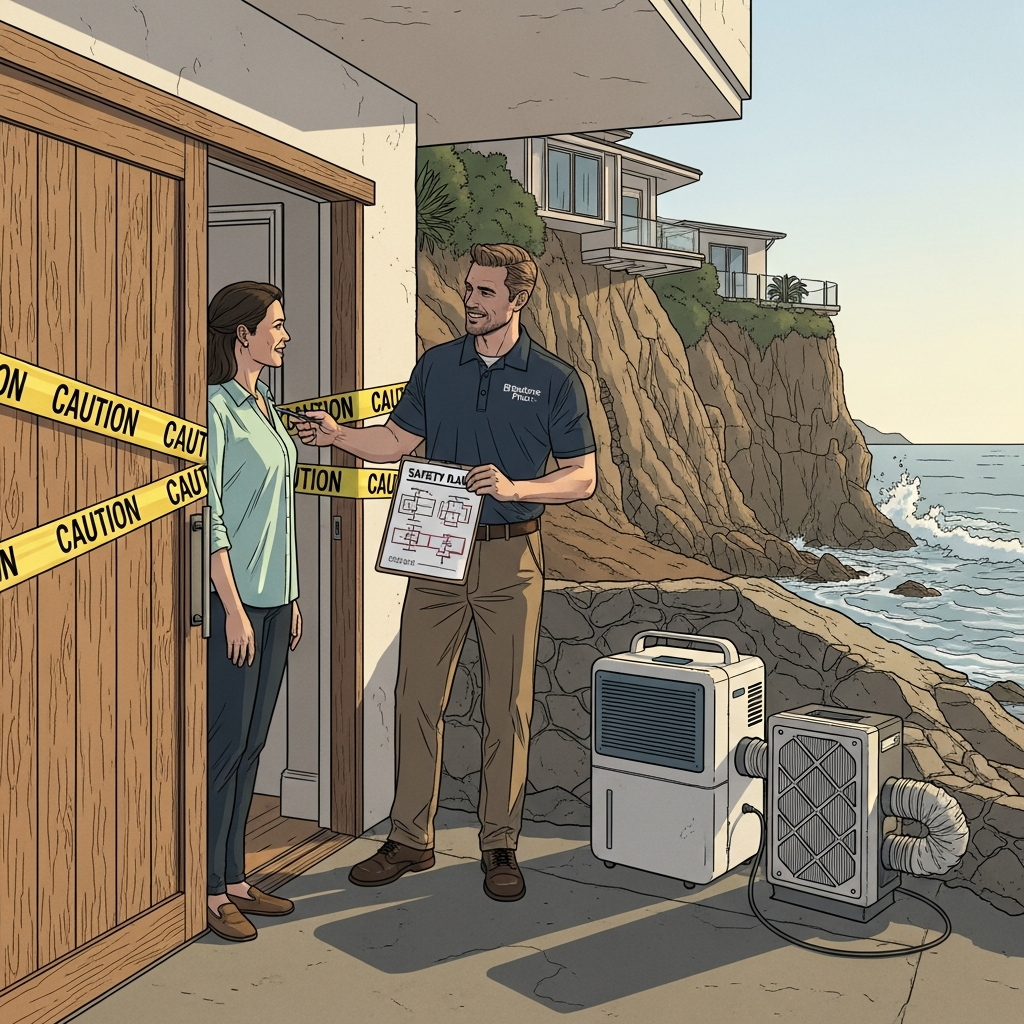
We all know the rhythm of the year here: foggy mornings giving way to sunlight, then those hot Santa Ana winds that roll off the canyons and, on the wrong day, can intensify a small incident into a serious event. Restoration has to anticipate that rhythm. Negative air machines need to be placed where wind doesn’t blow soot back into the living space. Debris removal should consider hillside stability so post-fire erosion doesn’t undermine foundations or pathways. Even something as simple as where the crew parks matters on narrow streets off PCH so neighbors can pass and emergency vehicles stay unimpeded. Local knowledge makes everything smoother, safer, and more respectful of the community.
And then there’s corrosion. Salt air can be a quiet enemy after a fire, reacting with soot residues to pit stainless appliances, tarnish fixtures, and degrade electronics. Effective restoration neutralizes residues early, dries building assemblies thoroughly, and recommends targeted replacement of vulnerable components. The benefit you’re buying isn’t just a one-time cleanup; it’s a long tail of better performance for your home’s systems, from HVAC coils to smart-home wiring that may have been exposed to heat and particulate.
Speed, Sequencing, and Peace of Mind
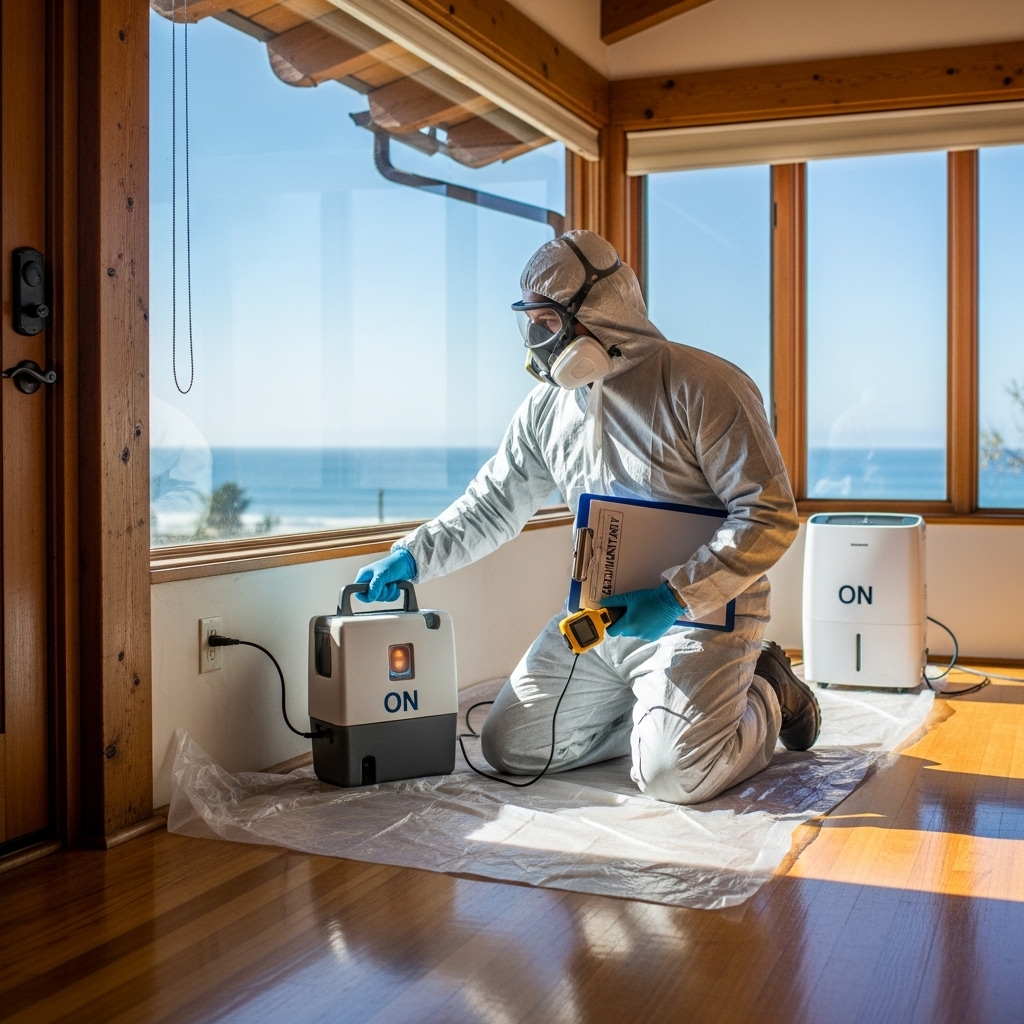
One of the biggest advantages of bringing in professionals is the order of operations. There’s a choreography to recovery: securing the site; assessing structural safety; extracting water; stabilizing humidity; removing bulk debris; cleaning, deodorizing, and sealing; and then repairing. When that sequence flows, the house moves steadily from chaos to calm. Miss a step—seal before moisture is verified, for instance—and you can lock in odors or future mold. Malibu pros are attuned to our microclimates, timing drying equipment to daytime warmth and safeguarding at night when ocean air cools and condenses. That cadence reduces downtime for families and ultimately shortens the path back to normal life.
Coordination also extends beyond the job site. Permitting in Malibu has its own tempo and expectations, particularly if work touches the exterior or hillside drainage systems. Restoration teams that know the local process can prepare documentation in a way that answers reviewers’ questions before they’re asked, from smoke migration narratives to materials submittals. The benefit is fewer delays and a project that feels guided rather than improvised.
Health Benefits You Can Feel
There’s a reason people walk into a well-restored home and immediately comment on the way it smells—or more accurately, the way it doesn’t. Properly managed deodorization goes beyond masking. It removes the odor sources themselves, then addresses what remains with methods matched to the material: gentle cleaning for delicate finishes, deeper alkaline cleaners where protein soot is present, and sealing only when indicated by testing. In homes near the beach, fabrics and rugs can trap odor more stubbornly because they absorb salt-laden moisture. Targeted textile cleaning and controlled off-site treatment break that cycle so beach air smells like beach air again, not like the aftermath of smoke.
For families with respiratory sensitivities, that attention really matters. HEPA air filtration, careful containment, and clearance testing all provide confidence that it’s safe to reoccupy. These steps are not extras; they’re standard for crews that understand Malibu’s expectations and the importance of wellness in a home. The benefit of having pros who can explain their testing methods and results is peace of mind that doesn’t rely on guesswork.
Restoration as Risk Reduction
Think of restoration as a chance to make your home stronger. During the process, hidden vulnerabilities reveal themselves: embers that found their way under eaves, gaps in weatherstripping, attic insulation that no longer performs after heat exposure. Addressing those issues while the house is open is faster and less invasive than returning months later. Many Malibu homeowners choose to incorporate updates like ember-resistant vents, noncombustible decking surfaces at egress points, and better firestops around penetrations. These aren’t rebuild extravagances; they’re practical risk-reduction measures that pay dividends in future seasons.
Oddly enough, the same crews that remove soot are often your best guides for these upgrades, because they’ve seen how fire and smoke actually move through local homes on real days with real winds. They know which corners of a typical canyon-side house take the brunt of smoke and which materials tend to hold odor. That field experience translates into recommendations you can use, rather than generic advice that might not fit our coast-meets-mountain reality.
Insurance Navigation and Documentation
Another benefit that doesn’t get enough attention is how restoration shapes the insurance experience. Organized teams create a map of what happened, what’s needed, and why. They capture pre-mitigation conditions, track moisture and particulate data, and write scopes that align with the language of policies while staying true to the actual conditions onsite. In Malibu, where homes often contain custom elements, that rigor prevents important details from getting lost in translation and helps ensure that approved work matches the needs of your home, not a generic template from somewhere far inland.
When communication is clear, everything flows: adjusters respond more quickly, approvals are easier to obtain, and the trades can schedule efficiently. That adds up to real benefits for families who want less time in temporary housing and more time back in their own routines. In the middle of that process, it helps to have a central reference for scope and schedule; many local providers offer homeowner portals or at least a steady cadence of updates so you’re never wondering what’s next with your fire damage restoration in Malibu.
Examples From Around the Community
Consider a home above Zuma where smoke traveled along a sloped ceiling, lodging in the insulation behind tongue-and-groove planks. The visible boards looked fine, but thermal imaging and particulate testing told a different story. Selective removal, off-site ozone-free deodorization of salvaged planks, and careful reinstallation preserved the original look while eliminating odor. In another case near Serra Retreat, water from suppression pooled behind a built-in cabinet on a slab. Without moisture mapping, a quick cosmetic repair could have trapped that moisture. Instead, targeted drying saved the built-in, avoided mold, and protected indoor air quality. These aren’t rare anecdotes; they’re the everyday wins of careful, local restoration.
Even exterior living areas deserve attention. In Malibu, outdoor rooms are often true extensions of the home—kitchens, lounges, and yoga decks that take full advantage of the view. Fire can leave soot in the microscopic texture of stucco, stone, and composite decking. Specialized washing and neutralization bring those spaces back without etching finishes or driving residues deeper. The result is a home that feels whole, not a patchwork of rooms at different stages of recovery.
Choosing a Team That Fits Malibu
Not every restoration company is set up for Malibu’s logistics. It helps when crews plan around PCH traffic patterns, coordinate on-street parking on narrow roads, and maintain respectful relationships with neighbors and HOAs. It also helps when they’re realistic about access to hillside lots and use equipment that doesn’t overwhelm sensitive sites. The benefit to homeowners is a calmer project with fewer surprises and less friction. Ask how a team stages materials, handles debris hauling without clogging lanes, and protects landscaping; those practical details are good predictors of whether you’ll feel supported from start to finish.
Communication style matters too. The best experiences I’ve seen involve teams that explain what they’re doing, why it matters, and how each step protects your home. That transparency builds trust and makes it easier to make decisions along the way, whether it’s opening additional walls for peace of mind or preserving a cherished feature that can be cleaned and refinished rather than replaced.
From Emergency to Renewal
Fire puts a home through an ordeal, but restoration can be an inflection point—a chance to return to normal stronger, safer, and more confident than before. When professionals guide containment, cleaning, drying, and repairs in a sequence matched to Malibu’s climate, you get more than a surface fix. You get a home that breathes cleanly, systems that function reliably, and finishes that stand up to ocean air and sunny afternoons with the doors flung open.
The benefits echo into the future, from easier maintenance to better ventilation and defensive measures that reduce risk. As our community continues to adapt to changing weather patterns and growth along the canyons, those choices matter. They’re how we protect the character of Malibu while ensuring that homes remain sanctuaries even after a challenging day.
What Is the Single Biggest Benefit of Professional Restoration?
Peace of mind, anchored by measurable results. You’re not guessing whether smoke is gone or hoping moisture will dry; you’re verifying with readings, tests, and a clean environment that feels—and is—healthy. In Malibu, where environmental factors can complicate recovery, that confidence is invaluable.
How Does Malibu’s Coastal Climate Change the Cleanup?
Salt in the air accelerates corrosion and can react with soot residues. Professionals use cleaning agents and sequences that neutralize acidity, dry assemblies thoroughly, and recommend selective replacement of components likely to fail early if left in place. They also account for marine layer moisture that can slow drying at night.
Will My Home Still Smell Like Smoke?
Not if the work is thorough and evidence-driven. Odor sources must be removed, not just covered. That can mean opening concealed spaces, cleaning ductwork, and treating surfaces appropriately before any sealing step. Clearance evaluations help confirm that odors won’t creep back when humidity rises.
How Long Does Restoration Typically Take?
Timelines vary with scope, access, and permitting. A focused mitigation phase—stabilization, drying, and cleaning—can move quickly, while specialty repairs and finishes take longer. Teams familiar with Malibu’s permitting and logistics keep momentum by anticipating reviews and scheduling trades efficiently.
Can I Stay in the Home During the Process?
Sometimes, in clearly separated and safe areas, with containment and air filtration in place. Many families prefer temporary accommodations during the most active cleaning and drying. A good team will outline options, risks, and milestones so you can make an informed choice that fits your family’s needs.
What Upgrades Should I Consider During Restoration?
Look at ember-resistant vents, improved weatherstripping, noncombustible surfaces near exits, and better attic and crawlspace sealing. These changes are easier to make while walls and ceilings are open and can significantly reduce risk in future wind events.
If you’re ready to protect your home’s health and value and want a local team that understands Malibu’s unique terrain, climate, and expectations, reach out for expert guidance and a clear plan. You can begin by exploring trusted options for fire damage restoration in Malibu and taking the first step toward a home that feels like itself again.