Beachfront living in Malibu is a dream for good reason—the silver line of the Pacific at sunrise, a breeze that smells faintly of kelp, and the sound of waves folding over sand. Yet when a fire intrudes on that peace, restoration on the beach demands a different playbook from inland projects. Salt air, wind-driven embers, and the daily swing between sun-warmed afternoons and cool, damp evenings create conditions that can complicate every step from tarping to deodorization. I have walked these shorelines after long nights, stepping over tide-wet driftwood while calling in crews to stabilize homes that sit just feet from the foam line. The right approach, grounded in local practice and disciplined technique, returns those homes to health faster and with fewer surprises. That begins with immediate coordination and the confidence of a team fluent in fire damage restoration for Malibu’s oceanfront properties.
Beach houses breathe differently. Even well-sealed builds can draw in salt and ash through microgaps as the marine layer cycles in and out. In older bungalows, the patina that makes them charming can also make them absorbent, pulling smoke deep into tongue-and-groove ceilings and plank floors. Meanwhile, modern beachfront architecture frequently includes large expanses of glass and complex mechanical systems that need thoughtful protection. Understanding these realities ensures decisions made in the first hours set the stage for a complete recovery.
Securing oceanfront structures against wind, salt, and surge
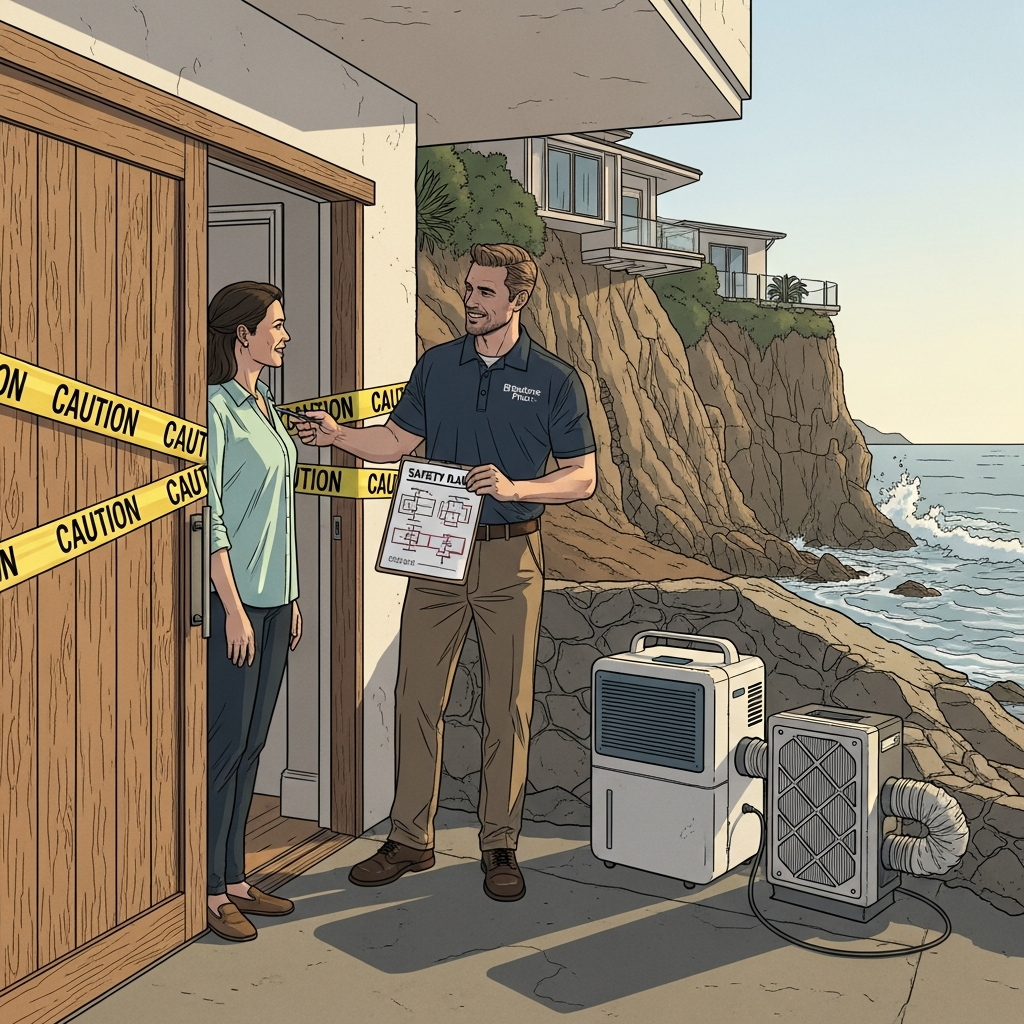
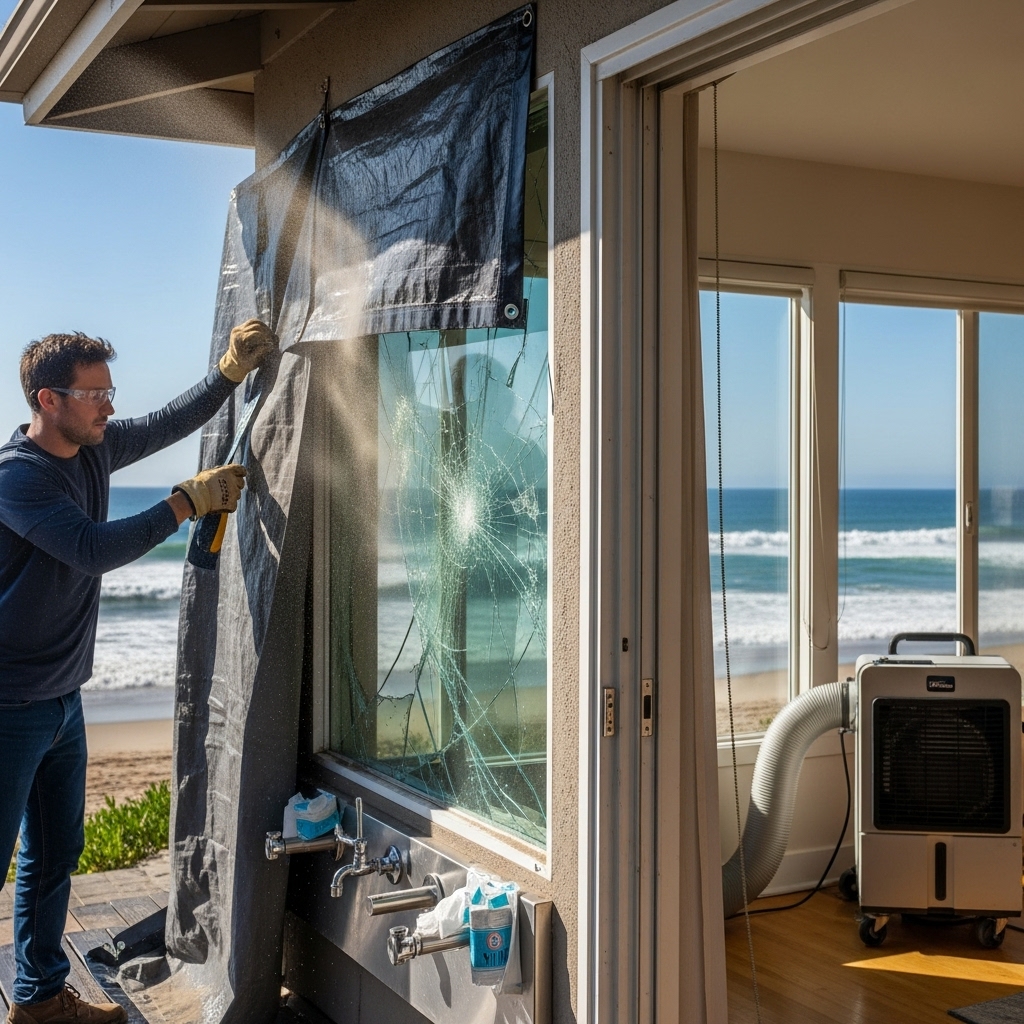
On the sand or perched above it, oceanfront homes require stabilization that accounts for dynamic conditions. A standard tarp will not survive a gusty afternoon if it is not anchored to resist uplift. We choose materials and methods that hold under coastal wind loads and schedule installation to avoid peak winds. When high tides combine with storms, we also plan access for crews and equipment around beach restrictions, timing work to keep the home secure without violating environmental guidelines or disturbing neighbors.
Board-ups at the beach must be tight. Salt-laden air is surprisingly aggressive, and even a small gap can invite condensation overnight, feeding corrosion and fostering odor rebound. We use corrosion control wipes on fixtures and stainless surfaces immediately, buy time with controlled dehumidification, and protect clean rooms before soot or salt can migrate further into the home.
Managing water and humidity with precision
In many beachfront fires, water from suppression or sprinkler systems poses as great a threat as the burn itself. Malibu’s ocean air holds moisture that readily finds its way into open materials. Drying requires a deliberate balance; too much airflow can drive contaminants deeper, while too little slows progress and allows secondary damage. We monitor conditions closely, adjusting dehumidification to keep equilibrium, and we avoid opening the home to the sea breeze unless it is truly beneficial for the phase of work.
Hardwood floors common to beachfront homes present special considerations. Sand and salt can grind into the grain after a fire. Before aggressive cleaning, we remove abrasive residues with careful HEPA vacuuming and tack cleaning to prevent scratching. Moisture mapping ensures that cupping or crowning is identified early, giving us options to salvage flooring that might otherwise be mistakenly replaced.
Smoke behavior in beach architecture
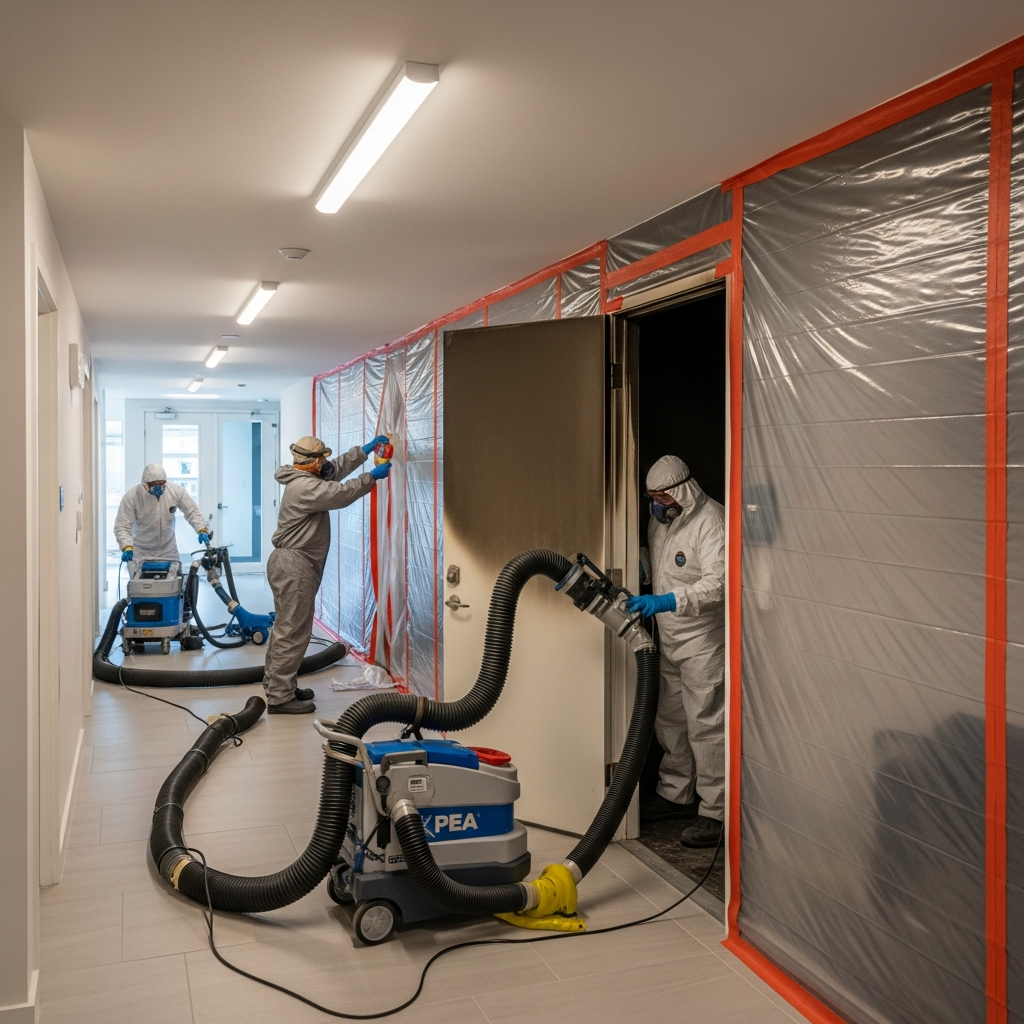
Large sliding doors, clerestory windows, and high ceilings create beautiful sightlines and complex air pathways. When a fire occurs, smoke can rise into beams and soffits that are difficult to access without specialized tools. We combine source removal with targeted agitation and filtration, and we always remember that odor follows the physics of air. A beachfront home that cools quickly after sunset can pull smoke into wall cavities and back out the next day. Addressing this requires cleaning to the boundaries of the air system, including the HVAC, not just the visible surfaces.
In homes with integrated smart systems, electronics need special attention. Soot is acidic, and in the presence of salt, it can corrode contacts at an accelerated rate. Early, gentle cleaning and controlled drying help protect sensitive components until specialists can evaluate them. Quick decisions here often save days or weeks later.
Contents care for coastal living
Beachfront homes hold unique treasures—surfboards waxed and re-waxed over decades, woven rugs brought back from trips, and art that reflects the living light off the water. Salvaging those pieces is part science, part empathy. We sort by material and porosity, stabilize what must be protected immediately, and decide what should be packed out to a controlled environment. Textiles can be successfully deodorized if pre-cleaned to remove fine particulates; art and delicate woods often require low-residue methods to avoid moisture or chemical interaction with finishes.
Outdoor furniture and decking that face the sea are a special category. Even if flames never touched them, airborne soot and salt can embed in fibers and fasteners. Addressing those surfaces early helps prevent stains from setting and reduces the spread of contaminants back into cleaned areas when the home reopens.
Permitting, neighbors, and respectful logistics
Beachfront neighborhoods demand sensitivity. Access can be narrow, parking limited, and sound amplified by the water. Trusted teams coordinate deliveries at off-peak times, keep neighbors informed, and maintain order even as the urgency of work remains high. Where permitting is needed for shoring or debris removal, we schedule proactively, recognizing that beach-adjacent regulations can add steps but also protect the coastline we all share.
Insurance documentation at the beach also benefits from local familiarity. Adjusters respond to detailed reporting that ties actions to the coastal environment: why corrosion control was immediate, why dehumidification continued overnight despite cool air outside, and why certain windows could not be opened due to onshore winds. This clarity smooths approvals and keeps the project moving.
Odor removal that stands up to the marine layer
Odor is the lingering reminder nobody wants. On the beach, it can seem to disappear midday and return with a cool evening breeze. We treat odor at the source by removing char and residues, then we apply counteractants and sealers where appropriate, always testing first. We combine filtration with controlled ventilation, and we verify progress instead of hoping for a change. When HVAC systems serve as odor reservoirs, we arrange professional cleaning and replace filters promptly, ensuring the system does not reintroduce what we just removed.
Success is measured when the home smells clean at dawn, at noon, and after sunset, across multiple days. That consistency tells us the building has released what it held and is ready for finishing touches without risk of rebound.
Mid-project coordination and milestone checks
At the halfway point of many beachfront restorations, it helps to pause and confirm that the plan remains aligned with conditions on site. Moisture readings, equipment logs, and odor checks inform whether we can scale back containment, move more contents back, or invite trades to begin repairs. This is a good time to revisit scope with your adjuster and to confirm that our approach follows recognized standards for fire damage restoration in coastal settings. Regular, honest checkpoints prevent small issues from becoming expensive do-overs later.
We also assess corrosion-prone features midstream—railings, appliances, and exterior fixtures—so that replacement decisions happen in step with restoration rather than after rebuild starts. That foresight protects schedules and budgets in the long run.
Rebuild decisions that respect the shoreline
When it is time to rebuild, choices that serve the beach environment pay dividends. Using low-porosity primers, selecting materials that resist salt corrosion, and sealing penetrations against wind-driven moisture all increase durability. Choosing ember-resistant vents and improving attic access make inspections easier and safer. None of this diminishes the character of a beach house; it simply equips it to live well in the place it belongs.
We also encourage thoughtful planning around outdoor living spaces. Cleaning and sealing decking, evaluating balcony drainage, and protecting hardware reduce maintenance and preserve the clean results of interior restoration. Your home should feel refreshed as a whole, not just in the room where the fire started.
Frequently Asked Questions
Why is beachfront fire restoration different from inland projects?
Salt air and humidity accelerate corrosion and complicate drying. Wind patterns and marine layer cycles also influence smoke migration and odor behavior. Restoration plans must account for these coastal factors from day one to succeed.
Can smoke odor really be eliminated in a beach house?
Yes, when source removal is thorough and odor control is managed across the entire air system, including hidden cavities and HVAC. We confirm results at different times of day to ensure the marine layer does not bring odors back.
Is it safe to open windows to “air out” the home?
Not always. Onshore winds can push salt and soot deeper, and damp air can slow drying. Controlled ventilation combined with filtration is typically more effective, especially during the first phases of restoration.
What about my outdoor spaces and gear?
Patios, decks, and outdoor furniture can carry residues that re-contaminate interiors. We clean those areas strategically to prevent tracked-in soot and to protect materials exposed to salt and sun.
Will my hardwood floors survive?
Often, yes. Early moisture mapping and careful cleaning allow many wood floors to be dried and refinished rather than replaced. Decisions depend on species, finish, and the severity of water exposure.
Do electronics require special handling?
They do. Soot and salt together are hard on electronics. We stabilize conditions, perform gentle initial cleaning, and coordinate with specialists to evaluate sensitive equipment before power cycles that might cause further damage.
How do you work around neighbors on a busy beach?
We plan deliveries and noisy tasks at considerate times, maintain clear walkways, and coordinate with property managers and local guidelines. Respectful logistics protect relationships and keep projects on track.
If your beachfront home needs help now, choose a local team that understands the sea air, the shifting winds, and the care it takes to bring a house back without losing its coastal soul. Reach out today for dedicated Malibu fire damage restoration that restores calm to your shoreline home, from the first tarp to the final walkthrough.