Fire and water are inseparable in most real-world restorations. In Malibu, where firefighting efforts can involve significant water application and where coastal humidity lingers, the combination challenges both structure and indoor air quality. The moment flames are out, a counterclockwise clock starts: soot is corrosive, water spreads, and humidity climbs in enclosed spaces. The best outcomes come from teams that treat these forces together, guiding your home from chaos to stability through measured steps. As you evaluate your options, it helps to revisit the core principles of fire damage restoration and how they integrate with structural drying to protect your home’s health and value.
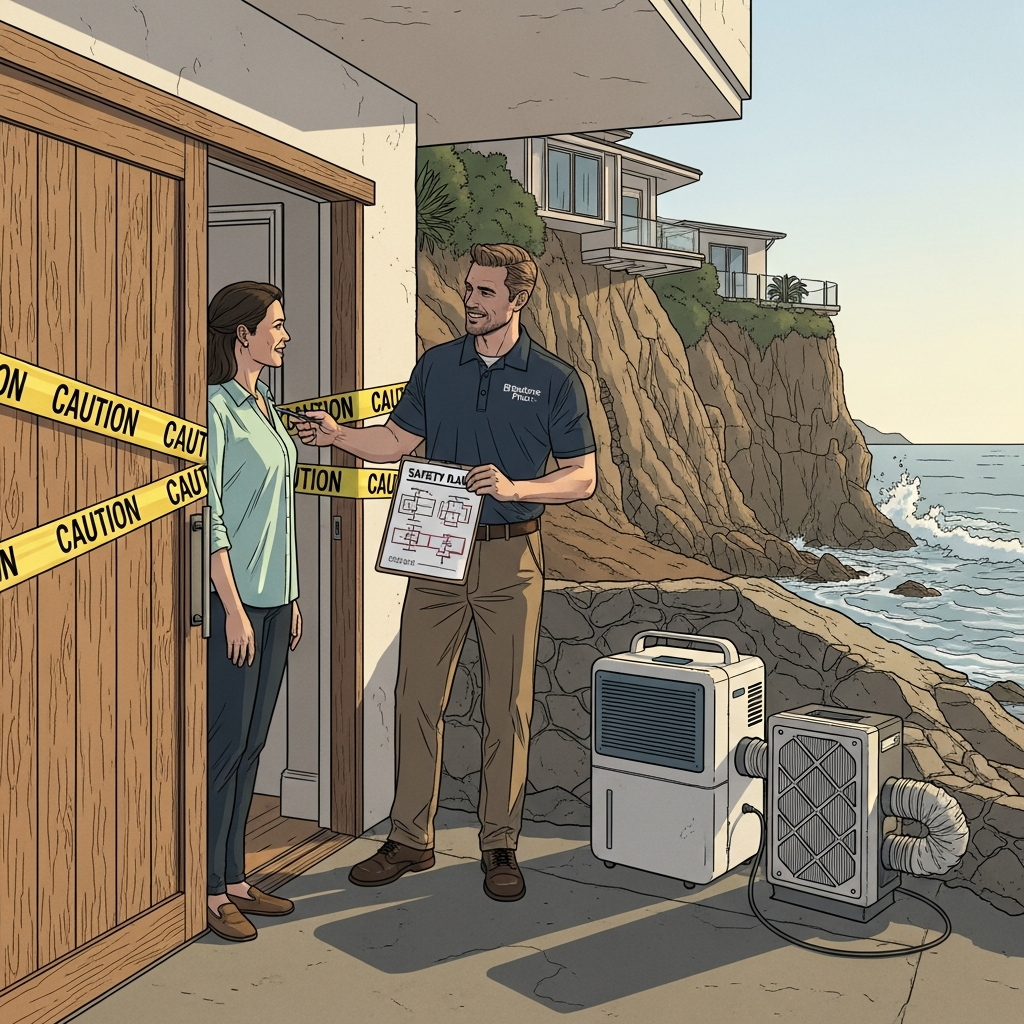
Malibu’s architecture often features open plans, high ceilings, and premium finishes that respond differently to heat and moisture. Exotic woods may swell; stone can hold odors in micro-pores; metal fixtures risk corrosion when soot meets salt air and water. Homes built into hillsides may have limited access for equipment, requiring thoughtful staging and sequencing. These local realities influence both the immediate response and the ongoing approach through cleaning, deodorization, and drying.
The First Phase: Stabilization and Moisture Control
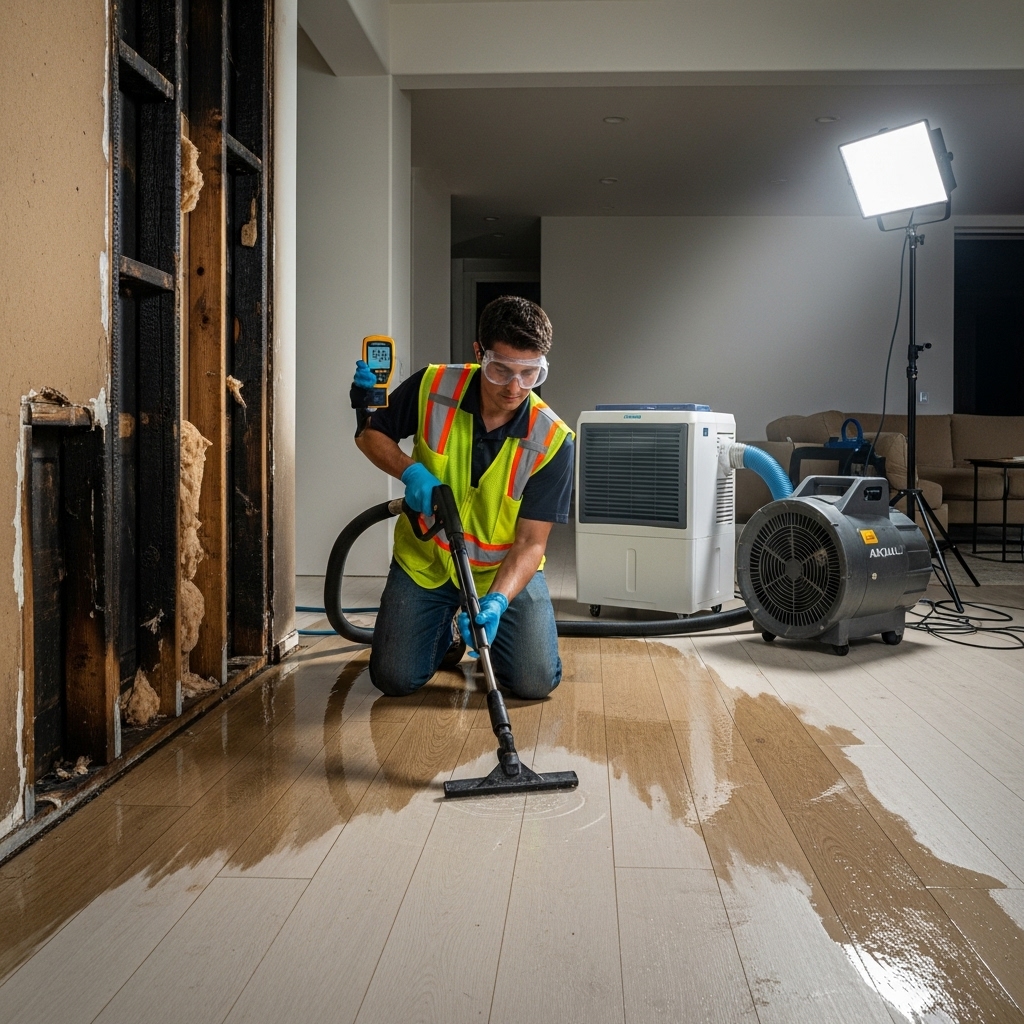
Once the fire department releases the property, the first priority is to make the structure safe and prevent further damage. Openings are secured, roof breaches are tarped, and hazards are checked. Water extraction begins immediately, pulling standing water from floors and cavities. Technicians deploy dehumidifiers and air movers strategically, guided by moisture meters and thermal imaging to locate hidden wet zones. This is not guesswork; it’s measurement-driven action that stops water from migrating and protects materials from secondary damage.
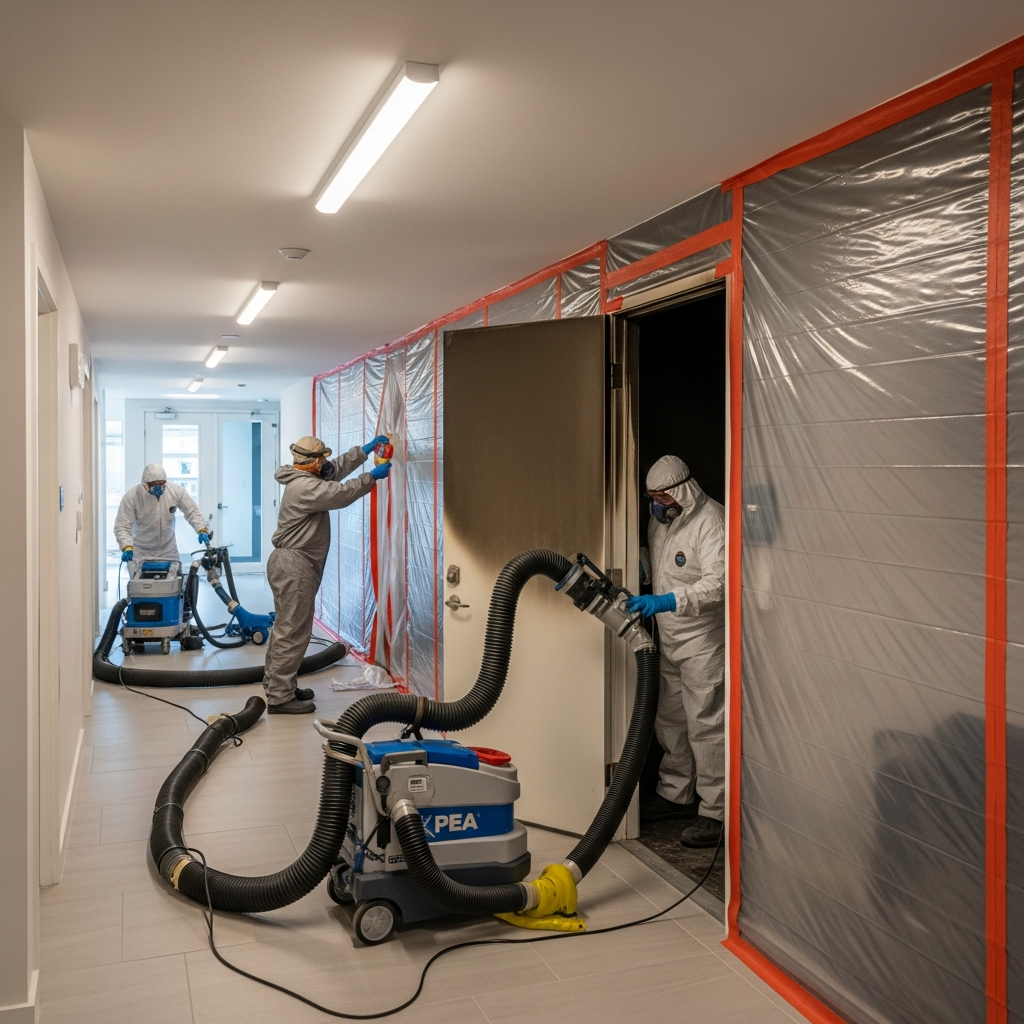
Selective removal is often necessary. Wet insulation, saturated drywall, and delaminated finishes can trap moisture and contamination. Removing them creates a clean, dryable cavity and allows airflow to reach framing. Throughout, containment and HEPA filtration protect unaffected areas from soot and particulates. These controls also limit the spread of moisture-laden air so drying stays efficient and targeted.
Cleaning and Deodorization Aligned With Drying
Effective restoration aligns cleaning with drying, not after it. Light, dry soot may be removed first to prevent smearing when moisture is present, while oily residues require chemistry and dwell times that are coordinated with dehumidification. Odor control begins with source removal, such as charred materials or soot-saturated insulation, followed by treatments appropriate to the residue type and material being cleaned. Timing matters: deodorization products and vapor-phase treatments work best when humidity is controlled and air exchanges are managed to carry contaminants out, not push them deeper into surfaces.
HVAC systems require special attention. If ducts carried smoke or if moisture entered the system, the plan may include sealing registers during cleaning, evaluating duct interiors, and addressing filters and components before the system is returned to service. In Malibu’s coastal environment, this step also helps prevent corrosion in mechanical equipment exposed to both soot and salt air.
Structural Drying: Science Over Guesswork
Drying is measured, not assumed. Technicians establish dry standards by comparing unaffected materials or referencing known targets for species and assemblies. They monitor daily, adjusting equipment placement and intensity to drive moisture toward the surface where it can be removed by dehumidifiers. Ventilation strategies are selected based on outdoor conditions; in coastal humidity, open-air drying may be counterproductive, so mechanical dehumidification is relied upon to maintain the right vapor pressure gradient.
Documentation is foundational. Moisture maps, readings, and photos track progress and provide the evidence needed for insurers and inspectors. This rigor is how teams ensure that cavities are dry before re-insulation and enclosure. It also prevents the musty odors and microbial growth that can surface months after an otherwise beautiful repair.
Materials Matter: Malibu’s Finishes and Assemblies
Custom homes often use a palette of materials that complicate restoration. Hardwood requires careful balance between drying speed and dimensional stability. Stone countertops and tile need degreasing and pH-balancing to release smoke odors without etching. Painted cabinetry can be cleaned and refinished if the substrate remains sound, while veneers and laminates may require replacement after delamination. Licensed professionals guide these choices, presenting options to preserve features you love while ensuring hygiene and durability.
Metals deserve special attention in coastal settings. Soot residues are acidic, and combined with moisture and salt air, they can accelerate corrosion on appliances, fixtures, and structural connectors. Early cleaning and neutralization, followed by protective coatings where appropriate, help maintain long-term performance.
From Mitigation to Rebuild
When drying nears completion and cleaning has removed contamination, the project shifts to reconstruction. This phase includes framing repairs, electrical and plumbing work where systems were compromised, and finish trades that return the space to its original appearance or better. Permits and inspections may be required, and experienced contractors coordinate them in a sequence that keeps progress steady. Throughout, protection of unaffected areas continues, and air filtration remains in place until dust-producing activities are complete and final cleaning is performed.
Quality control closes the loop. Odor checks confirm success, moisture readings verify dry standards, and detailed cleaning ensures a comfortable return to normal life. A strong handoff includes guidance on post-project ventilation and maintenance so results last.
Frequently Asked Questions
Why is water mitigation started immediately after a fire?
Standing water and elevated humidity can cause rapid secondary damage, including swelling, delamination, corrosion, and microbial growth. Early extraction and dehumidification stop that cycle and create the conditions needed for effective cleaning and deodorization.
Can drying and smoke cleaning happen at the same time?
Yes, when planned properly. Coordinating containment, airflow, and humidity control allows technicians to remove residues without spreading moisture or soot to clean areas. The sequence is tailored to materials and residue types.
Do coastal conditions change the approach?
They do. Malibu’s humidity and salt air can worsen corrosion and slow open-air drying. Mechanical dehumidification, careful monitoring, and extra attention to metals and mechanical systems help ensure durable results.
Will I need to replace wet drywall and insulation?
Often, yes. These materials can hold contaminants and resist thorough drying once saturated. Selective removal speeds drying, improves hygiene, and allows for proper deodorization inside cavities.
How do I know the structure is truly dry?
Professionals document moisture content with meters and thermal imaging, compare readings to dry standards, and provide a record of progress. This verification supports rebuild decisions and long-term performance.
If you want a coordinated plan that treats smoke, soot, and moisture as a single challenge—and respects Malibu’s unique environment—work with specialists in fire damage restoration. With the right team, mitigation and rebuild align seamlessly, protecting your home’s structure, indoor air, and everyday comfort.