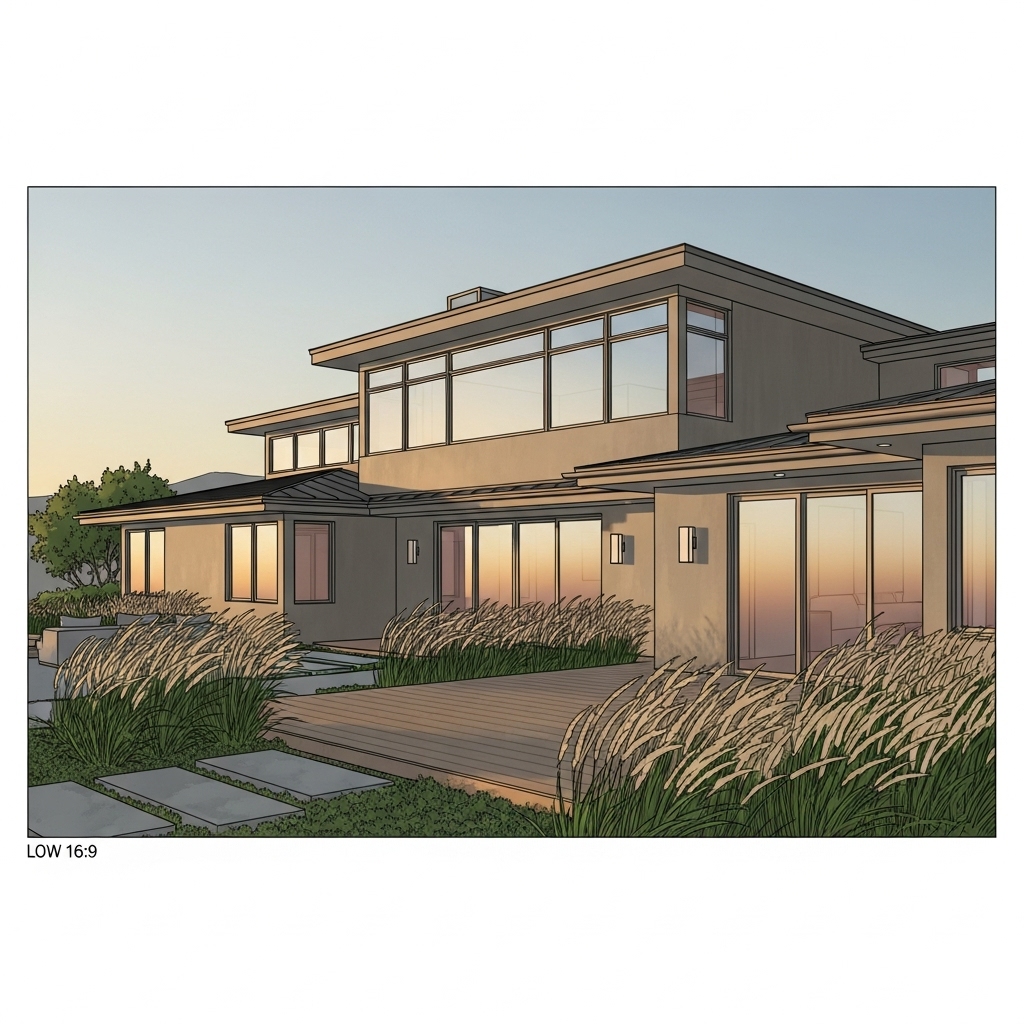
Walk the hills above the Pacific after a long season and you will see Malibu changing. Homes rebuilt after fires wear quiet armor—sleeker rooflines, ember-resistant vents, and materials chosen as much for performance as for style. The evolution is not just architectural; it is cultural, a blend of hard lessons and creative responses. In this moment, fire damage restoration is shaping properties in ways that make them healthier, smarter, and more resilient without sacrificing the effortless California feel that draws us to this coastline.
From Reaction to Resilience
One of the clearest trends is a shift from reactive repairs to proactive design. After a loss, homeowners in Malibu are using restoration as a catalyst to fortify their homes. This means choosing assemblies and finishes that resist ignition, limit smoke intrusion, and recover quickly after events. Done thoughtfully, these choices blend with the landscape and architectural character rather than broadcasting their purpose. Resilience has become an aesthetic in its own right—clean lines, durable textures, and honest materials that perform as beautifully as they look.
Material Choices That Make a Difference
Building with resilience in mind starts with materials. Class A roof systems, fiber-cement siding, stucco with proper joint detailing, and noncombustible soffits are familiar upgrades. In Malibu, decks and exterior stairs are often reimagined with fire-resistant assemblies that still capture views and coastal breezes. Inside, homeowners are selecting finishes that clean easily after smoke exposure: closed-grain cabinetry, low-porosity stone, and paints and sealers designed to limit odor absorption. The goal is not to live in a bunker, but to reduce ignition potential and simplify recovery if the unthinkable happens again.
Smarter Venting and Airtightness
Another trend is smarter air management. Ember-resistant vent screens, baffled vent designs, and careful sealing around penetrations reduce the paths smoke and embers use to enter. At the same time, we see better-balanced ventilation that preserves fresh air without compromising protection. In homes perched above the surf with open beam ceilings and clerestory windows, planning for pressure differences during wind events helps keep smoke at bay and supports healthier indoor air day to day.
Upgraded Filtration and Whole-Home Air Treatment
Malibu homeowners are investing in HVAC filtration upgrades and dedicated air purification systems designed to handle fine particulates common during wildfire season. This includes high-efficiency filters, air scrubbers, and sometimes separate fresh air systems with smart controls. During restoration, duct cleaning and sealing are paired with filter enhancements so that the system becomes a defense rather than a liability when smoke returns. The result is comfort you can feel—cleaner air, fewer odors, and confidence when red flag warnings flash.
Precision Assessment with Modern Tools
Documentation and assessment are more precise than ever. Restoration teams increasingly use digital moisture mapping, thermal imaging, and detailed photo capture to guide decisions. These tools, combined with construction knowledge, help target demolition and cleaning so that only what must be removed is disturbed. Malibu’s complex assemblies—cantilevered decks, glass walls, and hidden cavities—benefit from this accuracy. Less guesswork means faster timelines, lower waste, and better outcomes.
Elegant Fire-Resistant Landscaping
Landscape design has stepped into the restoration conversation, with an emphasis on defensible space that still feels lush and coastal. Homeowners are integrating smart irrigation, low-fuel plant palettes, and noncombustible hardscape close to structures without losing the indoor-outdoor flow we love. Meandering paths of gravel or stone, trimmed understory, and thoughtful placement of specimen trees add beauty while reducing risk. When landscapes complement building upgrades, the property as a whole becomes a more unified and resilient system.
Cleaner Builds with Thoughtful Deconstruction
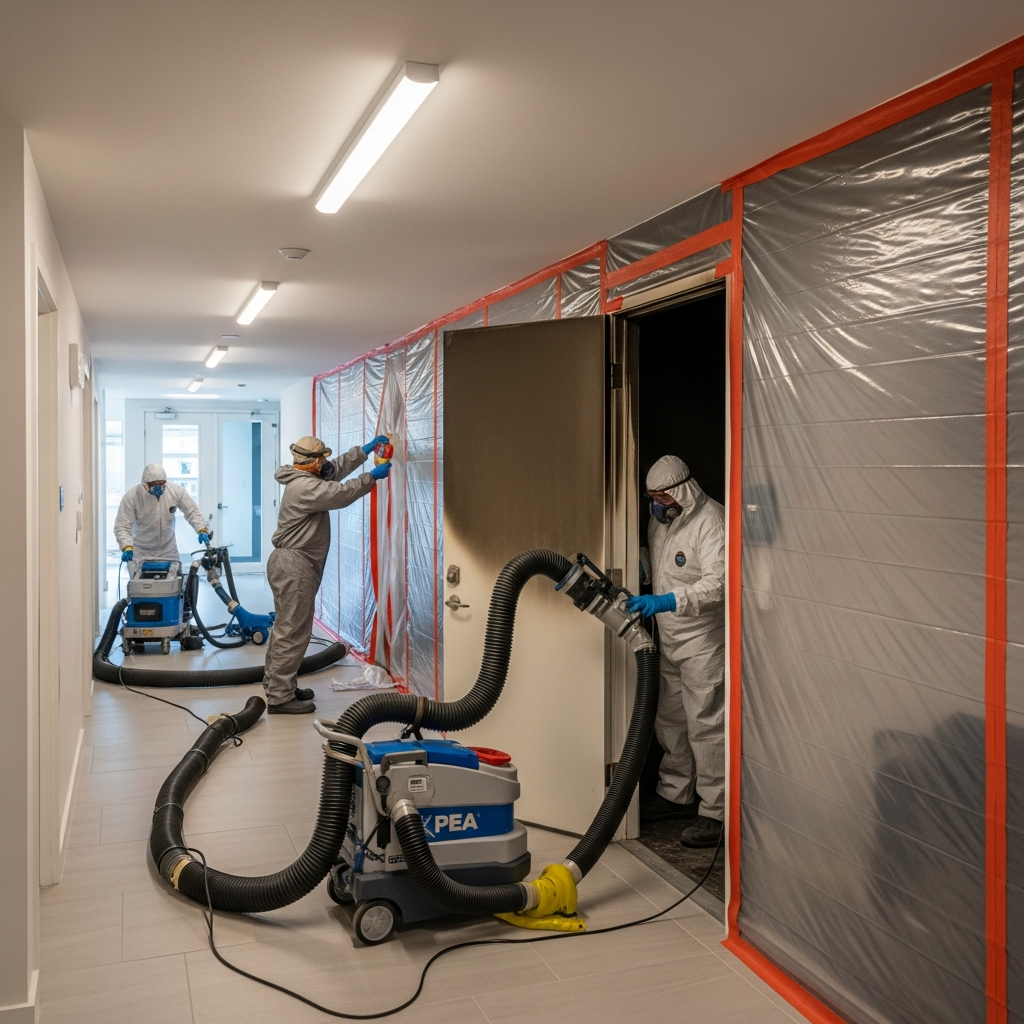
Cleaner, greener job sites are another trend. Thoughtful deconstruction diverts materials for reuse or recycling where possible, and water-smart cleaning techniques respect Malibu’s environmental sensitivities. From capturing wash water to limiting dust migration with containment and negative pressure, these practices protect workers, neighbors, and the ecosystems downhill from our homes. The result is a restoration process that aligns with Malibu’s environmental ethic.
Designing for Recovery as a Lifestyle
Recovery-minded design considers how spaces function during and after an event. Mudrooms that double as decontamination points, laundry rooms set up for quick clothes turnover, and storage that accommodates emergency supplies without cluttering living areas are practical examples. Kitchens with surfaces that resist soot staining and living spaces with fabrics chosen for durability become subtle contributors to resilience. This is restoration as lifestyle design—choices that make everyday life easier and emergencies less disruptive.
Mid-Project Audits and Third-Party Checks
We see more mid-project audits, where homeowners bring in a fresh set of eyes to review progress. This practice elevates quality and confidence, especially on complex properties. If you are midway through your own project and weighing options, consider consulting specialists in Malibu fire damage restoration to confirm that materials, methods, and sequences are aligned with best practices and your long-term goals.
Seamless Technology Integration
Technology is being woven into homes more gracefully. From heat and smoke sensors tied to smart home hubs to backup power that keeps filtration running during outages, systems are coordinated rather than cobbled together. Properly configured, these tools enhance safety without adding friction to daily routines. They also provide useful data—indoor air readings, filter change alerts, and system diagnostics that help homeowners stay proactive.
Thoughtful Finishes and Color Stories
Trends in finishes reflect durability as well as a Malibu sensibility. Light, reflective color palettes help with heat management and visually expand airy interiors. Natural textures—limewashed walls, sealed concrete, responsibly sourced wood accents—bring warmth without inviting soot to linger. Windows and doors are specified with attention to seals and hardware longevity in the coastal environment, ensuring that beauty does not come at the cost of performance.
Codes, Incentives, and the Path to Better
Local codes and guidelines continue to evolve, and restoration is often the moment when necessary upgrades are most practical. Ember-resistant construction details, safer egress routes, and improved water supply connections become part of the rebuild. When homeowners understand the intent behind these requirements, they can choose enhancements that go beyond minimums to deliver long-term value, comfort, and peace of mind.
Community-Minded Rebuilding
Restoration in Malibu is inherently community-minded. When homes are fortified and thoughtfully rebuilt, evacuation routes function better, firefighters have safer defensible space to operate, and neighbors benefit from reduced ember loads. In a place where we rely on one another—from sharing local updates to lending a hand during cleanups—these property-level upgrades contribute to a broader sense of security and continuity.
Learning from Each Season
Every fire season teaches something new. Whether it is how smoke moved through a particular neighborhood or how certain materials performed under stress, those lessons inform the next round of decisions. Savvy homeowners and seasoned restoration teams document these insights and turn them into practical changes, from vent upgrades to altered planting plans. The trend is iterative improvement—better each time, based on real experience.
Restoration as a Design Opportunity
Perhaps the most inspiring trend is seeing restoration as a creative opportunity. Malibu’s design community is adept at transforming constraints into beauty. Courtyards that improve airflow and light while creating fire breaks, exterior rooms that use noncombustible materials yet feel soft and welcoming, and artful shading that doubles as ember protection are examples of solutions that do more than one job. These projects illustrate how safety and style reinforce one another.
From Plan to Place
Trends matter most when they become part of daily life. A home that filters air quietly, sheds embers gracefully, and cleans up easily after a smoky day is a home that lets you focus on sunsets and conversations, not on worry. That is the destination of modern restoration in Malibu: practical systems wrapped in the ease of coastal living.
FAQ: Which materials are most popular for fire-resilient Malibu rebuilds?
Class A roofing, fiber-cement or stucco exteriors, noncombustible soffits, and ember-resistant vents are frequent choices. Inside, closed-grain cabinetry, sealed stone, and low-VOC, washable coatings are favored for easier cleaning and durability. Selections are tailored to the home’s style and microclimate.
FAQ: How can technology support post-restoration living?
Upgraded HVAC filtration, integrated air quality sensors, and smart alerts for filter changes or power outages keep systems effective year-round. These tools work best when designed into the home’s mechanical plan and maintained on a regular schedule.
FAQ: Are there design strategies that limit smoke intrusion?
Yes. Airtightness at penetrations, ember-resistant venting, and balanced ventilation reduce entry points for smoke and embers. Thoughtful window and door specifications with quality weatherstripping further limit infiltration during windy events.
FAQ: How does landscaping contribute to resilience?
Defensible space with low-fuel plantings, smart irrigation, and noncombustible hardscape near structures reduces ignition risk while preserving a coastal aesthetic. Proper spacing and maintenance keep landscapes vibrant and protective throughout the year.
FAQ: Can restoration be eco-friendly?
Absolutely. Selective deconstruction for reuse or recycling, water-smart cleaning practices, and durable, low-emission materials align restoration with Malibu’s environmental values. These choices often improve indoor air quality and reduce long-term maintenance, too.
FAQ: When should I bring in a restoration specialist during design?
Early involvement pays off. Collaborating during planning ensures that material selections, vent details, and mechanical systems support both aesthetics and resilience, and it streamlines permitting and construction.
If you are considering upgrades or are ready to rebuild with intention, connect with a Malibu-savvy team that can translate trends into practical results. When it is time to move from ideas to action, partner with experts in fire damage restoration in Malibu so you can create a home that is beautiful today and better prepared for tomorrow.