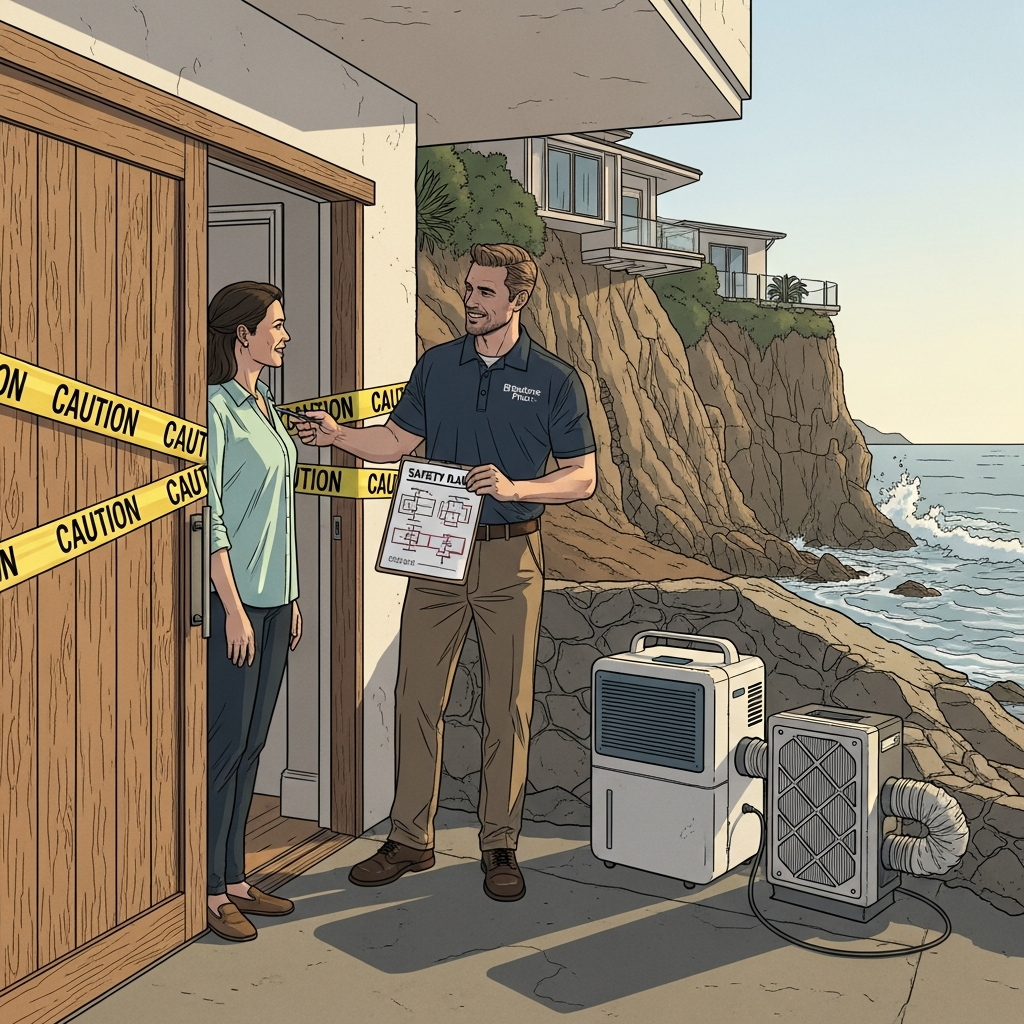
In Malibu, we learn to read the elements the way sailors read the sea. The morning marine layer tells one story, the canyon winds another, and together they shape the way homes are designed, maintained, and, when necessary, restored. Over the last several years, fire damage restoration has evolved rapidly here, driven by technology, health-focused methods, and a deepening respect for our coastal environment. When friends and clients ask what is new—what actually makes a difference in Malibu’s unique context—I point to a set of trends that are as practical as they are promising. If you are just starting your recovery or planning for resilience, grounding your decisions in up-to-date approaches matters, and references like keyword can help you navigate options with confidence.
From Clean to Clean-Air: Health-Centered Restoration
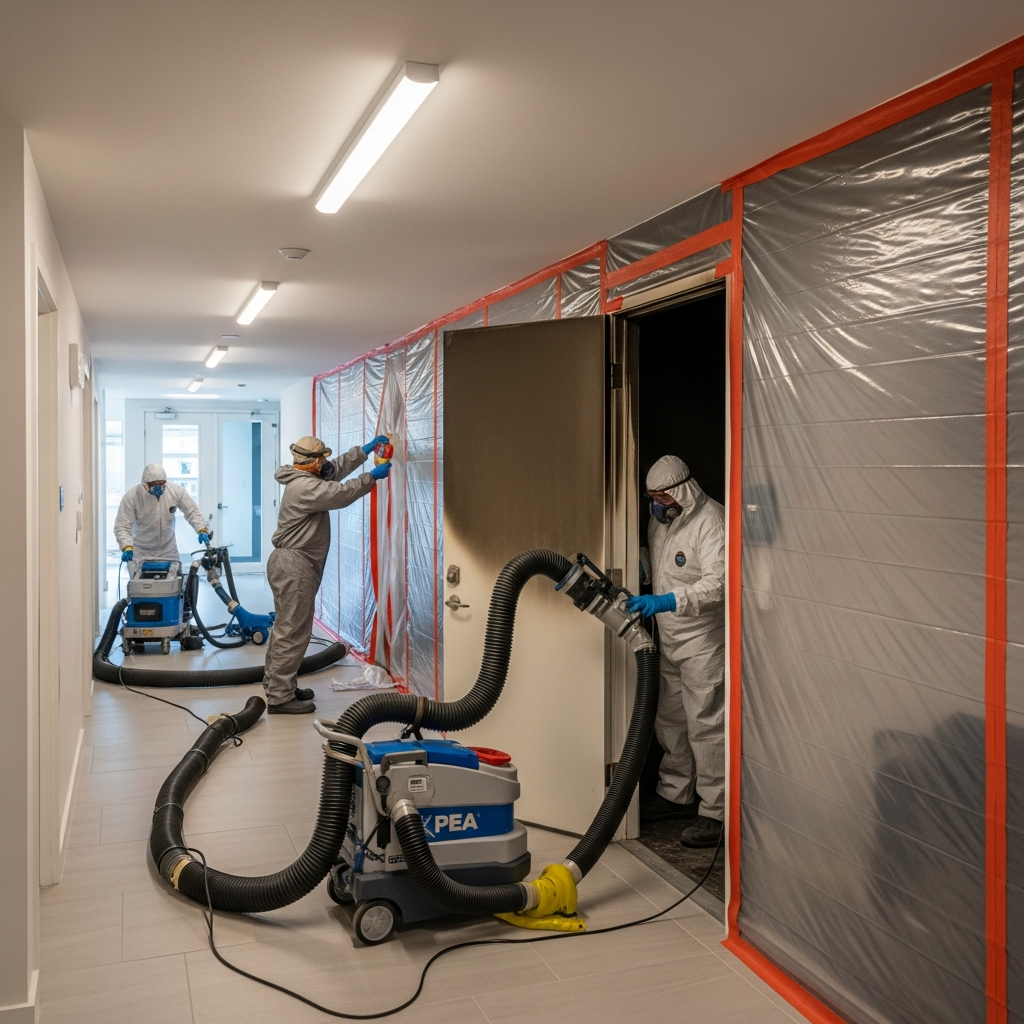
One of the most important shifts is an emphasis on air quality from day one. It is no longer enough to clean surfaces and call it done. Today’s projects start with portable HEPA filtration, negative air containment, and continuous air quality monitoring to track particulates and, in some cases, VOCs. Malibu’s open plans and large sliders are wonderful for ocean breezes, but they also invite smoke to travel unpredictably. Deploying smart monitors early gives teams real-time feedback about what is working and where containment needs to improve. This approach brings faster relief for occupants and sets a scientific baseline for progress.
Alongside monitoring, we are seeing greater use of hydroxyl generators in occupied spaces. Unlike ozone, hydroxyl treatment allows people and pets to remain in the home while odors are reduced. The caveat is that it works best as part of a layered strategy that includes cleaning and source removal. In Malibu’s coastal conditions, where sun exposure and humidity swing, that flexibility is welcome; work can continue during the day without creating downtime just for deodorization.
Precision Drying and Targeted Demolition
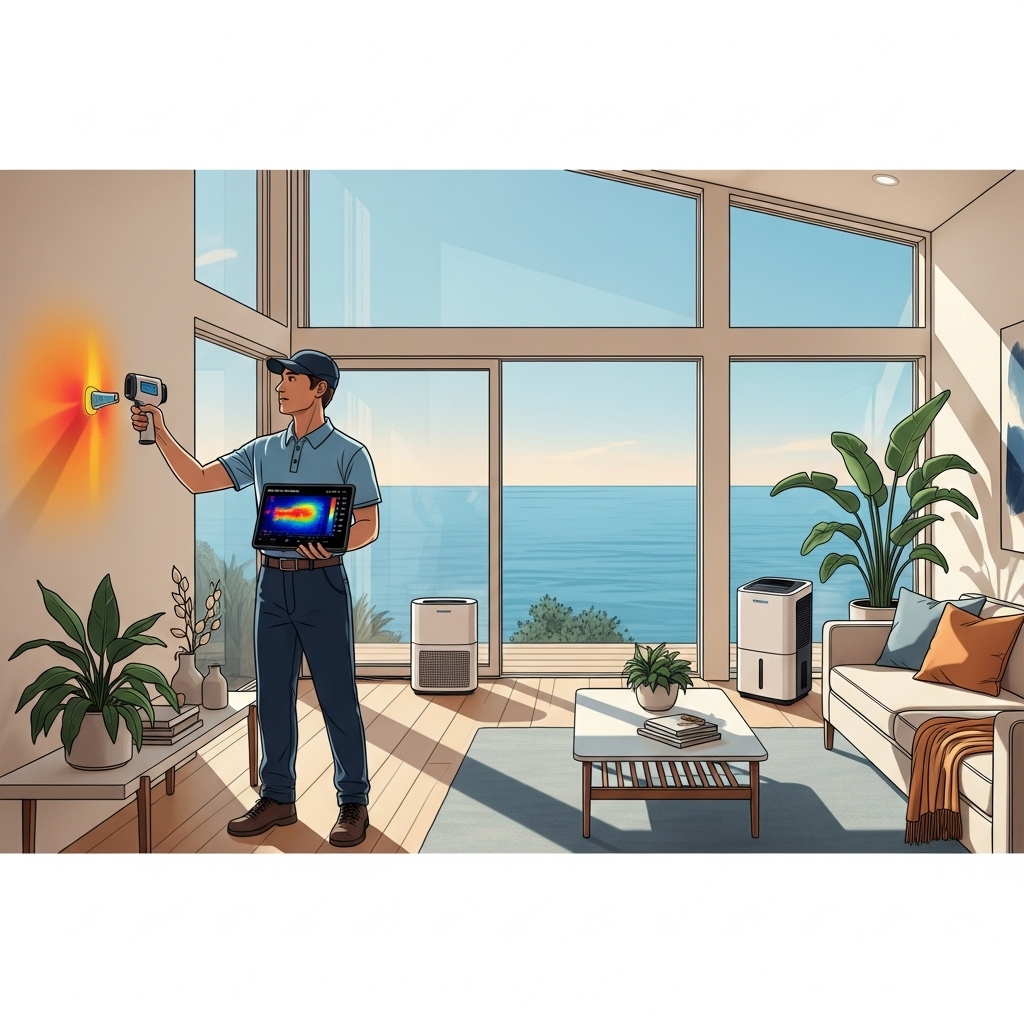
Water from suppression is as much a part of restoration as smoke. A trend with real traction is precision drying using smart dehumidifiers and remote sensors. Instead of over-demolishing to be safe, teams map moisture and remove only what cannot be dried effectively, preserving materials and reducing waste. In hillside homes with complex framing and stepped foundations, targeted drying prevents moisture migration into vulnerable areas. It is better for the building and for the project timeline.
Coupled with this is a greater reliance on non-invasive inspection tools—thermal imaging, pinless meters, and flexible scopes—to see into chases and cavities without unnecessary cuts. Malibu architecture often features vaulted ceilings and built-ins that are expensive to dismantle; smarter diagnostics keep the focus on what actually needs attention.
Advanced Soot and Odor Strategies
Not all soot is the same, and restoration methods are increasingly calibrated to residue type. Protein residues from kitchen fires behave differently than soot from structural fires, and Malibu’s mix of hardwoods, natural stones, and coastal finishes complicates the picture. The trend is toward product lines and protocols that match chemistry to residue, starting with dry removal (HEPA vacuuming and chemical sponges), then moving to wet cleaning with tailored solutions. Where odors persist, encapsulating primers and sealers with low-VOC profiles are favored to meet indoor air goals.
There is also a growing awareness of how HVAC systems act as odor reservoirs. Duct cleaning has become standard, but the trend goes further: inspecting returns and chases that are not immediately visible, sealing connections, and replacing certain sections where cleaning cannot guarantee results. This comprehensive approach reduces the chance of a clean room being recontaminated when the system cycles back on.
Digitized Documentation and Transparent Communication
Another trend reshaping restoration is the use of digital platforms for documentation and communication. Cloud-based photo logs, itemized content inventories, and shared timelines give homeowners a window into the project in real time. In Malibu, where many residents travel or split time between locations, this visibility is invaluable. You can see progress snapshots, approve decisions, and track milestones from anywhere, reducing stress and keeping the project moving.
3D imaging and walk-through scans are also becoming common. These capture conditions before, during, and after mitigation, helping with insurance clarity and providing a precise record of finishes and dimensions. For complex homes with custom millwork and art collections, the recordkeeping is not just convenient; it is a safeguard.
Resilience by Design: Building Back Smarter
Restoration trends are increasingly intertwined with resilience upgrades. Homeowners are choosing ember-resistant vents, ignition-resistant cladding, and soffit designs that reduce ember intrusion. Attic insulation is selected not only for R-value but for smoke resistance and ease of cleaning. Exterior detailing focuses on minimizing debris collection points, and landscaping plans reflect defensible space principles that still honor Malibu’s coastal aesthetics. The trend here is not about turning homes into bunkers; it is about subtle, effective design moves that make a measurable difference.
Inside, finish selections are shifting toward materials that are easier to restore if affected again: porcelain that resists staining, paints that tolerate deeper cleaning, and fabrics less prone to absorbing odor. For Malibu’s ocean-facing homes, metal hardware with higher corrosion resistance is chosen more often, recognizing that smoke plus salt can be a rough combination for lesser finishes.
Eco-Conscious Methods and Materials
Malibu’s environmental ethic shows up in restoration choices. Low-VOC cleaners and sealers, recycling of demolition debris, and selective salvage keep the process aligned with sustainability goals. There is a trend toward minimizing disposal of materials that can be safely restored, which lowers environmental impact and preserves the character of the home. Even packaging and on-site practices are improving, with better containment to prevent dust and fine particles from leaving the property during work.
Some projects are integrating solar or backup power solutions during the rebuild to support resilience. While not strictly a restoration task, the coordination during this window is efficient, since trades are already mobilized. Having power for filtration and drying equipment, even during outages, keeps mitigation on schedule and safeguards air quality.
Contents Care Goes High-Tech
Contents restoration is becoming more sophisticated, with ultrasonic cleaning for delicate items, dry cleaning tailored to natural fibers, and improved deodorization for books and documents. Cataloging is now often digital, with barcoded boxes and searchable inventories that make it easy to track what is being cleaned offsite. For Malibu homeowners with art collections or bespoke pieces, these advancements expand what is salvageable and accelerate returns so living spaces can be reoccupied sooner.
Just as important is the conversation around what should not return. Porous items that cannot be fully decontaminated are identified early, documented for claim purposes, and replaced thoughtfully. This clarity prevents odor relapse and health concerns months down the line.
Local Expertise: A Trend That Never Goes Out of Style
Underlying all the technological shifts is something more old-fashioned: local knowledge. Malibu’s topography, microclimates, and architectural styles reward teams who have worked here before. Where to expect ash drift, how canyon winds move, which materials behave best near the water—these insights shape better outcomes. Even scheduling benefits from local familiarity, aligning inspections with realistic timelines and coordinating access along narrow roads without disrupting neighbors.
When the choices start to feel overwhelming, it helps to have a clear reference point—a place to confirm best practices and ensure your project reflects current standards. Resources like keyword can provide that alignment, so the decisions you make today hold up under Malibu’s particular demands tomorrow.
Looking Ahead: Where Restoration Is Going Next
Expect continued integration of sensors and data, with dashboards that track moisture, temperature, and particulates across zones so teams can fine-tune interventions. Anticipate more products engineered for both cleanability and sustainability, and building codes that incentivize resilient assemblies in wildfire-prone areas. On the human side, transparency and communication will keep improving, reducing the mystery that once surrounded restoration projects.
We are also likely to see closer coordination between restoration and design, treating the rebuild as an opportunity to rethink how spaces breathe and function. This might mean better return air pathways, smarter ventilation strategies, and finishes that stand up to both beach life and the occasional emergency.
FAQ
Q: What new technology actually makes a difference in Malibu homes?
A: Air quality monitoring, precision drying with remote sensors, and comprehensive HVAC strategies provide tangible benefits. They shorten timelines, improve health outcomes, and reduce the risk of lingering odors.
Q: Are hydroxyl generators safe to use while we are home?
A: When used correctly by trained professionals, yes. They are often preferred over ozone for occupied spaces, but they work best alongside thorough cleaning and source removal.
Q: How can I document my project effectively?
A: Ask for a shared photo log, moisture maps, and a contents inventory. 3D scans provide a highly accurate record of conditions and can streamline insurance communication.
Q: What resilience upgrades should I consider during restoration?
A: Ember-resistant vents, ignition-resistant exterior materials, improved attic insulation, and careful detailing around eaves and decks are high-value upgrades in Malibu.
Q: Can eco-friendly products still deliver strong results?
A: Yes. Modern low-VOC cleaners and sealers perform well and support healthier indoor air. Combined with targeted demolition and recycling, they reduce environmental impact without sacrificing outcomes.
Turn Trends into Results
If you are ready to translate these restoration trends into a plan tailored to your Malibu property, begin with a clear assessment and a team that blends technology with local wisdom. When you want guidance grounded in current best practices and coastal experience, connect through keyword. With the right approach, your home can emerge cleaner, stronger, and better prepared for the years ahead.