Fire Damage Restoration Services in Malibu California
On the Malibu coast, light and air are part of the architecture. We build for views, for breezes, for evenings that move easily from kitchen to deck. When a fire interrupts that way of life, the path back is built on service—specific, disciplined, and deeply respectful of how you live day to day. Over the years, guiding families and businesses through recovery has taught me that great service is not a single task but an orchestration. It begins in the first hours with safety and stabilization and continues through cleaning, deodorization, careful reconstruction, and the return of treasured belongings. At every step, the focus is on restoring both structure and peace of mind through skilled fire damage restoration that understands Malibu’s climate and character.
Every property tells a different story after a fire. A bluff-top home may face wind-driven ember attack with light structural charring and deep attic smoke, while a canyon property contends with heavy soot deposition and moisture from suppression in shaded areas. Recognizing these patterns early allows teams to tailor protection, cleaning, and sequencing. It’s this tailored approach that defines the best services: nothing is generic, and everything is intentional.
Emergency Response and Site Stabilization
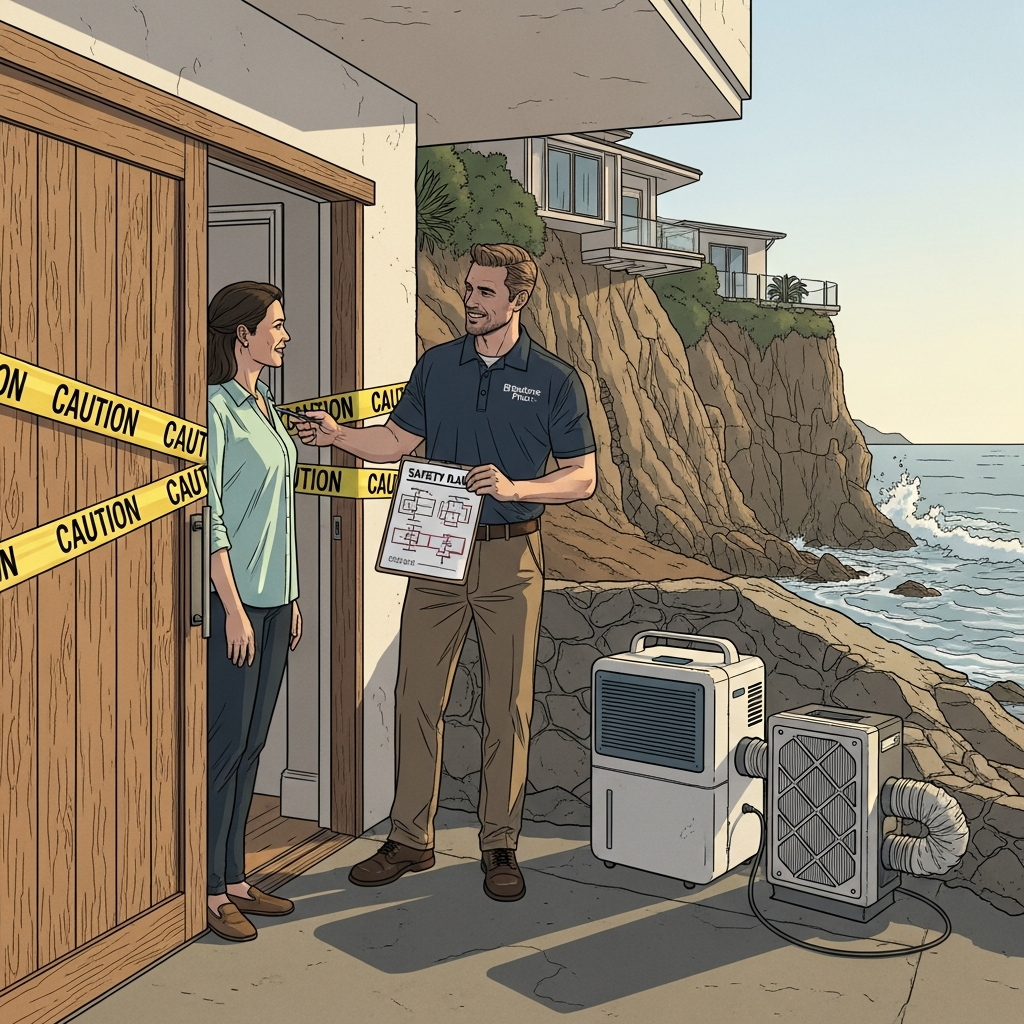
Service begins with control. Board-up of broken windows and doors, roof tarping to prevent moisture intrusion, and secure perimeters keep weather and unauthorized visitors out. In Malibu, where tile roofs and tall glass are common, safe access techniques and protective coverings prevent additional damage during setup. If water was used during firefighting, immediate extraction and environmental stabilization—air movement, dehumidification, and temperature control—curb secondary damage and protect indoor air quality.
During these first steps, contents triage is underway. Essential items are identified and relocated, while at-risk belongings are inventoried and packed for specialized cleaning. Carefully labeled boxes and room-by-room photo logs establish a transparent chain of custody so that as your house regains order, your belongings do too. This organization underpins everything that follows, keeping the project efficient and reducing stress for you.
Assessment, Planning, and Communication
With the site secure, a comprehensive assessment translates damage into a plan. Moisture and soot mapping, selective exploratory openings, and a visual survey of finishes reveal how smoke traveled and where heat affected structure. In Malibu’s open, high-ceilinged homes, smoke often deposits on upper surfaces and within skylight wells; acknowledging this early prevents rework. The plan is then sequenced: stabilization, demolition where necessary, detailed cleaning, odor control, structural repairs, finishes, contents return. Clear documentation and regular check-ins with you and your insurer keep everyone aligned and eliminate guesswork.
Communication is a service in itself. A single point of contact who explains steps in plain language, shares photo updates, and anticipates decisions you’ll need to make transforms a complex process into something manageable. Schedules are living documents that adjust to discoveries in the field and to lead times for specialty materials common in Malibu construction. Knowing what’s happening tomorrow—and why—creates calm and builds trust.
Detailed Cleaning and Odor Control
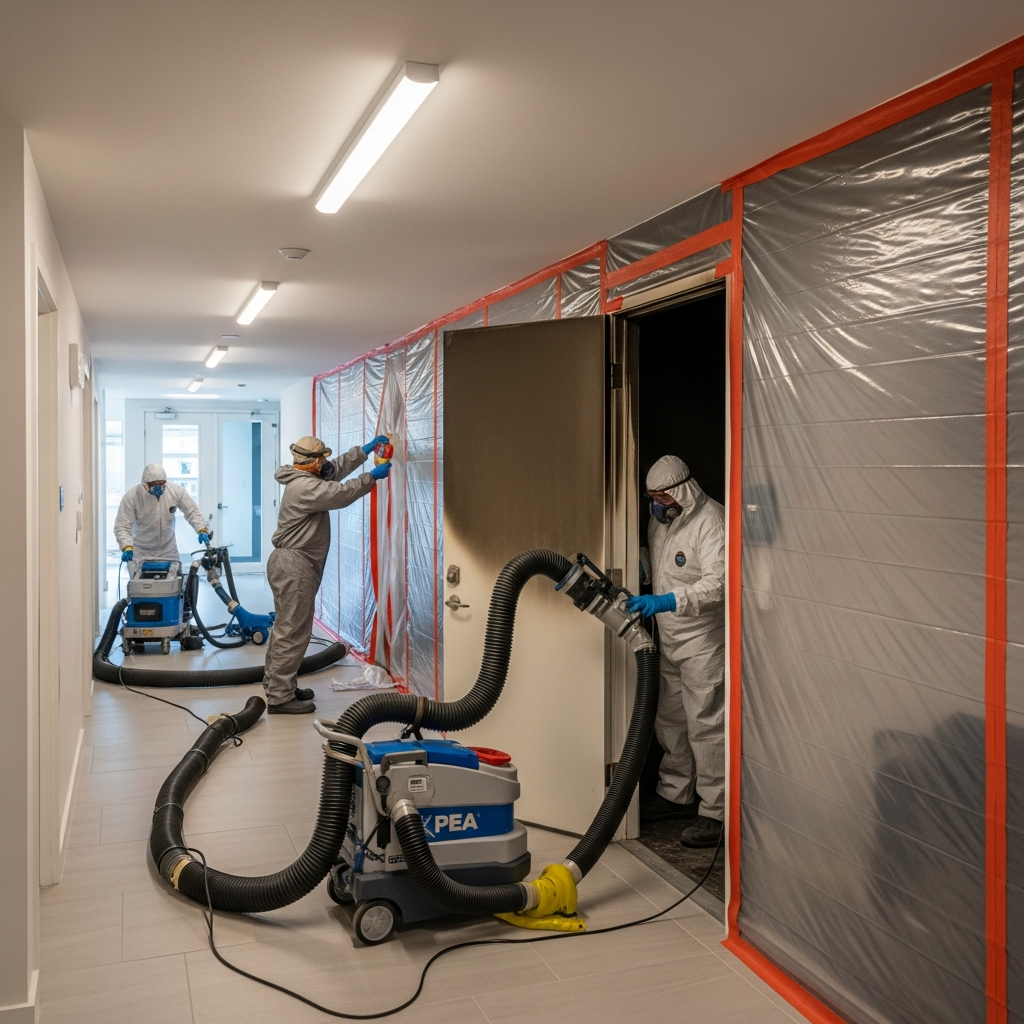
Cleaning after a fire is precise work. Dry soot lifts best with HEPA vacuuming and light agitation, while oily residues require specialty detergents that emulsify contamination without driving it deeper. Protein smoke from kitchen events produces persistent films that respond to patient, methodical care. Environmental control—stable temperature, humidity, and negative air pressure—keeps progress from unraveling and prevents cross-contamination between clean and active work zones.
Odor control is a sequence, not a single step. Source removal comes first: cleaning or discarding materials that act as reservoirs. Next, deodorization tools such as hydroxyl treatment or thermal fogging reach into pores and cavities to neutralize stubborn molecules. Finally, sealing of structural members, when appropriate, locks in any trace residues and prepares surfaces for finishes. When this sequence is respected, your home doesn’t just look clean—it feels and smells clean in the summer heat and the damp of winter mornings alike.
Structural Repairs and Thoughtful Reconstruction
Rebuilding after a fire is an opportunity to restore strength and character simultaneously. Charred structural members may be abraded to sound wood and sealed, or, if compromised, replaced. Roof systems are inspected for hidden damage, especially under tile where embers may have lingered. Exterior stucco that holds soot is cleaned and prepped so that new coatings perform flawlessly. Inside, drywall repair blends seamlessly with existing textures, and millwork is either restored or replicated with respect for original profiles.
Malibu’s permitting and inspection processes guide this work. A service-oriented team prepares thorough submittals, schedules inspections efficiently, and incorporates any code-driven upgrades—like improved ember resistance or modernized electrical—without losing sight of your home’s design intent. The result is a structure that looks like itself and performs even better.
HVAC Evaluation and Indoor Air Quality
Healthy air is a core deliverable of excellent service. HVAC systems are assessed early; registers are sealed during cleaning to prevent recirculation, ductwork is inspected and cleaned when indicated, and filters are replaced throughout the process. Only after verification does the system return to service. Some projects benefit from minor duct sealing or ventilation adjustments that reduce future dust and allergens—a quiet improvement you’ll appreciate long after the last contractor leaves.
Post-cleaning validation supports confidence. Particulate measurements, odor assessments, and your own experience living in the space confirm that air quality has returned to normal. For sensitive occupants, phasing the return home and providing guidance on filter changes ensures comfort from day one.
Contents Care and the Return of the Familiar
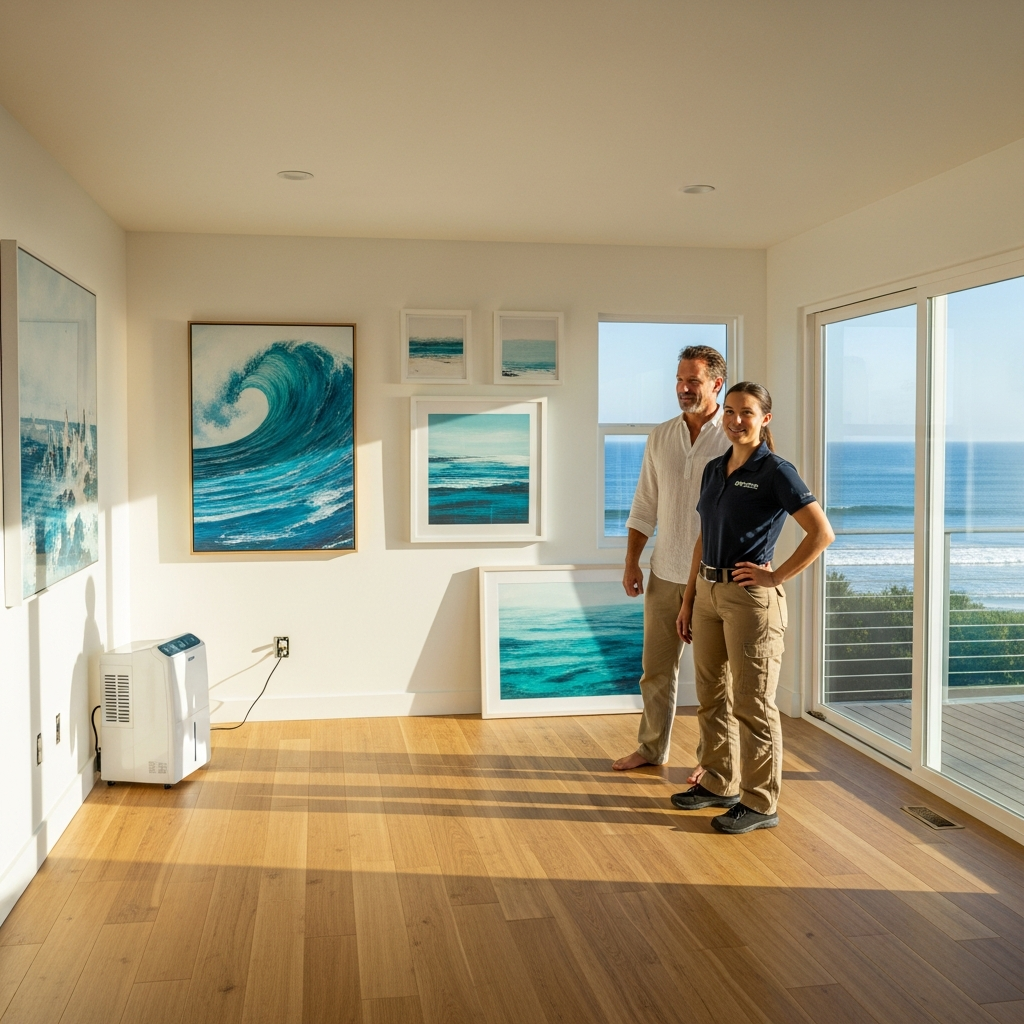
Belongings carry memory. From artwork gathered over decades to a child’s well-loved blanket, the return of contents is a milestone that signals your home is truly back. Trained contents technicians clean, deodorize, and recondition items using methods suited to each material—textiles, wood, metal, electronics. Climate-controlled storage protects items until rooms are ready. A thoughtful team stages the return by room, placing items where they belong and checking with you for final arrangement so that familiarity returns gently, not all at once in a sea of boxes.
Electronics benefit from early evaluation to prevent corrosion and data loss. Instruments and art receive conservator-style handling, often in collaboration with specialists. Even kitchen items—cookware, glassware, pantry goods—are sorted so that what you see on your shelves is safe and ready to use. This attention to detail closes the loop between construction and daily life.
Exterior Restoration and Defensible Space
Service extends outdoors. Power washing alone won’t lift embedded soot from stucco or decking; proper cleaning and sealing ensure finishes last. Eaves, vents, and gutters are inspected, cleaned, and repaired. Where landscapes were affected, replanting with defensible space in mind supports resilience without sacrificing beauty. Subtle upgrades—ember-resistant vent screens, sealed attic penetrations—protect the building envelope while preserving aesthetics.
Roofs, particularly tile and standing-seam metal, demand careful access. Specialized equipment prevents new damage during inspection and cleaning. Once vulnerabilities are addressed, the structure below remains protected from residual shedding, and the interior benefits from stabilized conditions above.
Project Management that Feels Human
In a well-run restoration, progress is visible and communication feels personal. Crews arrive when promised, protect pathways daily, and keep sites tidy. Decisions are brought to you with context and options. If surprises arise—hidden smoke behind built-ins, prior unpermitted work—your team explains implications and next steps, then helps you choose the path that best matches your priorities. This is the part of service that photos rarely capture but that you’ll remember with gratitude when the work is done.
Schedules are realistic and flexible where needed. Malibu’s traffic patterns, school calendars, and weather affect deliveries and inspections. A local, service-minded team anticipates these rhythms and keeps momentum steady without asking you to carry the planning burden yourself.
Education, Resilience, and Life After the Project
Great service leaves you with more than fixed walls. You’ll receive simple guidance for maintaining indoor air quality, recommended filter schedules, and tips for seasonal checks that matter in our climate. If you choose, subtle resilience upgrades—improved attic sealing, ember-resistant vents, thoughtful storage that maintains egress—can fold naturally into the work. None of this changes the soul of your home; it simply makes living in it easier and safer.
When the project concludes, a final walkthrough confirms that scope is complete and that the spaces function the way you expect. Any warranties or post-project support are explained clearly. You should feel that the team who served you has restored more than surfaces—they’ve restored ease, comfort, and confidence.
Frequently Asked Questions
Q: How quickly can services begin after a fire? A: As soon as the site is safe and released by authorities, stabilization can start. Early action—board-up, tarping, water extraction—prevents secondary damage and sets the stage for efficient restoration.
Q: Will smoke odors truly go away? A: Yes, when source residues are removed, affected materials are cleaned or replaced, and appropriate deodorization and sealing are applied. Masking alone is temporary; comprehensive methods deliver lasting results.
Q: Can I live in the home during parts of the process? A: Often, yes. With proper containment and sequencing, essential rooms can remain usable. Your team will advise based on health, safety, and practical considerations specific to your layout and damage.
Q: How are my belongings handled? A: Contents are inventoried, photographed, and cleaned using methods suited to each material. Items are stored in climate-controlled conditions and returned room by room when spaces are ready.
Q: What makes Malibu projects unique? A: Coastal humidity, salt air, varied topography, and local permitting shape both methods and timelines. Local expertise aligns the work with these realities, ensuring durable, comfortable results.
Start Your Restoration Journey
If you’re ready to bring your home back to life with careful planning, clear communication, and craftsmanship that endures, begin with a conversation. Connect with a local team that understands Malibu and delivers complete fire damage restoration—from emergency response to the final, reassuring walk-through—so you can return to the light, air, and ease that define living here.