When fire strikes a home near Malibu, speed matters, but speed without strategy can be costly. I have driven those early morning miles along PCH, navigating fog banks and lane closures, to reach properties in the canyons and on the coast where families wait on the curb, exhausted and unsure what comes next. Fast recovery is absolutely possible when response is paired with discipline: secure the structure, stop secondary damage, and set a clear plan that you can understand and trust. The starting line is a call to a team fluent in local conditions and trained in comprehensive fire damage restoration, because the first 24 to 48 hours decide whether the next weeks are straightforward or frustrating.
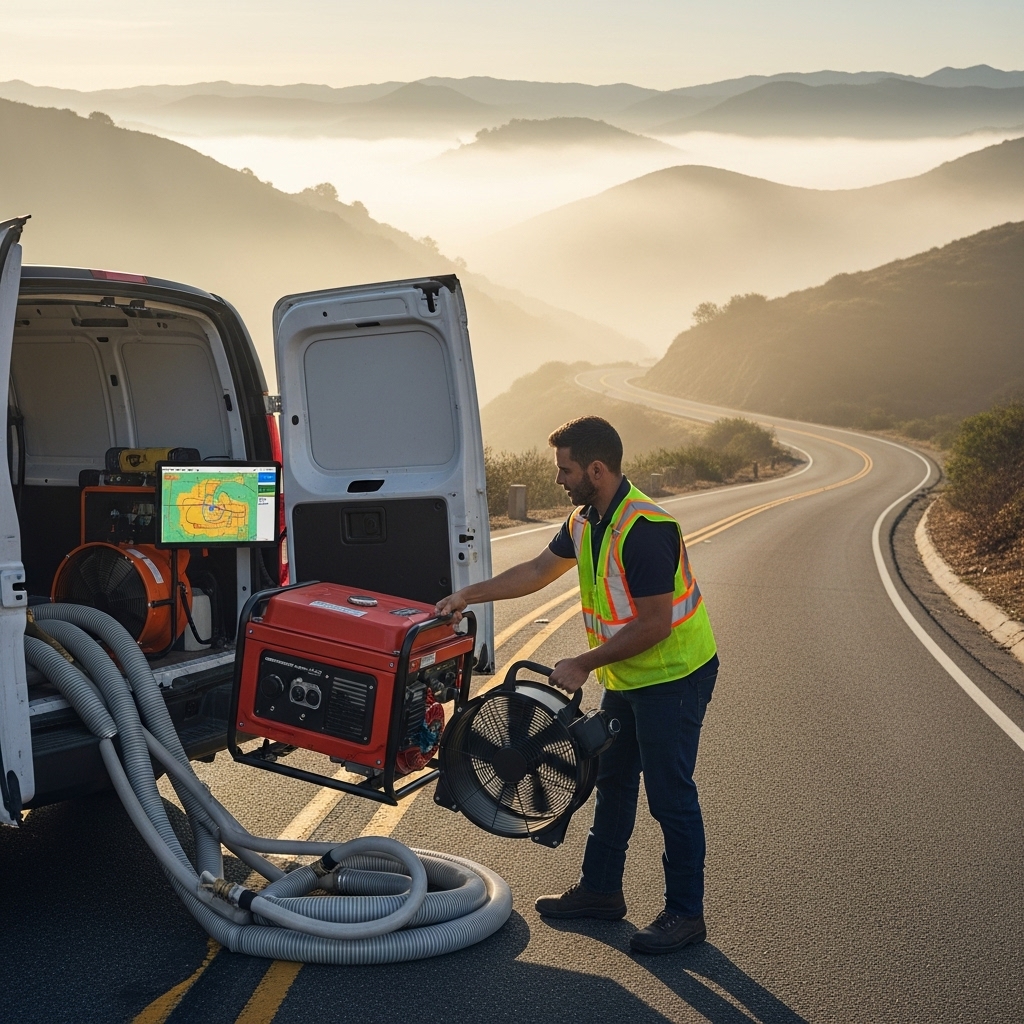
Recovery near Malibu is shaped by our geography. Access routes like Kanan, Las Flores, and Topanga can close quickly in weather, and canyon winds that die at sunset often return by midnight. The best responders anticipate those rhythms, staging equipment where it can be deployed even if the road changes, and they sequence work so that if a delivery slips, progress does not stall. That blend of local knowledge and flexible planning is how we move fast without cutting corners.
The first hours: action with intention
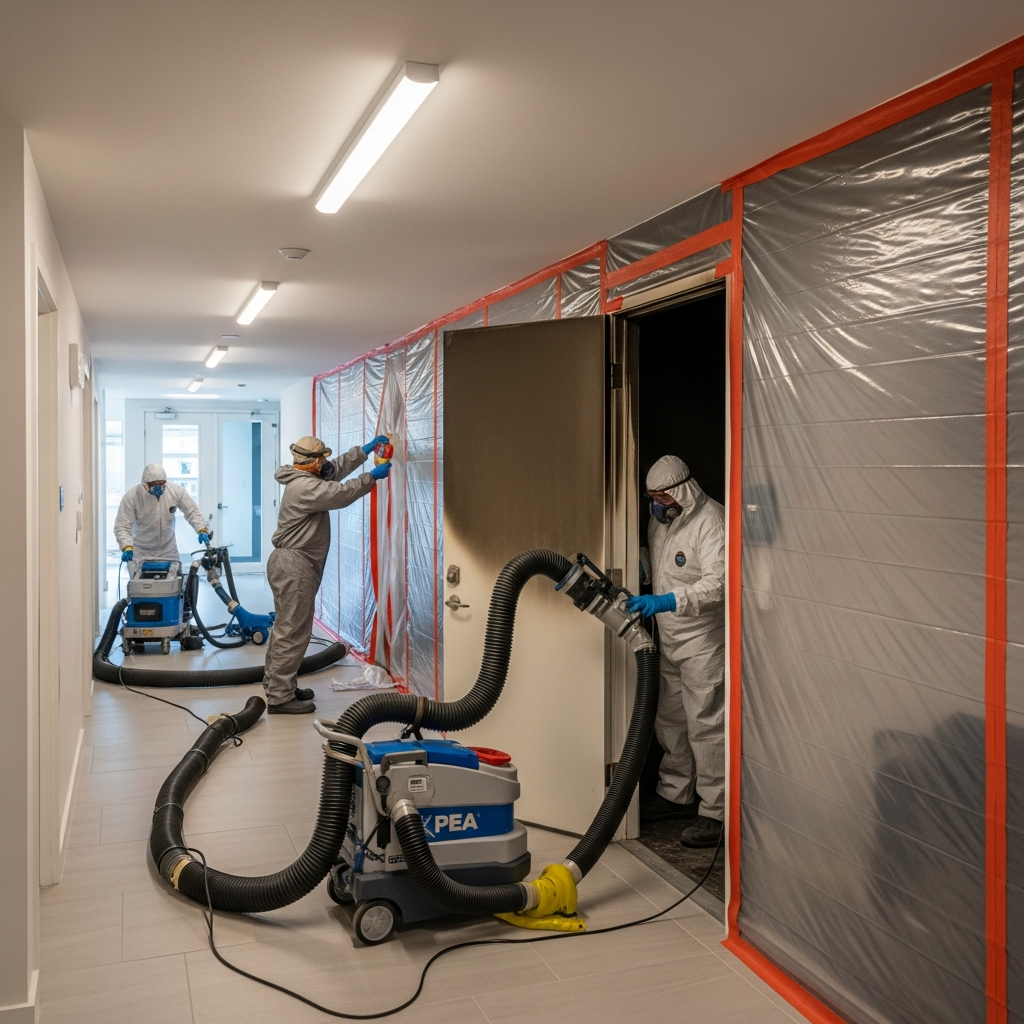
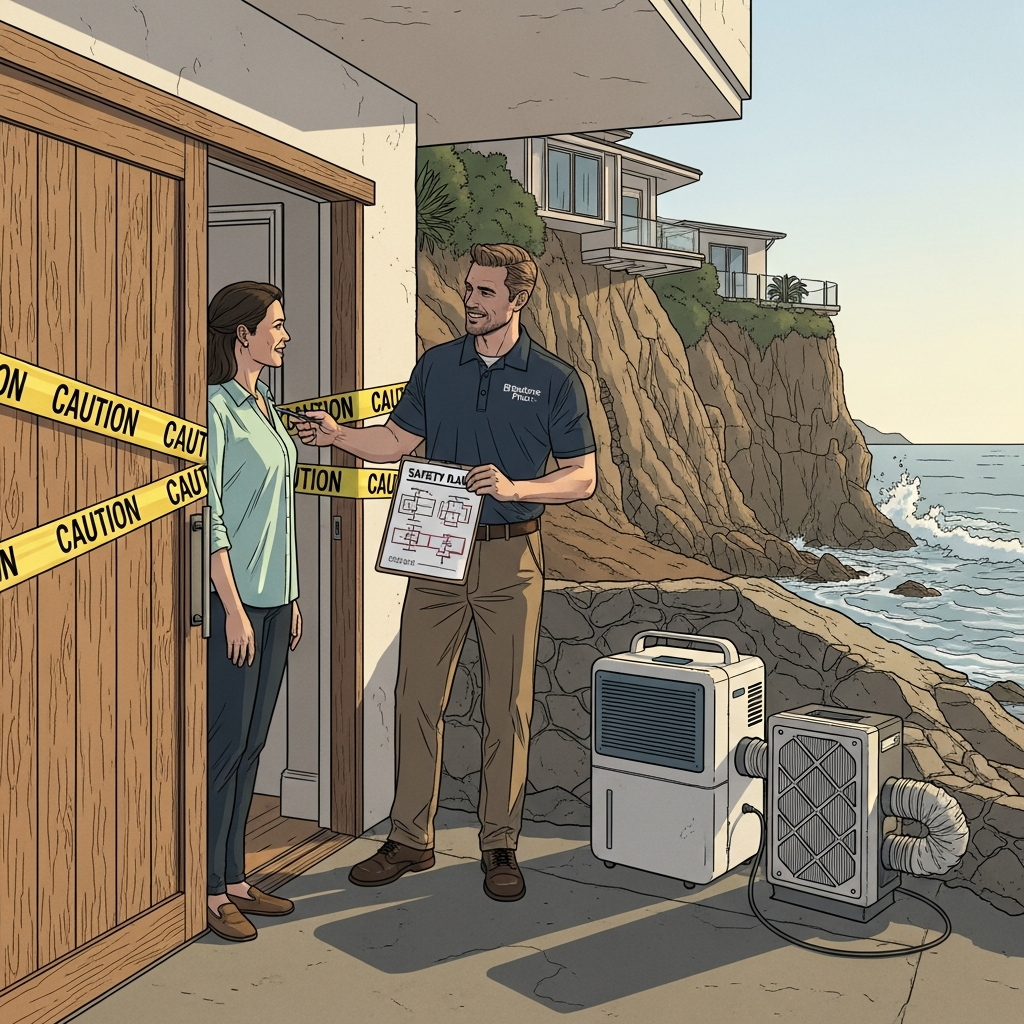
After the fire department clears the property, we prioritize boarding up openings, securing roof breaches, and establishing containment. This keeps out moisture and keeps soot from traveling into areas that were not affected. Malibu’s marine layer makes roof tarps and window coverings more than visual protection; they are a barrier against damp air that can drive odor deeper and accelerate corrosion. Inside, we deploy air filtration to capture fine particulates and create pressure differentials that protect clean zones.
Documentation begins immediately. We photograph structural conditions, capture moisture readings, and note weather and access constraints that might influence the plan. This record supports your insurance claim and allows us to justify emergency measures without delay. When decisions are data-driven, approvals come faster, and work continues without pause.
Drying and soot removal on a coastal timeline
Water used in suppression preserves the structure, but it also threatens finishes and framing. Near Malibu, humidity often complicates drying, so we rely on controlled dehumidification and strategic air movement rather than simply opening windows to the night air. At the same time, soot removal must be staged correctly. We start with dry cleaning and HEPA vacuuming before introducing wet methods, keeping residues from setting into porous surfaces. These early choices set the pace for everything that follows.
Speed is not just faster equipment; it is smarter sequencing. By stabilizing the environment early, we prevent rework. That way, when contractors step in for rebuilds, they find a clean, dry, odor-free canvas instead of hidden issues that slow them down.
Coordinating with insurers without losing momentum
Fast recovery depends on communication. We provide detailed inventories, moisture maps, and progress reports in formats adjusters recognize. The clarity accelerates approvals for specialty cleaning, pack-outs, and selective demolition. When everyone shares the same picture of the home’s condition, decisions come quickly, and your timeline benefits.
We also prepare for questions before they are asked. If an odor persists, we document the suspected source and the planned corrective steps. If a material might be salvageable with additional time, we present the rationale and the checkpoints we will use to verify success. This proactive approach keeps projects moving when others might stall.
Contents care with a clock ticking
It is natural to want to rush belongings out of the house, but careful triage saves time in the long run. We separate items by material and condition, stabilizing what is vulnerable and packing out what needs controlled treatment. For textiles, pre-cleaning and correct deodorization can return items quickly; for fragile keepsakes, gentle dry methods preserve integrity. The aim is to get you back to daily life without sacrificing the quality of the recovery.
Speed also means minimizing the number of times items are handled. Efficient labeling, photo documentation, and organized storage reduce confusion and shorten the return-to-home process. When contents are managed with this kind of discipline, move-back day is smooth, not chaotic.
Odor control that does not cut corners
Nothing says “not done” like smoke that lingers in the corners after a week. We treat odor at the source by removing char, cleaning to the boundaries of the air system, and applying counteractants strategically. HVAC systems are evaluated early, with registers sealed during work and ducts cleaned if contaminated. We test at different times of day, especially near the coast where temperature swings can coax odor out of hiding. Fast recovery is real when the house smells clean at dawn and after sunset.
Patience in the right moments actually speeds the overall process. Rather than masking with fragrances, we verify that odor has been resolved, preventing callbacks and rework that waste precious days later.
Mid-project checkpoints that protect your schedule
Halfway through, we pause to compare progress against plan. Moisture readings, particulate levels, and visual inspection tell us whether to taper equipment, begin selective demolition, or invite trades to start. This is also the right time to confirm that our approach aligns with recognized fire damage restoration standards for our coastal climate. A candid check-in avoids surprises during rebuild and keeps your calendar intact.
When adjustments are needed, we make them decisively. If a hidden cavity is causing odor rebound, we address it before finishes go back in. If a material is not drying, we change tactics now, not after schedules slip.
Logistics that respect Malibu’s realities
Moving quickly near Malibu requires choreography. Staging generators where power is limited, coordinating deliveries around school traffic and beach crowds, and planning for detours means the work continues rain or shine. Trusted teams communicate with neighbors and property managers, keep sites orderly, and avoid noise at the worst hours. These considerations let us maintain momentum without fraying community ties.
We also prepare for the unexpected. If winds return overnight, we have tarps secured to withstand gusts. If fog thickens, we adjust drying strategies to maintain progress. Flexibility is not a luxury here; it is the plan.
From mitigation to rebuild, without losing a step
Fast recovery culminates in a smooth handoff to reconstruction. By the time builders arrive, the home should be clean, dry, and free of smoke. Surfaces are prepped, documentation is complete, and hidden problems have been resolved. That is how timelines remain tight and budgets stay protected. When restoration is done right, rebuild feels like the natural next step, not a reset.
The final walkthrough is one of my favorite moments. You will notice the quiet first—the sound of filters gone, the hum of normal life returning. That calm does not happen by accident. It comes from a disciplined approach designed for Malibu’s landscape.
Frequently Asked Questions
What should I do in the first hour after a fire?
Ensure safety, wait for clearance from first responders, and call a qualified local restoration team. Avoid cleaning or moving items until documentation begins. Early decisions about securing and drying protect your home and speed the process.
How fast can restoration start near Malibu?
Often the same day, depending on access and safety. Local teams stage equipment nearby and know how to navigate closures, allowing work to begin quickly once the property is released.
Can moving too quickly cause problems?
Yes, if steps are taken out of order. For example, wet cleaning soot on porous surfaces can set stains. The right kind of speed respects proven sequencing so progress is fast and durable.
Will I need to leave my home during restoration?
It depends on damage and layout. Many homes allow partial occupancy once immediate hazards are controlled and clean zones are established. We will discuss safety, comfort, and timing so you can plan with confidence.
How do you prevent odors from returning later?
By removing sources, cleaning thoroughly to the edges of the air system, and verifying results at different times of day. Fragrances do not solve odor—they hide it. We choose solutions that last.
What coordination happens with my insurer?
We provide detailed reports, photos, and moisture maps, and we communicate proactively about scope and milestones. This transparency accelerates approvals and keeps work moving without gaps.
If you are ready to move from chaos to clarity, connect with a local team that pairs rapid response with methodical planning. Reach out today and let us guide your fast return with proven Malibu fire damage restoration that respects your timeline and restores your peace of mind.