When the hills above Malibu turn from green to gray and the ocean breeze carries the faint tang of smoke, every local senses the same truth: wildfire season has arrived again. Living here means falling in love with a place that tests your resilience—winds that accelerate through canyons, chaparral that dries out under unrelenting sun, and a coastline that remains heartbreakingly beautiful no matter what the year brings. In the aftermath of a fire, the shock lingers like the soot on window sills, but so does that shared Malibu spirit of rebuilding with care, patience, and expertise. The road from ash to normalcy isn’t just a checklist; it’s a steady, methodical journey guided by experience—one that respects both the land and the people who call it home.
As someone who has walked properties from Point Dume to Trancas, inspected attic spaces in Latigo Canyon, and watched embers skip across rooftops along the Pacific Coast Highway, I’ve learned that good outcomes begin with clear-eyed planning and steady hands. If your property has been touched by flames, whether directly or by a rain of embers and smoke, it’s essential to understand the steps ahead and the standards that define quality fire damage restoration. This is not a moment for guesswork. It’s a time for measured action rooted in building science, local knowledge, and proven methods that protect health, preserve structures, and guide a return to the rhythms of daily life.
Understanding Malibu’s Wildfire Reality
Wildfires here behave differently than in flatter, cooler regions. Topography funnels wind; canyons create their own weather; and Santa Ana conditions can turn glowing embers into spot fires a neighborhood away. Many Malibu homes sit on slopes or ridgelines with complex rooflines, decks, and venting systems that are uniquely vulnerable to airborne embers. Even if flames never reached your fence line, the pervasive infiltration of smoke and fine soot can leave harsh residues in wall cavities, HVAC systems, and insulation. Appreciating the difference between visible scorching and invisible contamination is the first step to a truly comprehensive plan.
Safety First: Stabilizing the Scene
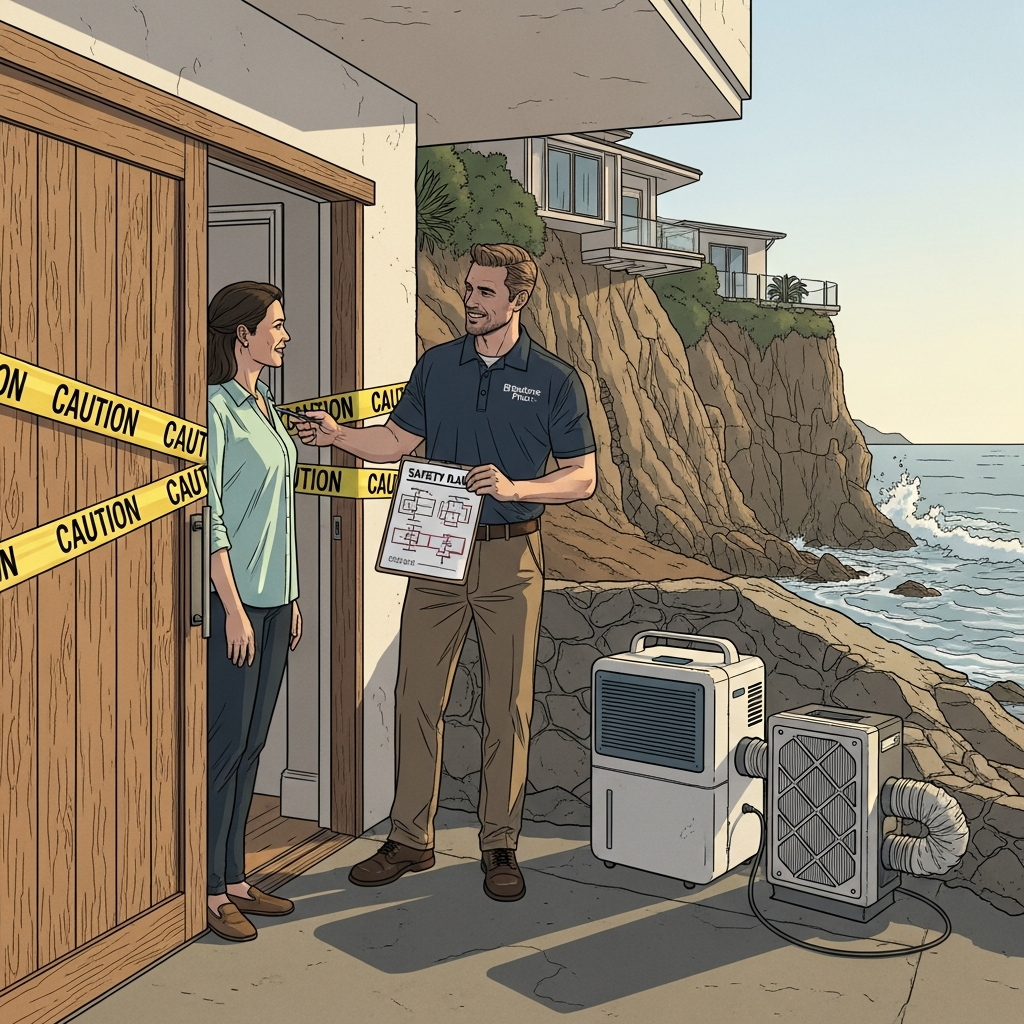
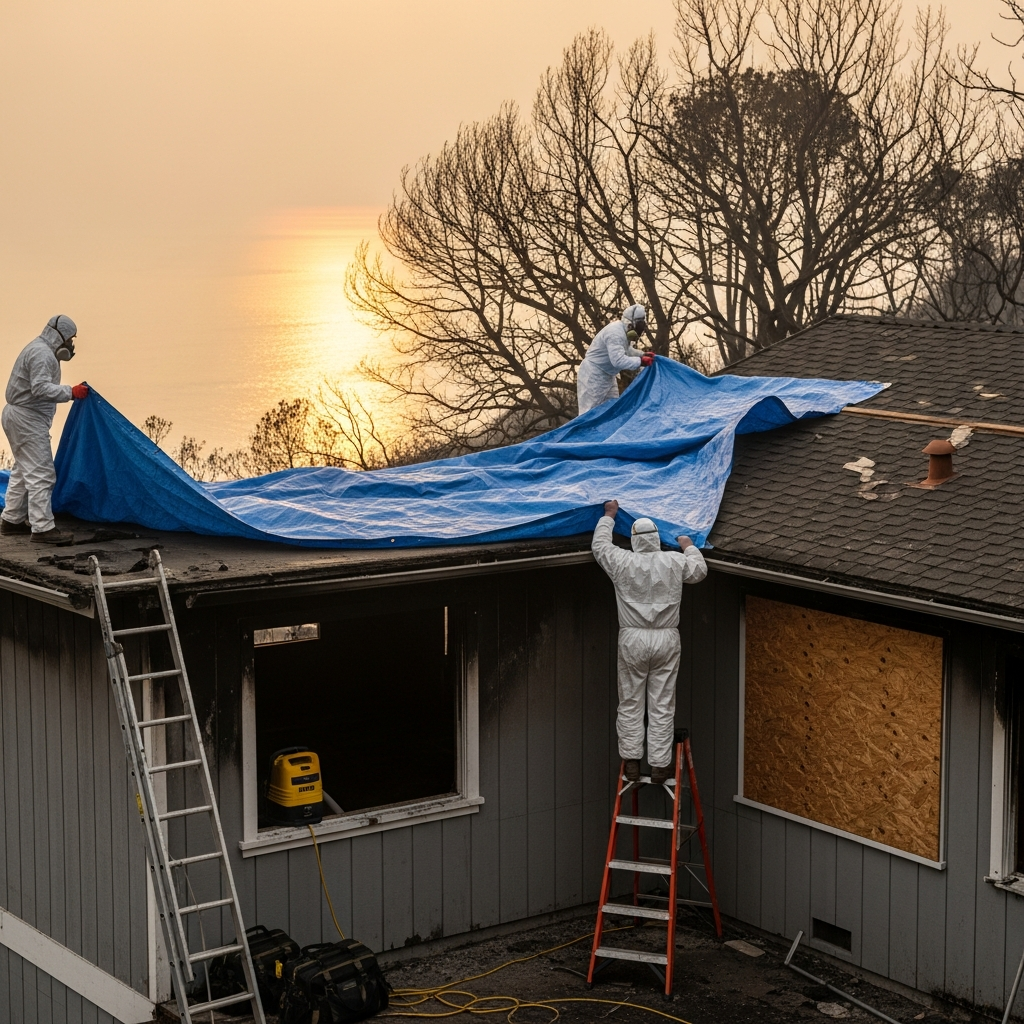
Before anyone begins cleanup, the property must be made safe. Utilities are verified, structural members are inspected, and temporary protections are installed to prevent further weather intrusion. Tarping compromised roof sections, boarding cracked windows, and sealing off open wall cavities are more than cosmetic steps; they are essential in preventing secondary damage from coastal moisture and overnight temperature swings. Documenting the scene—photographs, notes, and a methodical inventory—builds a reliable foundation for insurance coordination and the repair roadmap that follows.
Assessment With Precision
True assessment looks beyond char and blistered paint. It follows the pathways smoke prefers to travel: through attic vents, under door thresholds, into kitchen cabinets, and behind baseboards where negative pressure can pull particulates deep into a home. An experienced team will distinguish between structural charring that requires removal, heat-damaged but salvageable framing, and cosmetic surface soiling. In Malibu’s mixed building stock—ranging from mid-century bungalows to modern glass-and-steel builds—the combination of materials matters. Engineered lumber, hardwood, stone, stucco, and composite decking each respond differently to heat, water, and cleaning chemistries, and those differences inform every decision that follows.
Cleaning the Right Way
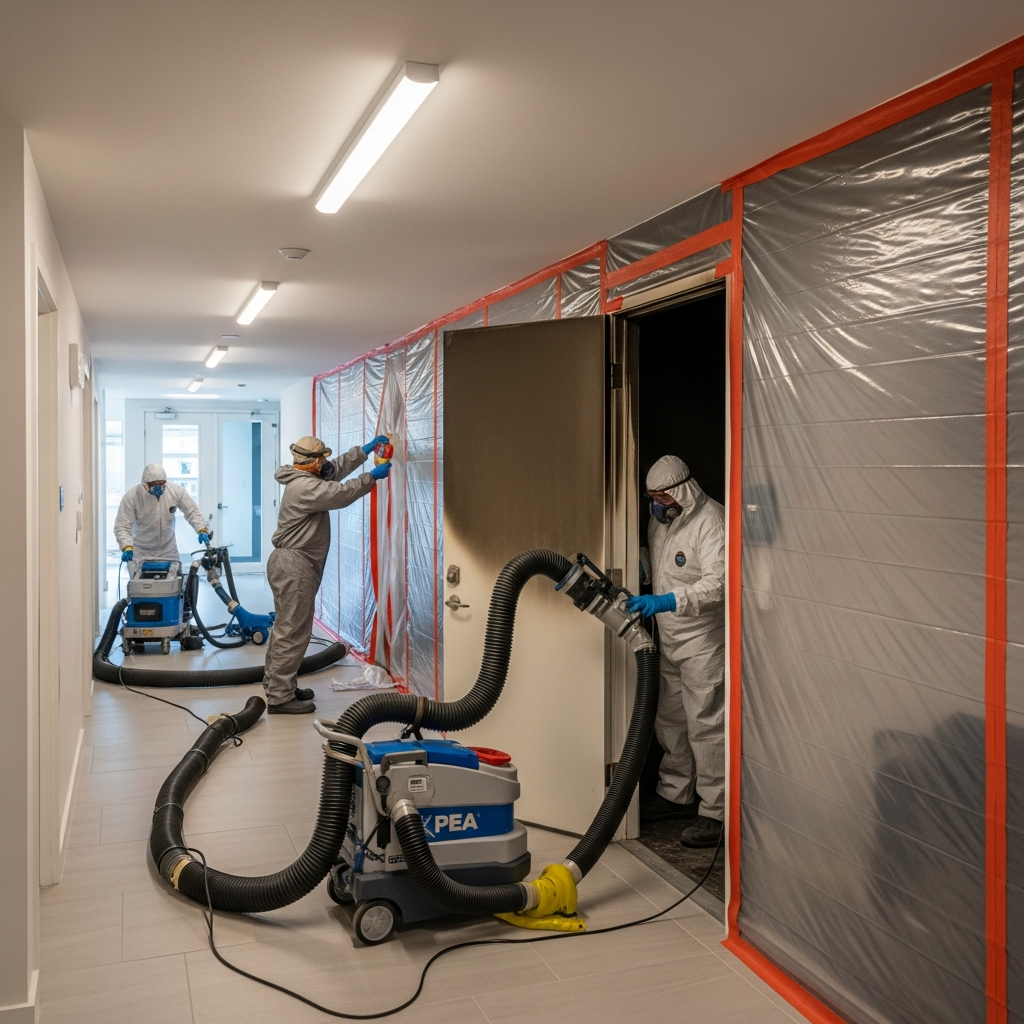
Cleaning begins dry and becomes wet only when surfaces and residues allow. Fine soot responds best to controlled HEPA vacuuming and gentle dry chemical sponges before any liquids are introduced. Wetting oily soot too early can drive contamination deeper, staining porous materials and prolonging odor. Countertops, tile, and sealed wood want different pH levels than natural stone or unfinished timbers. Outdoor areas—decks, railings, and exterior walls—benefit from careful rinsing that pulls soot away rather than forcing it into cracks. The guiding principle is always the same: capture, don’t spread; remove, don’t mask.
Air Quality and Odor Neutralization
Malibu’s ocean air can be a blessing during restoration, but salt-laden breezes also interact with soot residues and exposed metals. Indoor air quality control requires containment zones, negative air pressure where needed, and multi-stage filtration that addresses both particles and volatile compounds. Odor treatment should be layered: thorough source removal, specialized cleaning, and scientifically sound neutralization methods. Techniques such as thermal fogging and advanced oxidizing processes can be appropriate, but only after materials are cleaned and building systems are stabilized. Done right, the home doesn’t just smell better—it tests clean.
Contents: What Can Be Saved
From art to area rugs, surfboards to family albums, contents tell the story of a Malibu life. Many items are recoverable if they’re handled early and correctly. Soft goods often respond to specialized laundering; non-porous items can be cleaned and deodorized; and fine items may require careful, item-specific methods. Cataloging, pack-out, and secure storage create breathing room for structural work to proceed efficiently. Electronics exposed to soot and coastal humidity may need rapid evaluation to prevent corrosive damage. The measure of a great restoration isn’t just how the walls look; it’s how your life feels when everything is back where it belongs.
Mid-Project Milestones and Communication
Restoration can feel overwhelming unless milestones are clear and communication is steady. You should expect updates tied to objective checkpoints: stabilization complete, structural cleaning verified, HVAC decontamination finished, odor neutralization confirmed, and pre-reconstruction inspections passed. A seasoned team will align these steps with permitting, inspections, and design choices so momentum is steady and surprises are rare. When the middle of the project arrives—and fatigue often sets in—lean on professionals who can re-clarify priorities and recommit to precision. It’s at this point that homeowners often appreciate expert fire damage restoration guidance the most, because small missteps now can echo later during finishes and move-in.
HVAC and Hidden Pathways
Forced-air systems are notorious highways for smoke and soot. Ducts, returns, filters, coils, and mechanical closets must be evaluated and, if affected, cleaned and verified. Re-occupying a space with contaminated ductwork can reintroduce odors and particulates, undermining otherwise excellent cleaning. In older houses, wall cavities and chase ways can connect rooms you’d never suspect, so containment and systematic cleaning sequences matter. The goal is to eliminate pathways that could reverse months of good work with a single gust from a register.
Working With Malibu’s Permitting and Rebuild Environment
Reconstruction in Malibu requires patience and precision. Between hillside access, coastal exposure, and unique architectural details, every repair benefits from thorough pre-planning. Aligning engineers, architects, and finish trades early reduces lag time and keeps work sequencing efficient. Even when rebuilds feel urgent, taking time to confirm material compatibility—sealants with new siding, primers with existing plaster, fasteners with coastal conditions—pays dividends in durability and appearance.
Erosion Control and Landscape Recovery
Fire-stripped slopes are vulnerable. Stabilizing exposed soil protects not only your home but also neighboring properties and waterways. Thoughtful erosion control is part of a holistic recovery plan. As landscaping returns, consider plant selections and layout adjustments that promote defensible space without sacrificing the character you love. Malibu has shown again and again that safety and beauty can coexist when landscape and building strategies are aligned.
Timelines, Patience, and Realistic Expectations
Even with an expert team, restoration has a rhythm. Some days bring visible progress; other days are quieter but equally crucial—air scrubbing, drying verification, detailed wiping that will never trend on social media but makes all the difference. Setting expectations around material lead times and inspection schedules helps everyone breathe easier. The right balance of urgency and thoroughness ensures the home you regain is healthy, clean, and ready for years of ocean air and family life.
Insurance Coordination and Documentation
While every policy is unique, universally, strong documentation makes for smoother conversations. Clear scopes of work, before-and-after photos, testing results, and detailed inventories help align everyone to the truth on the ground. The best restoration partners are educators too, explaining terminology, answering questions, and bringing transparency to decisions so you maintain control without needing to become a construction expert overnight.
Resilience for the Future
As you rebuild, it’s natural to think forward. Upgraded vents, ember-resistant details, thoughtful storage of outdoor furnishings, and refined landscape plans can reduce risk the next time winds rise. Windows, doors, siding, and roof assemblies all have options that improve performance without sacrificing design. Resilience is a set of choices woven through the project, not a single product you bolt on at the end.
FAQ: Fire Damage Restoration in Malibu After Wildfires
Q: My home looks fine from the street. Could it still have smoke damage?
A: Yes. Smoke can infiltrate surprisingly tight envelopes, traveling through vents, gaps at trim, and even under doors. Fine soot settles in insulation, electrical boxes, cabinet cavities, and HVAC systems. A thorough inspection uses both visual assessment and particulate monitoring to determine the true extent before a plan is set.
Q: How long does a typical restoration take?
A: Timelines vary with the extent of damage, permitting needs, and material availability. What matters most is sequencing: stabilize and protect, clean and deodorize, verify, then rebuild. Setting milestones and maintaining clear communication keeps momentum steady and expectations realistic.
Q: Is odor removal just a fragrance or does it actually neutralize smoke?
A: Real deodorization is science-based. It begins with removing soot at the source, then uses targeted processes to neutralize remaining odor compounds. When done correctly, odors don’t simply return once the fragrances fade; the underlying compounds are addressed and indoor air quality tests reflect that success.
Q: Can I clean soot myself?
A: Light surface dust on non-porous items may be addressed with gentle methods, but smoke residues behave differently depending on what burned and how hot it got. Using the wrong cleaner can set stains or spread contamination. Professional evaluation protects your finishes and shortens the overall timeline.
Q: What about my HVAC system?
A: Ducts, filters, coils, and returns should be inspected and, if affected, cleaned and verified. Restarting an unaddressed system can push contaminants throughout the home, re-soiling rooms and reigniting odors. Proper HVAC decontamination is a key milestone in any successful project.
Q: Will all my belongings be salvageable?
A: Many are, especially when addressed quickly. Porous materials exposed to heavy soot or direct heat may be compromised, but hard goods, certain textiles, and even some artwork can be restored with the right methods. An item-by-item strategy informed by testing yields the best outcomes.
Q: How do Malibu’s coastal conditions affect restoration?
A: Salt air and humidity can accelerate corrosion on metals exposed by fire and firefighting measures. Protective steps and timely cleaning reduce long-term impact, and material choices during rebuild can improve durability in the coastal environment.
Q: What can I do to reduce future risk?
A: Combine smart landscape planning with ember-resistant building details. Maintain vents and defensible space, store combustible outdoor items thoughtfully during red flag warnings, and consider upgrades as part of your rebuild so resilience is built into the bones of the home.
Malibu’s story has always been one of renewal. After the last air scrubber is wheeled out and the final window is polished clean, what remains is more than a repaired structure—it’s the comfort of home, restored. If you’re ready to talk through your property’s needs, walk the site together, and map a clear plan, reach out today. Experienced, local guidance turns uncertainty into a step-by-step path forward, and skilled hands bring that plan to life with care and precision. For a conversation grounded in expertise and compassion, connect with a team that lives and works here on the coast. When you’re ready to begin, we’re ready to help with comprehensive fire damage restoration that respects your home, your timeline, and your peace of mind.