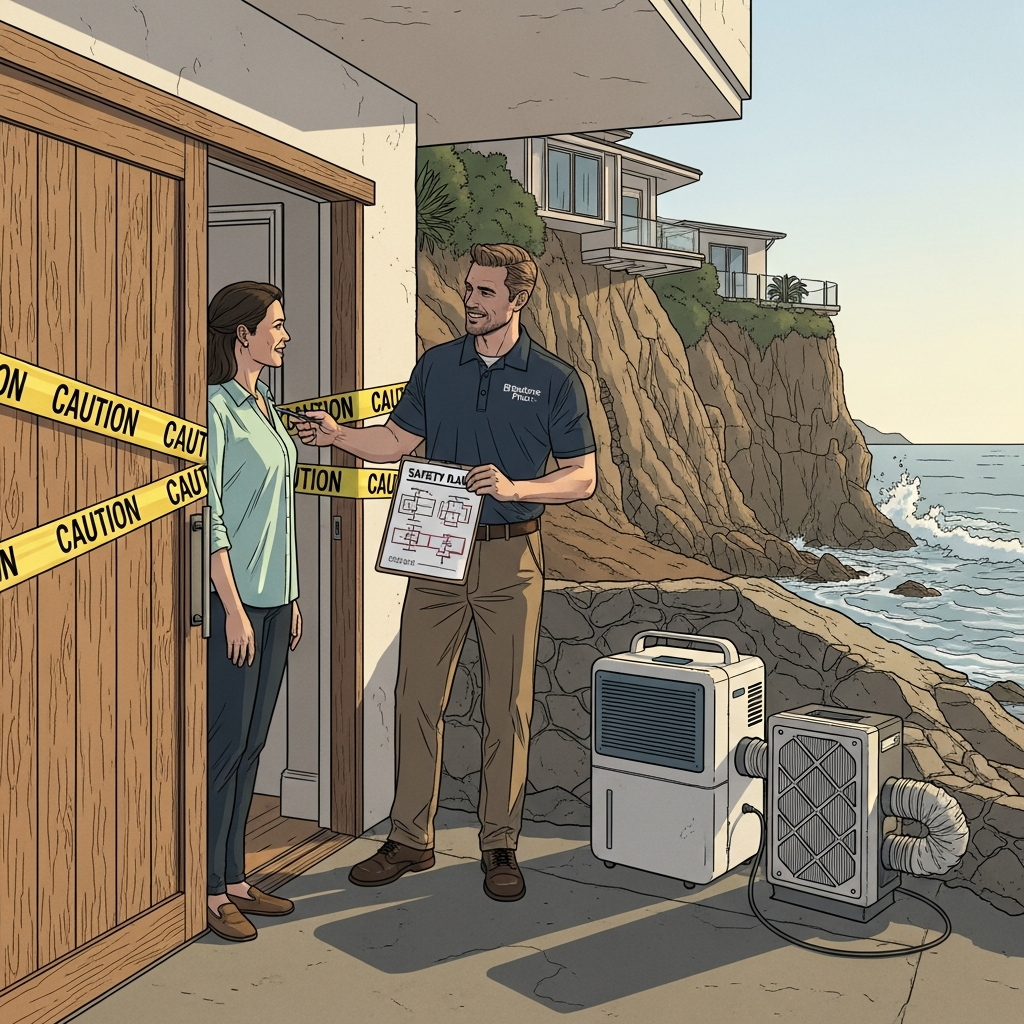
In Malibu, the story of a fire rarely ends when the last ember fades. Long after flames are suppressed, smoke lingers like an unwelcome houseguest, finding its way into attics, closets, wall cavities, and even sealed cabinets. I have walked through ocean-view homes above the Pacific Coast Highway and hillside hideaways tucked into canyons and seen the same stubborn reality: smoke is patient and pervasive. It embeds into fabrics, clings to unfinished wood, etches glass, and corrodes metal. And because our coastal climate mixes salt air with seasonal winds, residues can behave unpredictably, intensifying odors and causing delayed damage days or weeks later. The good news is that with a disciplined approach and local know-how, it is possible to restore a home to clean air, safe surfaces, and genuine comfort once again.
Early, targeted action matters. The first steps after smoke exposure set the tone for the entire project, protecting what can be saved and preventing secondary damage from soot, moisture, and corrosive deposits. Whether your home sits along Broad Beach, near Point Dume, or in the canyons above Pepperdine, you want a response plan that respects Malibu’s microclimates and building styles. If you are seeking seasoned guidance, there is no substitute for a team that specializes in fire damage restoration in Malibu, understands how our coastal conditions alter the behavior of smoke, and brings the right tools from day one.
Understanding What Smoke Really Does Inside a Malibu Home
Smoke is more than a smell; it is a complex cocktail of microscopic particles, oils, acids, and moisture. In Malibu, we often encounter residues driven by fast-moving canyon winds and dry chaparral fuels. That means soot can be unusually fine, drifting far into closed spaces. When this soot lands on surfaces, it can stain light paint, yellow plastics, and etch metals, especially in rooms that feel humid from marine layers. Even stone countertops, if left uncleaned, can develop a dull film that feels tacky to the touch. Electronics, from built-in speakers to smart thermostats, are especially vulnerable because corrosive ions settle on circuits and quietly shorten their lifespan. The objective, therefore, is not just to wipe what looks dirty but to neutralize what you cannot see yet.
Odor molecules also follow physics. Warm smoke moves upward and outward. In Malibu’s multilevel homes, that can mean the cleanest-smelling rooms at first sniff actually carry the heaviest loads inside wall voids or attic insulation. The loft with glass sliders and that fresh sea breeze may seem fine by day three, but open a storage cabinet and a wave of smoke odor floods out. This is where strategy comes in: it is not enough to deodorize the air; you must address reservoirs where odors originate. Attic sheathing, insulation, HVAC ductwork, and porous trim are frequent culprits, and each requires a tailored method to truly reset the indoor environment.
The Crucial First 48 Hours
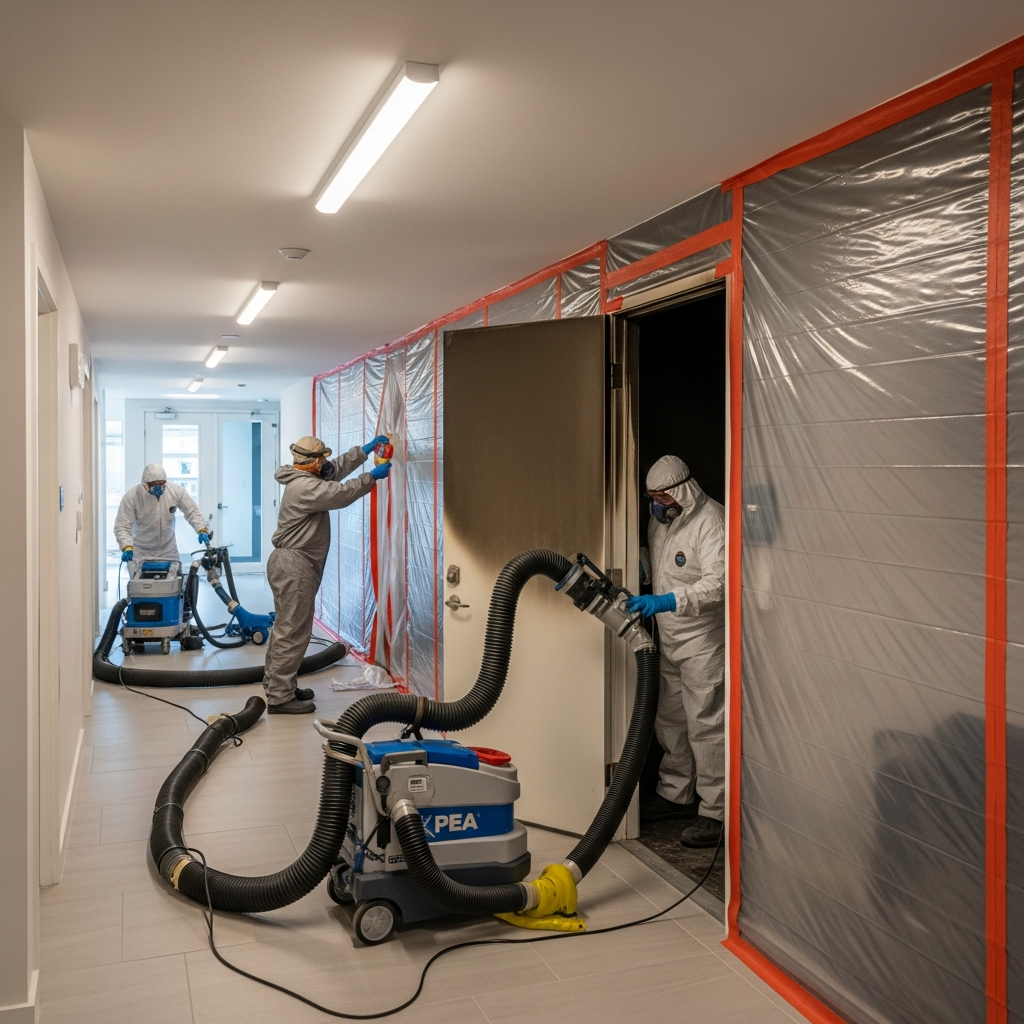
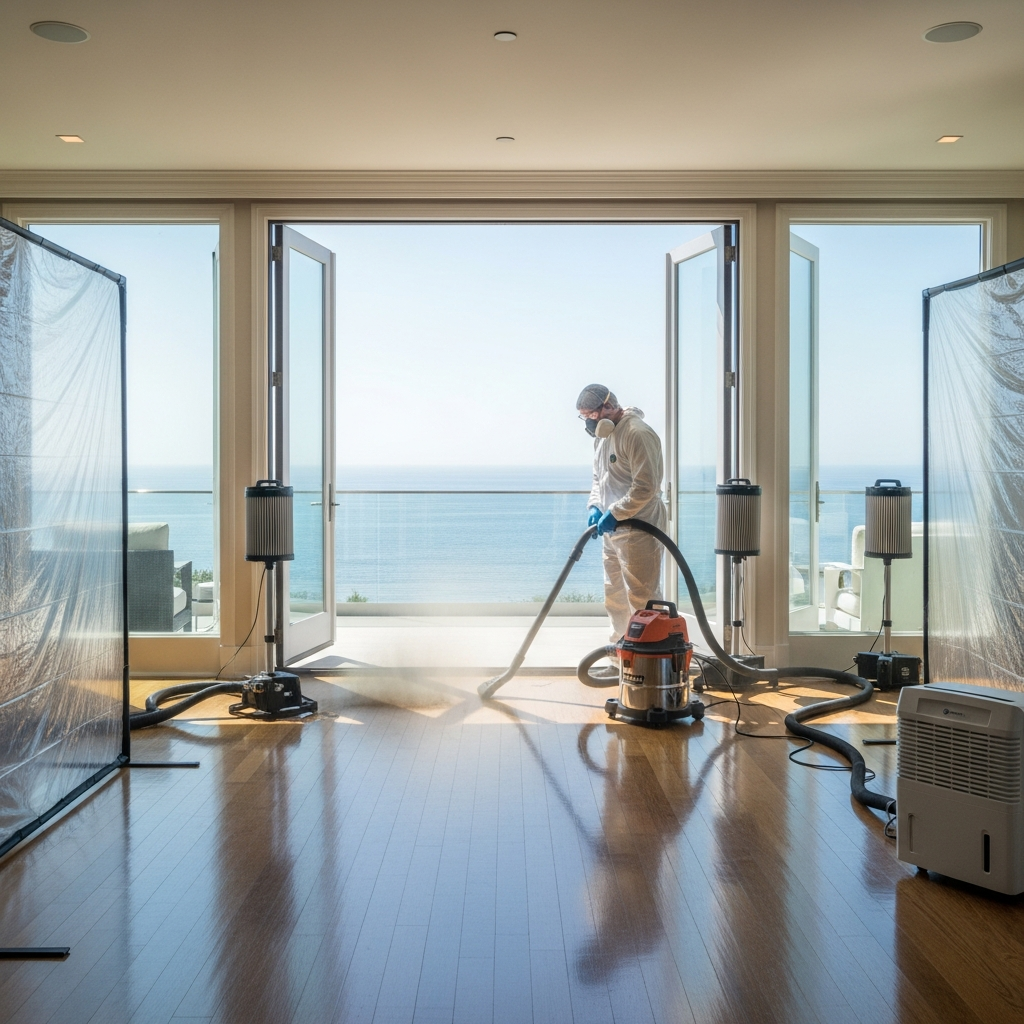
Speed without panic is the aim. After firefighters clear the scene and the property is safe to enter, the clock begins. If water was applied, addressing moisture is the first move to keep soot from bonding more aggressively and to avoid microbial growth. Negative air machines with advanced filtration should be positioned to create controlled airflow, preventing cross-contamination into cleaner zones. In Malibu’s coastal air, opening every window can feel like the natural choice, but random ventilation can actually drive particles deeper into fibers. Instead, controlled air exchanges combined with HEPA filtration capture contaminants while protecting finishes. Photo documentation, detailed inventories, and immediate stabilization of sensitive items—artwork, musical instruments, and electronics—protect long-term value and help align the path for insurance documentation.
Containment is non-negotiable. Strategic barriers at doorways and hallways limit how far soot migrates as work begins. In homes with high-volume HVAC systems, shutting down air handlers immediately prevents smoke from circulating into ducts and rooms that appear untouched. Filters must be replaced, but more importantly, ducts should be inspected and, when impacted, professionally cleaned with agitation and HEPA capture. The goal is to prevent a scenario where you complete a gorgeous cleaning downstairs only to reintroduce odor and film once the system cycles again. This step is especially vital in Malibu properties that rely on constant air conditioning during heat waves and Santa Ana events.
From Soot to Sanity: A Proven Restoration Roadmap
A thorough assessment guides everything that follows. We map out source areas, smoke travel patterns, and priority spaces like kitchens, nurseries, and bedrooms. Dry soot on non-porous surfaces often responds to specialized vacuuming and dry sponges before any wet method is attempted. Introducing moisture too early can smear residues and fuse stains into paint and textiles, which is why trained technicians begin with the least invasive approach. Once dry removal reaches its limit, carefully selected detergents break down oily films without damaging finishes. On raw framing or attic decking with deeper penetration, media blasting—often with soda or dry ice—lifts embedded residues while preserving structural integrity. The choice depends on the substrate and the degree of charring or discoloration.
Deodorization is both art and science. You cannot mask smoke; you have to neutralize it. Hydroxyl generators excel in occupied environments because they are gentle on textiles and safe around many materials when used correctly. Thermal fogging, when appropriate, allows deodorizing particles to mimic smoke’s original path, reaching cavities that normal cleaning cannot. Enzymatic treatments help on specific organic residues. The approach is layered, measured, and documented so that each pass brings the indoor environment closer to that fresh, blank-slate finish homeowners rightly expect. When the process is done well, opening the front door does not greet you with perfume; it greets you with the clean absence of scent.
Why Malibu’s Climate and Architecture Change the Playbook
Local conditions shape outcomes. Salt air increases the conductivity of residues on metal, accelerating corrosion on fixtures, appliance finishes, and electronics. That is why time-sensitive protective steps—like applying corrosion inhibitors to susceptible surfaces—can be the difference between saving and replacing high-end hardware. Malibu’s blend of contemporary glass, steel accents, stucco, and cedar details also means that no single cleaning product fits all. Using a degreaser that is too aggressive can haze glass or discolor finishes; choosing one that is too mild can leave a persistent film that traps odor. In hillside builds, vertical chaseways and elevator shafts can become unnoticed highways for smoke migration, so they must be inspected, cleaned, and cleared as part of a comprehensive plan.
We also account for power reliability, access roads, and microclimates. After major events, Pacific Coast Highway or canyon routes may close unpredictably, and coastal fog can keep interiors damp well into late morning. Drying plans and deodorization schedules are calibrated to these rhythms. Large homes with expansive volume—double-height living rooms, lofts, and clerestory windows—benefit from phased cleaning strategies that tackle high elevations safely and in sequence, preventing dust-down on freshly finished floors and furniture below. Every decision is oriented toward keeping progress steady, predictable, and free of rework.
Handling Contents, Textiles, and Irreplaceables
A home’s soul lives in its contents. In Malibu, cherished surfboards double as wall art, heirloom rugs ground modern living rooms, and handcrafted guitars and pianos hold center stage. Handling these items after smoke exposure calls for precision. Textiles are tested for colorfastness, then either carefully vacuumed and laundered with smoke-specific detergents or sent for specialty restoration. Area rugs may be immersion cleaned off-site to fully lift residues from the foundation fibers. Books and archival photographs require climate-controlled handling, and for smoke-impacted art, coordination with conservators ensures that restoration respects the medium, whether oil on canvas or mixed materials. Electronics can often be saved if corrosion is halted promptly and residues are professionally removed before power cycling resumes.
During pack-out, contents are inventoried, photographed, and labeled with location data so they can be returned to the exact room and placement. This organization speeds the move-back phase and reduces stress for homeowners, who deserve to feel that momentum is building toward normalcy. Storage environments matter, too. Items should be kept in clean, odor-free spaces while structural work proceeds, otherwise you risk reintroducing odor even after immaculate cleaning. The final phase brings contents back only after the structure passes a white-glove test for air quality and surface clarity.
Insurance Collaboration Without the Headaches
Documentation is the language of insurance, and a well-run smoke restoration project speaks it fluently. Detailed condition reports, moisture readings where water was involved, and photographic timelines help adjusters understand the necessity of each step. In Malibu, where finishes can be high-end and custom, providing manufacturer guidance on cleaning tolerances protects both the product and the claim. The right restoration partner does not treat the process as adversarial; instead, they offer clarity and evidence so decisions are efficient and justified. That means fewer surprises, fewer delays, and a smoother path to closure.
Mid-Project Milestones and What Progress Should Feel Like
Homeowners often ask what “better” feels like halfway through. The answer is calm, clean air and visibly brighter surfaces. By the midpoint, primary soot removal and initial deodorization should be complete, and the home should no longer release a strong odor when doors and windows are closed for several hours. HVAC components should have been assessed and addressed, and high surfaces should be cleaned before detailing lower areas. If a project stalls or odors rebound, it is usually a sign that a reservoir area—often attics, insulation, or concealed cavities—was missed. This is where working with specialists in fire damage restoration in Malibu pays dividends, because local teams know where smoke hides in our typical builds and how to resolve it decisively.
Odor Elimination That Lasts
Lasting deodorization comes from eliminating the source, not adding fragrance. Once structural cleaning is complete, the property may undergo a final deodorization pass to address any lingering molecules in cavities. If insulation absorbed heavy smoke, replacement can be the most efficient route to a clean result. Painted surfaces are evaluated for sealing and repainting; applying a smoke-sealing primer in appropriate areas creates a neutral base for a flawless finish coat and keeps microscopic odor particles from reentering the room. Floors, cabinets, and stone surfaces receive a final detailing so the home’s visual quality matches the refreshed indoor air. The end result should not feel like a compromise; it should feel like a reset.
Realistic Timelines and Living Arrangements
Every home and event is unique, but most smoke restoration projects follow a rhythm: stabilization and assessment, structural cleaning and deodorization, contents processing, detail work, and final verification. Some families can occupy parts of the home while work proceeds in zones; others prefer to step away entirely for a short, intensive push. In Malibu, where families juggle school at Pepperdine, commuting along the coast, and weekend beach life, schedules are coordinated to minimize disruption. Communication is constant, with daily or weekly updates that convert a complex process into a series of clear, manageable steps. When expectations are set and met, the project replaces worry with confidence.
After the Project: Keeping Your Space Fresh
Once the home is restored, small habits preserve the investment. Regular HVAC maintenance with the right filter rating prevents dust and new odors from accumulating. Humidity control protects finishes and reduces the chance that any faint residues could become noticeable during damp spells. Thoughtful storage—especially for textiles and seasonal clothing—keeps closets smelling clean. Most importantly, trust your senses. If a space begins to carry a trace of smoke after a week or two of normal living, say something. A reputable team will investigate and address it. True restoration is judged not on day one but on day one hundred.
Frequently Asked Questions
How soon should I start smoke damage cleanup after a fire?
As soon as the property is safe and released by authorities, begin stabilization. The first 24 to 48 hours are critical for preventing stains from setting, corrosion from advancing, and odors from embedding deeper into porous materials. Early containment, controlled ventilation, and HEPA filtration set the stage for a smooth, effective restoration.
Is it safe to stay in my Malibu home during smoke restoration?
It depends on the extent of impact, the areas involved, and your sensitivity to odors or particulates. Many projects can be phased so families occupy unaffected zones, but severe smoke infiltration, heavy deodorization work, or HVAC contamination may make temporary relocation more comfortable. A thorough assessment will outline the safest plan.
Why does my house still smell like smoke even after I cleaned?
Persistent odors usually indicate hidden reservoirs—attics, insulation, wall cavities, or HVAC ductwork—that were not addressed. Surface cleaning alone can leave behind embedded molecules. Targeted structural cleaning, cavity-focused deodorization, and, when warranted, insulation replacement or sealing of materials typically eliminate the source.
Will my electronics, artwork, and instruments be okay?
Many can be saved if handled quickly and correctly. Electronics should remain powered off until inspected and cleaned to halt corrosion. Artwork and instruments benefit from specialty handling and, for fine art, conservator input. Promptly stabilizing these items greatly improves outcomes and reduces the need for replacement.
What cleaning methods work best on smoke-damaged wood and framing?
Start with dry removal to lift loose soot, then move to carefully selected detergents. For deeper penetration on raw framing or attic sheathing, soda or dry ice blasting can lift residues without removing excessive material. The method is chosen based on the wood’s finish, the depth of contamination, and the desired final appearance.
Do I need to replace insulation after smoke damage?
If insulation absorbed heavy smoke, replacement is often the most reliable way to remove odors. In lighter cases, targeted deodorization and increased air exchanges may suffice, but attic and wall insulation are common odor reservoirs and should be evaluated carefully during assessment.
How will I know when my home is truly odor-free?
Verification includes both professional air quality checks and lived experience. After deodorization, the home should maintain a clean scent even with windows closed for extended periods. If odors recur, reputable teams will re-evaluate and address any missed reservoirs to ensure a lasting result.
What should I tell my insurance company?
Provide clear documentation: the date of loss, how the smoke entered the home, visible impacts, and any sensitive items affected. Photos, written assessments, and professional recommendations help the adjuster understand the scope and urgency, streamlining approvals and project momentum.
When you are ready to reclaim your space and breathe easy again, choose a locally grounded team that understands materials, microclimates, and the pace of life here. Start your path back to normal with trusted fire damage restoration in Malibu, and feel the difference of a home that is truly clean, comfortable, and yours once more.