Across Malibu’s bluffs and canyons, the story of post-fire recovery is evolving. What worked a decade ago has given way to smarter tools, greener chemistry, and planning styles that respect both the architecture and the ecosystem. Encino, as a regional restoration hub, has become a proving ground for practices that are now arriving at oceanfront addresses and ridgeline retreats with real impact. From data-driven assessments to health-forward cleaning, the trends taking shape in Encino are reshaping expectations in Malibu, bringing precision, speed, and a renewed focus on resilience. In this changing landscape, tapping into experienced fire damage restoration expertise early sets the tone for a recovery that is both efficient and thoughtfully tailored to coastal living.
Faster, smarter assessments
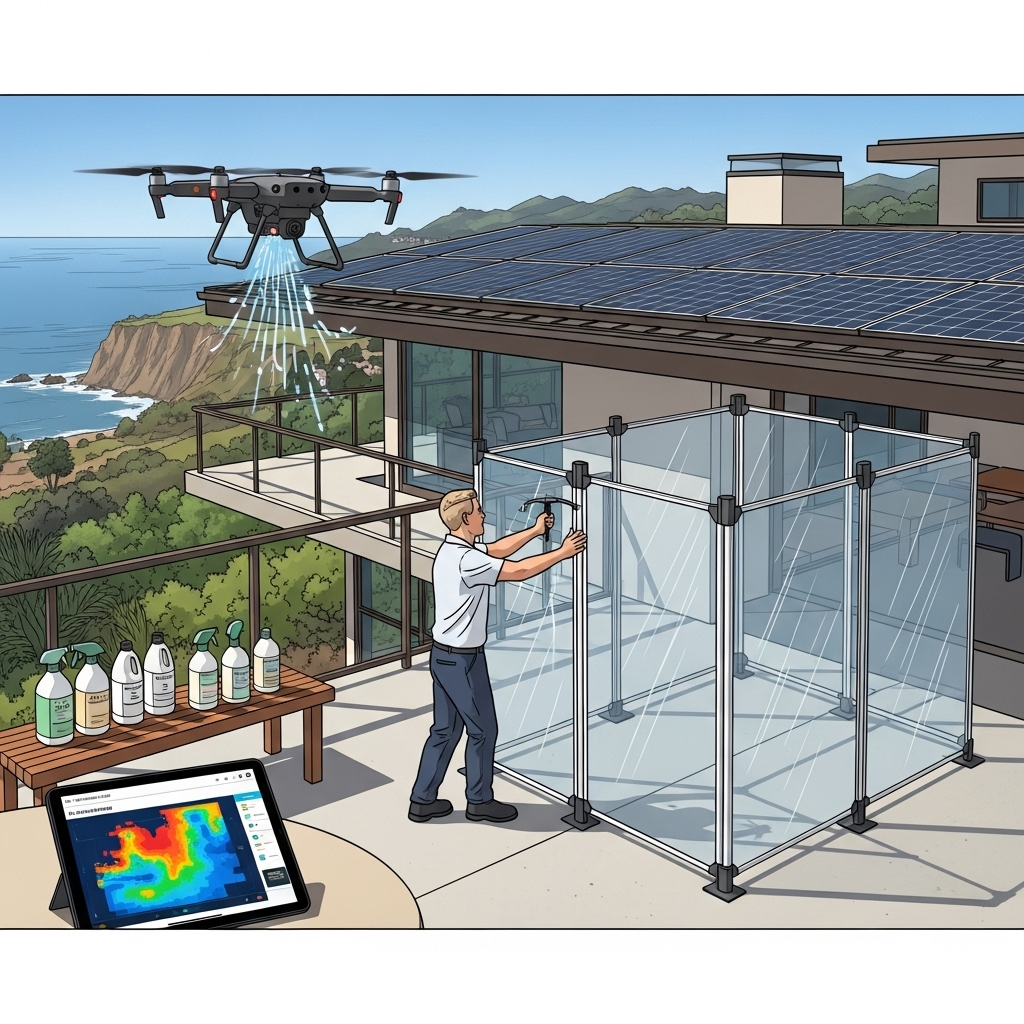
Modern restoration begins with clarity. Thermal imaging used to be a specialty add-on; now it’s standard, helping crews visualize moisture intrusions from firefighting and identify areas where smoke may have concentrated. When combined with structured photo documentation and moisture mapping software, it produces an objective baseline that informs decisions, not guesses. Encino teams are deploying these tools from the first walkthrough, which means Malibu homeowners receive early, data-backed plans that accelerate insurance coordination and keep projects moving even during busy seasons.
Drone-assisted roof checks are another leap forward, especially for Malibu’s hillside homes where access is tricky. Without setting foot on damaged surfaces, crews can evaluate tarping needs, chimney integrity, and vulnerable penetrations. This reduces risk and speeds up stabilization while waiting for permanent repairs.
Containment as craft
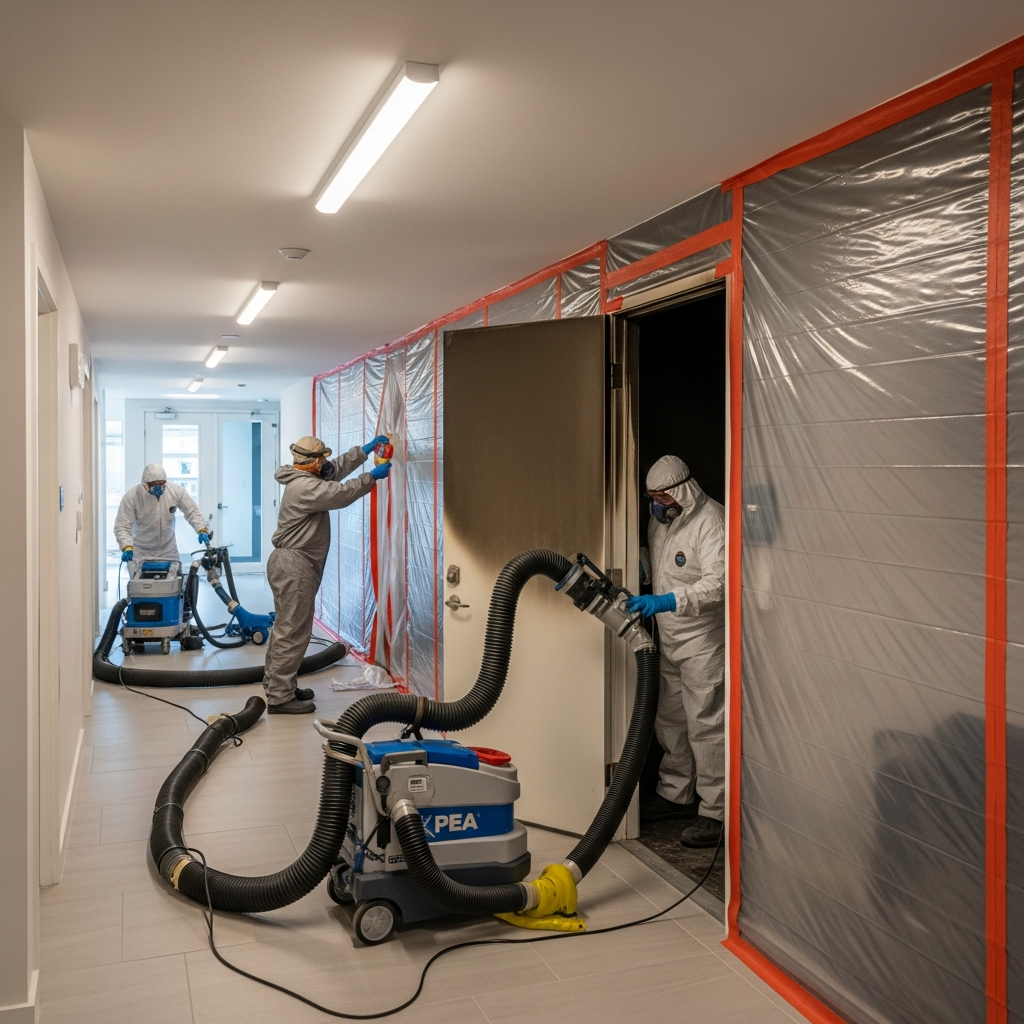
Containment is no longer just plastic and tape; it’s a craft with a performance standard. The trend is toward modular systems that seal tightly, include zipper access for minimal disruption, and integrate negative air machines to maintain proper pressure differentials. In Malibu, where families often need to occupy part of a home during restoration, these systems enable phased work that respects daily life. Encino teams are refining this approach, turning what used to be a mess of sheeting into clean, efficient work zones.
Transparent containment—literally, clear barriers—also helps with communication. Homeowners can see progress while particulate migration stays controlled. This visibility builds trust and reduces the uncertainty that often accompanies multi-week projects.
Green chemistry and sensitive homes
Many Malibu homeowners value low-toxicity environments. Encino’s adoption of greener cleaning chemistries—formulated for residue removal without heavy fragrances or harsh solvents—has gained traction. The trend prioritizes products that achieve neutralization while minimizing VOCs. After a smoke event, when indoor air quality is already top of mind, this approach supports a healthier reentry and aligns with households that prefer minimal chemical footprints.
Equally important is the shift away from masking odors. Instead, crews favor a sequence of source removal, material-specific cleaning, and targeted odor neutralization. Hydroxyl generators, used within safe occupancy guidelines, are increasingly preferred for their compatibility with delicate finishes and textiles. Ozone remains a tool but is used more selectively, guided by space conditions and safety protocols.
HVAC: from afterthought to priority
Another trend is the early inclusion of HVAC in the mitigation scope. In the past, systems were sometimes addressed late, leaving a risk of reintroducing odor and particulates after cleaning. Today, Encino-based teams prioritize duct assessment, coil treatment, and filter strategies upfront. The result for Malibu homes is a smoother re-occupancy experience and fewer callbacks, especially during seasonal temperature swings when system usage spikes.
Paired with this is an emphasis on whole-home airflow. Temporary balancing—closing certain registers during cleaning, supplementing with negative air, and timing ventilation to match coastal humidity—helps reduce cross-contamination while preserving comfort in occupied areas.
Data that aligns stakeholders
Digitized job logs are becoming the norm. Daily notes, equipment run times, particle counts, and moisture readings are shared in standardized formats that insurers and homeowners can readily digest. This transparency minimizes disputes and speeds approvals. For complex Malibu projects with multiple layers—mitigation, repairs, specialty restorations—data alignment is the grease in the gears.
Inventory management has seen a similar upgrade. Barcoded pack-outs track every item, from artwork to area rugs, as they move to and from cleaning facilities. Homeowners gain confidence, insurers gain clarity, and losses are minimized through clear chain-of-custody practices.
Resilient materials and micro-upgrades
Trends in rebuild favor flexible resilience over dramatic redesigns. Encino contractors are recommending ember-resistant vents, improved attic access panels, and judicious sealing around penetrations—small upgrades that reduce ember intrusion without altering a home’s aesthetic. In Malibu, where design integrity is paramount, these subtle moves are welcomed as ways to maintain beauty while improving performance.
Finish choices are also evolving. Paint systems selected for cleanability and low VOCs reduce odor retention and simplify maintenance after future smoke events. Exterior selections—like noncombustible claddings or treated natural woods—are evaluated for their fire performance without sacrificing the coastal look that defines many neighborhoods.
Community-aware logistics
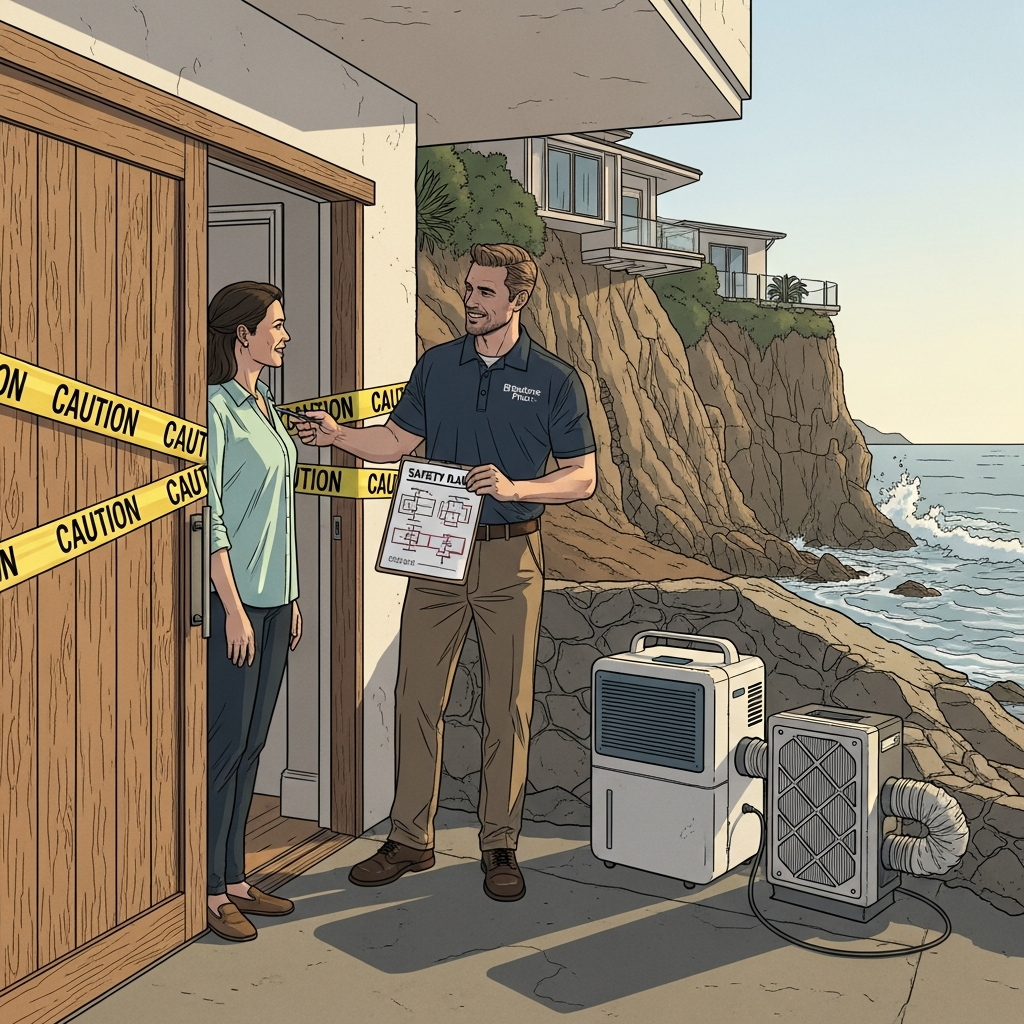
One Encino-driven trend with outsized impact in Malibu is meticulous logistics. Restoration teams are developing site plans that preserve street access, minimize noise, and schedule deliveries around school pickup windows or surf traffic. It may sound small, but in canyon communities, respecting the flow of the neighborhood earns goodwill and reduces friction that can slow projects.
Staging strategies are evolving too. Compact, higher-efficiency equipment reduces the footprint in driveways and yards, protecting landscaping and easing neighbor concerns. The combination of smaller gear and smarter scheduling keeps projects unobtrusive without compromising progress.
Education as a service
Restoration isn’t just a technical service anymore—it’s educational. Encino teams are taking time to explain what’s happening, why certain decisions are made, and how each phase contributes to the outcome. In Malibu, where many homeowners are well-versed in architecture and design, this transparency elevates collaboration. Whether it’s a quick primer on pH and surface compatibility or a walkthrough of HVAC restart protocols, education reduces anxiety and aligns expectations.
That dialogue often extends to preparedness. As projects conclude, homeowners receive guidance on maintenance, filter schedules, and small upgrades that reinforce the home’s readiness for future events. Recovery becomes a bridge to resilience rather than a return to the status quo.
At the midpoint of many projects, a second look at fire damage restoration plans often reveals room for beneficial adjustments—an added containment, a tweak in odor treatment, or a schedule shift to reduce disruption. The trend is continuous improvement fueled by real-time feedback rather than rigid adherence to initial assumptions.
High-touch care for high-value items
Specialty contents handling is seeing a quiet revolution. From climate-controlled transport to collaboration with conservators for art and rare books, contents teams in Encino are building capabilities that Malibu homeowners increasingly request. Meticulous documentation pairs with tailored cleaning methods, ensuring items return not just odor-free but also preserved for the long term.
Electronics, often the heart of home automation systems, receive careful evaluation. Corrosion risks are weighed against repair feasibility, and when replacements are recommended, documentation supports claims while protecting data and privacy.
Mental and emotional space
The most human trend is care for the people behind the project. Restoration leaders train teams to recognize fatigue, decision overload, and the emotional whiplash that follows a fire. They build schedules that allow families to regroup, designate clean zones early, and keep lines of communication open. When the work respects human rhythms, outcomes improve across the board.
What this means for Malibu
Malibu’s relationship with fire won’t vanish, but the way we recover can continue to improve. With Encino’s innovations filtering west, projects feel more deliberate and less chaotic. Homeowners see their goals reflected in the process: health-first, design-conscious, and schedule aware. The home that emerges is often stronger and easier to care for, not merely restored to a previous state.
FAQ
Which new tools make the biggest difference? Thermal imaging for moisture verification, modular containment with negative air, and digitized documentation have the largest impact on speed and clarity. Together, they reduce uncertainty and rework.
Are greener cleaning agents as effective? When used within a well-designed process, yes. The key is source removal first, then chemistry aligned to residues and materials. Low-VOC options can achieve excellent results without heavy scents or residue.
Should HVAC always be part of the plan? Absolutely. Addressing the system early prevents odor and particulate reintroduction. It also speeds comfortable re-occupancy and reduces callbacks.
Do drones replace roof inspections? They complement them. Drones provide rapid, safe visuals to guide tarping and repairs. Hands-on inspection still occurs when it’s safe and necessary.
How do I protect art and specialty items? Request early contents assessment, climate-aware handling, and documented chain of custody. Items can be cleaned off-site where conditions are controlled and progress is tracked.
Will these trends add time to my project? Generally, they save time by preventing missteps and aligning stakeholders. Any added minutes on setup are recouped through fewer surprises and smoother approvals.
What if I prefer minimal chemical use? Communicate preferences early. Teams can tailor products, extend air scrubbing, and adjust sequencing to honor sensitivity while achieving a thorough clean.
When you want a recovery experience that reflects the best of modern practice—clear data, gentle chemistry, and meticulous care—partner with a team that leads these improvements. Begin with seasoned fire damage restoration professionals who can translate innovation into a calmer, faster return to the Malibu life you love.