Every Malibu fire story has its own plot twists, but patterns emerge when you look closely. Smoke rides canyon winds in ways that surprise even longtime locals. Marine layers condense on soot-coated metals and accelerate corrosion. Water from firefighting lingers in hidden cavities where mold can gain a foothold if not managed quickly. For homeowners, understanding these common issues—and how experienced Encino teams address them—can turn a stressful event into a structured path forward. The right fire damage restoration partner doesn’t just clean; they diagnose, prioritize, and protect the long-term health of your home and the people who live in it.
Smoke that settles where you least expect it
Smoke behaves like a guest who ignores doorways and takes the attic route instead. It follows pressure differentials and finds pathways through recessed lights, attic vents, and even the tiny gaps around window casings. In Malibu, where canyon winds create microcurrents, smoke can concentrate in rooms far from the source—guest bedrooms, closets, or a studio above the garage. Experienced crews begin with a mapping mindset, using visual cues and instrumentation to trace likely migration paths so cleaning targets the right places first.
Residue type matters. Dry soot from quickly extinguished flames behaves differently than the sticky film from a low-heat, smoldering event. Each requires different cleaning media and pH to avoid smearing or embedding particles into finishes. Testing in inconspicuous areas prevents unnecessary damage to delicate surfaces like Venetian plaster, natural stone, or reclaimed wood.
Salt air and soot: a corrosive pairing
Coastal living gifts Malibu with sunrise sparkle on stainless steel and bright chrome. After a fire, that shine is at risk. Salt in the air accelerates the corrosive effects of acidic soot, turning hours into minutes for visible tarnish or etching. That’s why early corrosion control is nonnegotiable. A skilled Encino team prioritizes neutralizing wipes, rinses with appropriate solutions, and targeted protective measures on metals and electronics. The sooner this begins, the more you save—both aesthetically and functionally.
Window tracks and door hardware are frequent casualties if left unattended. The residue that seems cosmetic today can cause sticking or pitting tomorrow. Addressing these small parts early keeps the home’s daily rhythm intact when you return.
Water where it hides
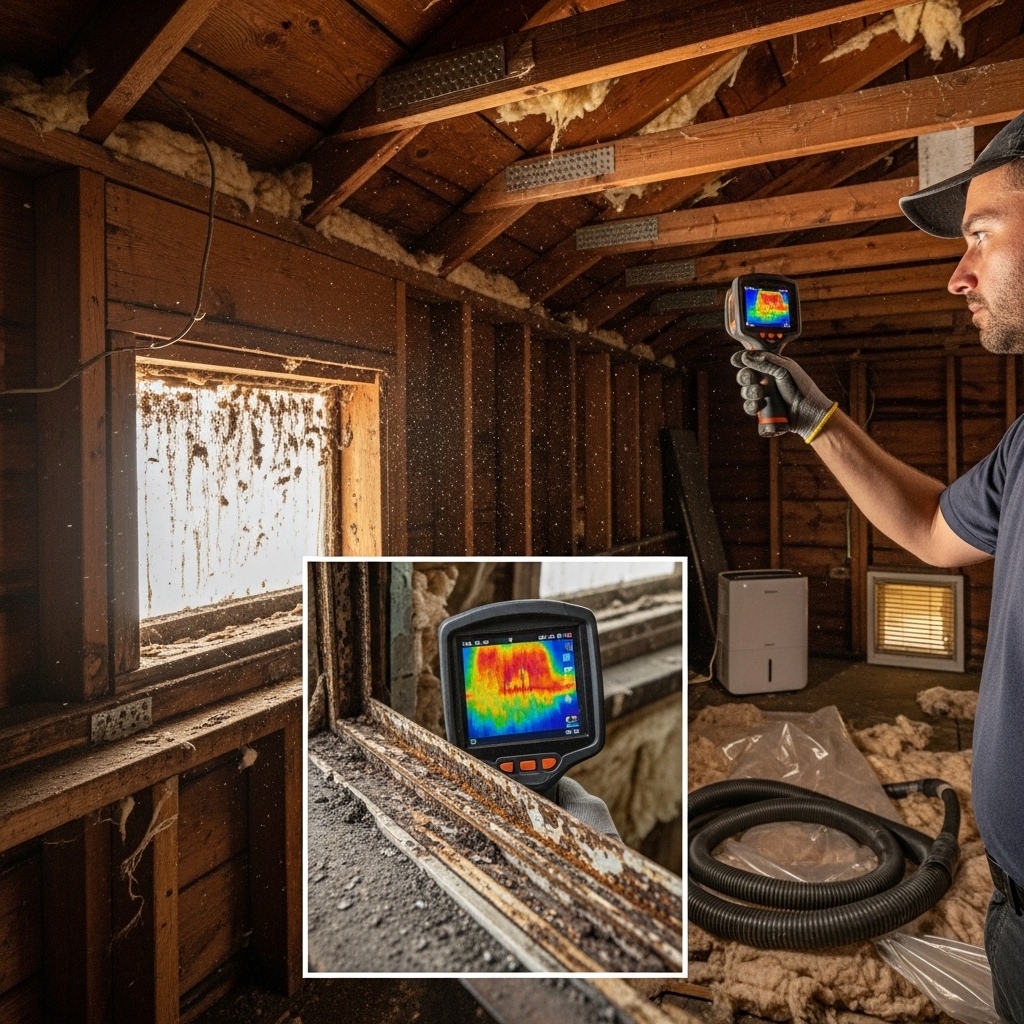
Firefighting is about saving the structure, and sometimes that means water goes where it needs to go, regardless of finish schedules. The aftermath often includes moisture in baseboards, subfloors, wall cavities, and insulation. Malibu’s humidity can slow natural drying, and cool coastal mornings can mask dampness. Teams trained in moisture dynamics use extraction, dehumidification, and thermal imaging to confirm progress, not just assume it. This reduces the risk of secondary issues that might surface weeks later as subtle odors or warping.
Floor assemblies deserve special focus. Wood floors may cup if moisture isn’t managed quickly and evenly. Engineered products respond differently than solid planks, and radiant heat systems complicate the picture. An experienced crew understands these differences and tailors the plan accordingly.
HVAC: the invisible amplifier
If a system runs during or after a smoke event, it can spread particulates throughout the home. Malibu’s open-plan designs and vaulted ceilings make this effect even more pronounced. The fix starts with shutting the system down, protecting registers during cleaning, and evaluating ductwork and coils before restart. Filter upgrades during the transition back to occupancy help capture lingering particulates while normal routines resume.
Even in homes with excellent filtration, residues inside returns or on coils can reintroduce odors. Addressing these components is part of a comprehensive plan, not an optional add-on.
Odor that outlasts the visible mess
It’s possible for a space to look clean and still hold a faint reminder of smoke. That’s because odor compounds can embed in porous materials and behind surfaces where air does not circulate freely. Cabinets, closets, and built-ins need attention beyond what meets the eye. Teams combine dry cleaning of residue with controlled wet cleaning and, when appropriate, sealing of certain substrates after thorough prep. Odor neutralization follows, using technologies like hydroxyl generators to treat the air without leaving heavy fragrances behind.
Soft goods—drapery, rugs, upholstered pieces—often benefit from off-site treatment. This clears space for structural cleaning and ensures textiles receive care in a controlled environment where temperature, humidity, and airflow are optimized for odor removal and fabric preservation.
Contents triage: what to save, what to stage
Not everything needs to move on day one, but a strategic pack-out can accelerate the project. Items that impede cleaning or are at risk of corrosion or odor absorption are prioritized. Encino-based teams often deploy barcoded inventory systems that track each item, photograph condition, and document cleaning steps. For Malibu homeowners, this accountability reduces anxiety and streamlines insurance conversations.
High-value items and sensitive electronics receive special handling. The decision matrix considers both sentiment and function, balancing practical timelines with care for what matters most to you.
Neighborhood logistics and narrow lanes
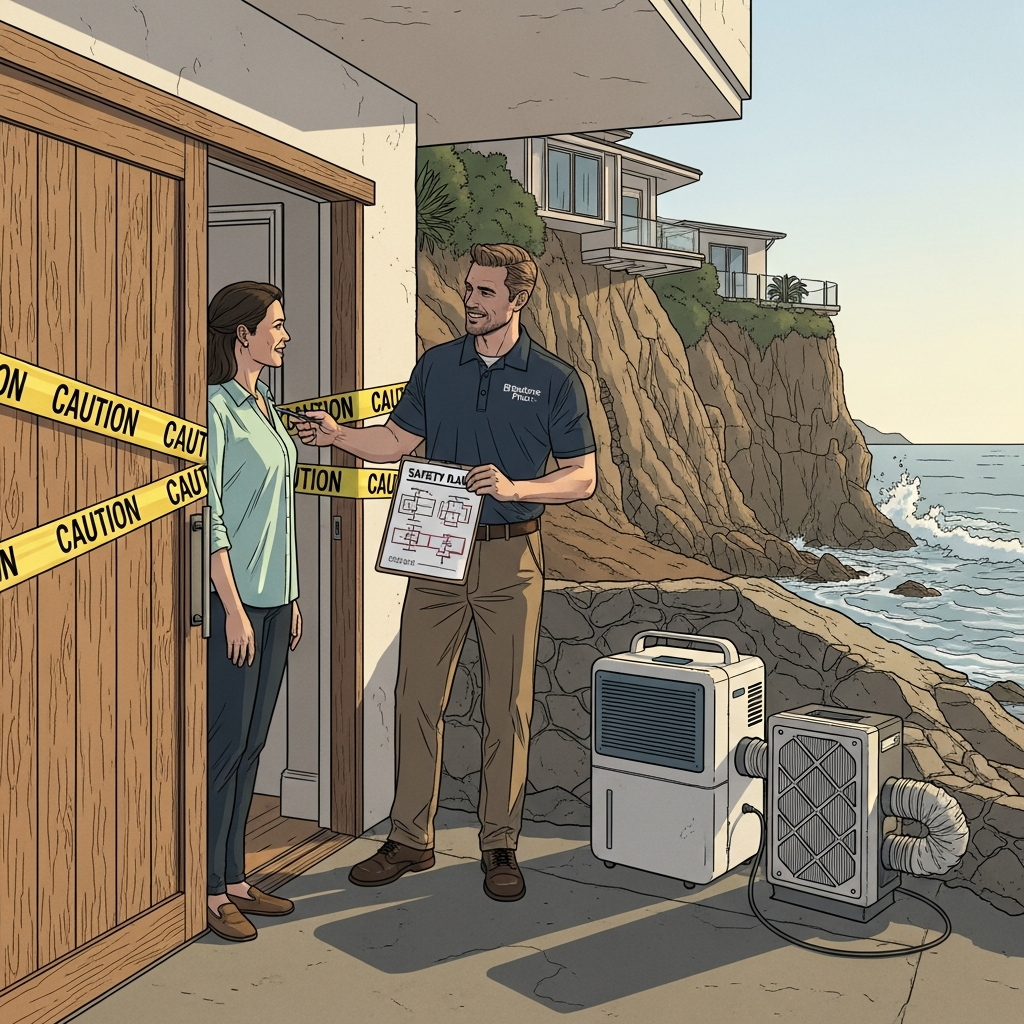
Anyone who has navigated a box truck through a Malibu canyon knows the dance. Staging equipment without blocking neighbors, protecting landscaping, and coordinating deliveries during off-peak hours are not just courtesies—they keep projects moving and relationships strong. Encino teams accustomed to Westside and coastal logistics bring playbooks that preserve access and minimize disruptions while maintaining steady progress.
Communication is a core tool here. Clear signage, crew briefings, and coordination with neighbors for key milestones build goodwill and reduce the chance of slowdowns caused by misunderstandings.
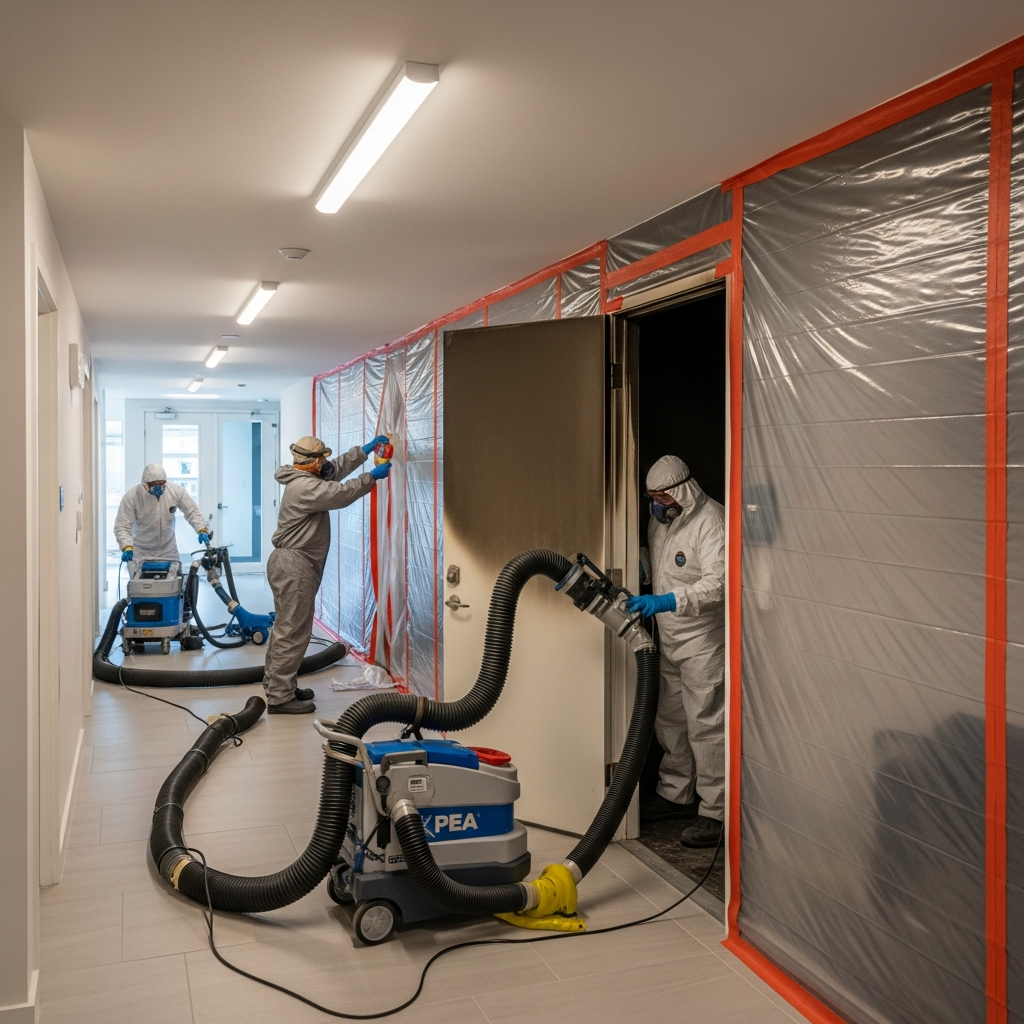
Mid-project, many homeowners discover that professional fire damage restoration is as much about orchestration as it is about cleaning. The right tempo—stabilize, clean, verify—transforms a complex puzzle into a sequence with predictable outcomes, leaving less room for frustration and more for relief.
Permit paths and rebuild readiness
While mitigation focuses on safety and cleanliness, it also sets the stage for repairs. Documenting pre-existing conditions, capturing detailed measurements, and preserving finishes that can be saved reduce the rebuild scope and timeline. When structural elements are involved, early coordination with Malibu’s permitting process avoids pauses later. A team fluent in these steps eases the transition from drying logs to finish schedules.
Health-first choices
After a fire, the goal isn’t just visual renewal—it’s a safe indoor environment. Teams trained in IAQ best practices manage dust control, choose low-residue cleaners, and sequence work to reopen key rooms sooner. For families with sensitivities, additional air scrubbing and low-VOC sealers may be recommended. The aim is a home that feels as fresh as it looks, without heavy scents or lingering particulates.
FAQ
Why does metal tarnish so quickly after a fire near the ocean? Soot residues are often acidic, and when combined with coastal salt and humidity, corrosion accelerates. Early neutralization and protective steps help preserve finishes and function.
How do I know if smoke reached my attic or behind walls? Technicians look for visual cues, test surfaces, and may use thermal imaging and inspection ports to evaluate hidden areas. If residues are present, targeted cleaning and sealing strategies are applied.
Is it safe to run my HVAC after cleaning starts? Only after the system has been evaluated, cleaned as needed, and fitted with fresh filters. Premature operation can spread particulates and odors, undermining progress.
Can I occupy part of the house during restoration? Often, yes. With proper containment and negative air, teams can phase work so key areas remain usable. Communication and planning are essential to keep life moving while work continues.
What determines whether items are cleaned on-site or off-site? Access, risk of corrosion, odor absorption, and the need for controlled conditions all play a role. Barcoded inventories and photo documentation ensure items are tracked throughout.
How are odors removed without strong fragrances? Source removal is primary, followed by material-appropriate cleaning and controlled odor neutralization using technologies like hydroxyl generators. The goal is a neutral interior, not a perfumed one.
What’s the typical sequence after a fire? Stabilize the structure, protect vulnerable materials, establish containment, initiate drying, perform detailed cleaning, verify results, and then transition to repairs. Each step builds on the last to prevent rework.
When the unexpected happens, clarity and care matter. Choose a team that knows the terrain, honors the architecture, and treats your time as the precious resource it is. Reach out to Malibu-ready fire damage restoration specialists who will meet you with a plan, a steady pace, and respect for the home you love.