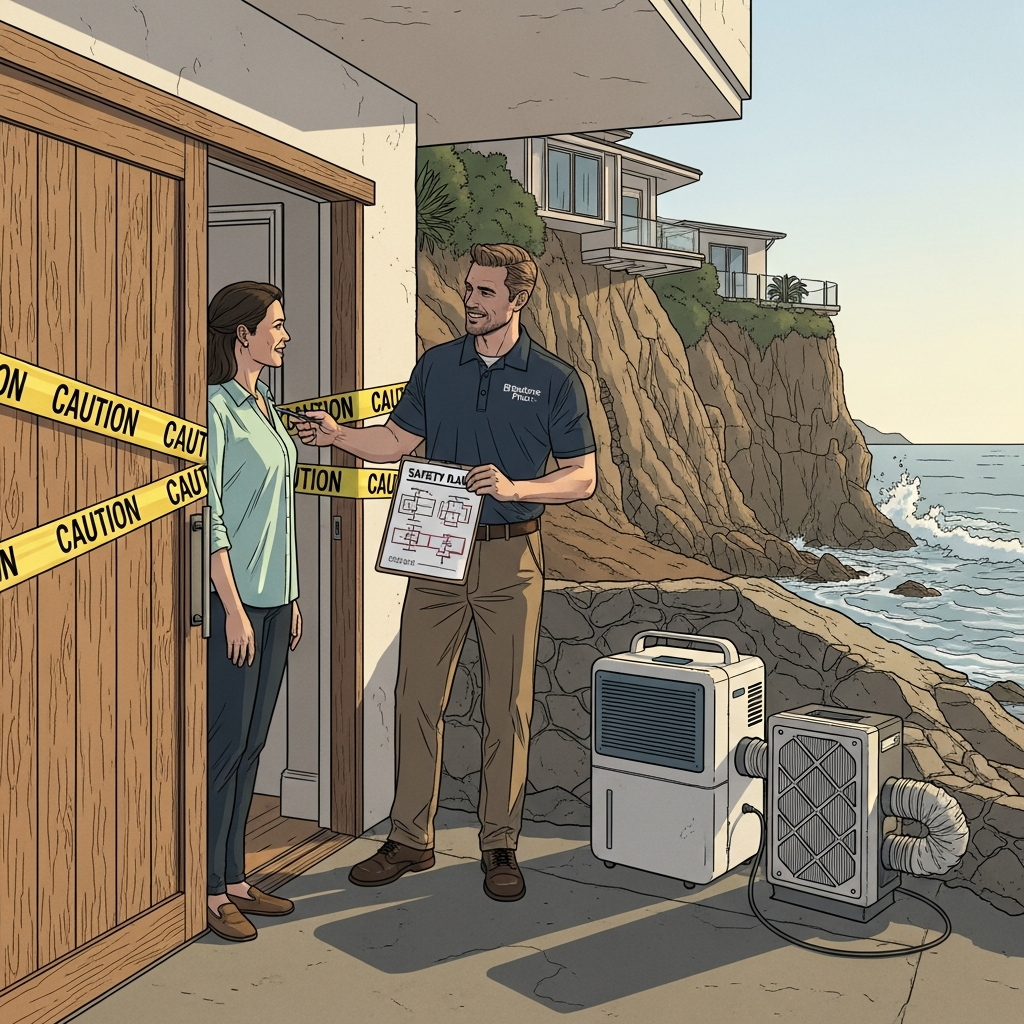
In Malibu, no two properties are alike, and the same is true for restoration planning after a fire. An estimate is more than a number on a page; it is a narrative of your home’s condition, a strategy for how to return it to health, and a blueprint for sequencing the work. As someone who has walked hillside estates and oceanfront cottages alike, I’ve learned that the most accurate estimates are built on careful observation and clear communication. If you’re just beginning to navigate your options, a concise primer on fire damage restoration can help you understand how professionals structure a scope that actually fits Malibu’s unique realities.
The first step toward a meaningful estimate is stabilization. While that might sound separate from estimating, it sets the baseline. Board-ups, temporary weather protection, and water extraction stop the clock on ongoing damage, allowing the estimator to see the true extent rather than a moving target. In Malibu’s coastal environment, this is especially important because humidity and salt can magnify the corrosive effects of soot, and any delay can change a surface’s recoverability from hours to days.
With the property secure, the estimator begins a methodical assessment. They map each room, note finishes, measure moisture levels, and test residues. Not all smoke is the same: dry smoke from fast-burning events behaves differently than wet smoke from smoldering materials, and protein residue from a kitchen event is almost invisible yet powerfully odorous. These distinctions shape cleaning methods and the time required. For example, open-beam ceilings common in Malibu often need careful dry cleaning followed by sealing, whereas smooth walls might respond to an alkaline wash and thorough rinsing. The estimate should reflect these nuances rather than treat every surface as identical.
Attics, crawl spaces, and mechanical systems receive particular attention. Malibu homes may have long, connected attic voids and soffit vents that allow smoke to travel far from the fire room. Estimators look for pathways—utility chases, returns, and gaps around fixtures—then outline how to isolate, clean, and verify those spaces. When HVAC is involved, the estimate should include duct cleaning and post-clean verification, because odor frequently rebounds when a system cycles if the ducts are overlooked.
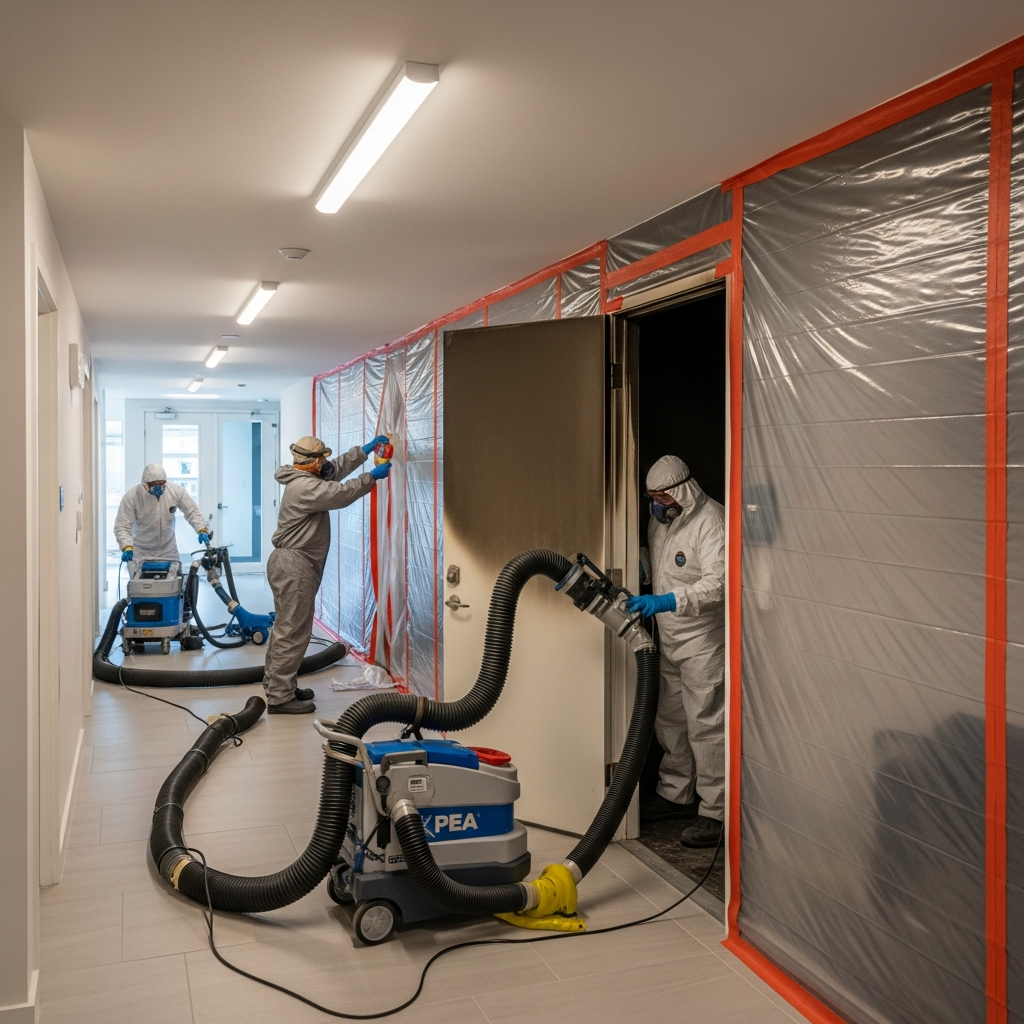
Water mitigation is another cornerstone of the estimate. Firefighting efforts can leave moisture in walls, floors, and subfloors that is not immediately visible. Moisture readings, infrared scans, and sometimes small inspection openings inform a drying plan. In Malibu’s marine climate, drying often uses a blend of dehumidification and targeted heat while maintaining negative pressure to prevent spreading particulates. Timelines for drying should be presented as ranges with checkpoints, tied to measurable goals rather than guesses.
Contents handling appears in the estimate as well, usually under a separate section. This covers inventory, pack-out, cleaning, storage, and return. Malibu homes typically contain a mix of everyday essentials and specialty items—artwork, instruments, custom furniture—that may require conservators or specialty vendors. The estimate should identify these categories and outline who will handle them and where. You’ll often see notes about textiles receiving ozone or hydroxyl treatment and hard goods undergoing careful soot removal followed by sealing when appropriate.
The estimator will also account for selective demolition where materials have been compromised or where cleaning would be less effective than replacing a component. Think baseboards that harbor odor beneath them, drywall with hidden charring, or insulation that has trapped smoke. The plan should explain why each removal is required and how the area will be rebuilt, including surface preparation and matching finishes so the final result blends seamlessly with the rest of the home.
Permitting and inspections influence the estimate whenever structural elements or building systems are touched. In Malibu, coordination with local officials—especially on exterior assemblies near the coastline—can affect sequence and pacing. A good estimate anticipates these checkpoints, allowing room for review and avoiding idle time for crews. It will also note when specialty materials with longer lead times are necessary to match existing finishes or withstand the coastal environment.
Communication style shows up between the lines of a well-written estimate. Clear descriptions, room-by-room breakdowns, and logical sequencing tell you the author has walked the space with care. You should see interim quality checks: post-drying moisture verification, post-cleaning odor evaluation, and final HVAC validation. These checkpoints are your assurance that progress is real and not merely cosmetic.
Halfway through many projects, homeowners want to know whether a particular item can be salvaged or if reconstruction will expand. A robust estimate leaves room for discovery while minimizing surprises by setting criteria. For instance, it might state that any framing with charring beyond a specific depth will be removed, or that cabinetry with persistent odor after two deodorization cycles will be replaced. This kind of contingency planning respects both your time and your expectations.
Malibu’s terrain adds logistical layers to estimates. Access routes, staging space, and debris haul-off need to be accounted for. Hillside properties may limit the size of equipment and require additional labor for material movement. Coastal fog can affect cure times for coatings, which influences scheduling. The estimate should acknowledge these realities not as obstacles but as conditions to plan around so the project stays on track.
Another element that savvy estimators include is protection of unaffected areas. Containment, floor protection, and air filtration around living zones preserve the parts of your home that still function. This is especially important if you plan to occupy sections of the property during reconstruction. The estimate should specify how dust and odor will be controlled, how work hours will be coordinated, and what access you’ll have to kitchens, baths, or laundry during different phases.
Documentation within the estimate is your ally. Look for photo references, diagrams, and notes that tie line items to specific conditions. If a wall is to be opened, the estimate should reference the observed moisture or smoke test that justifies it. If sealing is proposed, it should specify the type of sealant and the surfaces involved. Specifics translate into accountability and smoother approvals.
Mid-project adjustments are normal, and the initial estimate should explain how they will be handled. The most professional teams propose a change management process that is transparent and collaborative: when conditions differ from assumptions, they provide photos, findings, and options. You can then make informed decisions about scope and sequence. If you want to dig deeper into standard methods and terminology so you’re conversant during these updates, it’s worth spending time with a reliable guide to fire damage restoration before major milestones.
One of the subtler strengths in a Malibu-ready estimate is sensitivity to design continuity. It should call out how finishes will be matched—plaster textures, stain tones on beams, tile patterns—and how transitions between restored and unaffected areas will be handled. The best restorations are indistinguishable from the surrounding spaces, not because everything is replaced, but because cleaning, sealing, and rebuilding are executed with an eye for harmony.
As you review an estimate, consider the people behind it. Are they ready to walk the home with you, room by room, and explain their decisions? Will they schedule standing updates and offer checkpoints where you can see, touch, and smell the progress? Malibu residents value clear, respectful communication, and you should expect nothing less from your restoration partner. A good estimate is the first proof point of that mindset.
Before work begins, align on access, staging, and neighbor communication. In neighborhoods with private roads or shared drives, discussing parking and delivery windows in advance avoids friction. Crews that plan with neighbors in mind keep the project smooth and preserve the community spirit that makes Malibu special.
Finally, remember that the estimate is a living document. It captures the plan as understood at a moment in time. As the team opens assemblies and monitors air, they will learn more, and the scope may adjust to ensure the home is truly healthy and comfortable. The right partner treats these updates not as surprises but as part of a disciplined process that values transparency, thoroughness, and your peace of mind.
Frequently Asked Questions
What should be included in a thorough estimate? A room-by-room scope, moisture and residue findings, a drying plan with checkpoints, HVAC cleaning and verification, contents handling, selective demolition with reasons, and reconstruction details that preserve design continuity.
How do Malibu conditions affect estimating? Ocean air, salt, and fog can accelerate corrosion and influence drying and coating schedules. Hillside access and staging constraints also shape labor and sequencing.
How are odors addressed in the estimate? Through source removal, air filtration, targeted cleaning, deodorization methods such as hydroxyl or ozone when appropriate, duct cleaning, and sealing of porous surfaces when needed, followed by verification.
Can I remain in part of my home during restoration? Often, yes, if containment, air filtration, and protective pathways are set up. The estimate should describe how living areas will be preserved and what access you’ll have during each phase.
What happens if new damage is discovered? A professional team documents the finding, presents options, and updates the scope collaboratively. The change process should be clear and supported with photos and test results.
Take the Next Step
If you’re ready to translate a walkthrough into a clear, actionable plan, connect with a Malibu-savvy team that will stabilize, assess, and communicate at every turn. To understand the methods and milestones you should expect, start with trusted information on fire damage restoration and schedule a site visit where your priorities guide the scope from day one.