Malibu homeowners are practical. They love the ocean light and canyon breezes, but they also understand the realities of living in a place where wildland meets neighborhood and design ambitions meet the elements. When fire or smoke intrudes, one of the first questions is how to plan the financial side of recovery: what drives the investment, where contingencies hide, and how to align insurance expectations with real-world work. While every home and situation is unique, there are consistent patterns and decision points that shape the financial picture. If you are surveying damage and trying to get your arms around the road ahead, a helpful first step is to review local guides on fire damage restoration so you can match restoration scope with your priorities and coverage.
Let’s begin with a truth that brings calm: clarity reduces waste. When you know what must be done, what can wait, and what might be optional, you prioritize resources and avoid rework. Malibu adds complexities—access, microclimates, high-end finishes—but those complexities can be managed with an orderly process. In most cases, the financial plan follows the technical plan, not the other way around. Stabilize, assess, scope, then align your budget and coverage with the path forward.
What shapes the financial plan after a fire
Scope is the anchor. The breadth of smoke infiltration, depth of charring, and extent of water exposure from suppression activities determine what must be cleaned, sealed, repaired, or replaced. Malibu’s open layouts and large glazing can expand the impacted zone compared to more compartmentalized homes. Architectural features—exposed steel, reclaimed beams, custom stone—often require specialty handling that influences labor and sequencing. Environmental considerations, like handling legacy materials or meeting air quality protocols for debris, also enter the picture, especially when partial demolition is needed.
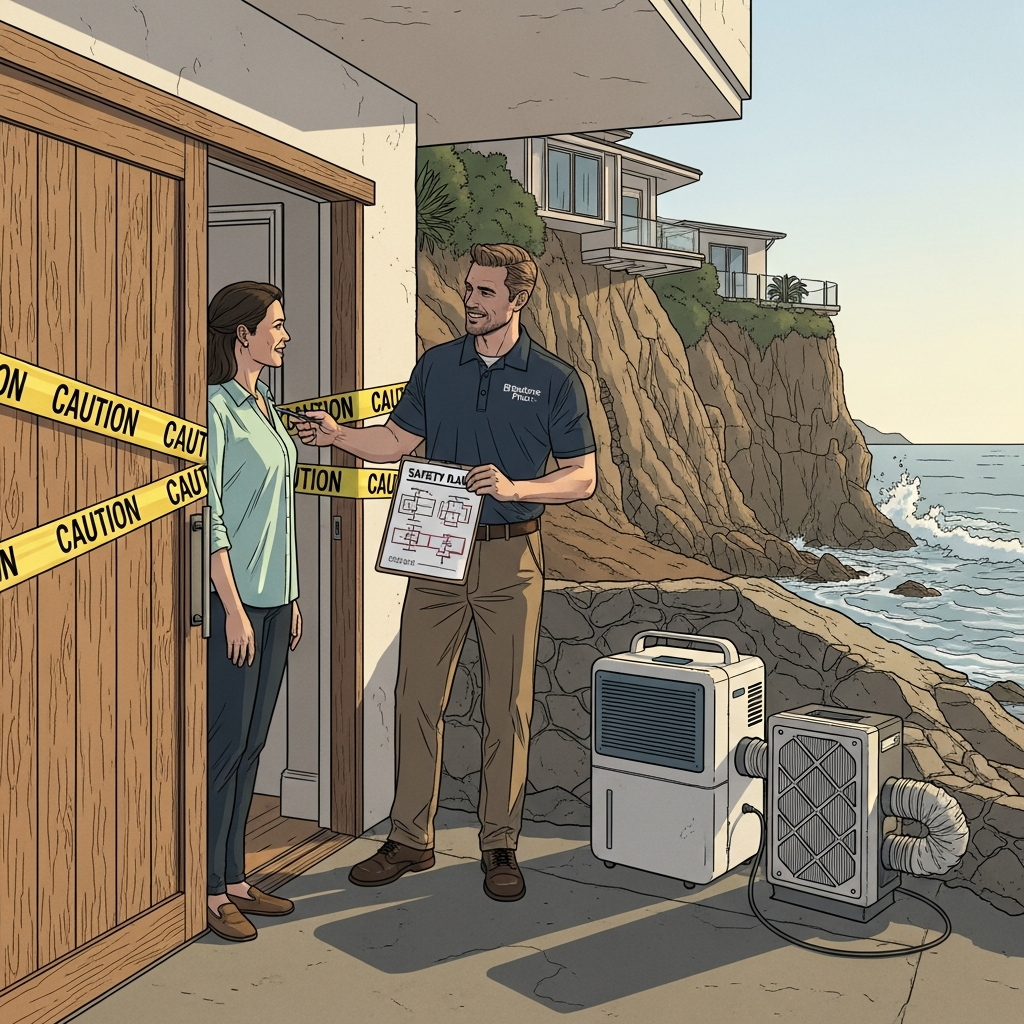
Access and logistics matter. Narrow canyon roads, limited staging areas, and Pacific Coast Highway pinch points influence how crews, equipment, and materials move. Efficient planning minimizes delays, which in turn protects the schedule and, therefore, the overall financial plan. Weather can play a role too. Santa Ana winds may force adjustments to exterior work windows; marine layers influence drying strategies. Experienced local teams anticipate these constraints and build them into proposals, so assumptions match Malibu’s realities.
Insurance, documentation, and alignment
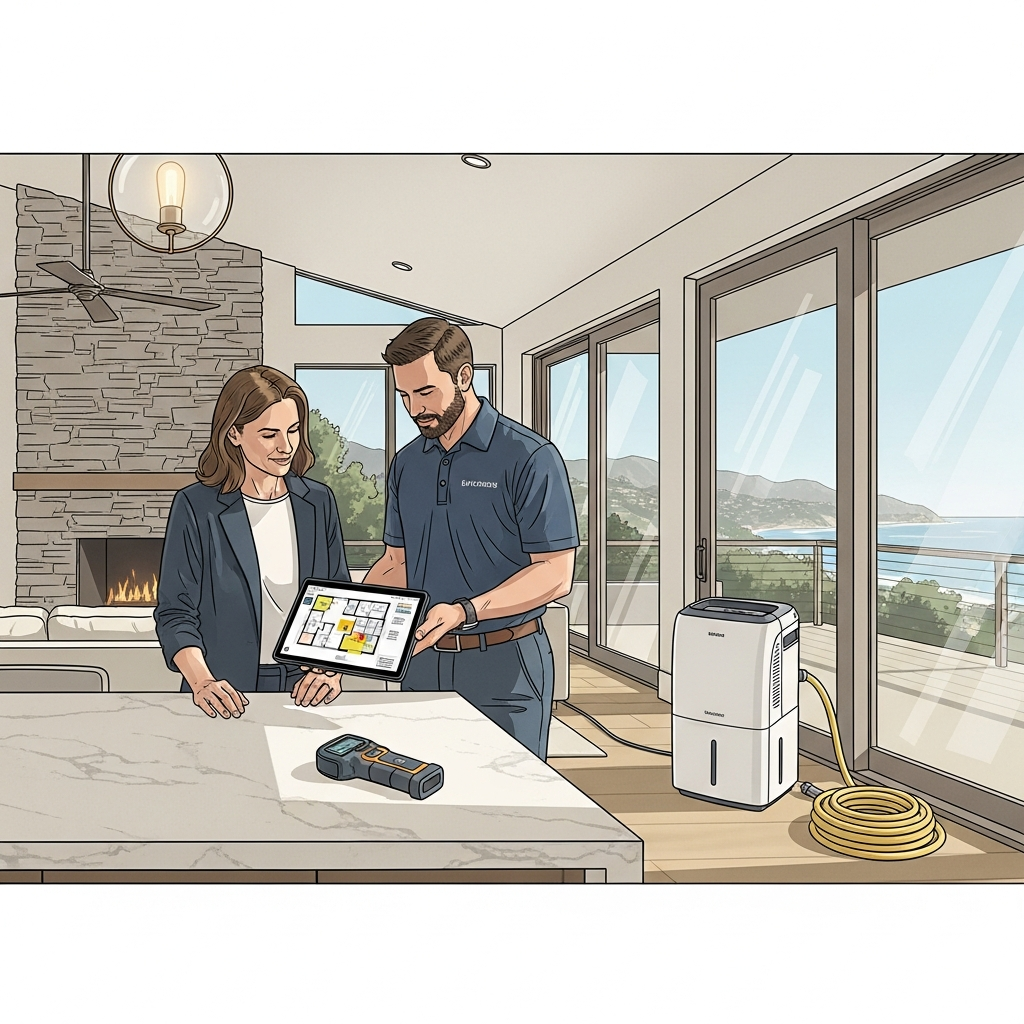
Most Malibu homeowners carry insurance that addresses fire and smoke. The key to a smoother claim is documentation aligned with standards. Photos, moisture maps, residue testing, and clear narratives connect what you see to what needs doing. Scopes built in common estimating platforms speak a shared language with adjusters, which helps align expectations. When policy provisions like code upgrades, landscape elements, or temporary housing come into play, a seasoned restoration partner can help interpret how those provisions intersect with your project’s technical needs.
Transparency goes both ways. Share pre-loss photos or plans if you have them, as they help establish finishes and fixtures. Ask your contractor to identify assumptions—lead times for specialty items, potential for hidden conditions behind finishes, or the likelihood of selective demolition in attics or soffits. That conversation reduces surprises and allows you to plan for contingencies thoughtfully rather than reactively.
Value engineering without cutting corners
Value engineering is not a euphemism for shortcuts; it is the art of achieving the same performance with smarter sequencing, better sourcing, or more appropriate methods. For example, thoroughly cleaning and sealing salvaged millwork might deliver both aesthetic and financial advantages compared to full replacement, provided testing confirms odor control. Similarly, targeted drywall removal to access contaminated insulation can beat whole-room demo when residue mapping supports a surgical approach. In Malibu’s custom homes, mock-ups are particularly useful to test outcomes on specialty finishes before committing to a path.
Another lever is parallel processing. Running contents cleaning while structural drying proceeds shortens timelines, which lowers disruption and reduces the risk of secondary issues. Close coordination with specialty trades—glaziers for etched panes, metals for flashed railings, electronics evaluators—keeps decisions crisp and prevents backtracking. Every avoided detour protects the plan you set at the outset.
Choosing materials and finishes for restoration
When replacement is necessary, material selection influences schedule and future resilience. Consider finishes that balance original design intent with maintainability. For example, certain stones are more tolerant of mild acids; some coatings resist soot adhesion more effectively; and upgraded weather seals can mitigate smoke ingress during future regional events. In Malibu, where salt air and sun exposure are constants, specifying corrosion-resistant hardware for window and door assemblies can extend service life and protect your investment.
Sourcing matters too. Local suppliers may shorten lead times and facilitate quick replacements for items like glazing, door hardware, or select millwork. Ask your contractor where they source and whether alternatives exist that maintain aesthetics while improving availability. When artistry is central—handmade tile, custom finishes—engage artisans early to avoid schedule gaps.
Time, sequence, and the ripple effect
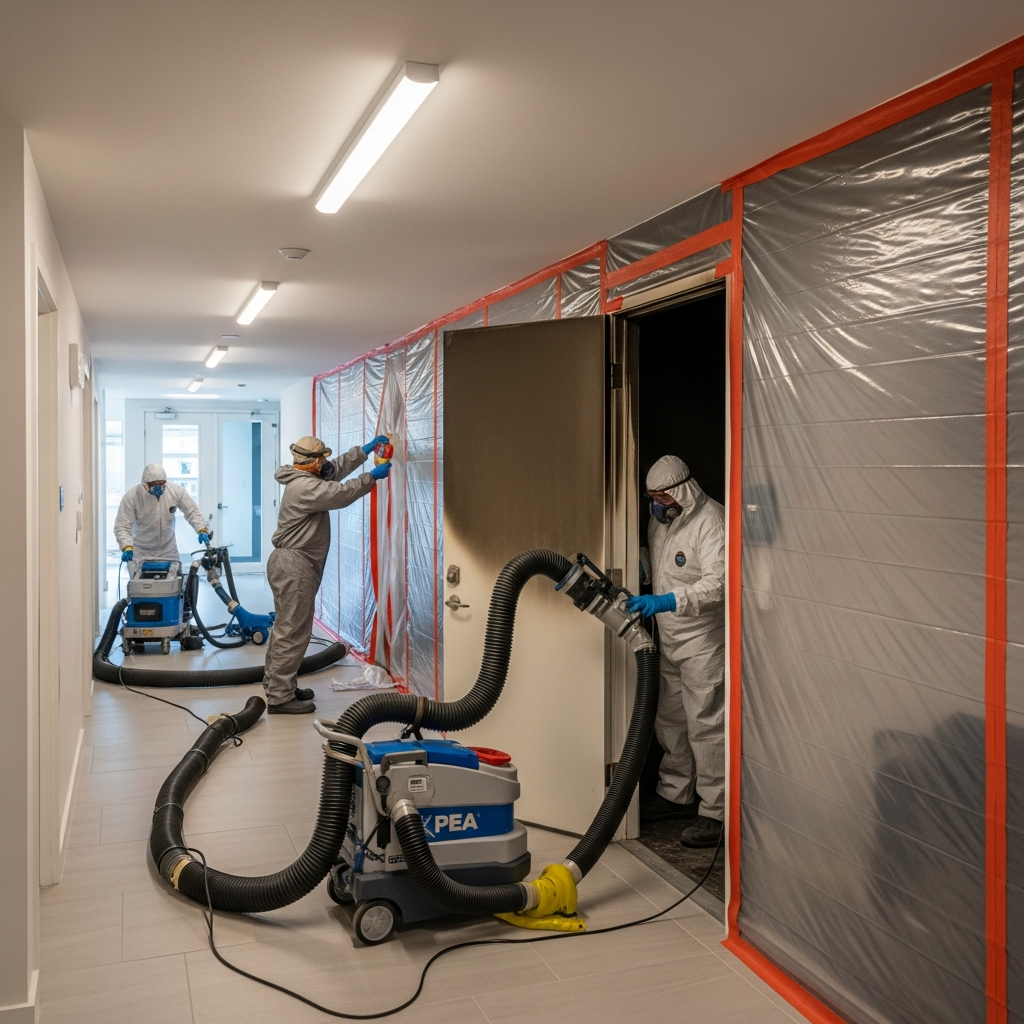
Time is a resource with direct and indirect consequences. The faster residues are neutralized and moisture is controlled, the less secondary deterioration occurs. That saves materials and reduces disruption. On the other hand, rushing complex steps without testing can create rework. A thoughtful schedule protects both the home and the financial picture by front-loading actions with the biggest protective impact: board-up, water extraction, containment, HEPA air control, and early treatment of sensitive surfaces like glass and metals.
Sequence is equally influential. Cleaning before demolition avoids redistributing soot into clean zones. Completing attic and soffit work before final interior finishes prevents re-soiling. Planning inspections at natural breakpoints keeps momentum. Malibu’s access challenges make disciplined sequencing even more important, since each mobilization carries overhead—traffic, staging, and weather windows.
Working relationship: the hidden efficiency
Trust and communication are intangible, but their impact is tangible. When you and your restoration team communicate well, approvals happen quickly, field issues get solved once, and decisions stick. Ask potential partners how they handle updates, change management, and quality control. Look for clarity about containment plans, air changes per hour for filtration, and criteria for salvage versus replacement. Alignment on these points reduces friction and preserves both schedule and peace of mind.
Local familiarity is its own efficiency. Malibu-experienced teams have vendor relationships, understand permit triggers, and know how to stage in tight driveways without alienating neighbors. They anticipate seasonal rhythms—foggy mornings, windy afternoons—and stage work accordingly, which pays dividends in fewer delays and cleaner results.
Common questions that influence the financial plan
How do I get a realistic picture of the work ahead?
Start with a thorough assessment that includes moisture mapping, residue testing, and a room-by-room scope. Ask for written findings and photos. A clear technical plan creates a grounded financial conversation, reducing guesswork and rework.
What can I do to avoid overruns?
Insist on documented assumptions, mock-ups for specialty finishes, and early decisions on materials with long lead times. Approve a sequence that minimizes remobilizations. Keep communication tight with scheduled updates and milestone check-ins to catch surprises early.
How does insurance interact with my choices?
Your policy sets parameters, but you control priorities. A seasoned restorer will help present options—salvage versus replace, surgical versus comprehensive—and explain how each aligns with standards and coverage. Good documentation smooths approvals and helps ensure appropriate alignment with your plan.
Are there ways to improve resilience during restoration?
Yes. Consider improved weather seals, corrosion-resistant hardware, and finishes that clean more easily after soot exposure. Evaluate HVAC filtration upgrades and duct sealing. Small choices made now can reduce disruption if the region experiences future smoke events.
What about my belongings?
Contents handling runs parallel to structural work. Salvageable items are inventoried, packed, and cleaned in a controlled environment; non-salvageable items are documented. Clear labeling and access for essential items keep life moving and minimize stress during the process.
How long will this take?
Duration depends on stabilization needs, material availability, inspection schedules, and scope complexity. Malibu’s access and weather can influence pacing. A good plan breaks work into phases with defined milestones so families can plan around temporary relocation or room-by-room availability.
What should I look for in a proposal?
Look for specificity: containment locations, air filtration targets, testing plans, and criteria for salvage. Seek clarity on schedule assumptions, vendor involvement, and documentation deliverables. Proposals that match Malibu’s on-the-ground realities typically translate into smoother projects.
When you are balancing the emotions of fire damage with the practicalities of getting your home back, the path is clearer than it feels: define the work, set the sequence, align expectations, and choose partners who know your neighborhood and respect your standards. If you are ready to discuss a plan, walk the property, and build a transparent roadmap, start with a conversation about fire damage restoration and schedule a site visit so you can move forward with confidence.