Conversations about the cost of restoring a fire-damaged home in Malibu often start with a sigh—because no two situations are alike. Between our hillside properties, oceanfront homes, and the microclimates that shift from canyon shade to seaside sun, what you pay attention to is less a single number and more a constellation of factors that shape the overall scope. The smartest approach is to understand the elements that influence the investment of time, materials, and expertise, so you can anticipate decisions before they arise. If you are just beginning to assess your situation, it helps to consult a local specialist in fire damage restoration who can identify priorities and outline the sequence from emergency stabilization to final walkthrough.
Malibu’s terrain and architecture play a role from the first day. Some homes sit on tight canyon roads that affect staging and access, while others occupy open oceanfront lots where wind exposure and salt air change how smoke residues behave. The design details—beam ceilings, plaster walls, high-end finishes, or expansive glass—impact cleaning techniques and protection plans. These variables shape labor needs, containment strategies, and the selection of materials, which in turn influence how long a project takes and how intensively crews must work.
Scope is the primary driver
Fire affects spaces unevenly. A small kitchen incident can send invisible protein residues throughout the house, while a living room fire might be contained but require extensive deodorization in adjacent rooms. The overall footprint of affected areas—walls, ceilings, flooring, cabinetry, contents, and HVAC—defines the scope. When a professional team evaluates your home, they map what can be saved through cleaning and what requires removal for health and safety. The balance between salvage and replacement is central to planning and will shape both the effort required and the path to a comfortable, healthy home again.
Another aspect of scope is water exposure. Firefighting efforts often leave water in wall cavities and subfloors. Malibu’s coastal humidity can slow evaporation, so a measured drying plan with controlled airflow, dehumidification, and temperature management is essential. Efficient drying protects structural elements and prevents microbial growth, but it also requires ongoing monitoring and adjustments that account for our local climate. The more thorough the drying program, the more confidently subsequent repairs and finishes can be completed.
Materials and finishes matter
High-end surfaces common in Malibu—natural stone, custom millwork, specialty plasters, artisan tiles—change how a project progresses. Some finishes allow careful restorative cleaning that preserves original character. Others, particularly porous or smoke-absorptive materials, may require replacement if they cannot be decontaminated effectively. Understanding the technical response of each material to heat, soot, and cleaning chemistry helps avoid secondary damage and supports better decisions early.
Electronics and appliances are another consideration. Smoke and salt air can accelerate corrosion on circuit boards and delicate components. Specialists may evaluate whether cleaning and testing can extend the life of devices or whether replacement is the prudent path. Having that analysis early reduces surprises later.
Accessibility and logistics
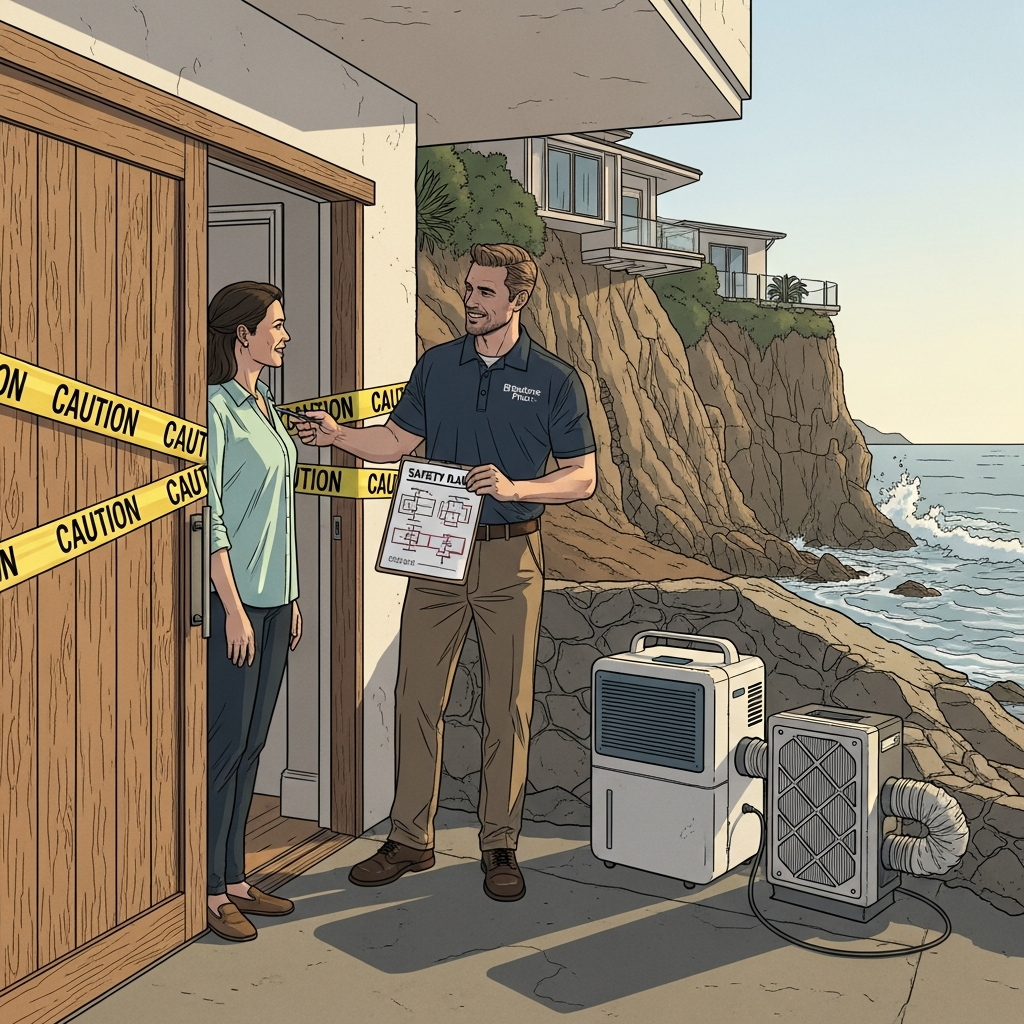
From Big Rock to Encinal and Decker Canyon, access changes everything. Narrow roads limit vehicle size and crew count, influencing how quickly debris can be removed and cleaned materials returned. Oceanfront homes may require customized staging to protect dunes or landscaping. Trusted teams anticipate these realities and sequence work accordingly, balancing speed with site protection and community considerations like noise and parking.
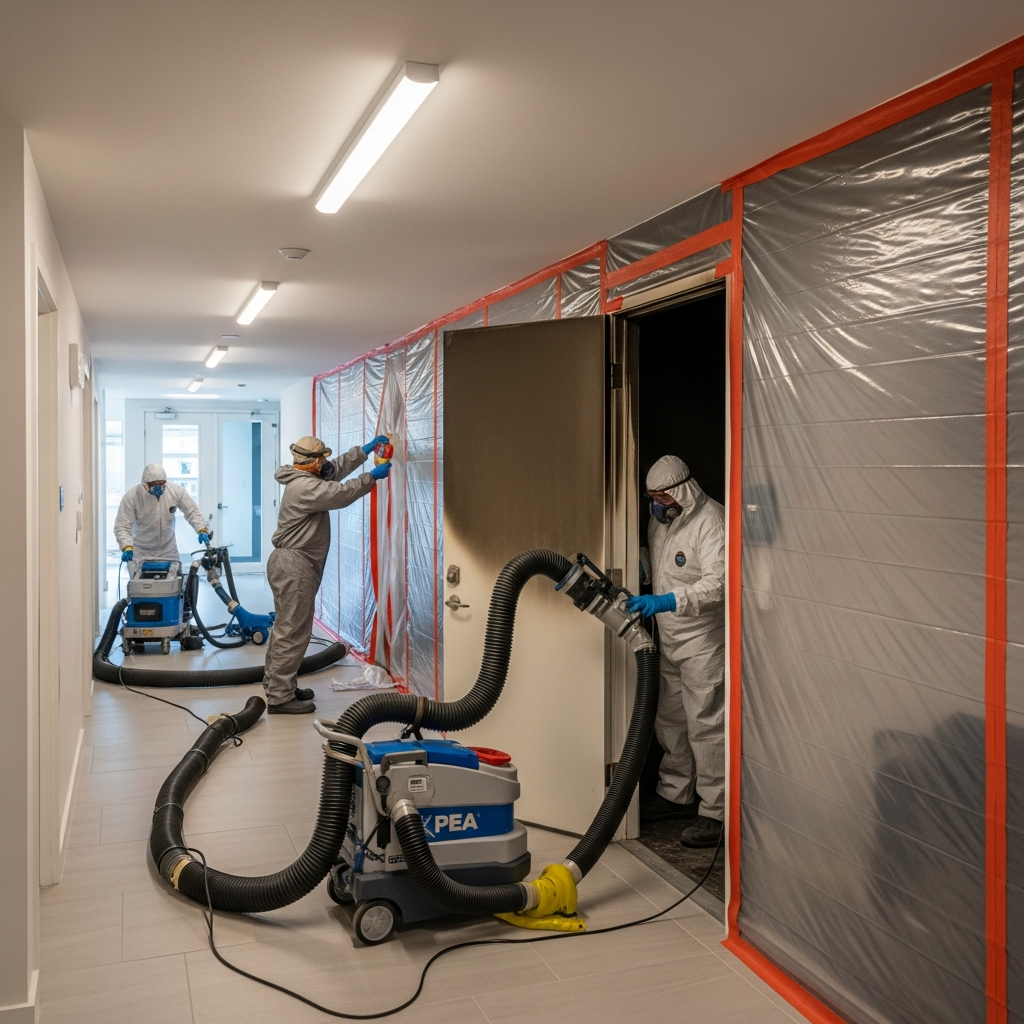
Logistics also extend indoors. Large spaces with double-height ceilings require special equipment for safe access. Complex floor plans demand more containment to keep unaffected areas clean. When crews can control airflow through precise negative pressure and establish clear work zones, they reduce cross-contamination and keep schedules on track.
Deodorization and indoor air quality
The invisible component of a fire is often what people feel most acutely: the smell of smoke. Eliminating odors is a layered process that begins with source removal and thorough cleaning. From there, teams use deodorization technologies designed for occupied homes and sensitive materials, and they validate success with practical and, when appropriate, quantitative checks. In Malibu’s variable coastal conditions, odor can seem to disappear on a cool morning and return when the afternoon warms up. A well-planned deodorization strategy accounts for those swings, addressing not just surfaces but also HVAC systems and hidden cavities.
Ductwork cleaning is non-negotiable when smoke has infiltrated the system. Coils, blowers, and registers must be addressed, and filters replaced repeatedly as the system is brought back online. Skipping the HVAC step can leave the home with a persistent “almost clean” smell that undermines the entire effort.
Contents: clean, restore, or replace
Personal belongings carry both practical and emotional weight. A balanced approach separates items that can be cleaned onsite from those that require offsite processing, and it establishes a clear chain of custody so nothing gets lost in transition. Photo inventories, barcoding, and labeled boxes are standard. Specialty items—artwork, musical instruments, heirloom textiles—benefit from targeted expertise. Deciding what to restore and what to replace involves your preferences, the material realities of smoke contamination, and time considerations. With the right team, this process becomes manageable rather than overwhelming.
Textiles present their own challenges. Fabrics absorb odors and fine particulates readily, and conventional laundering can set smells permanently. Professional textile restoration uses controlled processes to remove residues gently and completely. The result is not just cleaner clothing and linens, but a home that moves past the subtle reminders of the fire.
Permits and coordination
While many restoration steps occur under the umbrella of emergency work, certain repairs and rebuild elements require permits. Malibu’s regulatory environment—particularly in hillside or coastal zones—can add coordination steps. Experienced local firms anticipate inspection schedules, documentation needs, and sequencing to keep momentum. Clear communication with adjusters, inspectors, and any specialty trades prevents bottlenecks and protects quality.
Coordination also includes neighbors and HOAs. Courtesy notices, parking plans, and quiet hours matter in close-knit streets and private drives. Respectful communication builds goodwill, which can become essential when work zones expand or schedules shift.
Seasonality and environmental considerations
Malibu’s weather is part of the equation. Santa Ana winds and marine layers influence drying rates, odor behavior, and staging. During wetter months, erosion control may be necessary when crews move equipment through landscaped areas. Thoughtful companies plan for these variables with silt barriers, protective ground covers, and contingency days that keep progress steady even when conditions change.
Environmental stewardship is another hallmark of good work. Proper handling of ash and debris, careful selection of cleaning agents, and well-managed ventilation keep the process safe for crews, occupants, and neighbors. In a community that values its natural beauty, these practices are not optional; they reflect the respect we expect from professionals in our homes.
Insurance and documentation
The administrative side can feel daunting, but it is manageable with a structured approach. Comprehensive photo documentation, room-by-room notes, and transparent estimates align expectations among you, the restoration team, and the insurer. When everyone sees the same information, decisions move faster and the project stays organized. A strong partner minimizes your time spent in this process by communicating clearly with adjusters and scheduling inspections efficiently.
Even with a solid plan, questions will arise as the work progresses. The right company invites those discussions, provides options, and explains the implications of each choice. That clarity builds confidence and helps you keep the long view in mind: a fully restored, healthy home.
Mid-project checkpoints
One of the best ways to stay on track is to establish checkpoints. As demolition completes and drying wraps up, confirm that the deodorization plan and HVAC cleaning are scheduled. During detailed cleaning, walk the site with the supervisor to see how delicate surfaces are being protected and how progress is measured. A brief review of your goals at the project’s midpoint can prevent misunderstandings and reinforce the plan. If you want a refresher on best practices at this stage, consult resources on fire damage restoration so you know what thorough, methodical work should look like in the middle of a Malibu project.
Setting expectations for timelines
While each situation differs, a thoughtful schedule will identify milestones from stabilization through final cleaning. Drying can take days or weeks depending on materials and climate. Deodorization proceeds once source materials are removed and surfaces are clean. Repairs begin after validation confirms the environment is truly ready. Throughout, respectful teams offer daily or weekly updates so you can plan life around the work with fewer surprises.
It is also reasonable to ask about crew continuity. Seeing familiar faces day to day supports quality and builds trust. Supervisors who know your project well can anticipate needs and solve problems before they become delays.
Resilience and the path forward
Once your home is restored, consider steps that increase resilience. Ember-resistant vents, smarter storage of combustible materials, and protective landscaping can reduce risk in future events. The goal is not to rebuild in fear, but to live comfortably in a home that is better prepared for Malibu’s realities. Restoration, at its best, leaves your home not only clean and safe, but also more durable and thoughtfully arranged.
The emotional side deserves attention, too. Sorting belongings and seeing walls opened can feel disorienting. Good teams respect that experience and move at a pace that keeps you informed without pushing you to make decisions before you are ready. They celebrate progress with you—when the first fresh-smelling room is cleared for use, when the last air scrubber leaves, when the final walkthrough confirms that your home feels like your home again.
Frequently Asked Questions
What influences the overall scope of fire restoration in Malibu?
Key factors include the size of the affected area, the type of smoke and soot residues, water exposure from firefighting, the complexity of finishes, and how smoke moved through the home. Access, logistics, and local climate conditions also play significant roles.
Why is HVAC cleaning important after a fire?
Smoke particulates travel into ductwork and mechanical components, where they can persist and reintroduce odors. Cleaning coils, blowers, and ducts, and replacing filters, is essential for restoring indoor air quality and ensuring that odors do not return.
Can high-end finishes be restored instead of replaced?
Often, yes. Many specialty materials can be safely cleaned and deodorized with the right techniques. The decision depends on the extent of damage, porosity, and your preferences. An experienced team will test methods in small areas before proceeding broadly.
How do Malibu’s weather patterns affect restoration?
Marine layers, salt air, and Santa Ana winds influence how smoke residues behave and how quickly building materials dry. A localized plan accounts for these conditions, adjusting equipment and sequencing to maintain momentum and quality.
What should I look for in a restoration partner?
Seek clear communication, documented processes, experience with Malibu homes, careful containment, and a respectful approach to contents. Certifications and strong references signal a commitment to quality.
Will the home feel truly clean when the project is done?
It should. Thorough source removal, detailed cleaning, deodorization, and HVAC servicing restore healthy indoor air and eliminate lingering odors. Final validation confirms that your home is ready for comfortable living again.
Start Your Malibu Recovery
When you are ready to move from assessment to action, choose a local team that understands our terrain, our materials, and our expectations. The right partner will map the work clearly, protect what matters most, and bring your home back step by steady step. Begin with a seasoned expert in fire damage restoration and take confident strides toward a safe, refreshed living space.