Conversations about recovery after a fire in Malibu naturally turn to planning, priorities, and how the work will be organized from start to finish. While every home and every incident is different, there are consistent factors that shape what the overall restoration effort entails. Understanding these elements helps you engage with your insurer and contractor confidently and make decisions that protect your home’s long-term health. Whether the event was confined to a single room or affected multiple levels, it’s helpful to know what drives the scope of work and the sequence of steps. If you’re mapping out your next moves, reviewing the fundamentals of fire damage restoration is a strong starting point for clear expectations.
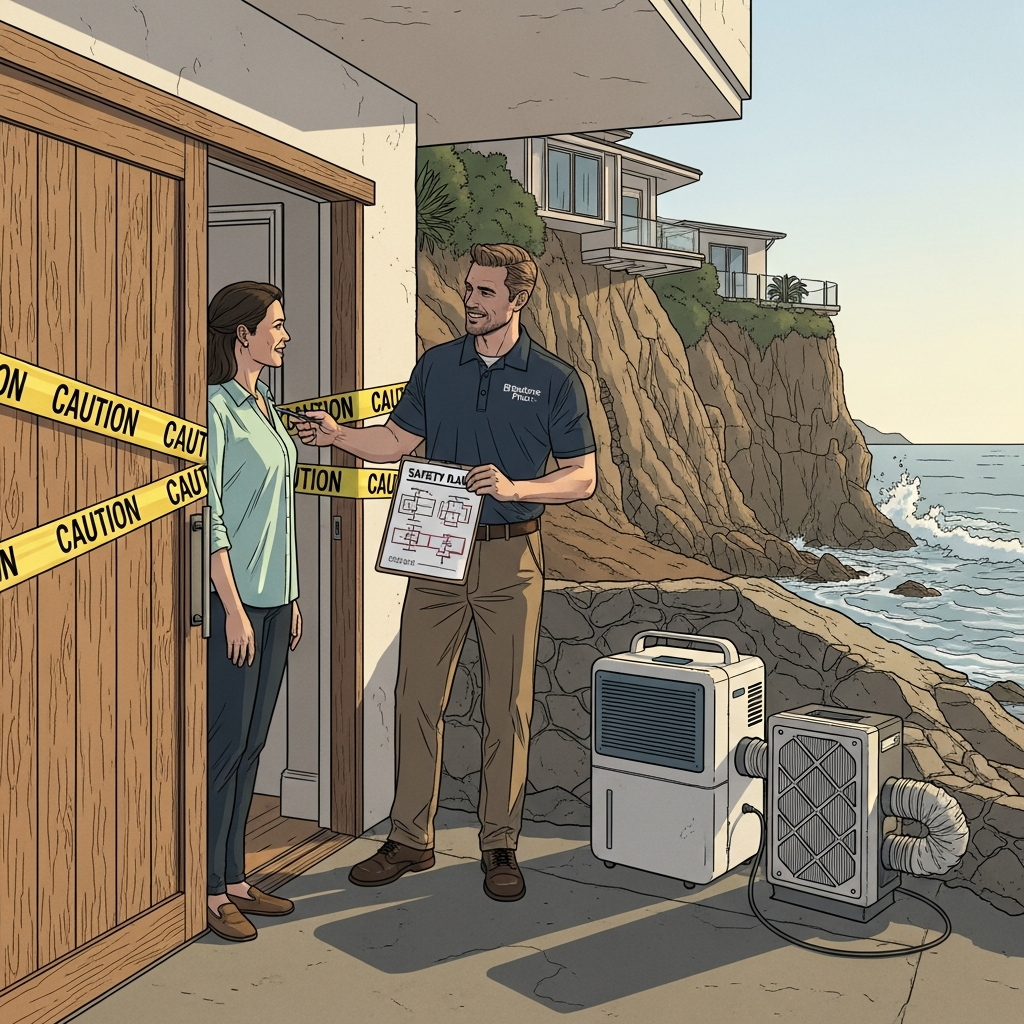
Malibu’s setting adds distinctive variables to any plan. Homes perched on hillsides may require special access for crews and materials. Coastal air with elevated humidity and salt content influences how metals and finishes respond after a heat event and exposure to firefighting water. Custom architecture and finishes—open beams, stone, exotic woods—often call for specialized cleaning or careful replacement decisions. These local realities shape timelines, logistics, and the mix of trades involved, all of which influence how the project is defined.
How Scope Is Determined
Scope is the roadmap that describes exactly what will happen in your home. It begins with an assessment that documents direct fire damage and traces the pathways of smoke and soot. Inspectors test materials, measure moisture, and note safety issues such as electrical or structural concerns. From that information, your restoration team drafts a step-by-step plan: stabilization, controlled demolition where needed, cleaning, deodorization, drying, and rebuild. The more clearly this plan is written, the easier it is for adjusters and inspectors to review and approve.
For many Malibu homes, scope must also account for complex assemblies like high-efficiency HVAC, integrated audio-visual systems, and custom millwork. The plan will indicate whether components can be cleaned and restored or require replacement. It will describe how unaffected areas will be protected and how contents will be packed out, inventoried, and cared for during the project. Thoroughness at this stage prevents delays and helps align everyone’s expectations.
Factors That Influence the Overall Effort
Several elements shape the restoration approach. The size of the affected area and the intensity of the fire are obvious starting points, but the type of smoke is equally important. Protein fires leave thin, odor-heavy residues that cling to painted surfaces, while synthetic materials create oily soot that demands specific chemistry to remove. Water from firefighting or sprinkler activation introduces another set of needs: extraction, structural drying, and verification to protect materials from swelling or microbial growth.
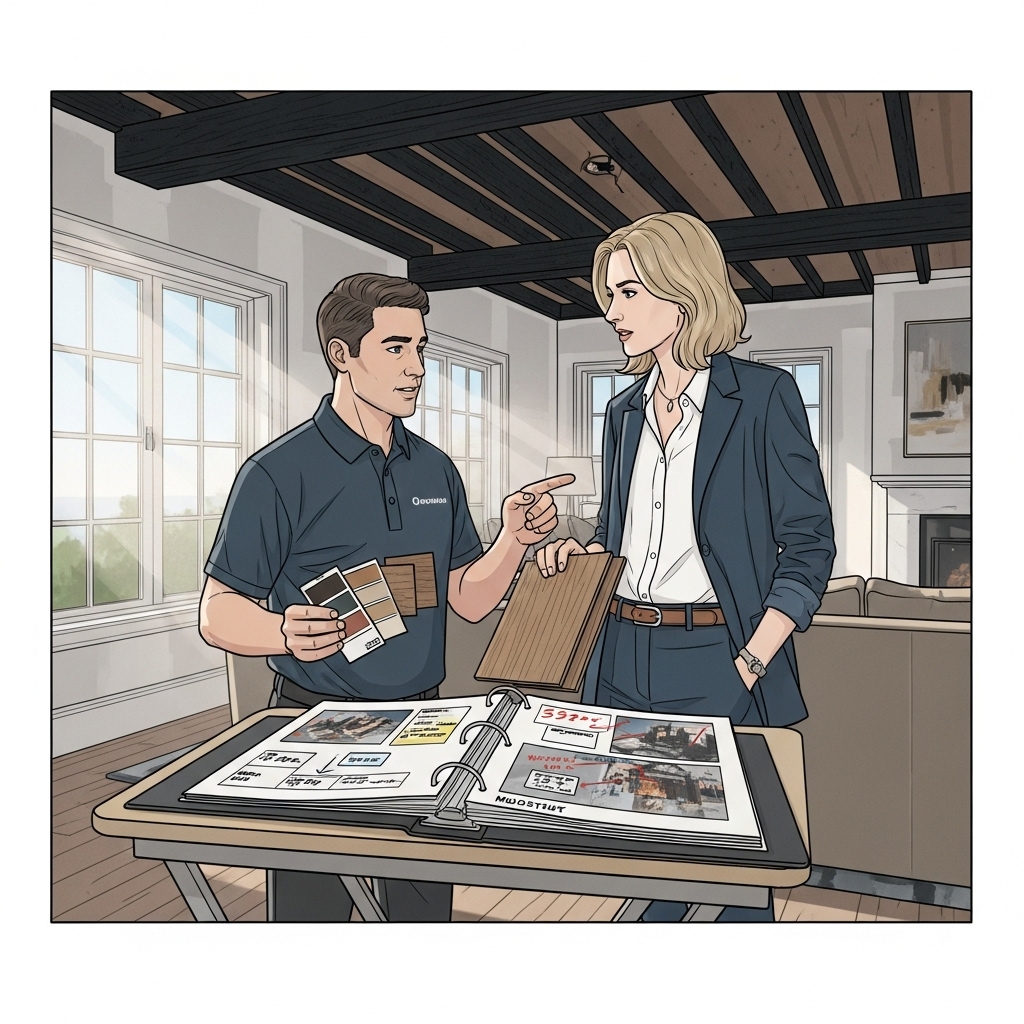
Access affects how quickly and efficiently crews can work. Malibu’s narrow roads and hillside sites may limit equipment size and staging options, which can influence scheduling. Specialty finishes and custom details require careful handling and often involve additional trades. Finally, the documentation requirements of insurers and local permits shape how the project progresses. A well-presented plan with photos, readings, and clear justifications tends to move smoothly through approvals.
What to Expect During the Estimating and Approval Process
Professional estimators build their proposals from detailed observations and standardized descriptions of tasks. You should expect line-by-line explanations of activities: board-up, water extraction, selective demolition, cleaning methods appropriate to the residue, deodorization, and rebuild steps. Transparent documentation makes it easier to discuss options and alternatives. If a particular architectural element matters to you—say, handcrafted tile or reclaimed wood—this is the moment to flag it so the plan can aim for restoration rather than replacement where feasible.
Communication with your insurance adjuster is central. Your restoration contractor will often coordinate directly with them, providing the evidence needed to support recommendations. Malibu’s regulatory environment may require permits, especially when structural or electrical repairs are part of the plan. Your team should identify which inspections are necessary and how they will be sequenced to keep the project moving.
Timelines and Milestones
Timeframes depend on the size and complexity of the project. The first milestone is stabilization: securing the property, controlling moisture, and preventing cross-contamination. Next comes selective demolition and cleaning, followed by deodorization and drying verification. Rebuild activities—framing, electrical, finishes—come last. Throughout, your team should provide regular updates and be ready to explain why certain steps must precede others. In Malibu, access and custom materials can affect lead times, so expect your contractor to address those realities up front.
Clear milestones help you plan your own life around the project. If temporary relocation is advisable, your contractor can outline when key phases will make the home more or less accessible. The goal is always to return your space to safe, comfortable, and functional condition as efficiently as the scope allows.
Quality, Health, and Long-Term Performance
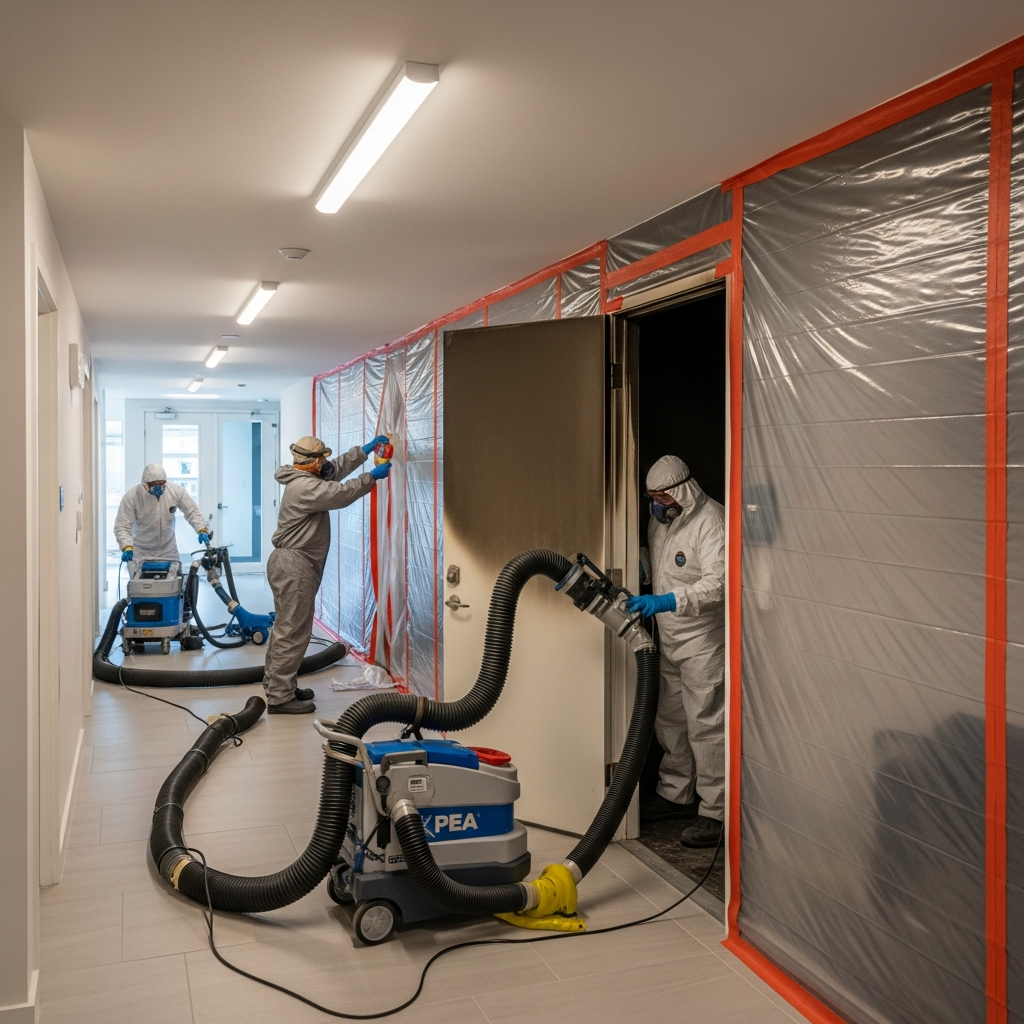
Good restoration is about more than appearances. Even after surfaces look clean, microscopic residues and moisture can linger if not addressed systematically. Licensed professionals combine containment, HEPA filtration, and targeted cleaning to remove contamination rather than push it around. Odor control begins with source removal, followed by professional treatments calibrated to the type of smoke and the materials involved. Drying is verified by measurement, not by feel. These practices protect your indoor environment long after the crew packs up.
Malibu’s coastal conditions make corrosion control particularly important. Metal fixtures, appliances, and mechanical systems that experienced heat and moisture require inspection and, in some cases, specialized treatment to avoid premature failure. Addressing these issues during restoration safeguards your investment and reduces the chance of surprises down the road.
Making Informed Choices
Restoration often presents options. Can cabinetry be cleaned and refinished, or is replacement the better path for durability and hygiene? Should smoke-affected insulation be removed to prevent future odors? Does a custom finish justify specialized techniques to preserve it? Your contractor’s role is to present pros and cons with evidence so you can make decisions that reflect your priorities for function, aesthetics, and long-term resilience.
As you consider trade-offs, it can be helpful to revisit the core mission of fire damage restoration: restore what can be saved, replace what cannot, and protect indoor environmental quality at every step. When decisions align with that mission, results tend to be consistent and durable.
Frequently Asked Questions
What information should I gather before meeting a restoration contractor?
Collect any documents from the fire department, take photos if it is safe to do so, and note areas of concern such as rooms with strong odors or visible soot. Share any details about building systems or custom finishes that matter to you.
How detailed should the restoration plan be?
Expect a clear, itemized description of tasks, supported by photos and readings. The plan should address stabilization, cleaning, deodorization, drying, protection of unaffected areas, and the sequence of rebuild activities.
Will my HVAC system need special attention?
Often yes, especially if it was running during the event. Ductwork and components can hold soot and odors. Your team will advise on cleaning, sealing registers, and testing before returning the system to service.
How do I balance restoration versus replacement?
The decision depends on safety, cleanability, durability, and your preferences. Your contractor should present evidence-based options so you can weigh aesthetics against long-term performance.
What role does permitting play in Malibu?
When repairs involve structure, electrical systems, or other regulated work, permits and inspections are typically required. An experienced team will coordinate with local authorities and sequence inspections to keep the project on track.
If you’re ready to move from uncertainty to a clear plan, connect with a licensed team that understands Malibu and treats your home with the care it deserves. Speak with specialists in fire damage restoration who can provide a thorough assessment, transparent communication, and workmanship designed for long-term comfort and safety.