Fire Damage Restoration Cost in Malibu California
Conversations about fire recovery in Malibu often circle quickly around a single, pressing question: what will it take to restore our home? It’s natural, because your house is more than a structure; it’s the daily backdrop of your life. Yet in Malibu, cost is not a simple number. It’s the outcome of terrain, materials, microclimates, local permitting practices, and the story the fire wrote across each room. As a longtime local advisor, I’ve found that understanding the drivers behind restoration expenditures helps homeowners plan, advocate, and make decisions with confidence. Before we explore those drivers, remember that the path forward should begin with safety and stabilization, and with a trusted partner skilled in fire damage restoration who can translate the unique conditions of your property into a clear, staged plan.
In Malibu, even neighboring homes can face very different post-fire scenarios. A hillside residence above PCH might see wind-driven ember attack that chars fascia boards and infiltrates attics, while a canyon home experiences heavier smoke deposition and water impacts from suppression. The costs to address these patterns diverge because the methods, materials, and man-hours required are distinct. Understanding the anatomy of your loss—what burned, what smoked, what got wet, and what remained sealed—sets the foundation for everything that follows.
Scope Begins with Stabilization
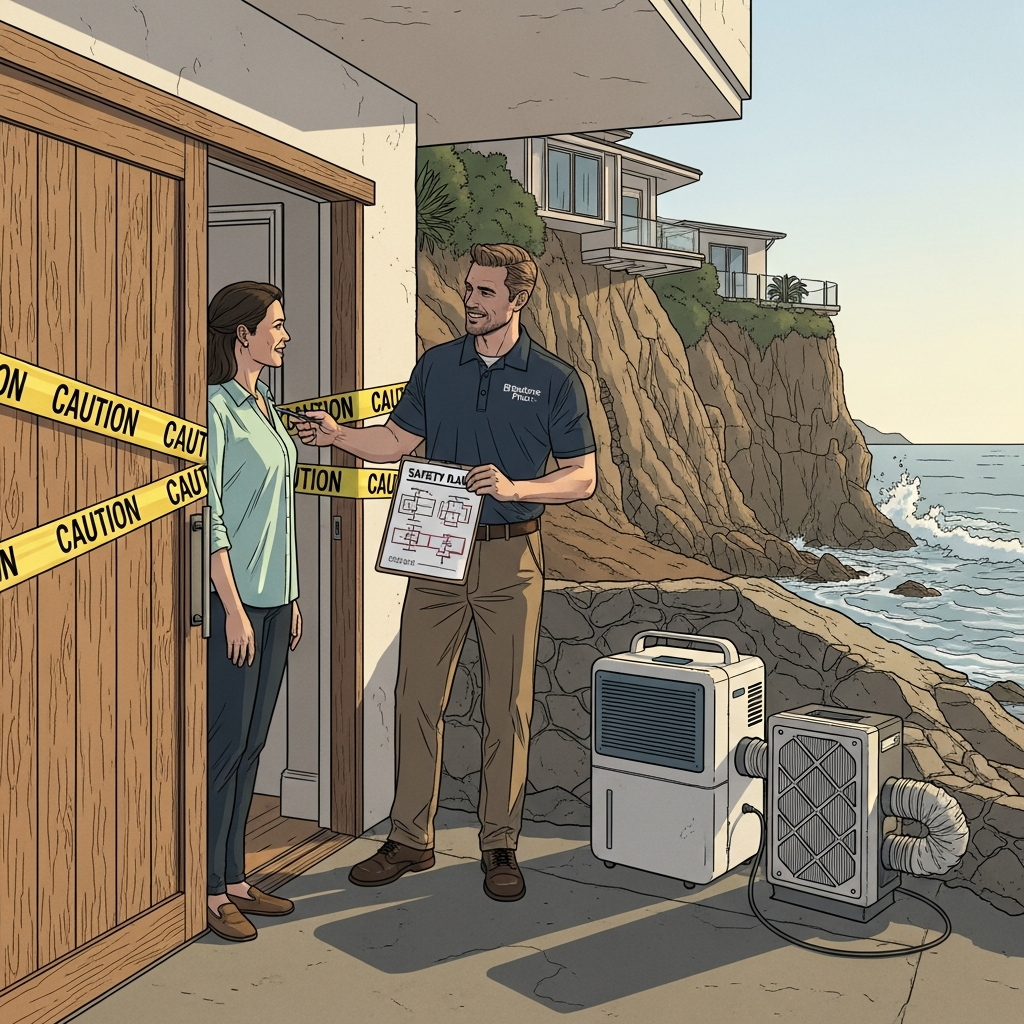
Every estimate grows from the first 48 hours. Securing the property with board-up, tarping, and temporary fencing keeps weather, wildlife, and unauthorized visitors from compounding the damage. If water entered the structure, immediate extraction, targeted demolition, and controlled dehumidification prevent microbial growth that would otherwise add complexity later. Malibu’s coastal moisture can slow dry-down in shaded canyons, while Santa Ana winds can accelerate evaporation and drive soot deeper if not properly managed. The scale and speed of this early work influence the downstream restoration scope and, ultimately, how resources are allocated.
During stabilization, teams begin a contents inventory. Items that require specialty cleaning—art, textiles, electronics—are identified for off-site treatment in climate-controlled facilities. The quantity and type of items that need care affect schedules and the amount of labor involved. In homes with custom finishes and collections, careful documentation and tailored cleaning can be more time-intensive, which in turn shapes project duration and the sequence of reconstruction.
Materials, Finishes, and Their Hidden Stories
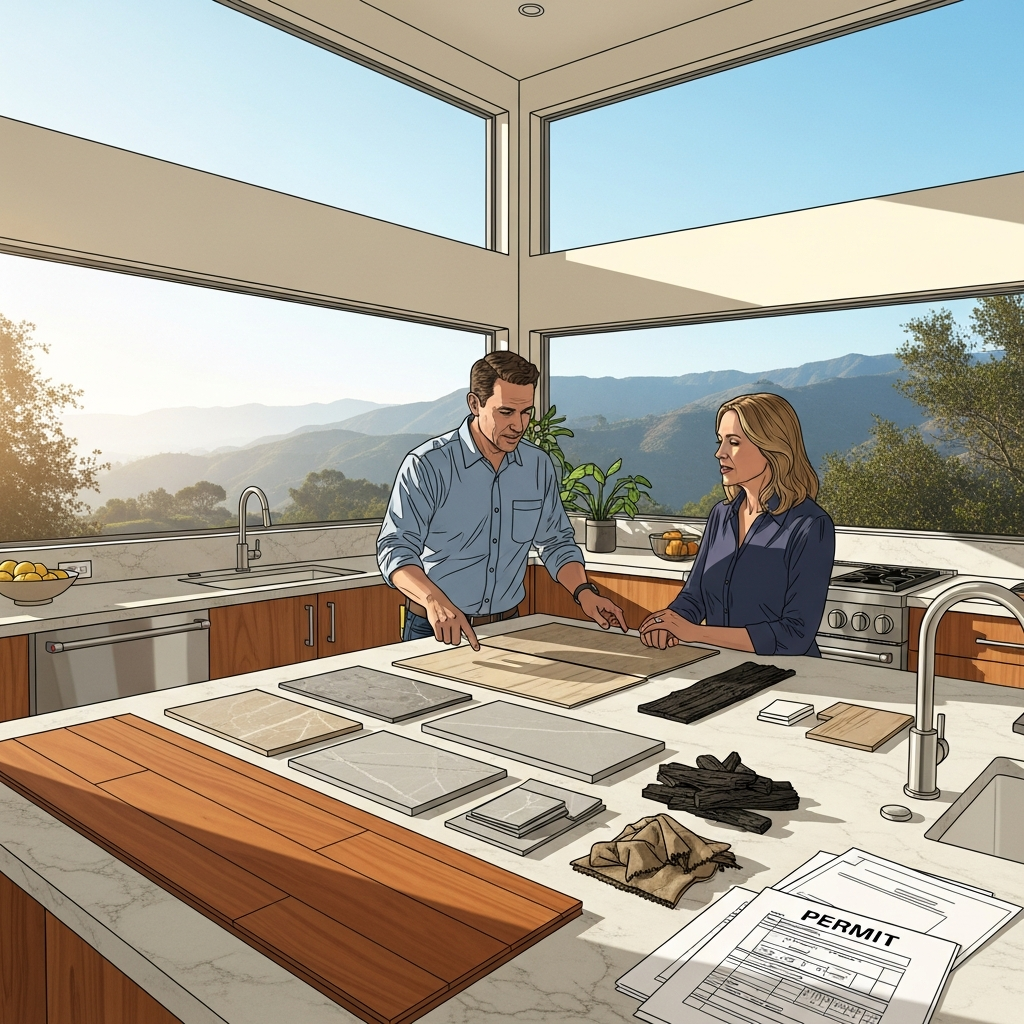
Malibu homes often blend natural materials—redwood, oak, stone—with high-performance modern elements like steel, glass, and composite decking. Each material interacts differently with heat, soot, and cleaning agents. Solid hardwood floors might be sanded and refinished if only lightly affected, but deeper smoke staining between boards can push toward replacement. Natural stone can be honed to remove etching, while engineered stone may need sealing or replacement if bonds are compromised. Plaster walls, treasured in many older homes for their texture and mass, require different techniques than drywall to clean and restore. These technical distinctions don’t just change the work plan; they shape how long a room is out of service and how many specialists become part of the project.
Cabinetry and millwork tell similar stories. Custom built-ins made from solid wood are often worth the careful cleaning, deodorization, and refinishing they need to shine again. Veneered pieces with heat-bubbled finishes may not fare as well. Even hardware choices—brass, stainless, painted steel—respond differently, especially in salty air where corrosion accelerates. A thorough assessment weighs the feasibility of salvage against the risks of lingering odor or degraded performance.
The Role of Architecture and Access
Architecture influences more than aesthetics; it dictates how crews move, protect, and work within your space. High ceilings, open trusses, and clerestory windows invite elevated platforms and extensive protection to keep dust and cleaning agents off delicate surfaces below. Homes set back on long, steep driveways require careful planning for equipment delivery and waste removal. Properties within gated communities sometimes demand special coordination for vendor access. These support tasks rarely appear in glossy before-and-after photos, but they are integral to safe, thorough work and become part of the overall plan.
Exterior conditions matter as well. Embers that lodge under Spanish tile or between composite deck boards require meticulous inspection and cleaning to prevent future staining and odor. Landscape features can complicate staging and debris removal—mature trees, terraced gardens, and coastal bluffs all ask crews to adapt methods while protecting the site. Respectful restoration embraces these realities, acknowledging that careful access and protection are investments in your property’s long-term health.
Smoke, Soot, and the Science of Odor
Not all smoke is created equal. Dry smoke from fast, high-heat fires lifts easily with HEPA vacuuming and gentle agitation. Wet smoke from slower, smoldering fires produces sticky residues that cling to surfaces and absorb into pores. Protein smoke, common in kitchen fires, creates tenacious, nearly invisible films that carry intense odor. Malibu’s coastal humidity can amplify the persistence of these residues if not promptly addressed. Achieving clean, healthy air requires removing source contamination, cleaning or replacing affected materials, and using appropriate odor neutralization methods—not masking.
HVAC systems can become conduits for cross-contamination. Cleaning ductwork and air handlers, replacing filters, and validating performance with particulate and odor assessments become crucial steps. In some cases, sealed ducts protect interior spaces; in others, return paths draw soot deeply into the system. A thorough plan accounts for this early to avoid rework later. The extent of HVAC remediation, combined with the nature of the smoke and the porosity of interior surfaces, becomes a major driver of the overall effort.
Permitting, Inspections, and Malibu’s Coastal Context
Where structural repairs are needed—roof framing, exterior walls, windows—permits guide the journey. Malibu’s planning and building processes are designed to protect life safety and community character, particularly in the coastal zone. Your restoration partner should be fluent in local requirements, from debris disposal protocols to defensible space adjustments. Clear, complete submittals prevent back-and-forth that can extend timelines. Many homeowners are surprised by the number of inspections involved; scheduling and passing each on the first try is a quiet but powerful way a skilled team keeps the project moving.
Code upgrades also enter the picture. When opening walls and ceilings, previously concealed conditions may necessitate modernized electrical, improved insulation, or updated fire-resistant assemblies. While these improvements deliver safety and performance, they also reshape the scope. A knowledgeable team will explain where codes drive changes and how to plan sequences that minimize disruption to daily life while ensuring long-term resilience.
Insurance Collaboration and Documentation
Restoration and insurance are partners in the same dance. Estimating programs translate field conditions into line-item scopes that adjusters can review, but the numbers only make sense when they’re backed by detailed notes, photos, and test results. Soot mapping, moisture readings, and contents inventories tell the story of what happened and what’s required to make it right. Malibu homes with custom features benefit from thorough pre-loss documentation—photos on phones, appraisal notes, or prior contractor records. When those aren’t available, a skilled estimator reconstructs pre-loss condition through careful investigation and homeowner interviews.
Communication keeps all parties aligned. Your restoration leader should hold regular check-ins with you and your adjuster, share schedule updates, and bring forward decisions that need your input. They should also advocate for realistic scopes when initial estimates overlook regional realities, such as lead times for specialized materials common in coastal construction. The result is not just a fair plan; it’s a smoother experience that reduces uncertainty.
Temporary Living, Phasing, and Quality of Life
Beyond the work itself, consider how the project will interface with your routine. Some homes can be restored in phases, keeping essential rooms livable while other areas are sealed off. Others require full temporary relocation for health and safety. The suitability of phasing depends on smoke severity, ventilation options, and the layout of your home. Thoughtful sequencing can shorten the time until you regain a functional kitchen or bedroom, even as finish work proceeds elsewhere. These quality-of-life strategies don’t appear as a single line on a document, but their value is felt every day you’re recovering.
Your team should also plan site etiquette: quiet hours to respect neighbors, protected pathways to keep dust from spreading, and clear signage to guide deliveries. In Malibu, where community bonds are strong, the way a crew conducts itself matters. A professional presence eases stress not only for you, but for those living around you, and it supports an orderly, efficient jobsite.
Mid-Project Discoveries and Course Corrections
Even the best assessments reveal surprises during demolition and cleaning. Hidden smoke plumes behind built-ins, aging plumbing that shows its age once walls are open, or non-compliant wiring from past renovations can all surface. Experienced teams respond with options and implications, so you can decide confidently. Addressing discovered issues while spaces are open often avoids future disruptions and adds resilience. It’s in these inflection points that you’ll appreciate steady, informative guidance from professionals who understand Malibu’s building stock and climate.
If the middle stretch of a project feels long, that’s normal. It’s where careful prep, repeatable cleaning cycles, and patient drying earn their keep. Visible transformation accelerates again when finishes return—paint, flooring, fixtures—and rooms start to feel like themselves. Through it all, the balance between thoroughness and momentum defines your experience. With a clear plan and a collaborative spirit, you’ll see the shape of your home returning piece by piece, supported by skilled fire damage restoration professionals who keep your goals at the center.
Protecting Health and Indoor Air Quality
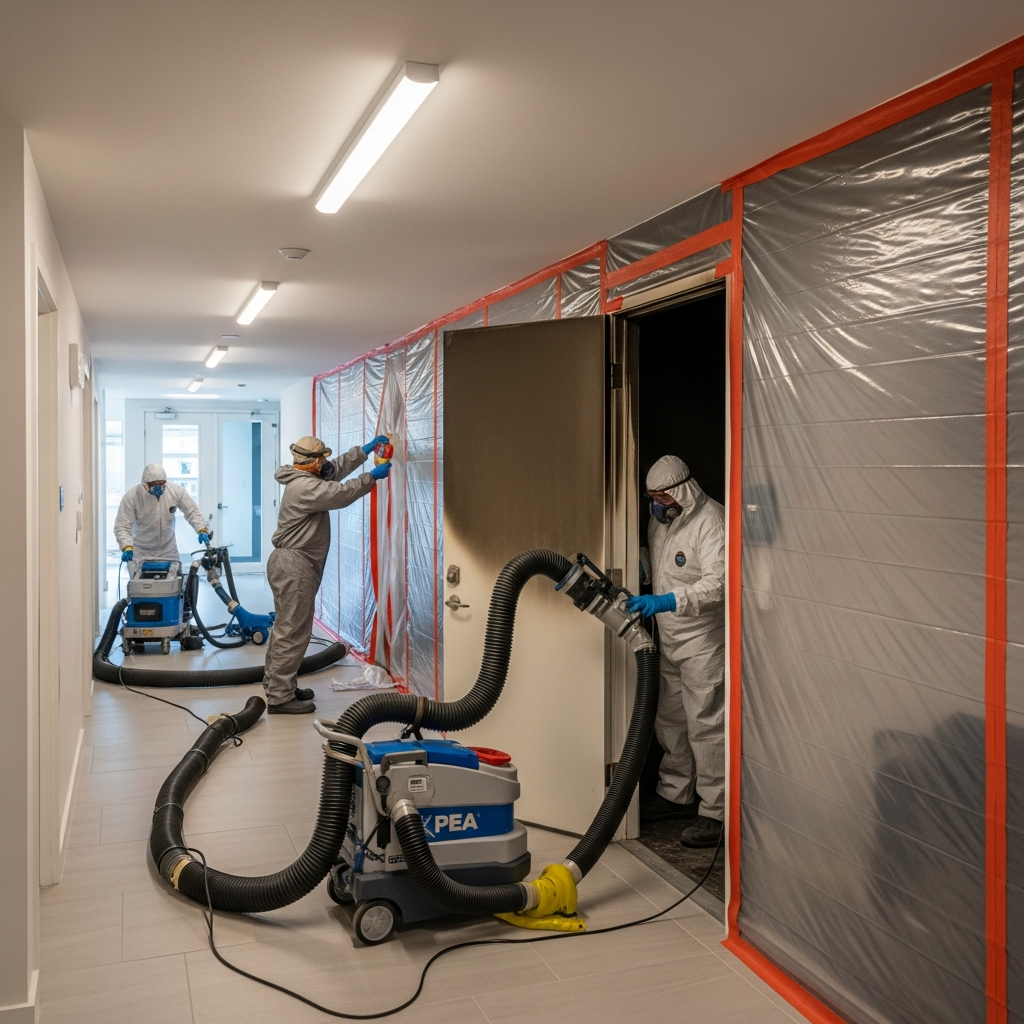
Restoration is as much about air as about surfaces. Fine particulates from smoke can irritate lungs and eyes, especially for children, older adults, and those with sensitivities. Containment, negative air pressure, and HEPA filtration are not nice-to-haves; they are the backbone of a healthy project. Post-cleaning validation—by nose and by instrument—confirms that spaces are ready to reoccupy. Teams that value IAQ will also recommend filter changes and, when appropriate, duct sealing or mechanical ventilation adjustments to give you cleaner, more comfortable air moving forward.
Odor is a powerful sense-memory, and it can undermine confidence if it lingers. Attacking odor at its source, then addressing remaining traces with targeted neutralization and sealing where needed, ensures that when you finally exhale at home, the air supports a sense of peace. That peace is the true measure of a successful outcome, even more than appearances.
Looking Beyond the Finish Line
When work wraps up, your home should feel familiar again—the light in the kitchen the same, the floor underfoot the same, the layout that fits your life restored. A good company will walk you through each space, review maintenance tips, and confirm that any warranties or post-project services are noted and accessible. They might suggest small resilience upgrades—a better attic hatch seal, ember-resistant vent screens, defensible space adjustments—so that your home is better positioned for the future without altering its character.
As you consider the landscape of recovery in Malibu, keep your focus on value rather than a single number. Value is the sum of expertise, communication, craftsmanship, and respect for your daily life. When those align, your path home feels shorter and steadier, and the investment you make in restoration pays dividends in comfort and confidence long after the last truck pulls away.
Frequently Asked Questions
Q: What factors most strongly influence restoration expenditures after a fire? A: The severity and type of smoke and heat damage, water intrusion from suppression, materials and finishes in the home, access and staging requirements, necessary structural repairs, and local permitting and inspection processes all shape the scope of work.
Q: How does insurance fit into the planning process? A: Documentation and clear communication are essential. Your restoration partner should translate observed damage into a detailed scope that aligns with policy provisions, then work collaboratively with your adjuster to validate and refine the plan.
Q: Can phasing the project help me return home sooner? A: Often, yes. Where conditions allow, essential areas can be prioritized while other zones remain contained. The feasibility of phasing depends on layout, smoke extent, and ventilation options.
Q: What about my HVAC system—does it always need attention? A: Not always, but it should always be assessed. Some systems remain clean if shut down early; others draw soot into ductwork and components. Proper evaluation and, when needed, cleaning are critical for indoor air quality.
Q: How can I reduce surprises once work begins? A: A thorough initial assessment, including selective exploratory openings, moisture and soot mapping, and careful documentation of finishes, reduces unknowns. Even so, remain open to discoveries and discuss options as they arise.
Speak with a Malibu Expert
If you’re weighing next steps after a fire, start with clarity. Have a local professional walk your home, outline priorities, and map a sequence that respects how you live. With the right team, the journey back becomes manageable and purposeful. When you’re ready for a grounded conversation and a thoughtful, thorough plan, reach out to specialists in Malibu-focused fire damage restoration and take the first step toward feeling at home again.