When a fire touches a Malibu home, the experience is as emotional as it is logistical. Between the hillsides, canyons, and coastal microclimates, recovery is never one-size-fits-all, and the path from ash to livable space involves many moving pieces that must work in careful sequence. As a local who has walked through assessments on beach houses, ridge-top retreats, and tucked-away ranch properties off winding roads, I can tell you that understanding how restoration unfolds is the key to planning smartly and avoiding missteps. From the first hour of emergency response to the final touch of rebuilding, each decision has ripple effects on the entire project. In these early moments, it helps to get oriented with a trusted resource on fire damage restoration so you have a clear picture of what comprehensive recovery actually entails in Malibu’s unique setting.
Malibu homes live at the intersection of ocean air, steep terrain, and seasonal winds. That means smoke moves differently, soot behaves differently, and moisture left by firefighting efforts can travel through structures in ways that surprise even seasoned contractors. A coastal breeze can carry smoke particulates deep into attic cavities, and salt in the air can accelerate the corrosive effects of soot on metals and electronics. In the canyons, thermal currents can create uneven deposition, leaving one room lightly affected and the next coated with a stubborn residue. Understanding those patterns guides the technicians who will later remove contaminants and preserve what can be saved.
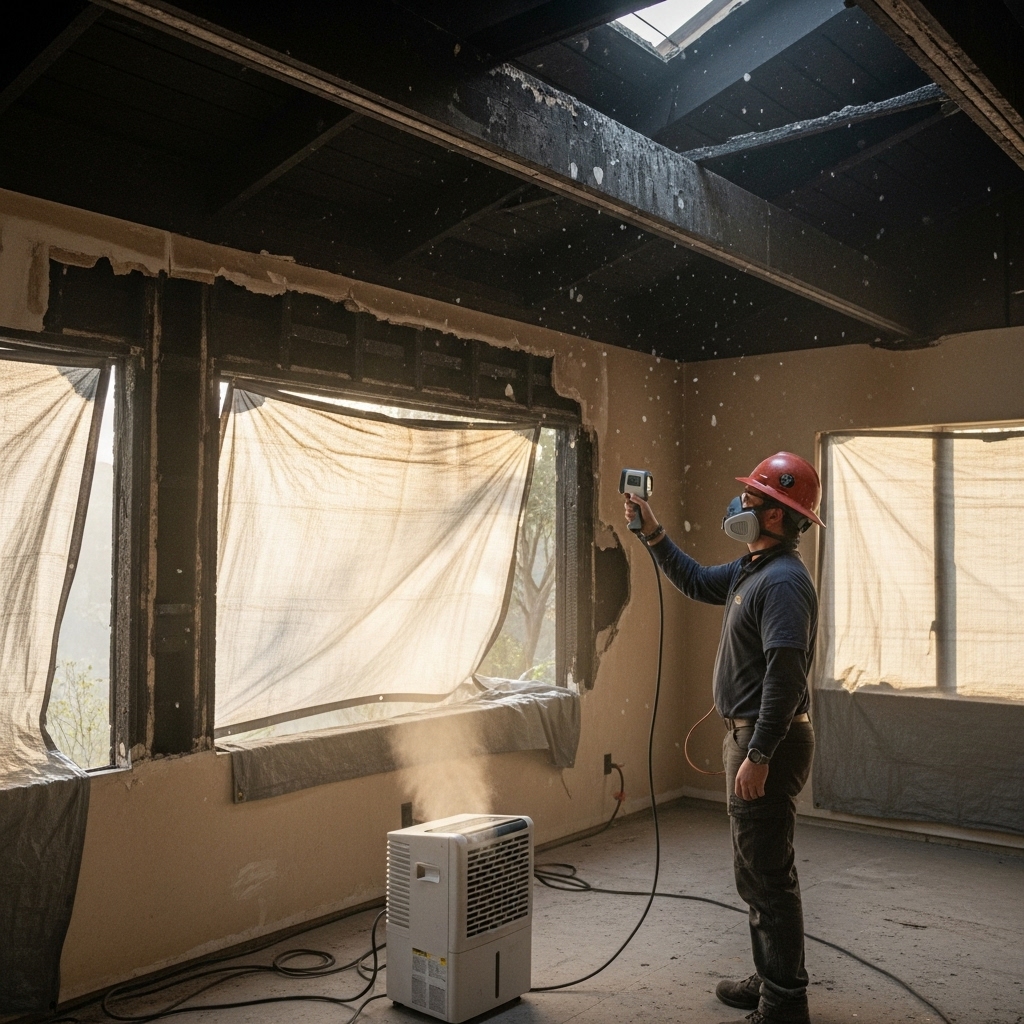
In the first twenty-four hours, thoughtful stabilization sets the tone for everything that follows. Board-ups protect openings from weather and curious wildlife, tarps keep out coastal moisture, and targeted water removal prevents secondary damage such as warped flooring or microbial growth. I often tell homeowners that the earliest hours are about stopping time: keeping the home from getting worse so that the next steps can be measured rather than rushed. Technicians take photographs, label rooms, and begin testing materials to see what can be cleaned versus what requires removal.
That testing phase is more than a formality, especially with Malibu’s blend of construction styles. Many homes feature open-beam ceilings, custom plaster finishes, reclaimed timbers, hand-painted tiles, and expansive window systems. Some materials are porous and readily absorb smoke odor, while others trap it beneath decorative coatings. A knowledgeable team will identify which surfaces respond best to gentle dry sponging, which need alkaline or enzymatic cleaners, and which are better addressed by controlled demolition. The goal is to preserve architectural character wherever possible while eliminating the residues that cause ongoing damage and odor.
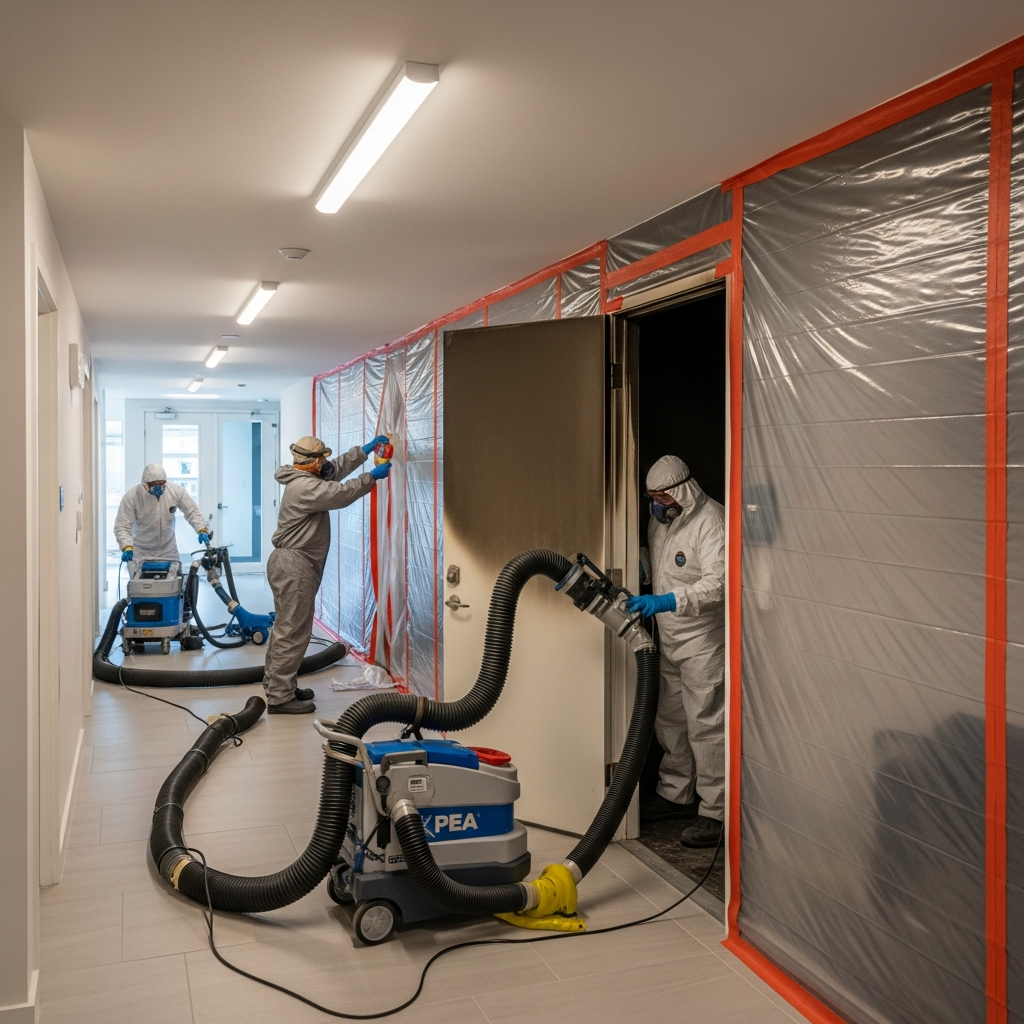
Water and smoke are the twin challenges after a fire, and both require precise handling. Water mitigation may involve extracting pooled water from lower levels, lifting wood flooring to dry the subfloor, and setting up negative-pressure drying to protect unaffected spaces. Smoke remediation, by contrast, often begins with removing loose soot, capturing particulates with HEPA filtration, and carefully sealing off zones to prevent cross-contamination. This is where Malibu’s coastal environment introduces extra variables: salt-laden humidity can react with soot to corrode metal fixtures, HVAC components, and even the micro-solder points on circuit boards. Quick stabilization of electronics and appliances—sometimes including specialized drying and corrosion-inhibiting treatments—can preserve items that would otherwise be lost.
Another Malibu-specific factor is the landscape interface. Homes built into hillsides can have complex crawl spaces and retaining walls that allow smoke to infiltrate from unexpected angles. Attics may run the length of a home with multiple access points, and the strong winds that sometimes accompany wildfire events can carry embers through soffit vents. Restoration teams will often pair interior work with exterior cleaning—soot removal from stucco, eaves, and decking—to reduce re-contamination and ensure the building envelope is once again weather-tight. It is meticulous work that pays off, especially when you consider how much time coastal homes spend in salt fog and marine layers where residues linger if not fully removed.
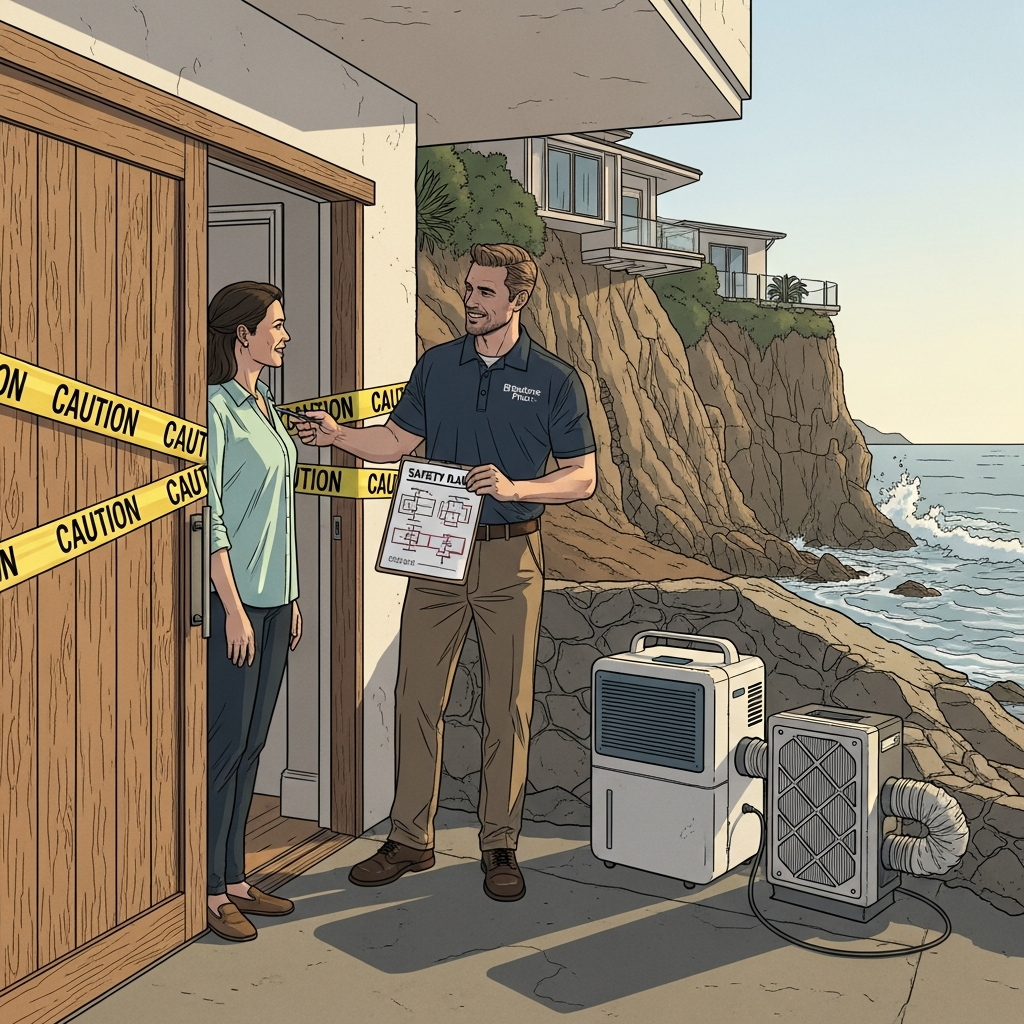
Documentation underpins every step. Even if you’re not thinking of paperwork in the moment, thorough photographic and written records help set expectations, sequence work, and coordinate with adjusters or city inspectors. Teams will map rooms, list contents, note materials, and track moisture readings so that drying and deodorization can be calibrated over time. If there are questions later about why a wall was opened or why a surface was encapsulated rather than stripped, the documentation provides clarity and keeps the project moving without unnecessary back-and-forth.
Contents handling deserves special attention in Malibu homes where art, collections, guitars, surfboards, and bespoke furnishings are common. The pack-out process is most successful when it is collaborative, with owners identifying priority items and specialists triaging what is best cleaned on-site versus moved to a controlled environment. Odor can cling to textiles and wood in subtle ways, so soft-goods restoration often includes ozone or hydroxyl treatment, careful laundering protocols, and follow-up inspections to ensure odors do not rebound when the home is closed up after construction. High-value items may be routed to conservators who understand the delicate balance between cleaning and preserving patina or finish.
Deodorization is both science and art. You can think of it as a layered strategy: first remove the source, then neutralize remaining residues, and finally seal porous surfaces when needed. In Malibu, the ocean air can mask odors on a breezy afternoon only for them to return on a warm, still evening. That is why professional teams test for odor pathways—behind baseboards, through utility chases, beneath stair treads—so that sealing compounds and targeted cleaning are applied where they will have lasting effect. HVAC cleaning is a major part of this plan; if ducts are overlooked, your home can feel clean for a week and then reintroduce smoky odor the moment the system cycles on.
Reconstruction brings its own considerations. Malibu has distinctive architectural styles and strict local codes, and many homes require coastal-friendly materials—fasteners that resist corrosion, exterior assemblies that breathe properly, and window systems that balance view, weatherproofing, and wildfire-aware design. Coordinating with local building officials early is wise, particularly if the project touches structural elements, roofing, or exterior finishes. This is also a moment to consider thoughtful upgrades that improve resilience: ember-resistant vents, smart detectors integrated with your security system, and landscape adjustments that maintain defensible space without sacrificing the coastal aesthetic.
Communication is the throughline that keeps stress from swelling. The best teams schedule standing updates, walk the property with you at key milestones, and provide clear expectations about what’s next. When a wall must be opened, they explain why. When drying takes longer due to dense hardwoods or coastal humidity, they share the readings and what they mean. The right rhythm of information replaces uncertainty with confidence, which matters profoundly when home is the backdrop for your life and not just a collection of materials.
Timelines vary with scope, but pace is influenced by weather, access, and material availability. Malibu’s narrow roads and hillside driveways can change how quickly equipment is staged and debris is removed. Coastal fog may slow exterior coatings. Specialty materials might need lead times to match existing finishes. These are not obstacles so much as realities that, when anticipated, become manageable. A local team’s familiarity with these rhythms is an advantage that often shortens the path to completion simply by avoiding avoidable delays.
Midway through a restoration, homeowners often ask about the tipping point between cleaning and replacing. The answer hinges on the type of smoke, how long residues were in place before stabilization, and the intrinsic value of the material. Dry smoke from quick-burning events can be more forgiving than wet smoke from smoldering fires, which tends to be sticky and odor-rich. Protein residues from kitchen events are notorious for their invisible yet pervasive smell. Matching the right remediation technique to the right residue is what separates surface-level improvement from results that stay clean and fresh months later. If you need a deeper dive into methods and sequencing, a good primer on fire damage restoration can help you evaluate the approach your team proposes and ask sharper questions.
Insurance coordination is often part of the journey, and while every policy is different, the principles of communication apply universally. Clear scopes of work, line-item descriptions of tasks, and photo-backed narratives simplify approvals. When upgrades or code-driven changes enter the conversation, having your contractor, adjuster, and, if needed, a consultant discuss them together prevents circular decisions. Your role as the homeowner is to share your priorities—what must be saved if at all possible, what elements define your home’s character—so the plan reflects your vision rather than just a generic checklist.
Malibu’s natural beauty makes living here special, and that beauty is intertwined with risks that we manage thoughtfully. Fires, whether large-scale or localized, touch not just structures but routines, memories, and a sense of ease. A well-orchestrated restoration respects all of that. It protects what is meaningful, documents the story of the property accurately, and rebuilds with both resilience and design integrity in mind. It also keeps an eye on indoor air quality long after the last painter departs, because the true measure of success is how the home feels on a quiet morning when the windows are closed and you simply breathe.
One commonly overlooked topic is the interface between restoration and future prevention. As builders reassemble assemblies, it can be the right moment to upgrade detectors to interconnected photoelectric models, add smart monitoring that sends alerts to your phone, and ensure extinguishers are properly placed and sized. Exterior choices matter too: choosing decking materials with better fire performance, adjusting vegetation, and evaluating eave vents for ember resistance can all be integrated without changing the soul of the design. These enhancements are not about living in fear; they are about living comfortably and confidently in a place we love.
Neighbors often become part of the story, whether sharing a driveway, a slope, or simply offering moral support. It helps to communicate early about staging areas, temporary fencing, and parking for crews so that the work does not strain relationships. Malibu’s sense of community is strong, and when you set clear expectations with those around you, the rhythm of the project is smoother for everyone.
As the finish line approaches, punch lists and indoor air checks provide assurance that the property is not just visually restored but truly healthy. I recommend taking quiet time in each room after work wraps up, noticing any faint odors, checking cabinet interiors, and running HVAC cycles to confirm that everything feels clean and consistent. Ask your team to review maintenance guidance for new materials, from stone sealers to specialty paints, so that the results last. A good restoration does more than erase damage; it sets your home up to thrive in the coastal environment for years to come.
Frequently Asked Questions
How quickly should I begin recovery after a fire? The sooner the better. Early stabilization—board-ups, water extraction, and initial soot removal—prevents secondary issues and protects materials that can still be saved. Acting quickly in Malibu is especially important because coastal moisture and salt can accelerate corrosion on metals and electronics.
What makes Malibu homes different to restore? The combination of ocean air, canyon winds, and diverse architecture means smoke travels and settles in unique ways. Materials such as open-beam ceilings, custom plaster, and extensive glazing require tailored cleaning and drying methods to ensure lasting odor removal and material preservation.
Can my contents be saved? Many can. A careful pack-out, specialized textile cleaning, and controlled deodorization often preserve cherished items. High-value pieces may be routed to conservators who work with delicate finishes and materials common in Malibu homes.
How long does the process take? Timelines depend on the extent of damage, access to the site, permitting, and material availability. Local familiarity with Malibu’s terrain, weather patterns, and codes helps streamline work and minimize delays.
What should I expect from professional communication? Clear schedules, documented scopes, and regular updates. The best teams explain why each step is taken, share readings and test results, and invite you into the decision-making so there are no surprises.
Will odors return after the work is done? They shouldn’t. Thorough source removal, HVAC cleaning, and targeted sealing dramatically reduce the chance of odor rebound. Post-project air checks and a brief period of close monitoring help confirm lasting results.
Is it possible to make my home more resilient during rebuilding? Yes. This is an ideal time to consider ember-resistant vents, smart monitoring, and material choices that perform better in Malibu’s coastal-wildland environment, all without compromising aesthetics.
Talk with a Local Team
If your Malibu property has been affected and you’re ready to move from uncertainty to a clear plan, reach out to a trusted local team that understands the rhythms, codes, and materials that define our coastline. For a comprehensive overview and to connect with specialists who can guide your next steps, explore fire damage restoration resources, then schedule a site walk with a project manager who will listen first and design a path forward that respects your home and your peace of mind.