When you live and work in Malibu, you come to respect the ocean air, the steep canyons, and the way the Santa Ana winds can bend an ordinary afternoon into something far more volatile. After a fire, that same landscape presents both challenges and opportunities, and the decisions you make in the first days will echo for years. I have walked properties along the Pacific Coast Highway, tucked into the Malibu hills, and nestled above the lagoon, and I have seen what careful, professional fire damage restoration can do for a home’s structure, a family’s wellbeing, and a neighborhood’s resilience. In this guide, I will unpack the benefits you can expect when restoration is approached with discipline, local savvy, and respect for Malibu’s unique rhythms. If you are just beginning to sort through the chaos, remember that the right plan and the right help can steady the ground beneath your feet, and resources like keyword are there to make that first step more certain.
Before we talk methods and materials, it helps to establish why restoration, as opposed to piecemeal repairs, matters. Fire is seldom a single event; it is a chain reaction of heat, combustion byproducts, water or foam from suppression, and rapid swings in humidity. In Malibu, add to that salt-laden coastal air and hillside microclimates, and you get a recipe for secondary damage that can unfold quietly for months. Professional restoration targets those secondary effects—corrosion, hidden moisture, persistent smoke odor—so your home is not only rebuilt but stabilized against the environment that surrounds it.
Restoration as a Health and Safety Investment
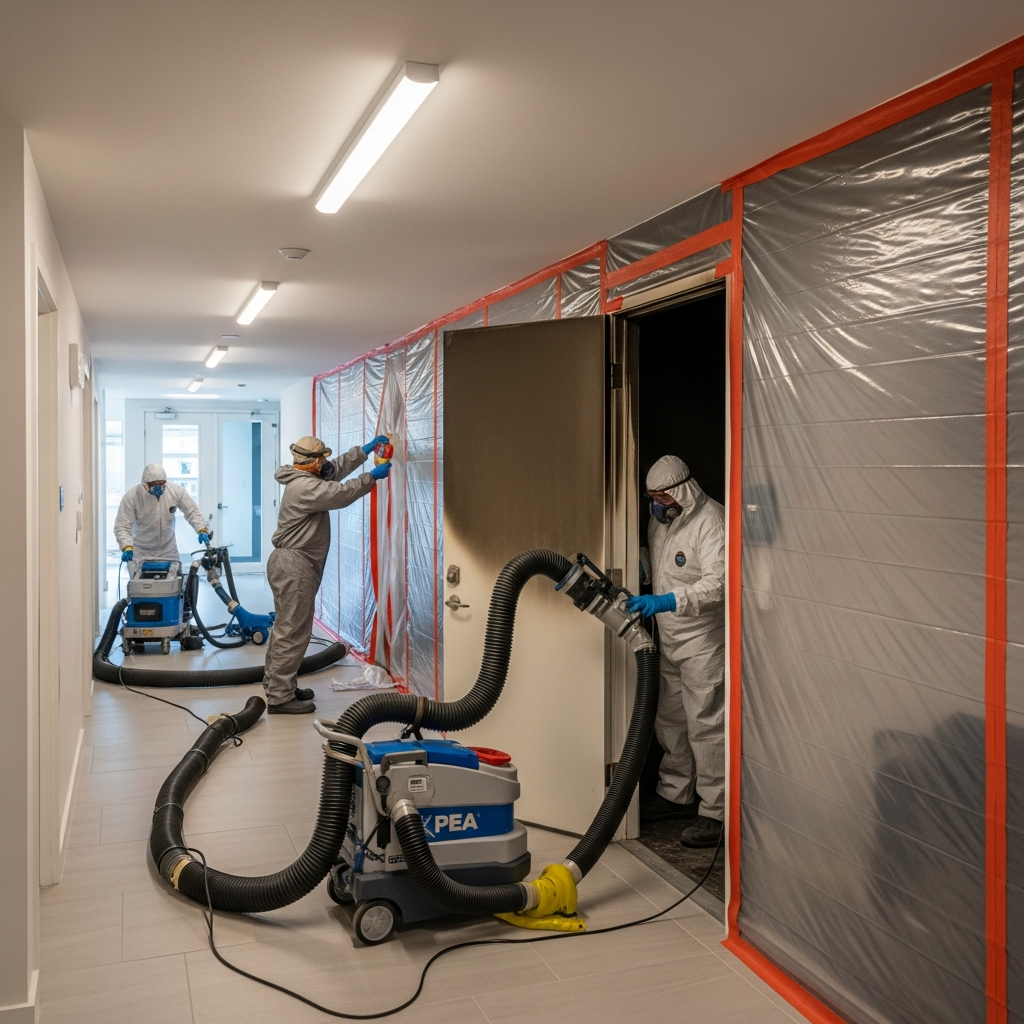
The first and most immediate benefit of a comprehensive restoration is the protection of your health. Even after flames are extinguished, soot and smoke particulates linger in the air and embed themselves in porous surfaces. These particles are ultra-fine, capable of traveling deep into the lungs, and they can carry a cocktail of volatile organic compounds. In Malibu homes, where you might have a mix of hardwood, natural stone, wool textiles, and high-end finishes, the interactions between soot and materials can be complex. Professional teams deploy high-efficiency air filtration, strategic containment, and meticulous cleaning protocols to reduce airborne irritants quickly, turning the space from a hazard zone into a controlled work environment.
There is also a structural safety element. Between thermal shock and the weight of suppression water, framing, plaster, and cladding can lose integrity in subtle ways. I have seen lath behind historic plaster delaminate and engineered joists swell just enough to alter load paths. Restoration assessments go beyond the obvious char to include moisture mapping, bore-scope inspections, and thermal imaging, ensuring hidden weaknesses are found and addressed early. The benefit is peace of mind: when you re-enter the space, you do so on a foundation tested for safety, not just appearance.
Stopping Secondary Damage Before It Spreads
The clock matters after a fire. The difference between addressing a smoke film within forty-eight hours versus a week can be the difference between cleaning and replacement. Malibu’s marine layer means higher ambient humidity, which accelerates corrosion on metal fixtures and appliances when combined with soot’s acidity. Timely restoration neutralizes residues, stabilizes metals, and dries cavities so that small problems do not cascade into full system failures. For example, stainless steel that once gleamed in a beachside kitchen can etch overnight; a prompt wipe-down with the right alkaline agents followed by protective polish can save an appliance suite that might otherwise be written off.
Likewise, water used to fight the fire will migrate through flooring and into walls and subfloors, often pooling in low points and crawl spaces. Dehumidification and targeted demolition keep mold from gaining a foothold. In the Malibu hills, where some homes sit on stepped foundations and slabs with insulated radiant systems, moisture can hide in places that standard drying methods miss. Local teams familiar with these configurations can set up efficient, low-impact drying that respects the home’s architecture while accelerating recovery.
Protecting Finishes, Fixtures, and Memories
Another benefit of proper restoration is the preservation of finishes and personal property that have both functional and sentimental value. It is not uncommon for homeowners to assume that smoky rugs, art, or books are a lost cause. While not everything can be saved, there are advanced techniques—such as HEPA vacuuming, careful chemical sponging, and specialty content cleaning—that can rescue items you might not expect to survive. Malibu homes often contain a blend of modern design elements and treasured heirlooms, and restoration that emphasizes content recovery can dramatically reduce loss while shortening disruption to your daily life.
I recall a canyon home where family photographs and an old surfboard collection looked like they were beyond help. With an organized content pack-out, cataloging, and treatment at an offsite facility, the photos were digitized and cleaned, and even the boards were deodorized and restored. The benefit here is emotional as much as practical: when your irreplaceable items return, so does a sense of normalcy.
Cleaner Air, Cleaner Surfaces, Cleaner Mind
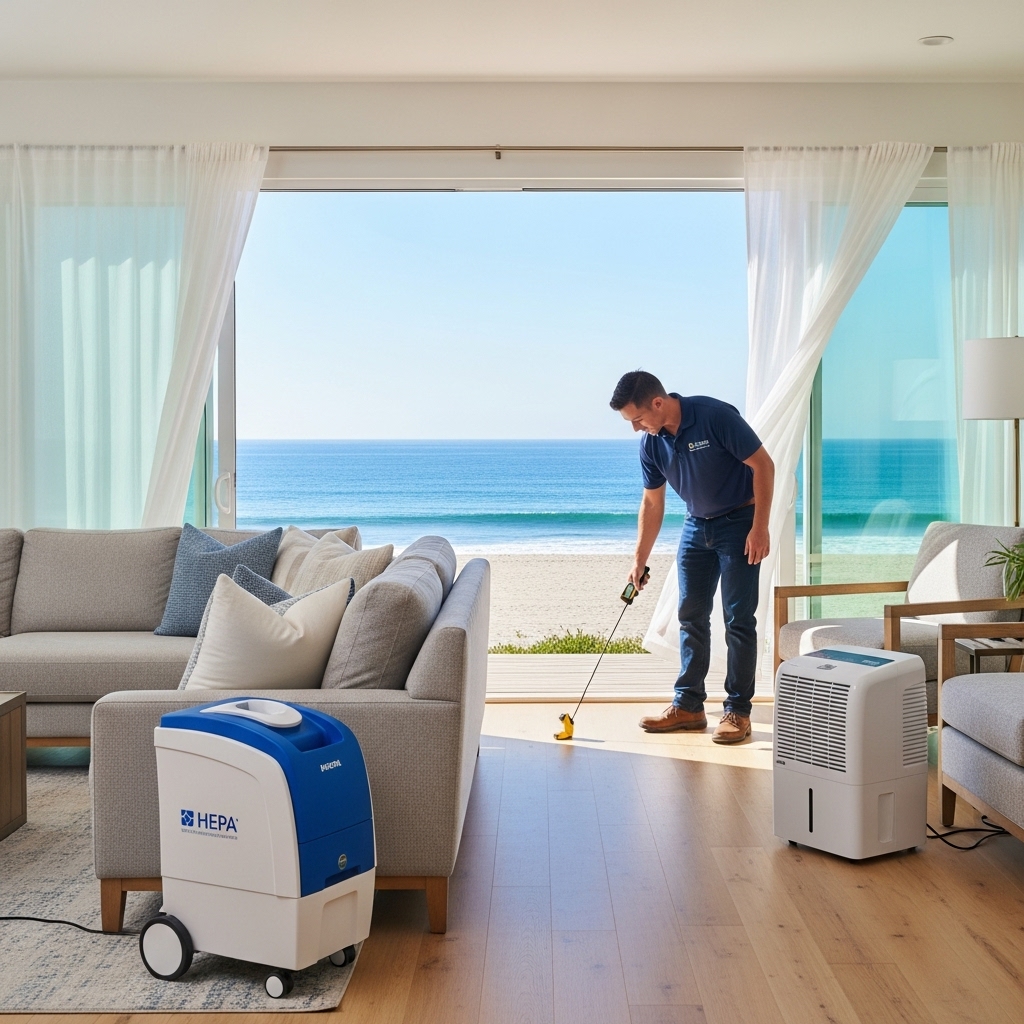
Smoke odor is more than an annoyance; it is a sign that combustion byproducts are still present. Porous materials like drywall, insulation, and certain tiles can harbor odor-causing particles. Restoration introduces a layered approach: removal of unsalvageable porous materials, fine particulate cleaning, and sealing where appropriate to lock in any residual odor sources. In Malibu, I often recommend closing the loop with a period of active air scrubbing while the home is under negative pressure. This sequence brings a tangible benefit you can feel: the air becomes crisp, surfaces stop leaving black on your fingertips, and you can sense that the environment has shifted from contaminated to clean.
Malibu’s Coastal Climate: A Unique Restoration Context
Restore a home in Malibu and you quickly learn the language of salt, sun, and canyon winds. Salt air accelerates corrosion on window hardware, outdoor kitchens, and HVAC components; sun exposure can amplify heat damage on exterior finishes; and winds carry ash into soffits and attics. A local restoration plan anticipates these forces. After a fire, we often recommend proactive inspection of exterior envelopes, vent screens, and attic insulation, even if the main fire area was indoors. The benefit of this expansion is long-term durability: by pairing interior cleaning with exterior hardening, you reduce the chance that a future wind event will whip residual ash back into the living areas.
There is also the reality of wildlife and landscaping. Deer paths cut behind fences, coastal sage and chaparral recover at different rates, and irrigation systems may have been compromised. Restoration teams who coordinate with landscape professionals can help you rebuild defensible space without sacrificing the coastal aesthetic. Doing so supports both safety and value, making your property more resilient to the seasonal risks that define Malibu living.
Documentation, Insurance, and Advocacy
One quiet but powerful benefit of professional restoration is the way it streamlines documentation for insurance and permitting. Detailed moisture logs, photo documentation, and itemized content inventories keep your claim organized and minimize disputes. In Malibu, where rebuilding often intersects with hillside ordinances, coastal considerations, and architectural review, seasoned restoration professionals become advocates who speak the language of adjusters and inspectors. They can prepare scopes that reflect true conditions and push for appropriate coverage of necessary work, from smoke sealing to HVAC cleaning, without inflating or overlooking what matters.
That advocacy extends to scheduling. Coordinating inspections, engineering assessments, and trade sequencing is a complex puzzle. A well-run restoration reduces idle time between phases so momentum is never lost. This is especially important in neighborhoods where multiple homes may be under repair after a regional event; having a team that knows local inspectors and understands typical turnaround times keeps your project’s timeline realistic and efficient.
Environmental Stewardship and Sustainable Choices
Malibu residents value the environment, and restoration offers opportunities to rebuild with a lighter footprint. Low-VOC products, targeted demolition instead of wholesale teardown, and careful sorting of debris for recycling reduce waste and improve indoor air quality. Choosing materials that resist smoke absorption and are less prone to corrosion offers long-term benefits that align with both sustainability and resilience. It is not about making a home indestructible, but about choosing smarter assemblies and finishes that respond better to the realities of coastal living.
Midway through many projects, homeowners ask how to keep momentum and avoid decision fatigue. The answer is a combination of clear milestones and trusted references. When questions arise about process or priorities, reliable resources like keyword can help you calibrate expectations and make informed decisions without getting lost in jargon or conflicting advice.
The Psychology of Progress
Restoration brings an emotional benefit often overlooked: the feeling of progress. The first time you walk into a home that no longer smells like smoke, that has bright, scrubbed surfaces and neatly taped containments, you feel hope. When the demolition phase ends and rebuilding begins, you witness transformation, not just cleanup. A good team narrates this journey, explaining what was accomplished and what comes next, so each step feels purposeful rather than chaotic. That clarity reduces stress and keeps families engaged, a crucial factor in maintaining momentum in longer projects.
Neighborhood Cohesion and Community Standards
In Malibu, your home is part of a community fabric. After a fire, neighbors coordinate access roads, share water deliveries for landscaping, and even synchronize contractor schedules to reduce noise and traffic. Professional restoration supports that cohesion by maintaining tidy job sites, controlling dust, and respecting HOA or neighborhood norms. The benefit is more than courtesy; it helps everyone heal faster and preserves property values across the block.
Elevating Property Value Through Resilient Rebuilds
Finally, restoration that is thorough and well-documented can enhance a property’s value. Buyers in Malibu understand the climate and the wildfire history; they ask about attic insulation ratings, ember-resistant vents, and whether the HVAC system was cleaned or replaced after smoke exposure. When you can produce records of professional remediation, duct cleaning, and material upgrades, you signal that the home has been responsibly cared for. That provenance reduces uncertainty and can make future transactions smoother.
How to Choose a Restoration Partner
Not all services are equal. Look for providers who combine technical expertise with local familiarity. Ask how they manage corrosion control near the coast, how they approach hard-to-reach spaces like cathedral ceilings common in Malibu architecture, and how they coordinate with engineers for structural verification on hillside lots. The answers should be specific, not generic. You want a team that can translate Malibu’s topography and climate into practical steps that protect your investment.
FAQ
Q: How soon should I start restoration after a fire?
A: As soon as the property is safe to enter and cleared by authorities, the clock starts on secondary damage. The first forty-eight hours are critical for corrosion control and moisture mitigation. Acting promptly reduces the scope of demolition and preserves more of your finishes and belongings.
Q: Can smoke odor ever be fully removed?
A: In most cases, yes, provided the right sequence is followed: remove unsalvageable porous materials, perform detailed cleaning on all remaining surfaces, clean or replace HVAC filters and ducts as needed, and apply appropriate sealers. Odor tends to persist where steps were skipped or where hidden cavities were not addressed.
Q: What about my HVAC system?
A: HVAC systems often draw smoke particulates deep into ductwork and air handlers. Professional restoration includes inspection, cleaning, and verification of airflow and filtration. Ignoring the system can reintroduce odors and particles into a cleaned home.
Q: Do I need permits for restoration in Malibu?
A: It depends on the scope. Cosmetic cleaning and minor repairs typically do not, but structural repairs, window replacements, and exterior work frequently do, especially in hillside or coastal zones. A restoration partner experienced with local requirements can help determine what is needed and coordinate with the city.
Q: What if some items are too damaged to save?
A: Part of effective restoration is knowing what to let go. Unsalvageable items should be documented for insurance, responsibly disposed of, and replaced with materials that fit your home’s design and resilience goals. A thoughtful approach balances sentiment with safety and practicality.
Ready to Reclaim Your Home
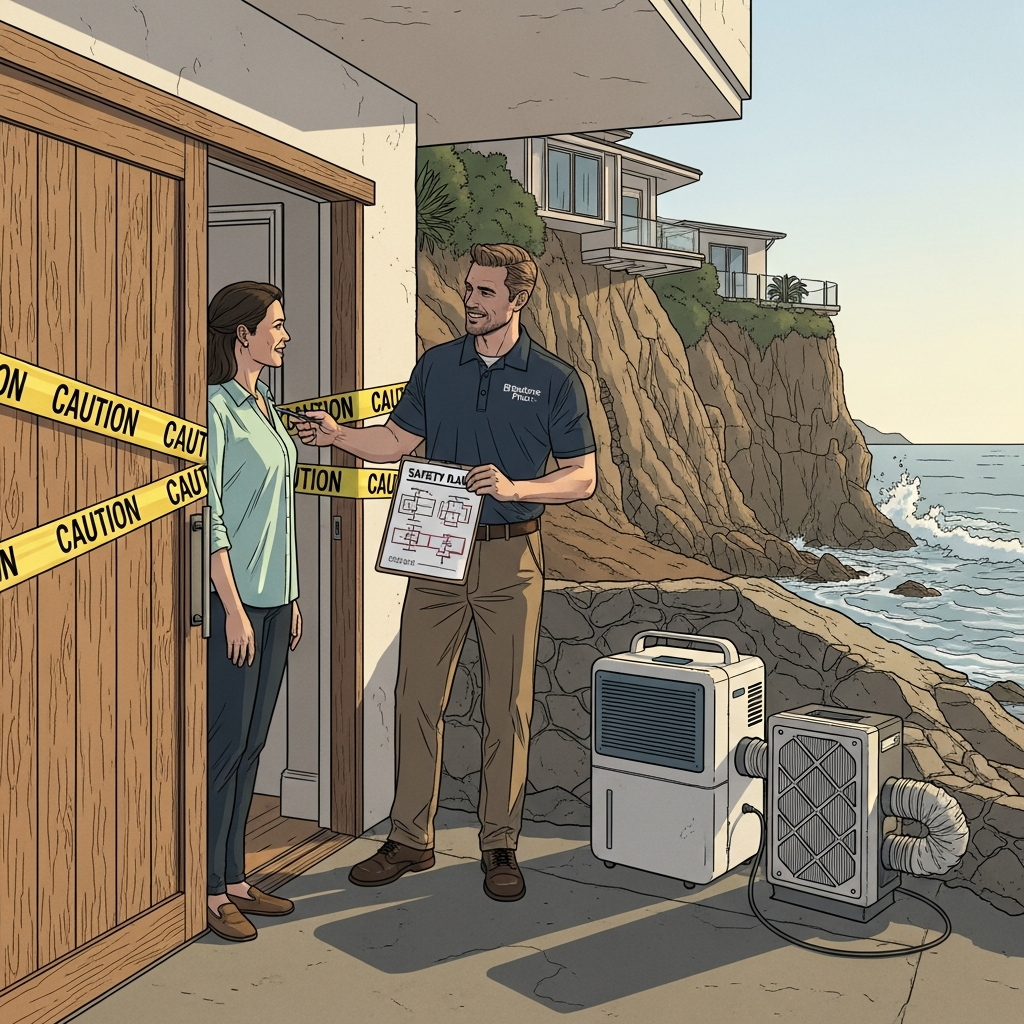
If you are standing at the threshold of a fire-damaged property in Malibu, the path forward can feel overwhelming, but you have more control than you think. Start with an assessment, stabilize the structure, and move through a plan that prioritizes health, durability, and documentation. When you are ready to take that next step with a knowledgeable, locally attuned team, reach out for guidance and support through keyword. Each day you act with intention is a day your home becomes safer, cleaner, and more truly yours again.