In Malibu, the story of a fire does not end when the flames go dark. Smoke finds a way into the smallest seams of a home—behind switch plates, into attic insulation, inside the folds of draperies, and through the ductwork that connects every room. That is why effective fire restoration is inseparable from thoughtful, science-driven smoke odor removal. Over years spent working in canyon homes and coastal estates, we have learned that the difference between a lingering reminder and a fresh start is in the details no one sees at first glance. If you are seeking help right away, it is wise to begin with professionals experienced in fire damage restoration in Malibu, because the choices made on day one determine how thoroughly odors will be eliminated later.
Odor is chemistry and movement. Hot smoke pushes into cavities under pressure; as it cools, it condenses, leaving residues that lock into porous surfaces. Malibu’s bell-weather environment—dry canyon winds followed by marine-layer moisture—can reactivate those residues, making a home smell smoky again even after a superficial wipe-down. A strategic approach addresses the source, the surfaces, the air, and the hidden circulation paths that tie them all together.
Identifying the Smoke Type
Different fuels create different residues. Protein fires from cooking produce thin, greasy films that look invisible but smell strong. Synthetic materials create oily soot that smears easily and can etch metals and glass. Natural wood fires leave drier residues that respond better to vacuuming and careful brushing. Before cleaning, we test representative areas to confirm the residue profile. This informs whether to begin with dry methods, solvent-based cleaning, or alkaline products that neutralize acidity without damaging finishes.
Containment and Air Management
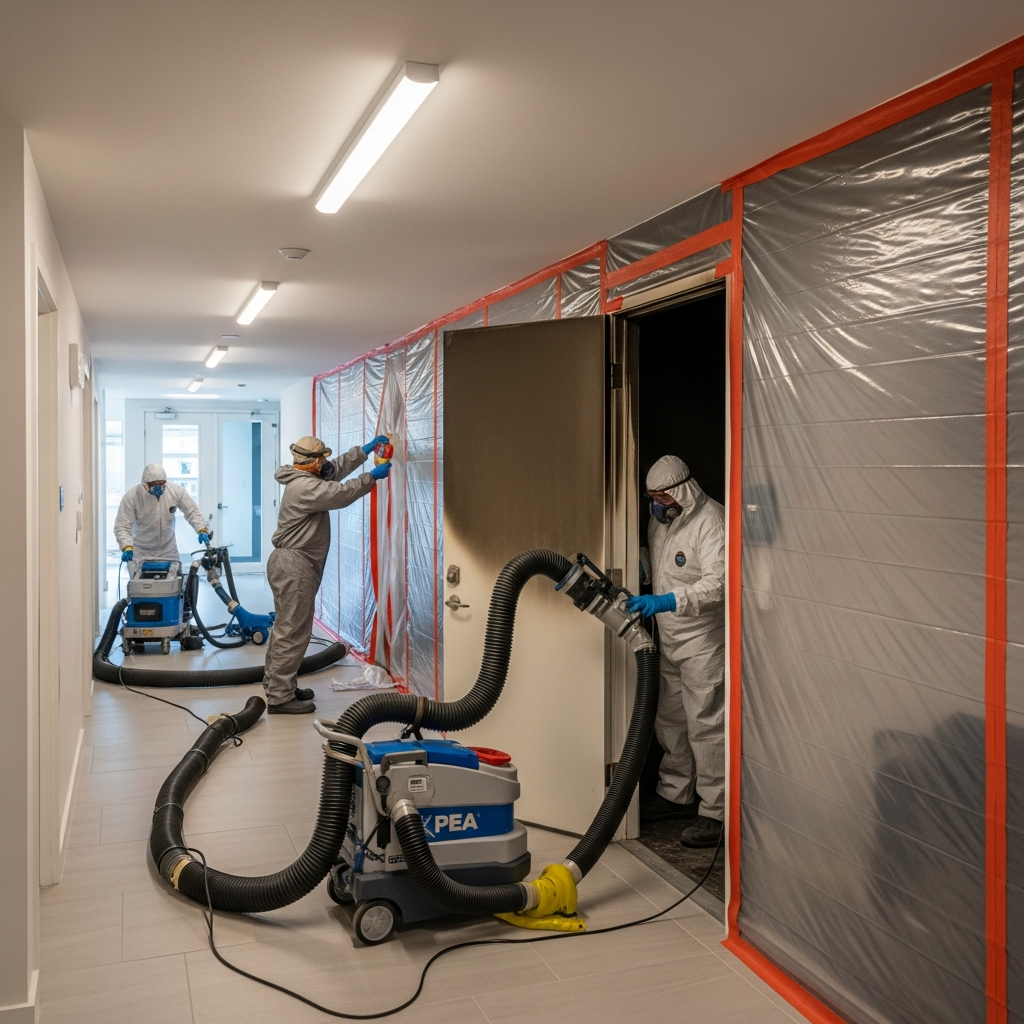
One of the most overlooked steps in odor removal is controlling air movement. We often establish containment barriers and apply negative air pressure to keep particulates from drifting into unaffected rooms. HEPA air scrubbers capture microscopic soot that ordinary filters miss, and they are placed in sequences that pull air through the areas under treatment. In Malibu homes with open floor plans and high ceilings, air behaves differently; calculating air changes per hour helps set a realistic timeline for cleanup and deodorization.
Surface Cleaning That Actually Removes Odor
From plaster walls in a mid-century ranch to hand-hewn beams in a bluff-top villa, surfaces vary widely. We use techniques that lift soot rather than smear it. Dry sponging and HEPA vacuuming come first for certain residue types, followed by carefully selected cleaning solutions that target the remaining film. For wood beams and cabinetry, the grain often traps odor; gentle agitation paired with the right pH cleaner dislodges residues without raising the grain or stripping finishes. Polished stone and stainless appliances require corrosion-aware products because soot can etch in hours, especially with salt air exposure.
Deodorization Beyond Masking
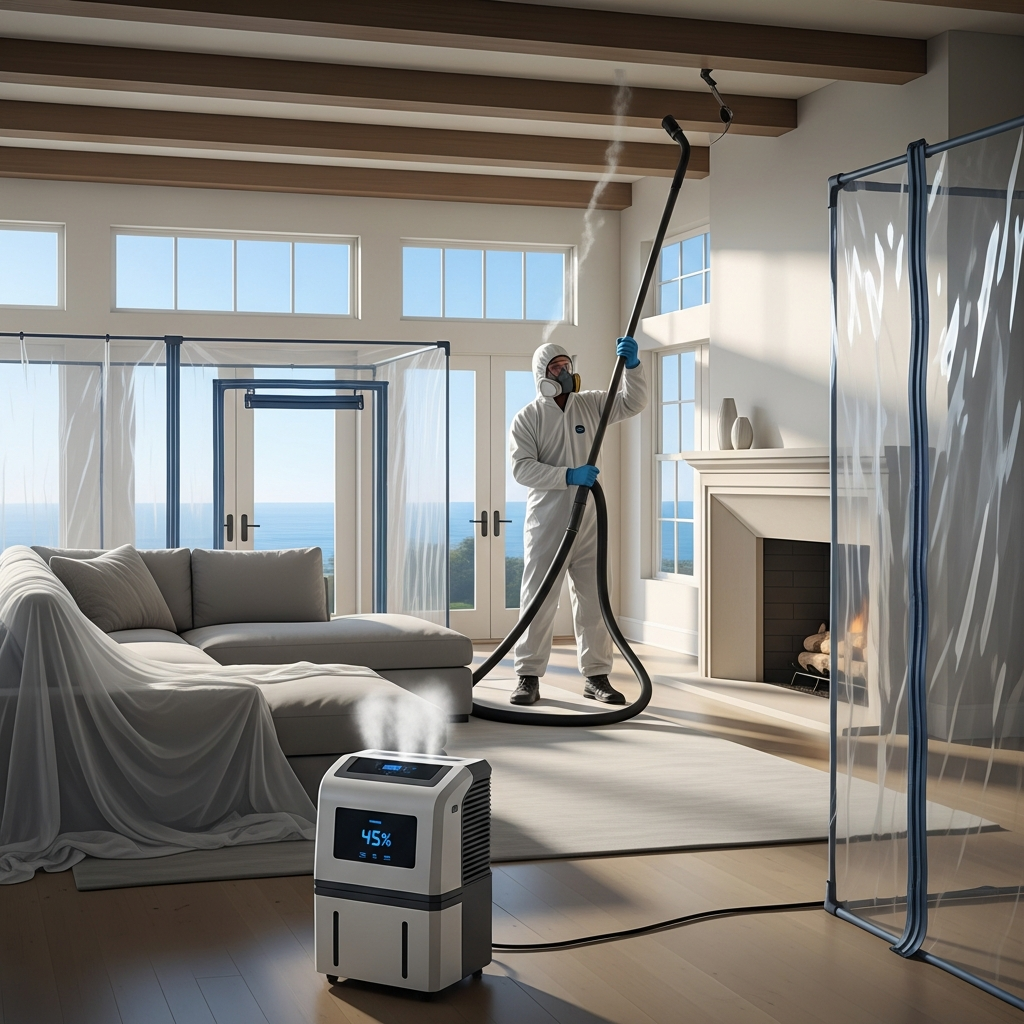
True deodorization is not about fragrance. It is about treating air and materials so they no longer generate or release odor. Depending on the project, we may employ thermal fogging to recreate the diffusion pattern of smoke and reach hidden pathways, or hydroxyl technology to address odor molecules in occupied spaces. The choice depends on building layout, residue type, and occupancy needs. Importantly, deodorization steps only work lastingly after thorough cleaning; otherwise, odor can return when weather shifts or HVAC systems run.
HVAC and Ductwork: The Circulatory System
Air handlers and ductwork are common culprits when odor lingers. We inspect and clean registers, returns, coils, and interior duct surfaces. In Malibu, where many homes rely on systems that switch between heating during cool ocean mornings and air conditioning in the afternoon sun, soot can travel far in just a few cycles. Filtration upgrades during and after restoration help, and we coordinate filter changes with each phase of cleaning. Sealing ducts that pass through smoky attics can also prevent re-contamination.
Soft Goods, Textiles, and Fine Furnishings
Textiles act like sponges for smoke molecules. Upholstery, rugs, bedding, and even the felt backing of framed art require specialized treatment. We categorize items based on the level of exposure and fiber type, then select cleaning and deodorization processes accordingly. Gentle but effective methods help preserve dyes, finishes, and handwork while fully eliminating odor. Malibu homes often feature custom pieces and delicate fabrics; careful testing ensures that the method matches the material to protect both integrity and appearance.
Attics, Crawlspaces, and Hidden Cavities
Hidden spaces are notorious repositories for odor. Soot can settle onto rafters and insulation, then re-emit smells each time attic temperatures rise. We remove compromised insulation where necessary, clean accessible framing, and treat surfaces to neutralize residual odor. In crawlspaces, smoke that entered through vents can linger on subfloor surfaces and joists. Addressing these areas keeps living spaces fresh long after the visible cleanup is complete.
Malibu’s Microclimates and Odor Persistence
Local conditions matter. In the canyons, afternoon updrafts can carry fine ash back into freshly cleaned spaces if openings are not properly sealed or vents not protected during work. Along the coast, cool, damp nights followed by warm, bright days can cause materials to expand and contract, releasing trapped odor. By sequencing cleaning with weather in mind and managing ventilation at the right times, we reduce the opportunity for re-contamination and improve results.
Documentation and Peace of Mind
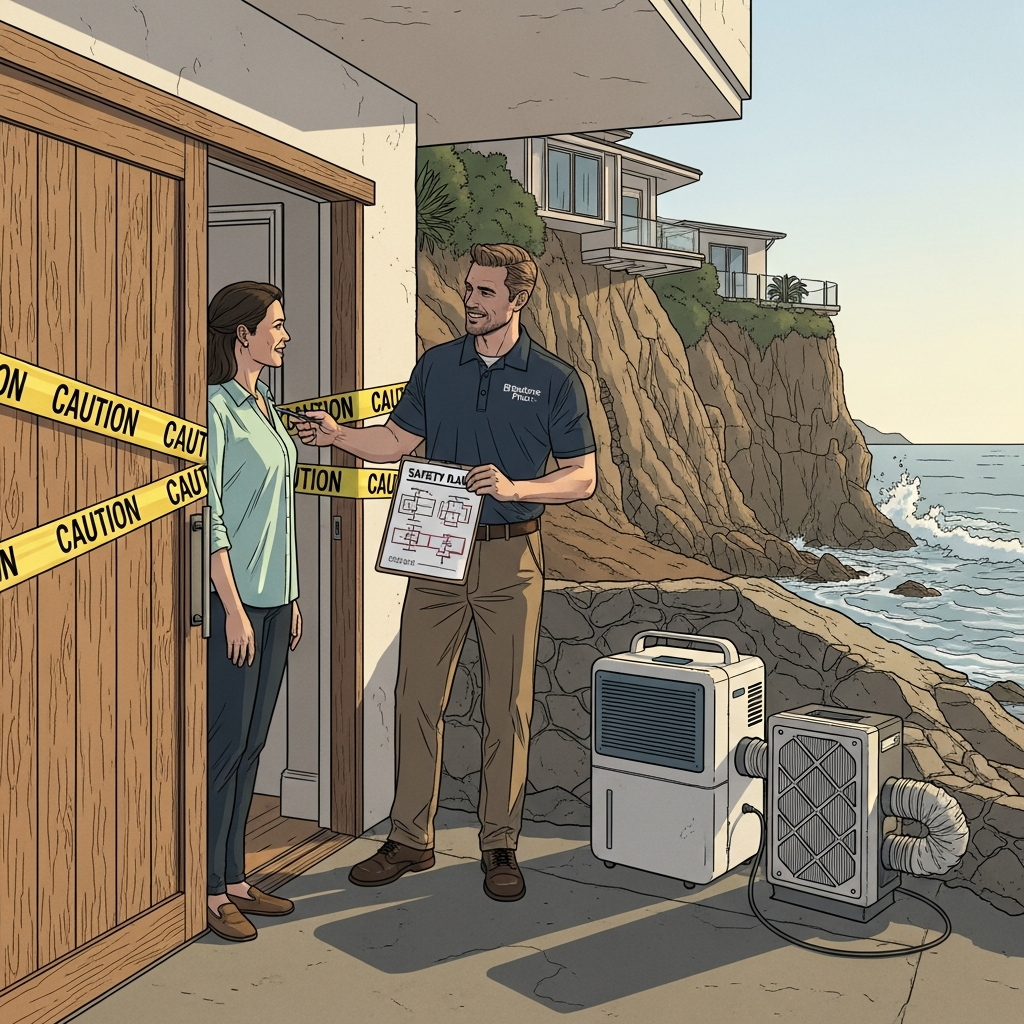
Thorough reports, before-and-after photos, and readings from particulate capture and moisture meters help verify that the job is complete. This transparency serves practical needs with insurers and gives homeowners confidence that odors will not creep back as seasons change. Follow-up visits can confirm that systems remain clean and that filters are performing as expected.
Mid-Project Checkpoints and Owner Decisions
As a project progresses, homeowners sometimes choose to make resilience upgrades—ember-resistant vents, improved weatherstripping, or sealed attic flooring—to reduce the risk of future smoke intrusion. We integrate these choices into the schedule so they do not delay cleaning. At each checkpoint, we revisit the odor profile, confirming that sources are addressed rather than masked. That disciplined approach is the hallmark of rigorous fire damage restoration in Malibu and is especially important when families are eager to reoccupy quickly.
Working in Homes of Every Style
From cliffside contemporaries with expanses of glass to secluded bungalows with thick stucco walls, Malibu architecture presents diverse challenges. Glass needs prompt attention to prevent etching; stucco traps soot in surface texture and requires careful, low-pressure techniques. The aim is to preserve architectural character while achieving true cleanliness and a neutral, healthy indoor environment.
Frequently Asked Questions
Why does my home still smell like smoke after initial cleaning? If odor persists, hidden reservoirs—ductwork, insulation, structural cavities, or soft goods—may still harbor residues. Effective deodorization starts with locating and cleaning those sources before treating the air.
How long does smoke odor removal take? Timelines vary with the size of the home, severity of exposure, and the number of systems affected. A focused plan, good containment, and efficient sequencing can shorten the schedule without cutting corners.
Can my HVAC system spread smoke smell? Yes. Ducts, coils, and returns can collect soot and become odor sources when the system runs. Cleaning and filter upgrades are essential parts of full odor removal.
Is deodorization safe for families and pets? Methods are selected based on occupancy needs and materials. Options exist that allow continued occupancy during certain steps, and we explain those choices clearly before proceeding.
Will the smoke smell return with coastal humidity? It should not if sources are properly cleaned and materials are fully dried before sealing or painting. Managing ventilation during weather shifts helps maintain a fresh interior.
What can I do right after a fire to help? Avoid running HVAC systems, limit foot traffic in sooty areas, and wait for an assessment that targets the right cleaning method for the residue present. Early, informed decisions prevent set-backs later.
Restore Fresh Air to Your Home
If you are ready to clear smoke and odor the right way, reach out for expert fire damage restoration in Malibu. We will assess your home, design a step-by-step plan, and deliver a clean, healthy space you can feel confident living in again.