Expertise shows up in the details, especially after a fire. In Malibu, where homes perch on bluffs, nestle in canyons, and open to ocean breezes, those details multiply. The same smoke plume that glances off a hillside home can curl into soffits along the beach, and the same firefighting effort that saves a structure can saturate floors and walls. Navigating this complexity requires more than a truck and a crew; it calls for a technical mindset paired with local fluency. When we talk about expert fire damage restoration and repair here, we mean a disciplined process that protects health, preserves what can be saved, and rebuilds with foresight.
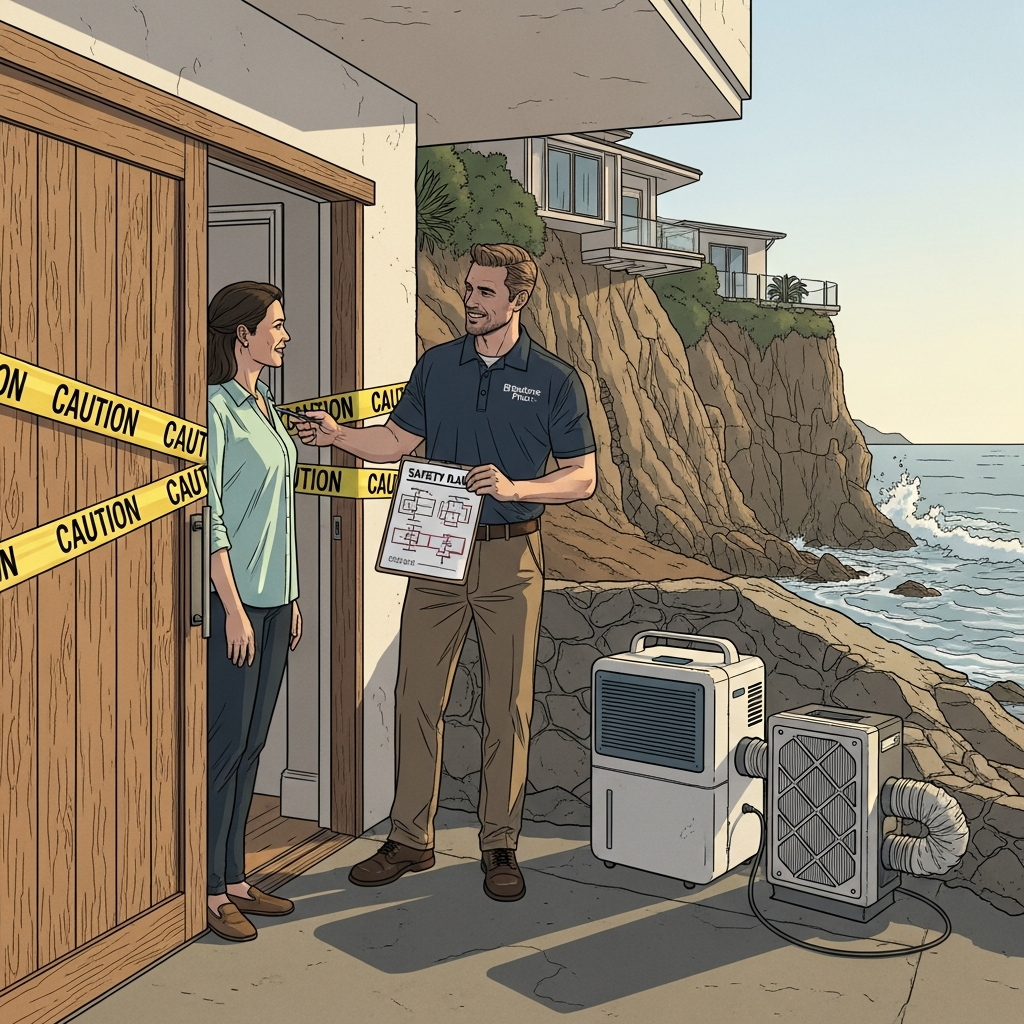
The first decision an expert makes is to slow down just enough to see clearly. That means conducting a structured assessment as soon as the fire department clears the site for entry. Safety hazards are noted and neutralized—compromised framing, live electrical, falling debris—while the broader pattern of damage is documented in photos and notes. This early map becomes the backbone of the job and the common language among homeowners, insurers, and contractors who will follow in the project’s footsteps.
Stabilize first, then strategize
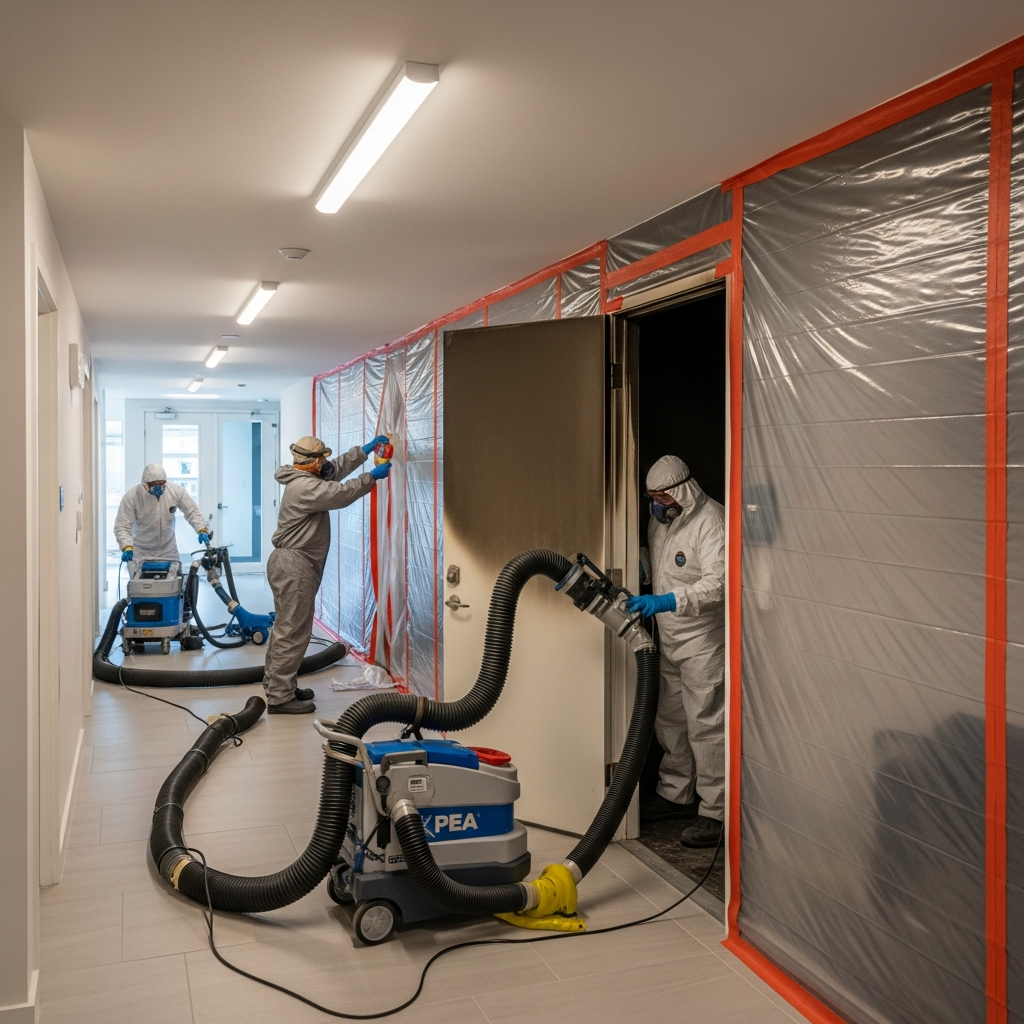
Stabilization is the cornerstone of expert work. Boarding up windows, tarping roof penetrations, and setting negative air containment protect the site from weather, intrusion, and cross-contamination. Where firefighting introduced water, extraction and targeted drying start immediately to prevent microbial growth and material swelling. In Malibu, where coastal humidity can complicate drying, pros monitor conditions closely, adjusting airflow and dehumidification to match the microclimate of the structure.
With the property secure, the strategy shifts to sequencing. Experts tailor the order of operations to the home’s materials and the type of smoke involved. A cedar ceiling requires a different approach than a painted drywall lid; a steel-and-glass contemporary demands another. The right sequence reduces rework and keeps the job moving forward without accidental setbacks, like pushing soot into porous surfaces or spreading residue from a dirty to a clean zone.
Source removal and selective demolition
Fire leaves both obvious and subtle sources of contamination. Charred framing, blistered finishes, and burned insulation are clear candidates for removal. Less obvious sources—smoke-stained sheathing, contaminated duct liners, soot-holding carpet underlay—require a trained eye and sometimes confirmatory testing. Expert teams err on the side of eliminating sources early, because every hour that acidic soot remains in place increases the likelihood of corrosion, staining, and persistent odor.
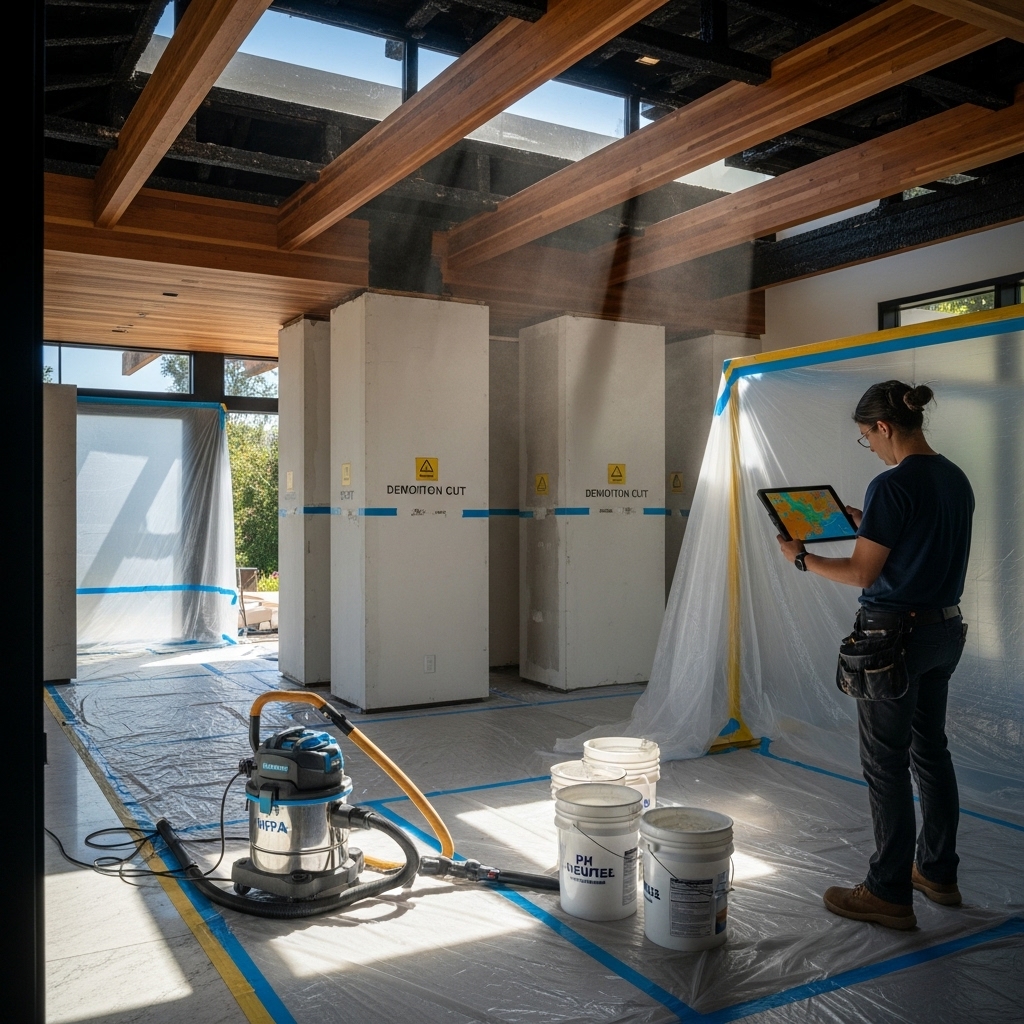
Selective demolition is a craft. Rather than tearing out broadly, pros open assemblies surgically to remove what cannot be salvaged while protecting undamaged materials. They cut clean lines that make future rebuild easier, and they label systems that will need a licensed trade for final reconnection. This measured approach keeps the home safer during the interim and gives the reconstruction team a clean canvas later.
Detailed cleaning: the discipline behind results
Cleaning after a fire is the opposite of improvisation. Experts work top-down, room by room, with equipment and chemistry chosen to match surface and soil. HEPA vacuums capture fine soot without redepositing it. Detergents are selected for pH and surfactant profile, ensuring they neutralize acidic residues without harming finishes. On porous materials, technicians may use dry cleaning sponges first to lift particulates before introducing moisture, which could otherwise set stains.
Odor control runs in parallel with cleaning. Professionals understand that smell lingers when residue remains, so they focus on source removal before deploying odor technologies. When it’s time, they choose among ozone, hydroxyl, and thermal fogging based on the space, the occupants’ needs, and the materials present. In Malibu’s coastal environment, where salt air can amplify corrosion, experts use deodorization methods judiciously, verifying results over time rather than rushing to declare victory.
Contents: what to save, what to move
Belongings tell the story of a home, and their treatment demands both empathy and method. Expert teams set up a contents workflow that protects chain of custody from the first box to the final delivery. Items are inventoried, photographed, and triaged for on-site cleaning or removal to a controlled facility. Upholstery, textiles, and paper goods may head off-site for specialized treatment, while durable goods can often be cleaned on-site under containment. Communication is key here; homeowners should know where their items are, who is caring for them, and when they can expect updates.
Electronics deserve special attention in Malibu. Even distant smoke combined with salt air can lead to accelerated corrosion on circuit boards and connectors. Pros bring in electronics specialists early to evaluate salvageability and to protect items from additional damage during handling. This foresight can preserve both function and warranty status when equipment is ultimately reinstalled.
Air systems: cleaning the lungs of the house
HVAC systems can become conduits for soot distribution. Expert restoration includes a plan for inspecting, cleaning, and rebalancing these systems. Depending on the type and extent of contamination, technicians may remove and replace filters, clean ducts using negative-pressure methods, and treat components with EPA-registered products appropriate for the application. The goal is not just to clean what’s visible, but to restore the system’s ability to move clean air without reintroducing odors.
In homes with radiant heating, mini-splits, or complex ventilation strategies common in energy-efficient builds, experts adapt accordingly. They coordinate with mechanical contractors to ensure any disassembly and reassembly meet manufacturer standards, preserving the performance that Malibu homeowners expect from their systems.
Structural repair with foresight
When the work transitions from restoration to repair, expertise shifts from mitigation to reconstruction. This is where planning pays dividends. Clean, square demo cuts make for crisp framing tie-ins. Accurate documentation allows the repair team to match finishes seamlessly. Experts think about long-term resilience at this stage—attic venting that resists ember intrusion, upgraded seals around penetrations, and material choices that balance beauty with durability in a coastal climate.
Permitting and inspections are part of the flow. Malibu’s building department and hillside conditions can add layers to the process, so experienced teams build realistic timelines and communicate milestones clearly. They know which details inspectors focus on and prepare the site accordingly, reducing surprises that could otherwise stall progress.
The rhythm of an expert-managed project
Projects that feel chaotic usually lack a rhythm. Expert-managed jobs move to a steady beat: mobilize, stabilize, remove, clean, verify, rebuild, and hand off. Homeowners sense this rhythm in the predictability of updates and the absence of avoidable backtracking. It’s productive without being frantic, and it leaves room for careful decisions when choices arise about finishes, fixtures, or layout tweaks.
This rhythm also makes space for empathy. Fire takes a toll well beyond the walls. Teams that practice expertise as a habit notice when a family needs a quiet hour to regroup, or when a small win—like restoring a cherished keepsake—can lift the week. Those moments matter, and they are not separate from technical excellence; they are part of it.
Documentation and verification
At every stage, experts measure. They verify dryness with calibrated meters, cleanliness with visual and tactile checks under good light, and odor control with time and occupant feedback. When appropriate, they engage third-party hygienists to establish objective clearance criteria, particularly in homes with sensitive occupants or complex damage profiles. Documentation isn’t bureaucracy; it’s the evidence that the home you are returning to is healthy and ready for the next chapter.
When these standards are met, the handoff to rebuild or move-back feels earned. You can sense it in the air and see it in the surfaces. The house feels like itself again, not because someone said so, but because the work supports it.
Working within Malibu’s realities
Malibu’s geography shapes scheduling and logistics. Access up canyon roads may require smaller vehicles or staged deliveries. Power interruptions may call for generators to keep drying equipment consistent. Wind events can reintroduce dust and ash from the landscape; experts anticipate this and maintain containment until the risk subsides. These aren’t inconveniences—they are design constraints that expert teams treat as part of the job.
Relationships help, too. Coordination with roofers, electricians, plumbers, and carpenters who regularly work in Malibu ensures that handoffs are smooth and that repairs respect the architectural character of each neighborhood, from Point Dume to Serra Retreat to Latigo.
Choosing expertise you can feel
When you meet a prospective restoration partner, listen for process. Ask how they protect clean areas from dirty ones, how they verify odor control, and how they plan to manage HVAC systems so that your first day back doesn’t reawaken smoke memories. Ask how they’ll handle contents, which trades they bring in-house versus subcontract, and how often you’ll receive updates. The clarity of their answers is often a better predictor of success than a glossy brochure.
Midway through the project is a good time to revisit goals and confirm that the plan remains aligned with the home’s realities. As the team moves from heavy demolition into fine cleaning and early repairs, it’s natural to sharpen the focus on finishes and move-back timing. That midpoint check-in is also the perfect moment to confirm that all phases of fire damage restoration still match your expectations and that any evolving needs are captured before rebuild accelerates.
FAQ: Expert restoration and repair in Malibu
What makes a restoration company “expert” rather than just experienced? Expertise shows up as consistent process, evidence-based decisions, and results that hold up over time. Training, certifications, and local experience all contribute, but the defining trait is disciplined execution.
How long does restoration take? Timelines vary with the severity and complexity of damage, the materials involved, and permitting for repairs. A well-managed project progresses steadily because the sequence is right and decisions are made at the right time.
Can I stay in the home during restoration? Sometimes, particularly when damage is limited and containment can isolate clean living zones. Safety, air quality, and comfort drive the decision. Your restoration team should help you weigh the options.
Will smoke odor ever fully go away? Yes, when the sources are removed and surfaces and air pathways are addressed. Odor control is a process; shortcuts tend to produce short-lived results.
How are valuables and sentimental items handled? With documentation, protective packing, and specialized cleaning when needed. You should have clear visibility into where items are and how they’re being cared for throughout the project.
What role does insurance play? Most projects involve an insurer. Clear documentation, defined scopes, and steady communication help align expectations and keep work moving while the claim progresses.
When you’re ready to restore your home with precision and care, partner with a team that treats your health and your time as nonnegotiable. Reach out to start a conversation about methodical, results-driven fire damage restoration and repair, and take your next step toward a home that feels truly yours again.