After a fire in Malibu, the obvious damage is only part of the story. The real challenges often materialize days later, in the form of persistent odors, hidden moisture, and salt-influenced corrosion that can catch even seasoned homeowners off guard. Working the Malibu–Encino corridor has taught us that the right response is both fast and deeply informed by the way smoke behaves in hillside, ocean-exposed homes. Beginning with professional fire damage restoration ensures that the work addresses these local nuances rather than applying a one-size-fits-all approach that can leave problems behind the walls.
One of the first issues to understand is how smoke migrates. Malibu’s canyon winds and abrupt elevation changes cause soot to flow and stratify in complex patterns. In vaulted great rooms, residue can be heavy along the ridge beam and feather-light a few feet below. In bedrooms positioned on the lee side of the wind, it can settle in closet corners and behind built-ins, where it evades casual cleaning. These pockets become odor reservoirs if they’re not identified and treated with precision methods.
Salt Air and Accelerated Corrosion
Malibu homes live with ocean air every day, and after a fire, that saline environment becomes an accelerant for corrosion. Appliances with stainless finishes, electronics, window hardware, and even concealed metal connectors can begin to pit or discolor if soot and firefighting moisture aren’t neutralized promptly. An experienced Encino team will apply the right cleaning agents and drying strategies to halt this chemical chain reaction before it shortens the lifespan of expensive systems.
Water Damage: The Silent Companion to Fire
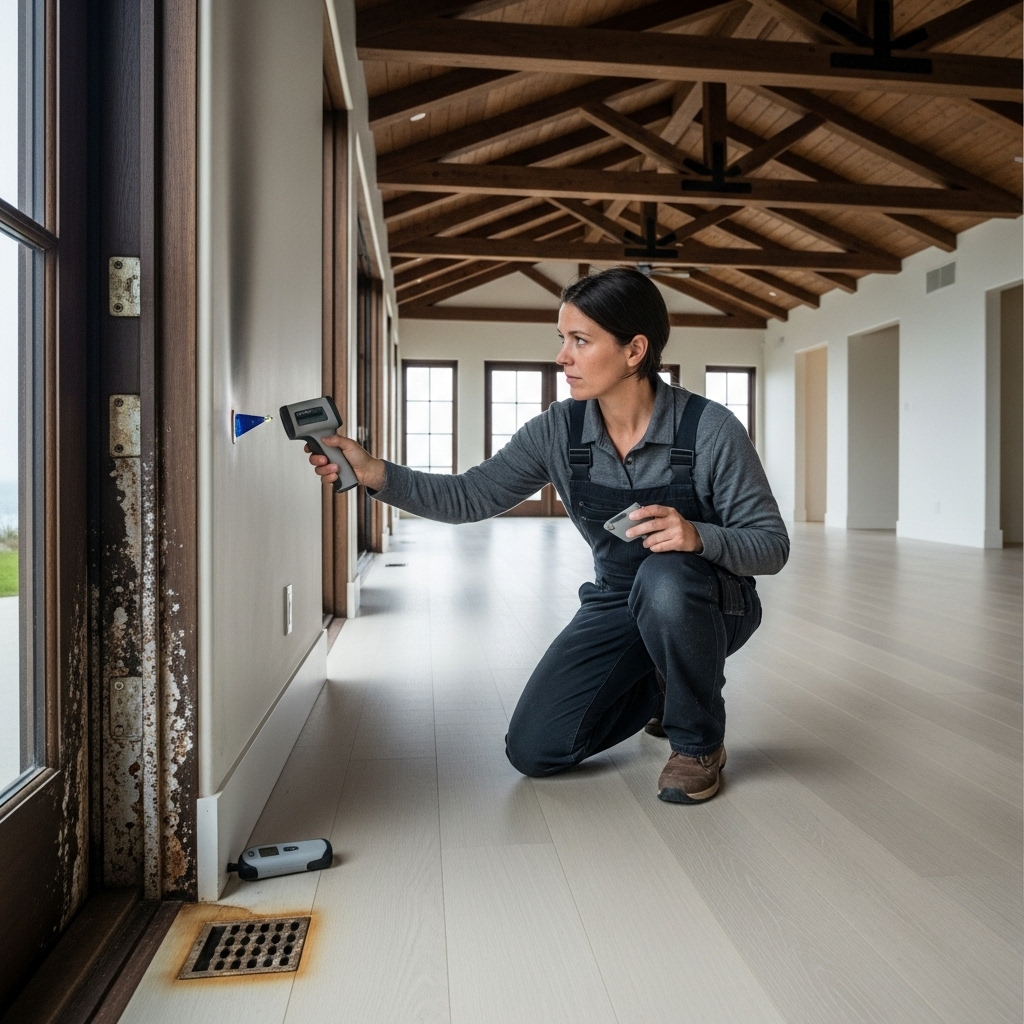
Fire response often brings generous amounts of water, and that moisture can travel along framing, wick into subfloors, and linger in insulation. The result is an invisible problem that reveals itself weeks later as warping or microbial growth. Proper drying begins with detailed moisture mapping, targeted removal of wet materials, and controlled dehumidification that respects Malibu’s coastal humidity. Drying too fast can damage finishes; drying too slowly invites trouble. The balance comes from measurement and experience.
HVAC Contamination and Odor Recurrence
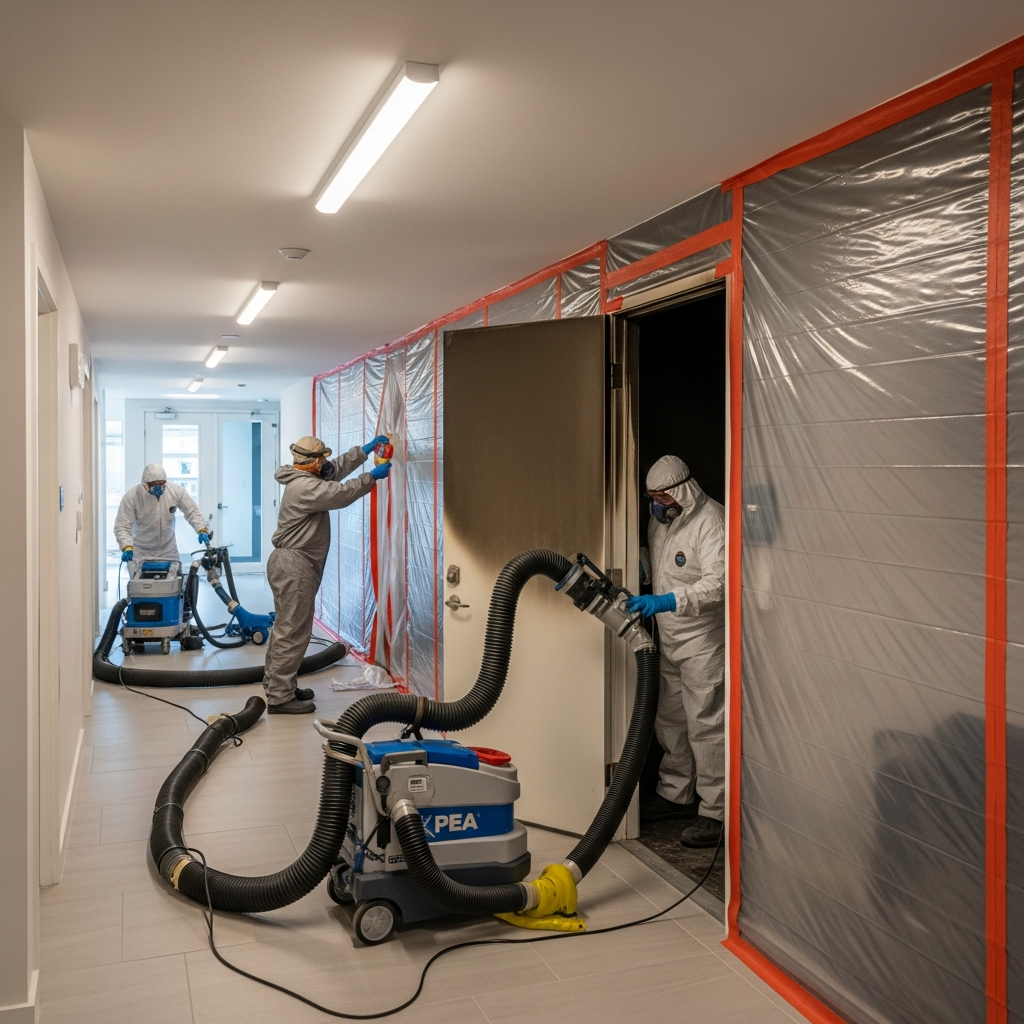
Another issue is HVAC cross-contamination. Even if only part of the home is affected, your system may have run during the event, drawing soot through returns and into ducts and equipment housings. Replacing filters is a start, but it’s not sufficient. Interior components and ductwork require evaluation and, when necessary, professional cleaning to prevent odors from reappearing after you’ve moved back in.
Hidden Soot in Attics and Crawlspaces
Attics and crawlspaces act like lungs for hillside homes, pulling in air and, with it, smoke. These areas are easy to overlook, especially when the visible rooms look restored. In Malibu’s microclimate, neglected soot in these zones can off-gas during warmer afternoons, reintroducing odors through tiny gaps and recessed lights. Comprehensive restoration doesn’t end at eye level; it includes the spaces that breathe for your home.
Material-Specific Cleaning Risks
Not all finishes tolerate the same cleaning chemistry. Handmade tile, lime plaster, oiled hardwoods, and natural-stone counters respond differently to alkaline and solvent-based products. The risk is etching, dulling, or driving contaminants deeper with the wrong approach. Crews that work frequently in Malibu and Encino have a library of tested methods and always begin with spot tests before scaling up. That care preserves value and avoids secondary damage.
Older Homes and Potential Hazard Materials
Malibu has its share of legacy properties, some of which include materials such as lead-based paint or asbestos in older floor tiles, mastics, or insulation. Any disturbance during cleanup must be handled under the proper safety protocols. A qualified team screens for these conditions early to prevent unnecessary exposure and to keep the project compliant with local regulations, avoiding delays that can occur when surprises are discovered midstream.
Permitting and Debris Management
Debris removal, temporary shoring, and partial rebuilds often trigger specific approvals. Knowing how local permitting works—and how to document fire-related conditions for official review—keeps the project moving. Malibu’s terrain can complicate access for dumpsters or equipment; planning around these constraints avoids downtime and neighborhood disruptions.
Art, Heirlooms, and Specialty Contents
Many Malibu homes contain high-value, irreplaceable items. The issue is not just cleaning but stabilizing those pieces promptly and with the right techniques. Temperature, humidity, and light exposure matter in conservation-grade cleaning. A team with a nearby contents facility, often in Encino, can provide climate-controlled treatment and protect items in off-site storage while structural work proceeds, reducing risk and improving outcomes.
Insurance Communication Gaps
Even when coverage is solid, inadequate documentation can slow approvals. The solution is methodical recordkeeping from day one: moisture readings, photo logs, scope narratives, and itemized inventories. Around the midpoint of a project, it’s wise to reassess timelines and adjust plans in writing so expectations stay aligned. This is also a point where engaging professional fire damage restoration pays dividends, because clear reporting narrows the gap between on-site work and the claim’s progression.
Neighboring Properties and Cross-Contamination
Hillside communities share airflow. Even if your structure was spared direct flame, smoke and ash drifting from a nearby property can infiltrate soffits, window assemblies, and under-door thresholds. Coordinated communication with neighbors and their restoration teams can prevent recontamination, especially during demolition or sanding phases when dust can travel.
Long-Term Odor Control Versus Masking
The temptation to use strong fragrances after a fire is real, but masking won’t survive Malibu’s daily temperature swings. True odor control targets the source by removing char, cleaning porous materials effectively, and sealing when appropriate. It’s a measured process guided by odor testing and occupant feedback rather than a quick spritz of perfume in the vents.
Rebuild Decisions That Improve Resilience
When portions of a home require replacement, it’s an opportunity to choose materials and details that resist ember intrusion and are easier to maintain in a coastal setting. Ember-resistant vents, mineral wool in specific assemblies, and fire-rated decking can all be considered without sacrificing design. These upgrades work quietly in the background, tipping the odds your way in the seasons ahead.
Frequently Asked Questions
How soon should I have my HVAC evaluated after a fire?
As early as possible, ideally during initial stabilization. If the system circulated during the event, contaminants may be inside. Early assessment informs whether cleaning or limited replacement is needed and prevents reintroducing odors later.
Why do odors return after I thought everything was cleaned?
Hidden reservoirs—attics, ductwork, porous materials, or contents—may still be off-gassing. Thorough source removal, targeted deodorization, and proper sealing of affected building materials provide lasting results.
Do I need special cleaning for natural stone and hardwood?
Yes. Material-specific methods prevent etching, staining, or driving soot deeper. Spot testing and conservative approaches are best for high-end finishes common in Malibu homes.
What about corrosion on electronics and appliances?
Acidic soot and coastal humidity can accelerate corrosion. Prompt neutralization, controlled drying, and inspection reduce the risk of early failure. Some items can be cleaned and stabilized; others may warrant replacement.
How can I avoid delays with my claim?
Thorough documentation from day one—photos, inventories, readings, and a clear scope—keeps the process moving. Regular updates and mid-project check-ins align expectations among all parties.
Fire recovery is complex, but with the right plan it becomes manageable and predictable. If you want a local team that understands these Malibu-specific issues and tackles them with proven methods, start by engaging experienced fire damage restoration. With careful assessment, precise cleaning, and clear communication, you can protect your home’s character and move forward with confidence.