Looking Ahead: How Fire Restoration Is Evolving in Malibu
Malibu’s relationship with fire and recovery is as old as its chaparral-lined hills. Each season teaches us something new, and the best restoration work adapts right alongside the landscape. In recent years, we’ve seen fast-paced innovation—from smarter diagnostics to cleaner chemistries and better resilience planning—that makes a measurable difference for homeowners. If you’re exploring fire damage restoration in Malibu today, you’ll encounter tools and tactics that didn’t exist a decade ago, all tuned to the realities of salt air, steep canyons, and the stop-start rhythm of our marine layer.
As someone who’s watched projects from Las Flores Canyon to Trancas, I can say the change is tangible. Jobs move faster without cutting corners. Indoor air quality recovers more predictably. Contents once considered a loss now have a path back. And resiliency—the ability of a home to ride out the next wind event or smoky day—has graduated from a tagline to a practical, measurable outcome. These are the trends shaping that progress.
Precision Diagnostics Replace Guesswork
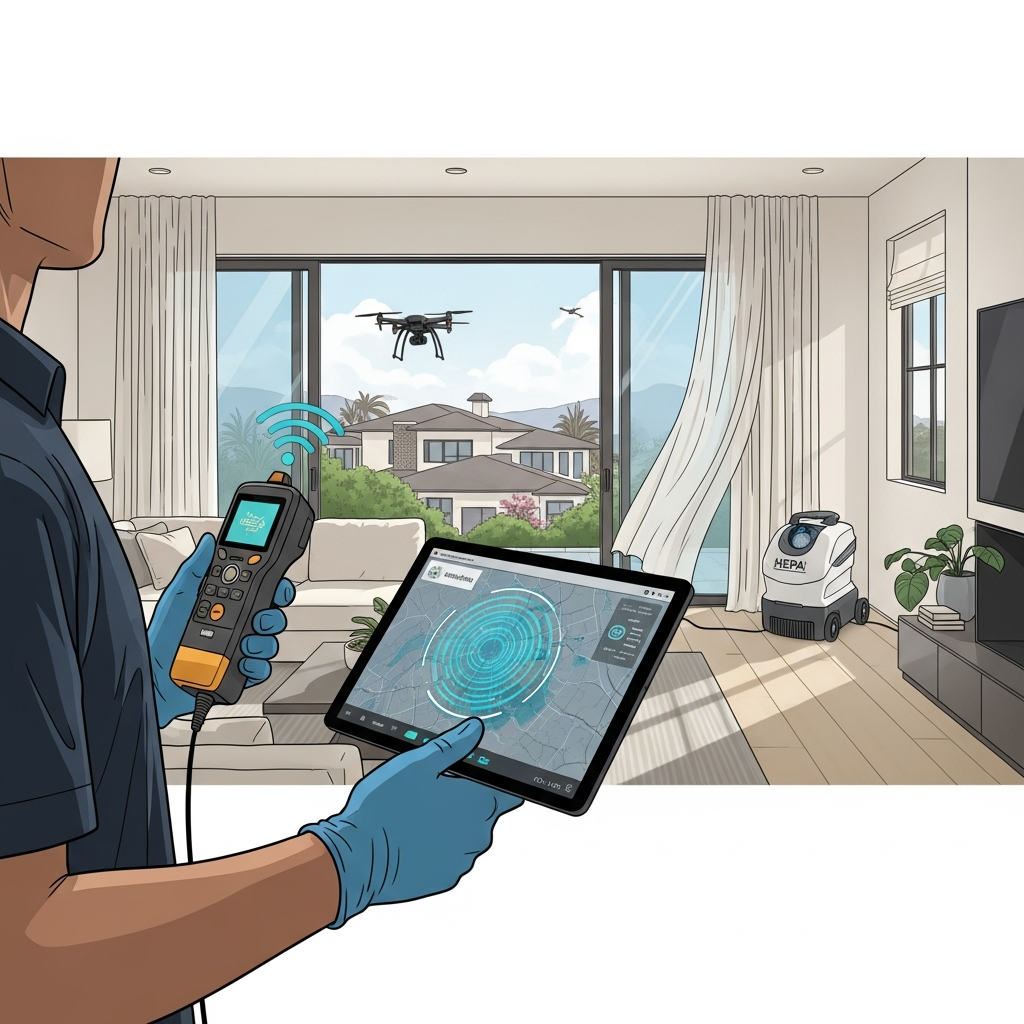
Modern restoration starts with getting the story right. Thermal imaging has become standard, but the latest cameras offer higher sensitivity and on-screen moisture mapping that shortens the time between discovery and action. Handheld particle counters help crews understand air quality in real time and tailor filtration to actual conditions rather than assumptions. Surface testing has grown more sophisticated too, with quick pH and residue-type indicators allowing techs to choose the right cleaning approach for each room. In Malibu’s variable climate, data-driven decisions prevent over-drying on warm, windy days and under-drying when the marine layer rolls back in.
Cleaner Chemistries and Odor Control
Deodorization once leaned heavily on ozone and strong fragrances. Today, hydroxyl generators, plant-derived counteractants, and targeted adsorbents are shifting the approach toward safer, subtler, and more effective options. These methods neutralize odor molecules without leaving a perfumed signature. For sensitive families—common here where wellness is a lifestyle as much as a goal—that means a home that simply returns to neutral rather than smelling like a treatment. On the cleaning side, surfactants and encapsulants have improved, allowing soot to be lifted and locked away without harsh residues that can react with salt-laden air.
Smarter Containment and Airflow Management
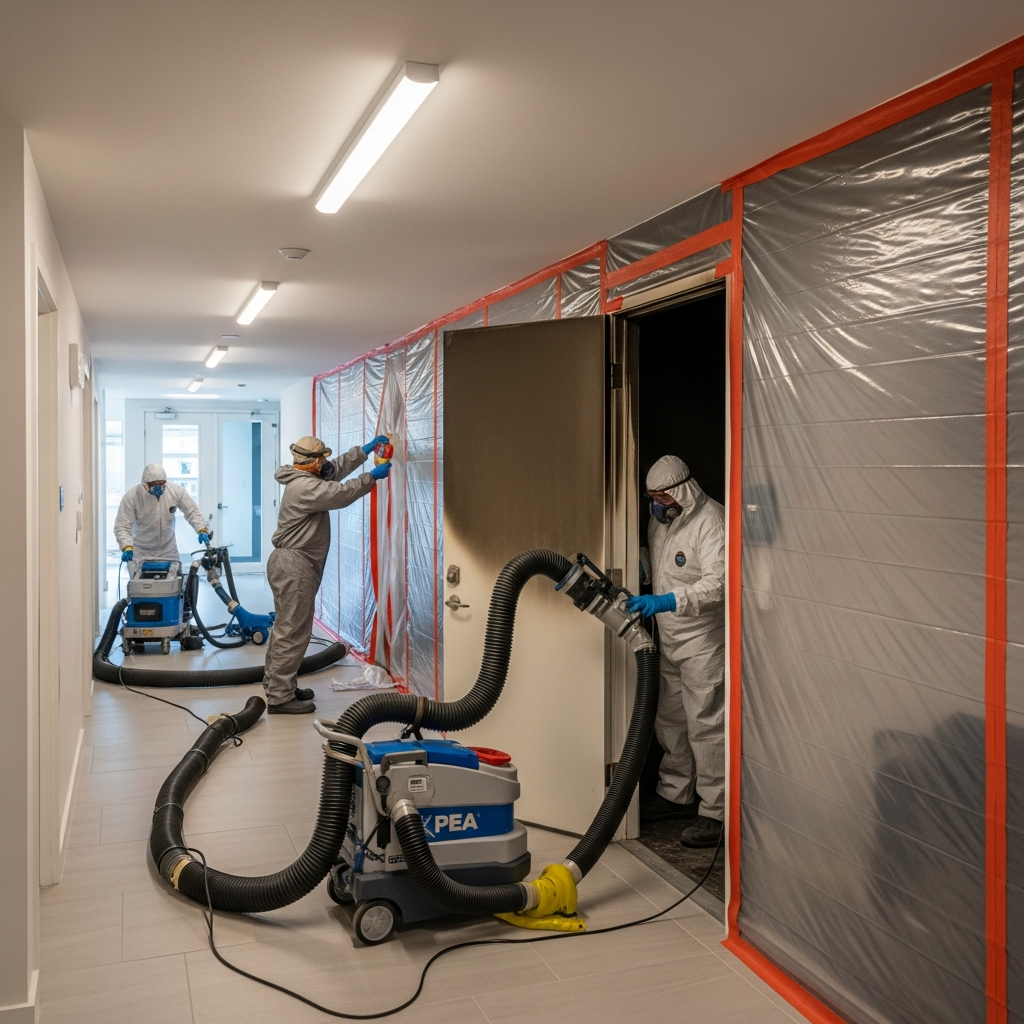
Containment used to mean zip walls and best guesses about where air would travel. Now, negative air calculations consider room volumes, leakage points, and pressure differentials more proactively. HEPA filtration equipment has grown quieter and more efficient, which makes it easier for families to remain on-site during portions of the work without sacrificing effectiveness. Ducted setups can deliver filtered air to targeted zones, and airflow plans adjust as demolition and cleaning phases progress. This smarter handling of air means faster, cleaner projects and fewer odor comebacks as seasons change.
Electronics and Appliance Recovery Advances
Electronics are especially vulnerable in Malibu’s environment, where chloride-accelerated corrosion compounds smoke contamination. Emerging protocols include non-invasive dry cleaning techniques, corrosion inhibitors, and diagnostic bench testing before power-up. More items can be safely recovered, from smart thermostats to audio equipment prized by many local households. Documenting the chain of custody and condition has improved as well, aligning with insurer expectations and helping homeowners make informed decisions about what to save and what to replace.
Contents Restoration Goes High-Tech
From ultrasonic cleaning to controlled drying chambers with precise humidity and temperature control, contents care has leapt forward. Delicate textiles benefit from low-residue detergents and pH-balanced rinses. Framed art can often be saved with targeted soot removal and frame restoration, while documents and books—once automatic discards—see better outcomes through vacuum freeze drying and careful flattening. In a place like Malibu, where meaningful possessions often include coastal-influenced materials and finishes, these methods widen the circle of what is possible to restore.
Data-Driven Project Management
Restoration has always had a logistical side, but software has brought a new clarity to scheduling, scoping, and communication. Moisture logs sync to project dashboards. Photos, equipment run times, and air quality snapshots live in a single place. Homeowners see progress in real time, adjust priorities, and receive updates without having to chase them. Adjusters appreciate standardized documentation that speaks their language. The upshot is momentum—projects stay on track through the long middle where small delays can add up if you’re not careful.
Resilience Planning Built Into the Work
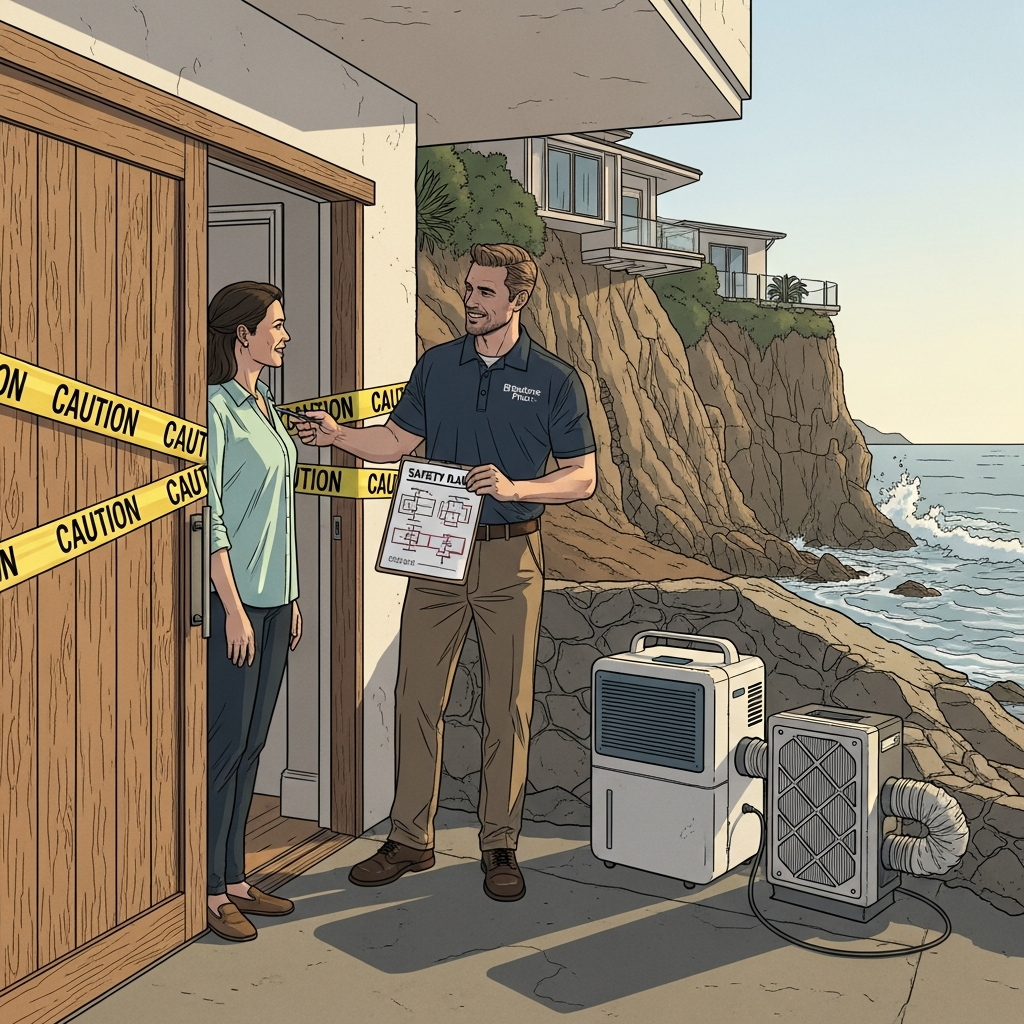
Perhaps the most Malibu-specific trend is weaving resilience into restoration itself. As crews identify ember entry points, they recommend screening upgrades and attic improvements. When they see how smoke traveled, they propose sealing strategies and HVAC upgrades that prevent repeat issues. Gutters get attention not just for cleaning but for ember-resistant guards. Landscaping advice supports defensible space without sacrificing the look you love. The restoration becomes a rehearsal for readiness, and the home emerges stronger for the next red flag day.
Material Choices With the Coast in Mind
Trends in finish materials increasingly consider both fire behavior and corrosion resistance. Metal fixtures with better coatings, wiring devices with tighter tolerances, and paints that tolerate gentle soot cleaning without flashing are all gaining ground. Where rebuilds occur, sheathing choices and vent designs lean toward products tested for ember resistance. Indoors, lower-VOC materials aid post-restoration air quality, and some surface treatments resist future soot adhesion, making any future cleaning faster and less invasive.
Sensor Tech and Ongoing Air Quality Awareness
Homeowners now adopt indoor air quality monitors to keep tabs on particulates and VOCs after restoration. These compact devices provide peace of mind and help confirm that cleaning and deodorization did their job. They also alert families when regional smoke events drift over the coast, prompting temporary precautions. The trend is less about gadgetry and more about awareness—knowing your baseline, catching anomalies early, and maintaining a home that supports health.
Community Coordination and Rapid Mobilization
After wider wildfire events, the ability to scale matters. Restoration firms refine response plans, pre-stage equipment, and build mutual aid networks so neighborhoods can be stabilized quickly without sacrificing standards. In Malibu, where road access can be constrained and inspections stack up, this readiness shortens displacement and helps communities reclaim normal rhythms faster. Coordination with utility providers and permit offices has improved, smoothing the path through the most bureaucratic parts of recovery.
Education as Part of the Service
Another emerging trend is simple but powerful: teach as you restore. Technicians explain why certain walls can be cleaned while others must be opened, how drying targets are set, and what deodorization methods are doing at a molecular level. That knowledge follows homeowners long after crews leave. It enhances maintenance routines and supports smarter decisions during smoky days or minor incidents. In a town that values informed, hands-on living, education turns a stressful episode into a learning experience with lasting benefits.
Mid-Project Course Corrections With Confidence
Older approaches often stuck with a plan even when conditions changed. With better diagnostics and communication, crews now adjust confidently in the middle: increasing air changes per hour, swapping containment strategies, or revising cleaning agents as test results dictate. For homeowners, this means fewer surprises and a sense that the project is responsive rather than rigid. In Malibu’s changeable weather, adaptability is a winning strategy.
What This Means for Malibu Homeowners
All these trends—smarter tools, cleaner chemistries, resilience thinking—add up to a restoration experience that is safer, faster, and more transparent. You breathe easier sooner. You save items you thought were lost. You understand the why behind the work, and you carry that knowledge into the next season. Most importantly, your home emerges not just restored, but improved. If you’re planning Malibu fire damage restoration, ask providers how they implement these advancements day to day. The answers tell you a lot about the experience you’ll have.
Frequently Asked Questions
Are hydroxyl generators replacing ozone for odor removal?
Hydroxyl technology has grown popular because it neutralizes odors without the harsher byproducts and access restrictions associated with ozone. While ozone still has specific applications, hydroxyl offers a gentler, effective option for occupied spaces, which suits many Malibu households during extended projects.
Can drones or remote cameras help assess roof and vent damage?
Yes. Drones and pole-mounted cameras let crews inspect roofs, chimney caps, and vents quickly and safely, especially after wind events. High-resolution images guide decisions about temporary repairs, vent screening, and ember intrusion points without unnecessary ladder time or roof traffic.
What’s new in contents restoration that really works?
Ultrasonic cleaning with refined detergents, controlled drying for books and documents, and better frame and textile treatments have changed the game. Items once presumed lost now have a far better chance of recovery when handled promptly and matched to the right process.
How does software actually help my project?
Project platforms centralize photos, moisture readings, equipment logs, and approvals. You get clear timelines, fewer communication gaps, and documentation that aligns with insurers and inspectors. This keeps momentum steady through the middle phases when progress can feel less visible.
What resilience upgrades make the most difference in Malibu?
Ember-resistant venting and screens, sealed eaves and soffits, improved attic compartmentalization, and gutter guards designed for ember exclusion are standouts. Indoors, HVAC filtration upgrades and strategic sealing around penetrations reduce smoke infiltration during regional events.
Are there greener cleaning options that still work?
Yes. Many restorers now use lower-toxicity agents, plant-based counteractants, and methods that minimize water and energy use without sacrificing efficacy. Paired with HEPA filtration and smart containment, these options deliver healthy results that match Malibu’s environmental values.
How can I tell if a provider really uses these innovations?
Ask for specifics: the model of their particle counters, how they calculate negative air, what deodorization methods they prefer and why, and how they document progress. Clear, confident answers indicate real adoption rather than buzzwords.
Make Tomorrow’s Restoration Today
If a fire has touched your home—or you simply want to be ready—the newest tools and practices can make all the difference. Choose a team that brings innovation and local experience together for fire damage restoration in Malibu, and step into a recovery that’s faster, healthier, and built for the coast we call home.