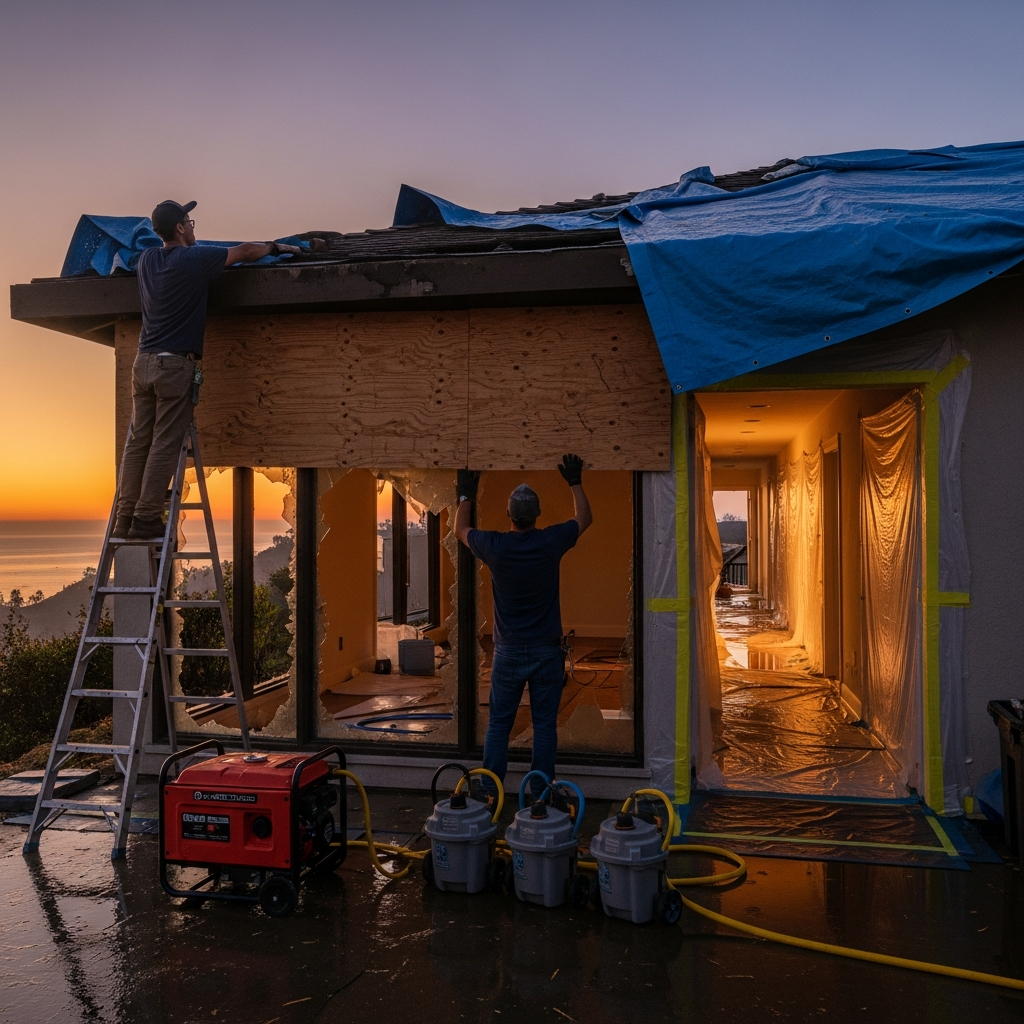
Emergencies in Malibu have a rhythm all their own. A simple spark can lead to fast-moving flames driven by canyon winds, and then, suddenly, an entire neighborhood is moving through a maze of responders, road closures, and anxious moments. When the sirens fade and the last hose is rolled, what happens next determines how gracefully a family, a business, or a community recovers. Emergency fire damage restoration is about speed with precision—boarding broken windows before onshore winds push ash deeper inside, tarping open roofs ahead of a surprise marine layer, and removing water and soot before they settle into a long-term problem. I have stood on driveways above the Pacific at dawn, felt the salty air, and watched crews stabilize properties with calm purpose so that the real work of recovery can begin.
The choices made in the first hours are pivotal. A prompt, experienced team can secure the structure, halt corrosion, and prevent cross-contamination before daybreak. For Malibu residents, that means a response plan that respects our landscape—tight canyon roads, PCH traffic, and diverse architectural styles from beach cottages to cliffside estates. When you reach out for specialized help, prioritize experts deeply versed in fire damage restoration in Malibu, because local familiarity shortens delays, anticipates obstacles, and keeps the process moving forward even when conditions are unpredictable.
First Arrival: Safety, Stabilization, and Strategy
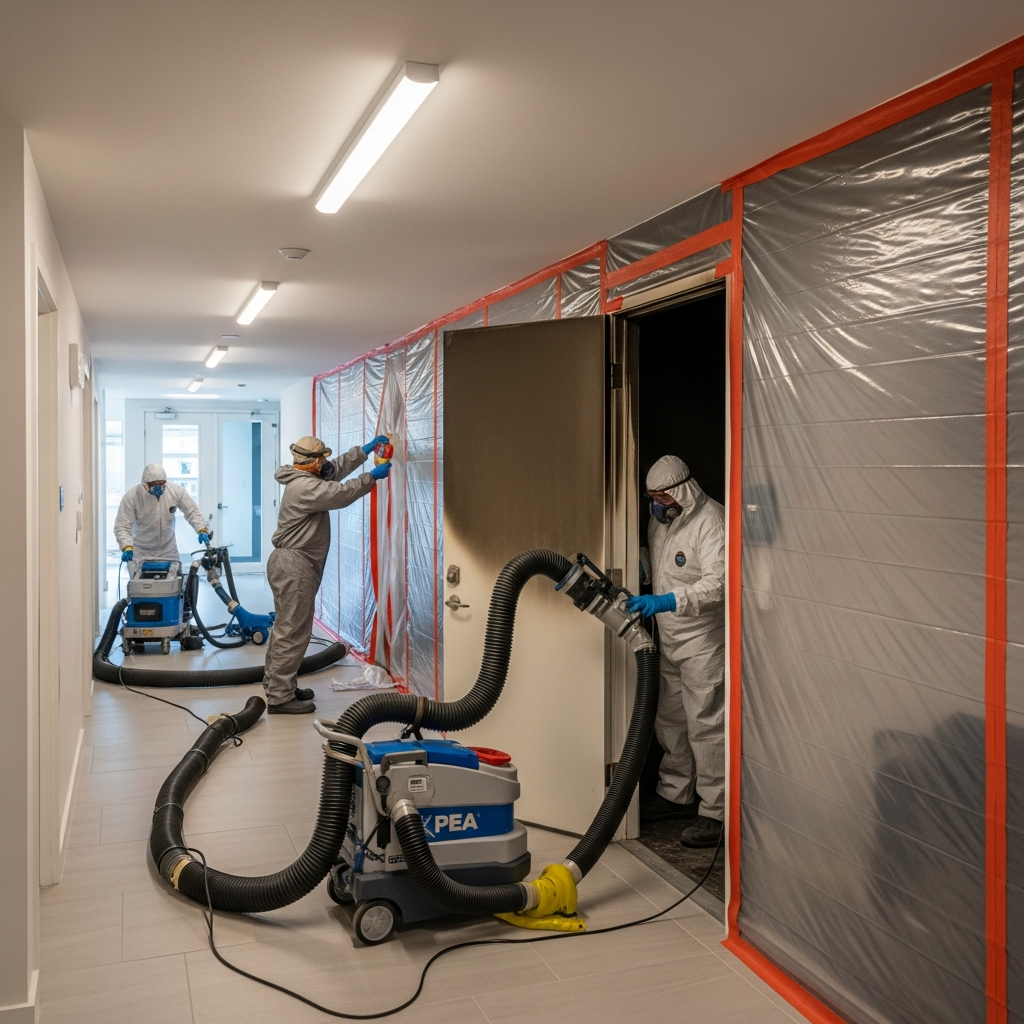
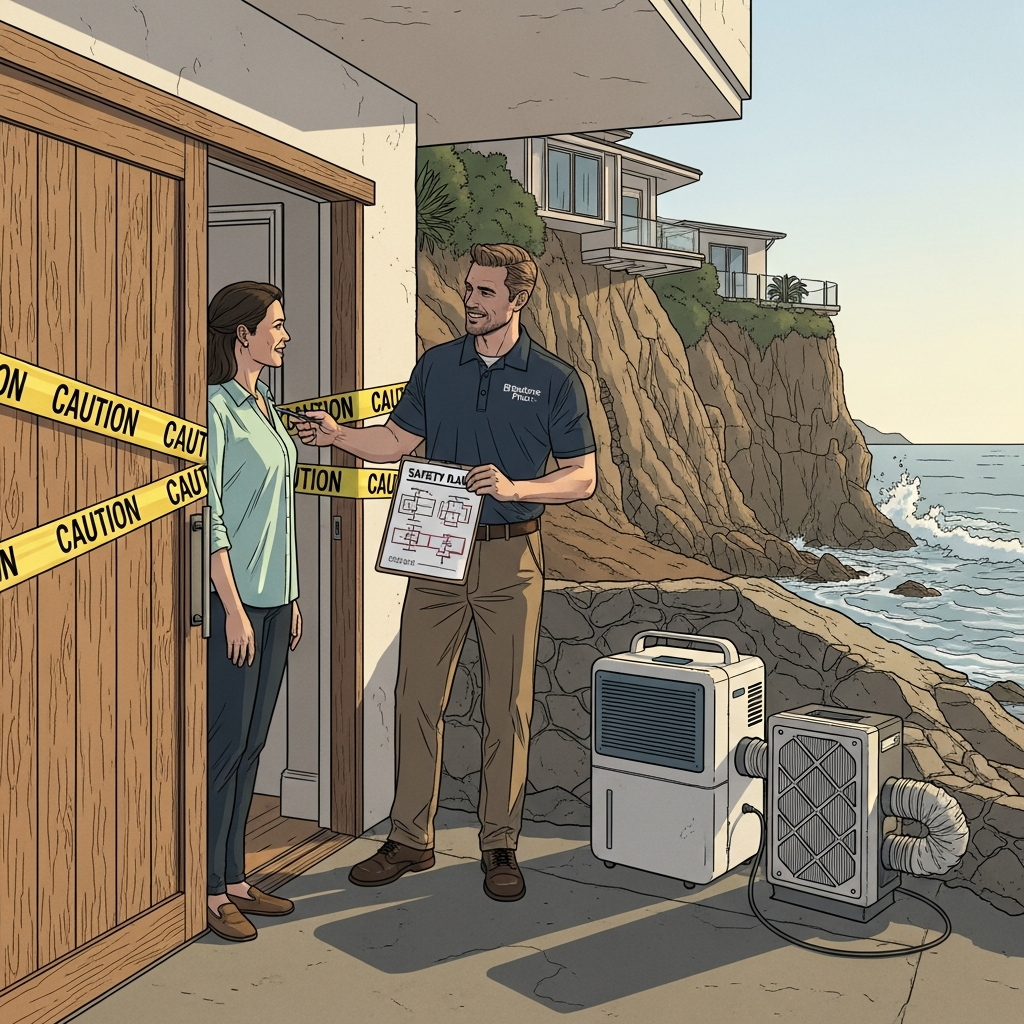
Emergency restoration begins with safety. Structural assessments determine whether entry is secure, and utilities are addressed to prevent secondary hazards. If water is present from firefighting, extraction commences immediately, followed by strategic drying. Malibu’s climate complicates this step; cool coastal mornings and sudden wind shifts can force changes to the drying plan hour by hour. Containment barriers help segment the home, protecting unaffected spaces while crews work. Once entry points are secured with board-ups and roofs are made weather-tight with tarps, attention turns to interior priorities—debris removal, soot control, and preserving sentimental or high-value contents.
Communication is as critical as any tool. A clear plan, posted visibly and reviewed with the homeowner, sets expectations and lowers stress. It outlines what will happen in the next twelve hours, then the next day, then the first week. When the process is transparent, a chaotic event turns into a defined project with milestones you can count on. In Malibu’s interconnected community, that clarity not only reassures families but also helps neighbors, property managers, and insurers work together toward shared goals.
The Difference Between Speed and Haste
There is a gap between moving fast and moving smart. Haste tries to clean everything at once; speed, executed by a trained team, targets the moves that matter most early on. Dry soot is lifted before any wet method touches it, preventing stains from setting into paint and textiles. HVAC systems are shut down to halt distribution of particulates, then inspected before being brought back online. Sensitive surfaces—brushed metals, natural stone, and custom millwork—are protected from corrosive residues, and electronics are stabilized to reduce the risk of smoke-induced failure. The aim is to create momentum without introducing new problems.
Equally important is understanding where not to intervene yet. Some materials benefit from waiting until the structure is dry or until test patches confirm the ideal cleaning chemistry. Rushing to repaint can trap odor; scrubbing glass with the wrong product can haze it permanently. The best emergency work uses restraint strategically, paving the way for efficient, high-quality results during the main restoration phase.
Water, Soot, and Time: Managing the Trio
Fire restoration after an emergency almost always means dealing with water. The faster it leaves, the less secondary damage takes hold. In Malibu’s layered microclimates, dehumidification plans balance outdoor air with indoor conditions so that drying is steady. Moisture mapping identifies wet cavities, subfloors, and insulation that would otherwise linger unnoticed. Meanwhile, soot is captured with HEPA vacuums and specialized wipes, and negative air machines maintain directional airflow. By controlling air movement, technicians prevent dirty zones from seeding clean ones, a common pitfall when adrenaline and good intentions collide without a plan.
Contents shift from risk to safety through deliberate triage. Irreplaceables—documents, photos, cherished artwork, and instruments—are logged, stabilized, and, if needed, moved to a clean holding area. This minimizes the emotional toll while protecting value. The day will come to sort everything carefully, but the emergency window is for swift, protective action that limits loss and buys time for thoughtful decisions.
Working Alongside First Responders and the Community
Emergency restoration in Malibu is a partnership with firefighters, law enforcement, and utility crews. Respecting their space and protocols ensures a smooth handoff. It also prevents well-meaning efforts from interfering with safety operations. As neighborhoods reopen, we coordinate with property managers, HOAs, and neighbors to share information that benefits everyone—whether that is a reminder about temporary road closures or advice on keeping windows shut during certain cleanup phases to prevent ash from reentering freshly cleaned interiors. When each party plays its role, recovery accelerates for the entire street.
Malibu Architecture: Why Local Experience Matters
Malibu’s homes range from intimate beachfront cottages to steel-and-glass contemporary residences and ranch-style retreats tucked into the canyons. Each presents unique emergency considerations. Oceanfront properties can see salt-laden air intensify corrosion risks on fixtures and appliances immediately after a fire event. Homes on steep slopes often have limited access for large equipment, demanding creative staging. Elevator shafts, skylight wells, and high clerestories act like chimneys for smoke, distributing fine particulate into unexpected corners. Local experience means knowing these patterns instinctively and preventing problems before they appear.
Material selection matters, too. Natural stone requires careful pH-balanced cleaning agents; hand-rubbed finishes on wood cabinetry need gentle products that do not lift color. Even how Malibu homes ventilate—stack effect in tall spaces, cross-breezes by design—guides containment placement and air handling. A crew that understands these design choices can stabilize faster and clean more thoroughly because they are not discovering the home’s quirks on the fly.
The Midpoint Check: What Progress Should Look Like
By the time an emergency project transitions into sustained restoration, several markers should be in place. The structure should be secure and weather-tight. Water extraction complete and active drying underway, with measurable reductions in moisture content daily. Primary soot removal executed, especially from high-traffic areas and sensitive finishes. HVAC evaluated and either isolated or on track for cleaning. Contents stabilized and documented. Most importantly, the property should already feel calmer—air clearer, surfaces less tacky, and odors reduced rather than swirling back each time doors and windows close. When those markers are visible, momentum is on your side.
At this stage, homeowners often look for guidance about next steps and long-term outcomes. This is the right moment to align expectations, prioritize spaces that matter most to your routine, and consider any improvements—like filtration upgrades or material selections—that will add resilience for the future. For many families, working with a team steeped in fire damage restoration in Malibu ensures that recommendations fit the local climate and lifestyle rather than a generic checklist.
From Emergency to Renewal
Emergency fire restoration is not an isolated service; it is the first chapter of a full recovery. Once stabilization is complete, deeper cleaning, deodorization, and, when needed, selective rebuilding can proceed efficiently. Odors yield to layered strategies that address both surfaces and hidden cavities. Detailed cleaning brings back clarity to glass, brightness to paint, and a sense of normalcy in lived-in rooms. If structural repairs are required, careful sequencing prevents recontamination and keeps the indoor environment healthy while trades rotate through. Each day should feel like a step forward, never sideways.
Insurance and Documentation Without Drama
Emergencies are stressful; paperwork should not add to the strain. Clear, time-stamped photos, moisture readings, and written assessments help adjusters see why the first actions were urgent and justified. Malibu’s higher-end finishes and unique designs often need extra context—manufacturer guidance, maintenance protocols, and cleaning tolerances—to support decisions. A transparent process with open communication builds trust and keeps approvals moving so the project never idles while you wait for answers.
Aftercare and Future Preparedness
When the dust settles—literally and figuratively—there is a chance to learn and strengthen. Improving filtration, sealing vulnerable gaps in attics or crawl spaces, and tuning HVAC performance for local conditions can all pay dividends. Families often create simple emergency kits tailored to smoke events, including protective coverings for key furnishings and a plan for quickly isolating zones of the home if distant wildfire smoke drifts our way. Preparedness is empowerment, and it transforms the memory of a difficult week into a story of resilience.
Frequently Asked Questions
What should I do immediately after a fire when the property is released?
Prioritize safety and stabilization. Shut down HVAC to prevent spreading soot, avoid touching sooty surfaces to keep from setting stains, and allow professionals to establish containment and extract water. Early, targeted actions prevent a short emergency from turning into a long, complicated restoration.
How quickly can a crew arrive in Malibu for emergency services?
Response times vary with conditions and access, but established local teams design coverage specifically for Malibu’s geography. They plan around PCH traffic and canyon routes to arrive as quickly as safely possible, often initiating board-ups, tarps, and extraction within hours of the call.
Can I start cleaning right away on my own?
Light, dry vacuuming with the right filtration can help, but aggressive scrubbing or using the wrong products can set stains and make odors worse. It is best to let trained technicians test surfaces and choose appropriate methods, especially on delicate finishes and electronics.
Will emergency work disrupt my neighbors?
Professional crews stage thoughtfully to minimize noise and traffic. They coordinate parking, keep pathways clear, and manage airflow so soot and odors are contained. Communication with neighbors and property managers reduces friction and helps the whole block recover together.
How do you prevent odors from coming back?
By removing source residues, not masking them. Early capture of dry soot, thorough structural cleaning, cavity-focused deodorization, and targeted sealing where appropriate keep odor molecules from lingering or reemerging when the home closes up.
What if rain is in the forecast?
Emergency teams in Malibu plan for weather pivots. Securing the roof with heavy-duty tarps, sealing openings, and coordinating interior drying steps ensure progress continues. Marine layers and coastal fog are accounted for in equipment placement and schedules.
Will my insurance cover emergency restoration?
Policies differ, but insurers generally recognize that emergency measures prevent greater loss. Clear documentation of conditions and actions taken supports approvals. Your restoration partner will provide thorough records to facilitate the claim.
When you need decisive help in the middle of uncertainty, choose a team that pairs urgency with craftsmanship and understands the coast, the canyons, and the cadence of life here. Begin your recovery confidently with expert fire damage restoration in Malibu, and let your home return to a place of calm, clean air, and comfort.