In Malibu, emergencies rarely schedule themselves. A wind-driven ember finds a cedar shingle, a tripped breaker sparks in an attic void, or a cooking flare-up triggers sprinklers minutes before guests arrive. In those moments, minutes matter. The difference between a contained event and a cascading loss is often the speed and sequence of the first response. Emergency fire damage restoration is not a single service; it is a chain of actions—stabilize, secure, dry, clean, and plan—that preserves options for tomorrow. If you are reading this in the first hours after an incident, start with safety and then lean on local expertise. For a grounded overview of what comes next, many Malibu homeowners turn to trusted guides on fire damage restoration to orient their next steps.
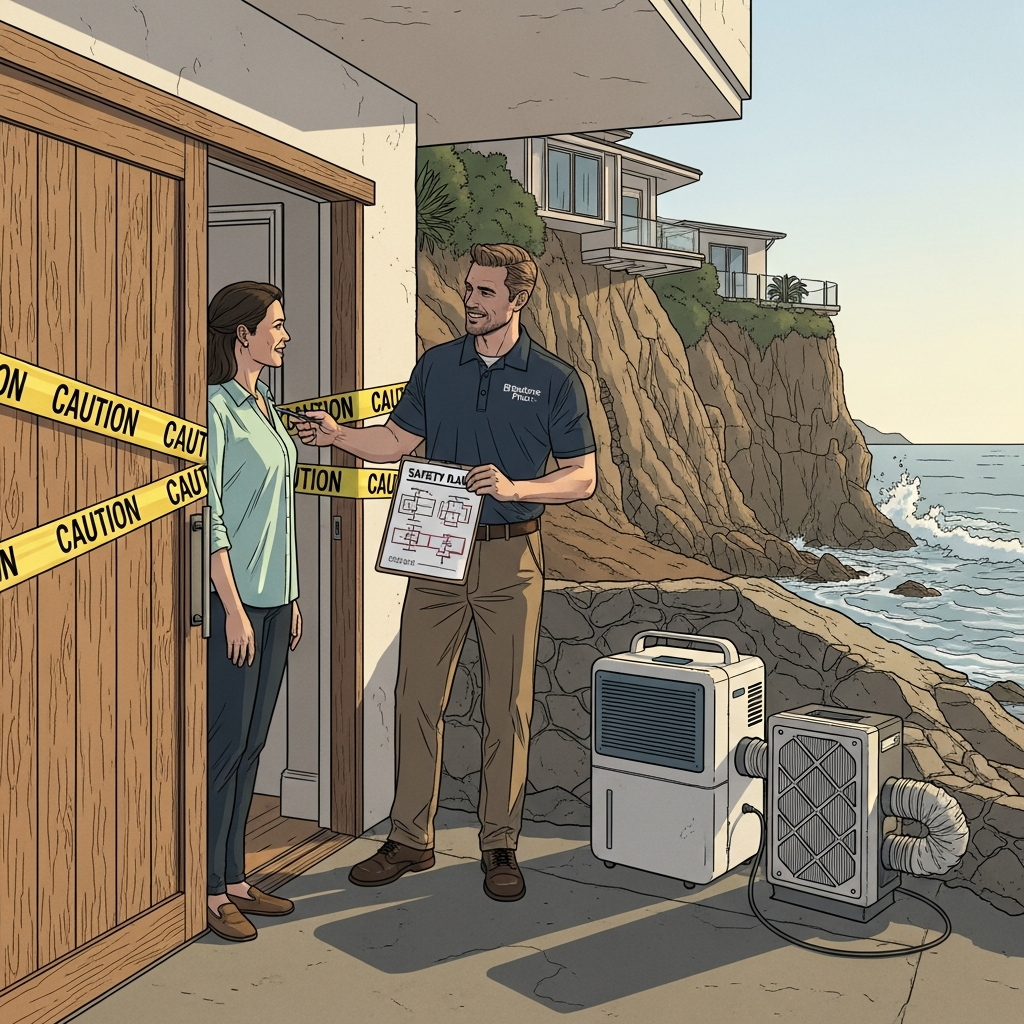
Malibu’s geography raises the stakes. Pacific Coast Highway can bottleneck, canyon roads twist and narrow, and onshore winds shift quickly. Emergency crews must navigate access while protecting neighboring properties from secondary impacts—loose debris, unsecured glazing, and drifting soot. That is why a practiced response begins with a fast, realistic site assessment: What is structurally sound? Where is moisture moving? Which openings must be secured right now? What utilities should be shut off? With those answers in hand, a team can sequence work that stops the spread and buys time for thoughtful decisions.
First priorities: safety and stabilization
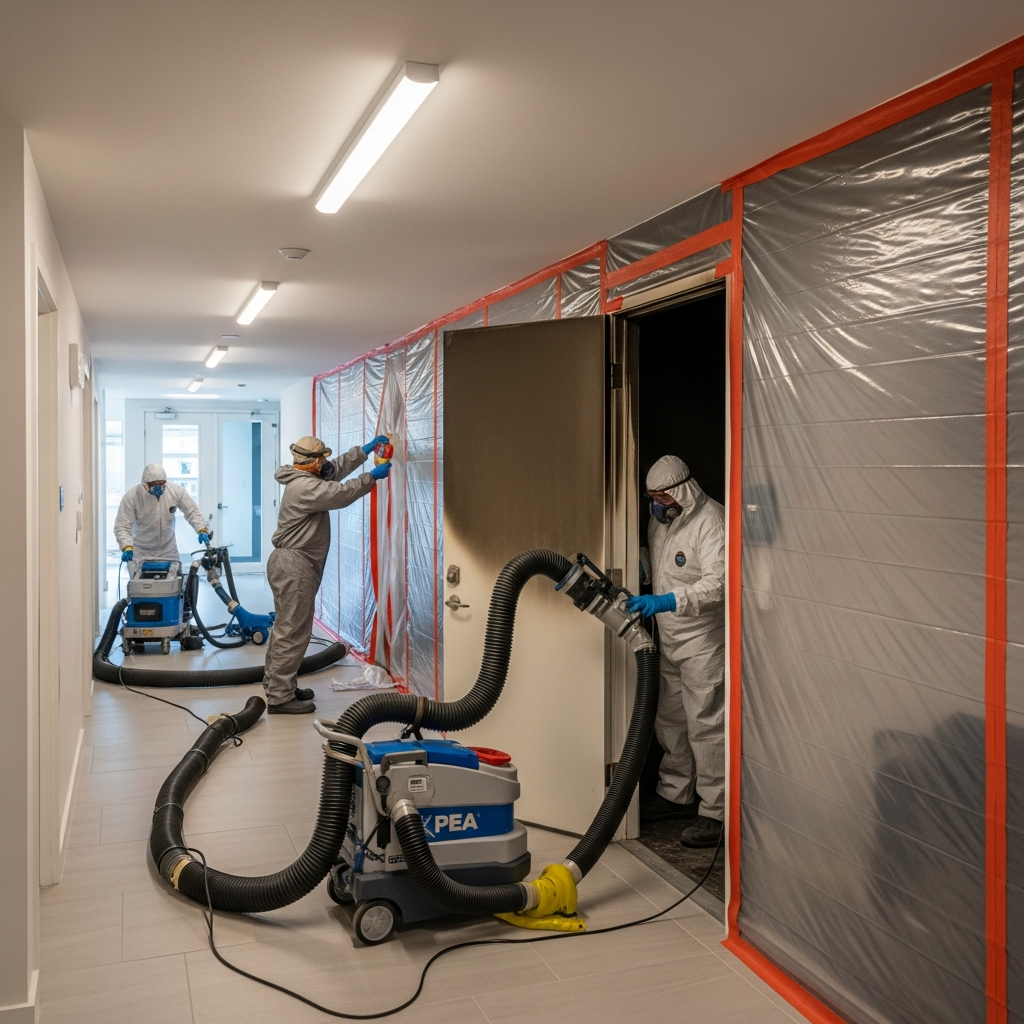
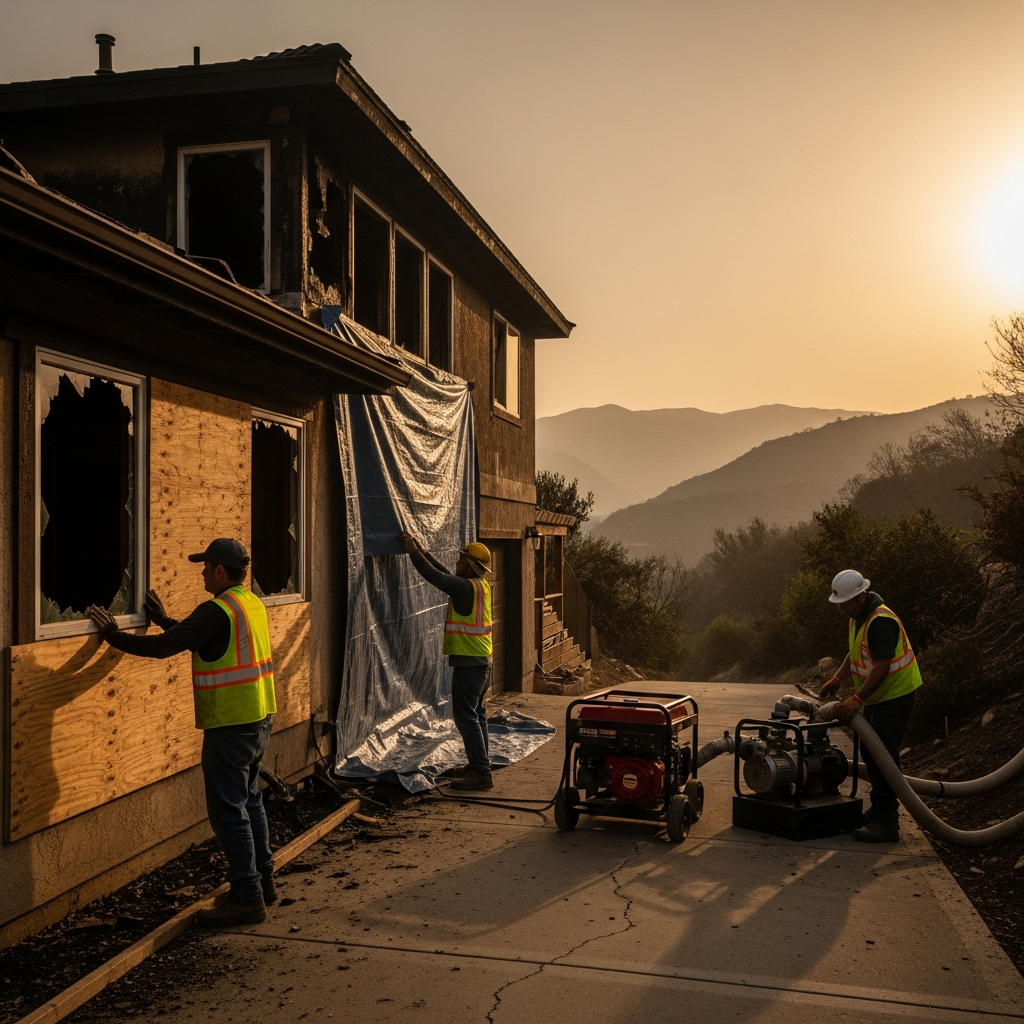
Life safety comes first. Confirm everyone is out, account for pets, and coordinate with fire authorities. Once cleared for re-entry, professionals evaluate structural integrity: char depth on framing, roof damage that could allow intrusion, and electrical hazards. They board or glaze broken windows, tarp compromised roof sections, and install containment to separate affected from unaffected areas. In Malibu’s canyons, containment is not just interior plastic; it is also planful site staging so that wind gusts don’t carry ash into neighbors’ yards or back into your freshly cleaned rooms.
Moisture is the next invisible threat. Firefighting water and sprinkler discharge can migrate under plates and into wall cavities. Thermal imaging identifies wet zones, and extraction starts immediately. Drying is not about blasting air; it is about controlling temperature, humidity, and airflow to move moisture to where it can be removed without driving residues deeper. Electronics, instruments, and art are triaged quickly—moved to dry, clean zones or packed for offsite care.
Securing contents and information
During emergencies, small decisions compound. A good team inventories essential items first—medications, identification, critical documents—and sets aside clean pathways so families can retrieve what they need without tracking soot into safe rooms. Salvageable contents are carefully packed and labeled; unsalvageable items are documented with photos before disposal. This discipline keeps insurance documentation smooth and helps homeowners feel in control amid chaos.
Communication is its own form of stabilization. Daily updates, texted photos, and a clear point of contact reduce anxiety and speed approvals for time-sensitive steps. In Malibu, where neighbors share narrow roads and tight driveways, crews also coordinate parking, bin placement, and working hours to maintain goodwill and avoid delays.
Cleaning strategies under emergency timelines
Emergency cleaning focuses on risks that worsen with time: acidic residues on metals and glass, moisture in wood assemblies, and soot in return air pathways. Technicians start with dry removal to prevent smearing, then move to wet cleaning as materials allow. They prioritize kitchens, baths, and sleeping areas so homes can be partially habitable even while broader work continues. For homes with infants, elders, or sensitive occupants, additional air filtration and cleaning cycles may be added to minimize irritants during the first week.
Odor control begins early but never replaces source removal. Light hydroxyl treatment can run in occupied zones, while sealed areas may receive more robust deodorization once cleaning is underway. Exterior surfaces—decks, railings, and stucco—are cleaned with methods that lift residues without forcing them into pores, setting the stage for longer-term finishing decisions.
Coordination with utilities, inspectors, and insurers
In an emergency, the shortest path is often the one that is best coordinated. Crews communicate with utility providers to confirm safe power and gas conditions and to schedule meter pulls or re-energization when needed. Inspectors are engaged early if structural elements were compromised. For insurance, time-stamped photos and moisture logs document the need for immediate measures—board-ups, tarps, extraction, and filtration—so approvals are straightforward. Malibu’s terrain and traffic mean that staging and sequencing are as important as techniques; a seasoned team prevents wasted trips and missed weather windows.
When exterior work is involved, attention to runoff and debris containment prevents environmental issues. Covered bins, timely pickups, and secured tarps keep ash and demolition fragments from traveling, which protects neighbors and avoids repeat cleaning of freshly stabilized zones. Even in the rush, professionalism shows up in these details.
Planning the transition from emergency to full restoration
The emergency phase should create a clean handoff into full remediation and repair. That transition includes a written scope that summarizes findings, material tests, surface-by-surface cleaning plans, and preliminary reconstruction needs. For Malibu homes with custom finishes, mock-ups and sample boards can demonstrate expected outcomes before large areas are treated. Owners who feel overwhelmed often pause at this stage to revisit best-practice resources on fire damage restoration so that longer-term choices align with both science and personal priorities.
Timeline transparency is key. Some work can run in parallel—contents processing while structural drying continues, for instance—while other tasks must follow in sequence. Permitting, lead times for bespoke materials, and inspector availability all influence duration. A good plan names critical path items so families can plan for temporary housing, work-from-home realities, or staggered room availability.
Why local experience matters in Malibu
Local crews know the microclimates: morning marine layers, afternoon winds, and how those cycles impact drying, odor, and logistics. They also know the neighborhoods—where parking is limited, which streets back up during PCH closures, and how to be good neighbors during noisy or dusty phases. Relationships with local adjusters, building officials, and specialty vendors—glass, stone, millwork—save time and reduce friction. Perhaps most importantly, local teams have seen Malibu’s blend of architecture and materials before, so they know when to test twice and act once.
Emergency work is as much about people as it is about buildings. Families are displaced, routines are disrupted, and the house that once felt like refuge can feel foreign. A thoughtful team restores not just surfaces but trust by explaining options, offering choices, and staying calm when surprises appear behind walls. That steadiness is part of what you hire when you choose a professional emergency response.
Frequently asked questions
What should I do first after a fire incident?
Ensure everyone is safe and call emergency services if you have not already. Do not re-enter until authorities say it is safe. Once cleared, contact a restoration firm to secure openings, shut down unsafe utilities, begin moisture control, and set containment to prevent further spread of soot and odor.
Can I turn on the HVAC to clear the air?
It is better to leave the system off until evaluated. Running it too soon can distribute soot throughout the house. A professional will inspect returns, replace filters, and advise on duct cleaning or sealing before restarting.
How fast can a crew arrive in Malibu?
Response times depend on access and active incidents, but established local teams maintain 24/7 coverage and stage equipment in or near the community during high-risk periods. Early calls improve scheduling and allow crews to plan around traffic, parking, and weather.
Is everything that smells smoky a total loss?
No. Many items can be cleaned successfully if treated promptly with appropriate methods. Porous items and electronics are time-sensitive; quick triage improves outcomes. Documentation of non-salvageable items happens in parallel to keep your claim organized.
Will deodorization alone fix the problem?
Odor treatments help, but they cannot replace source removal and thorough cleaning. Effective deodorization follows cleaning and drying. When hidden cavities or insulation are involved, selective removal and sealing are often required for lasting results.
Can we stay in the home during emergency work?
Sometimes, with containment and air filtration creating clean zones. For significant damage or sensitive occupants, temporary lodging may be safer and more comfortable. Your restorer will help you weigh health, privacy, and project speed in making that call.
How long does the emergency phase last?
Typically, the emergency phase spans days, not weeks, covering board-ups, tarps, extraction, initial cleaning, and planning. The full restoration can take longer based on materials and inspections. A clear scope ensures momentum and informed decisions.
Emergencies are disorienting, but the right first steps restore control quickly: make the site safe, stop the spread, protect what matters most, and set a plan you can trust. If you need help sorting priorities and scheduling the next move, connect with a Malibu-focused team and start with a clear path forward. To speak with a local professional or request an immediate walkthrough, explore your options for fire damage restoration and get help on the way now.