When Every Minute Matters in Malibu
Fires don’t observe calendars or convenience, and along our Malibu coastline, they can move with startling speed. The combination of canyon winds, rugged terrain, and homes that embrace indoor-outdoor living makes for beautiful days and complicated fire behavior. When the flames are out, the clock starts on preventing secondary damage. As someone who’s walked through still-warm doorways and stood with families during those first disorienting hours, I can tell you that an organized response is the difference between a long, chaotic recovery and a steady return to normalcy. If you’re in the crucial early window, it helps to understand the immediate steps associated with fire damage restoration in Malibu so you can act decisively and protect what matters most.
Emergency restoration in Malibu is about safety and stabilization first. You’re dealing with structures that may be compromised, utilities that may be unsafe to operate, and soot and ash that behave differently in our coastal humidity. The best teams move quickly to secure the site, mitigate water intrusion from firefighting efforts, and establish clean air zones so damage doesn’t compound. Every hour you save in these early moves reduces the scope of work that follows.
First Priorities: Safety, Utilities, and Access
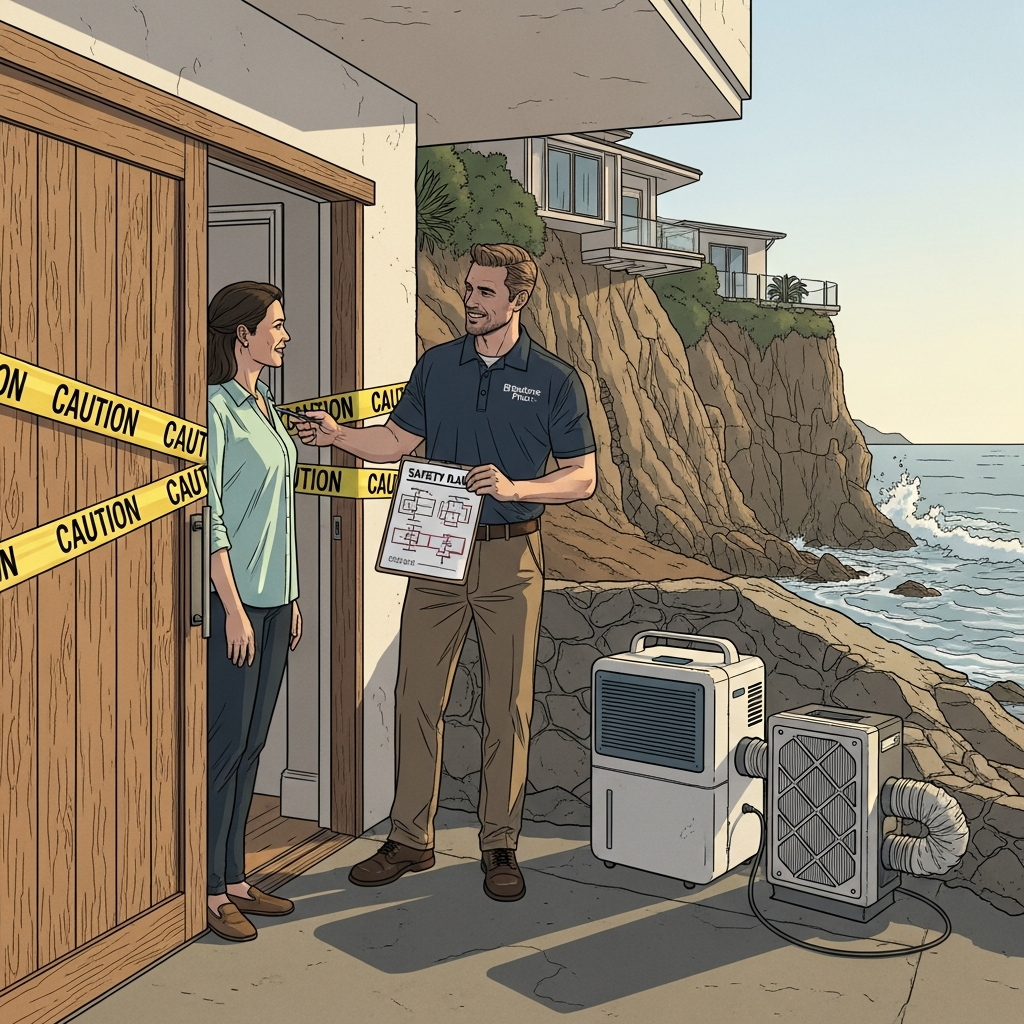
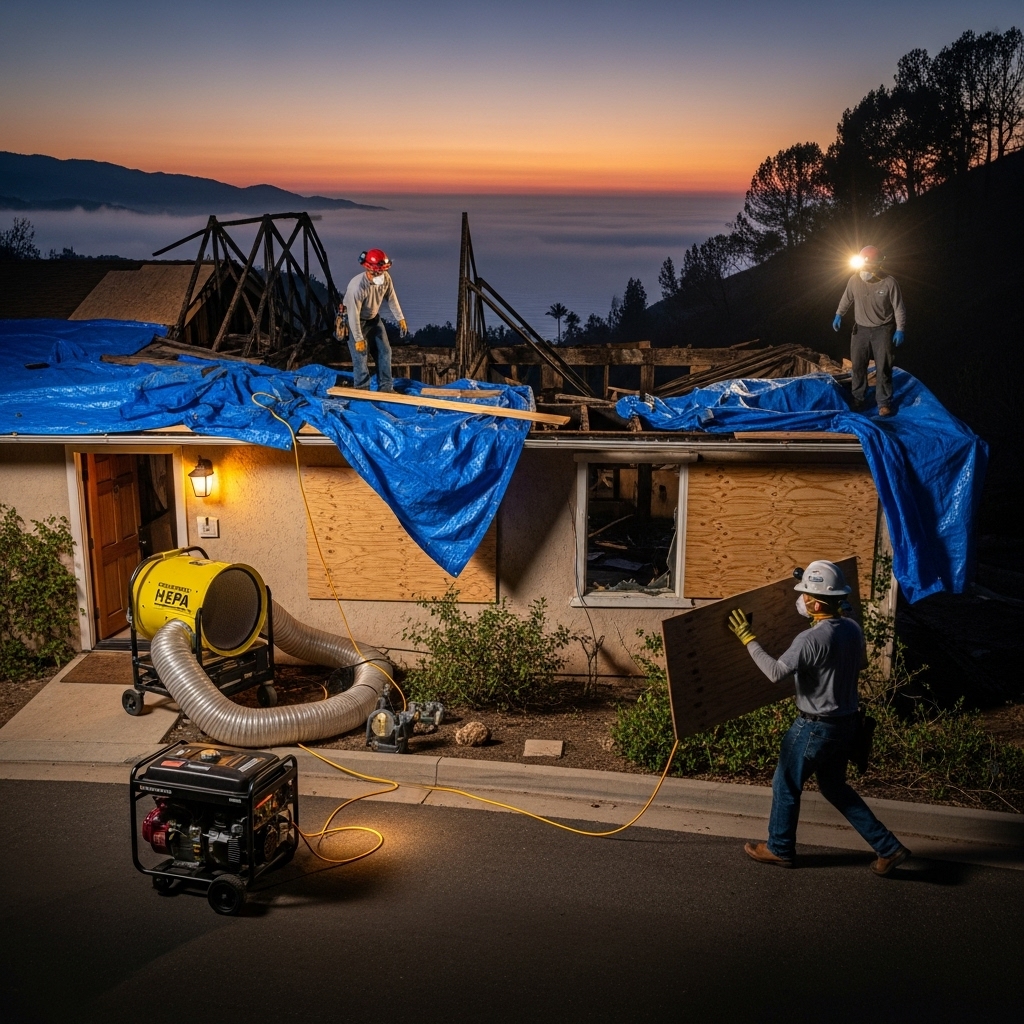
Before anything else, a thorough safety check sets the stage. Firefighters will have ensured the fire is out, but lingering hot spots can remain. Structural elements need a quick visual review to see where temporary shoring might be required. Utilities—electric, gas, water—should be assessed and shut down or isolated as appropriate. In many Malibu neighborhoods, power restoration can be intermittent after a fire event, so generators may be integrated into the plan for critical equipment without energizing the entire household circuitry.
Access is its own puzzle in the canyons. Narrow roads, private gates, and emergency vehicles can restrict movement for hours or days. Experienced crews anticipate these constraints, staging materials for board-up, tarping, and moisture control so that once they gain access, they can stabilize quickly. In the meantime, you can begin documenting conditions from safe vantage points and note any valuables or critical documents you’ll need to locate when entry is approved.
Board-Up, Tarping, and Weatherproofing
The first visible changes after a fire are often the most reassuring. Openings created by flames or the fire response are sealed, broken glass is made safe, and roofs or skylights are covered. This work does more than keep out the weather; it safeguards the property from intrusion and protects what’s inside from the signatures of our coastal environment—salt-laden air and cool nighttime moisture that can drive smoke residues deeper into porous materials. Effective weatherproofing buys time and keeps the restoration playbook simple.
In Malibu’s microclimates, fog can roll in just as freshly wetted framing begins to dry. That is why a stabilization plan integrates dehumidification and air movement immediately rather than waiting for assessments to be completed. The aim is to stop the clock on secondary damage while the bigger picture comes into focus.
Water Extraction and Drying in a Coastal Climate
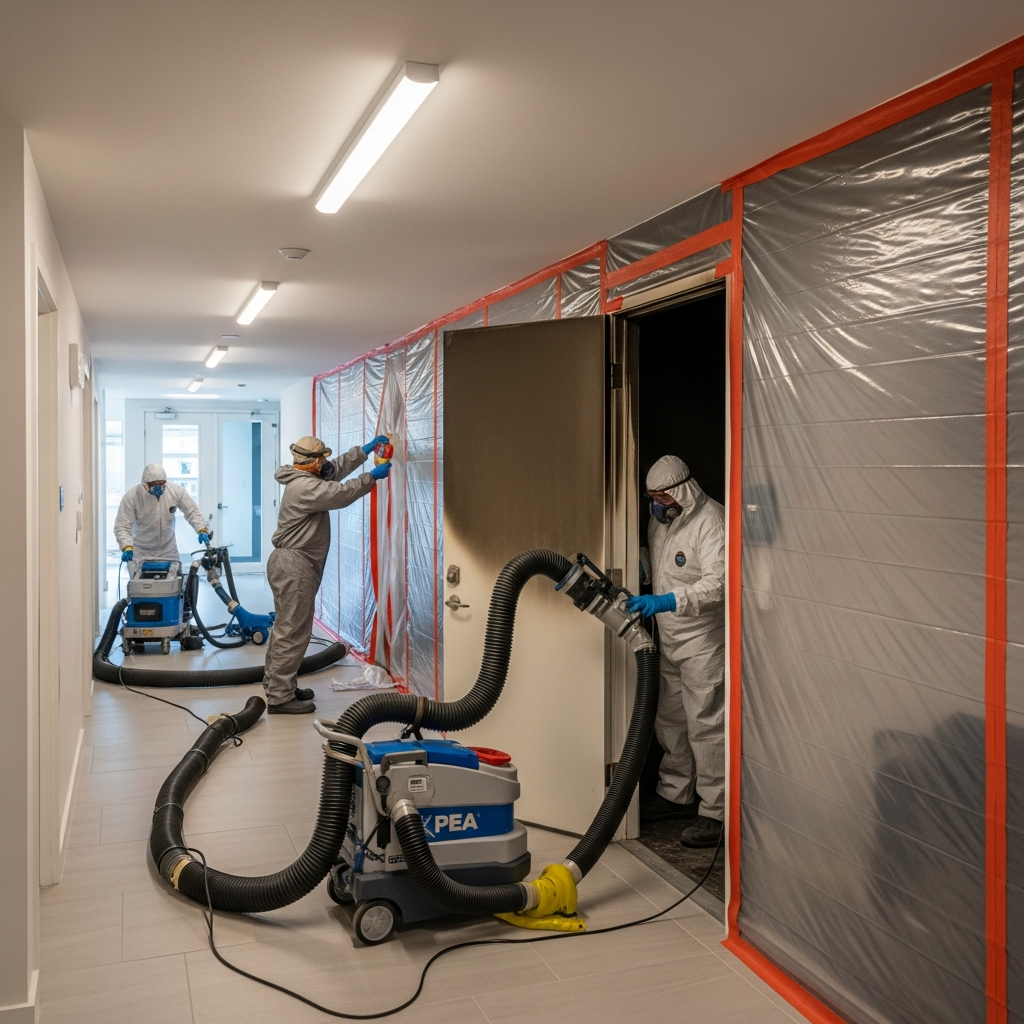
Fire suppression saves homes but introduces its own challenges. Standing water and damp materials become a breeding ground for odor and microbial growth. Coastal humidity adds fuel to that problem. The right response uses extraction tools to remove bulk water first, then deploys dehumidifiers and air movers to set controlled drying conditions. Negative air machines with HEPA filtration can capture fine particulates that otherwise recirculate and land on just-cleaned surfaces.
Drying is not guesswork. Moisture meters and thermal imaging identify where water traveled behind walls, under floors, and into cavities. Cutting away small test openings can verify conditions without committing to broad demolition. The more surgical the early work, the more options remain for restoration versus replacement later on.
Smoke, Soot, and Odor Control
Smoke behaves like a liquid, finding paths you wouldn’t expect. In homes with tall ceilings and open stairways, convection currents carry soot into upper levels and attic spaces. Onshore breezes can push smoke into vents and soffits, where it lingers. The emergency phase includes targeted cleaning to remove loose soot, sealing off unaffected zones, and beginning deodorization where appropriate. Addressing odor early is not cosmetic; it prevents residues from binding more permanently to surfaces as humidity changes through the day.
Not all smoke is alike. Protein fires from kitchens create thin, sticky residues that can be stubborn yet nearly invisible, while wildland smoke leaves heavier, ash-like particulates. Recognizing the difference guides cleaning chemistry and method. Gentle approaches protect finishes; aggressive ones are reserved for structural components and heavily impacted areas.
Contents Triage and Pack-Out
Personal belongings come next. Emergency restoration calls for quick decisions with a calm hand. Items with obvious damage are documented and moved. Others may be carefully packed and transported to a contents facility for specialized cleaning and deodorization. The goal is to stop deterioration, especially for textiles, books, and art that can absorb odors quickly. A well-run pack-out includes barcoded inventory and photographs so you retain visibility and control throughout the process.
In Malibu, many homes feature custom furniture and curated collections. It helps to identify anything with high sentimental or monetary value early so it can be prioritized. Clear labeling and room-by-room organization make the eventual return smoother and more satisfying.
Assessments, Planning, and Communication
While stabilization continues, the broader assessment begins. This includes structural review, HVAC inspection, and a mapping of smoke pathways. Plenty of homeowners feel overwhelmed at this stage, which is why transparent communication is so important. You should expect daily updates during the emergency phase, with photographs, moisture readings, and a short summary of what was done and what comes next. That rhythm builds trust and keeps everyone aligned.
As the scope crystallizes, you’ll transition from emergency response to comprehensive restoration planning. Permitting, inspections, and coordination with insurance adjusters move to the forefront. Having clear documentation from those first days accelerates approvals and reduces friction. If you want an overview of how the full arc of work typically progresses here, you can review local guides to Malibu fire damage restoration which outline the phases from mitigation through rebuild.
Health and Environmental Stewardship
Emergency work must protect people and place. HEPA filtration, proper containment, and safe handling of debris are part of that responsibility. Older homes may include materials that require special precautions when disturbed. Malibu’s coastal setting adds another layer: run-off control, dust suppression, and responsible disposal keep the project in harmony with our environment and neighborhood expectations. Good stewardship isn’t a nicety; it’s integral to doing the job right.
Residents returning briefly to gather essentials should follow professional guidance about protective wear and safe paths through the property. Breathing soot-laden dust or moving across unstable surfaces is a risk not worth taking without support.
From Crisis to Control
The most encouraging moment for many families is when the scene shifts from reactive to proactive. Boarded windows are replaced by measured plans; emergency equipment yields to methodical restoration. That pivot happens because the first moves were decisive and precise. What felt chaotic begins to feel understandable, and you can make choices grounded in facts rather than fear.
As you move forward, keep your eye on consistency. A team that communicates clearly during the emergency phase will likely carry that strength through reconstruction. Ask about their reporting cadence, point of contact, and how they coordinate with municipal requirements. The smoother those answers, the smoother your recovery.
Frequently Asked Questions
Below are concise answers to common questions I hear during the emergency phase in Malibu. They’re designed to help you make sound decisions in the first forty-eight hours and beyond.
How soon should emergency crews arrive after the fire is out?
As soon as the scene is released and safe to enter. Rapid board-up, water extraction, and environmental stabilization limit secondary damage and preserve options for salvage. Early action is particularly important in our humid, salt-influenced climate.
Can I start cleaning soot myself?
It’s understandable to want to help, but dry wiping can smear residues and embed odors. Wait for guidance. Professionals will often begin with HEPA vacuuming and targeted chemistry to avoid setting stains or damaging finishes.
Is power safe to turn back on?
Don’t re-energize systems until they’ve been inspected. Moisture and soot can create hazards inside panels and devices. Temporary power may be set up for restoration equipment without energizing the whole house.
What happens to my belongings during emergency work?
Items are triaged, documented, and either stabilized on site or packed out for specialized care. Inventory systems keep track of where everything goes, and priority items can be fast-tracked for cleaning.
How do weather and sea air affect the process?
Moisture cycles and salt can increase corrosion and deepen odor binding. That’s why drying and air control begin immediately and cleaning approaches are matched to materials sensitive to etching or staining.
Who coordinates with my insurance carrier?
Most professional teams provide detailed documentation and communicate directly with your adjuster to align on scope. You’ll remain the decision-maker, but having clear daily records makes approvals more efficient.
What signals that the emergency phase is complete?
When the site is secure, drying is underway with verified progress, odors are initially controlled, and a documented plan for restoration is in place. At that point, you transition into a more deliberate pace focused on long-term results.
Taking the Next Step
Emergencies feel overwhelming, but a clear plan restores a sense of control. If you want guidance tailored to your home’s location, design, and current condition, connect with a local team that can be on site quickly and communicate with consistency. You can start by reviewing essential information about fire damage restoration in Malibu and then scheduling a walk-through to map out a path from stabilization to complete recovery.