When a fire breaks out in Malibu, the hours immediately after the last hose line is packed away can feel just as chaotic as the emergency itself. Sirens fade, neighbors gather on PCH to check on one another, and the sharp scent of smoke lingers in the onshore breeze. In those moments, swift, steady guidance is everything. As local restoration professionals who have worked through wind-driven canyon flare-ups and stubborn attic smolders, we know how to stabilize a property quickly while preserving as much as possible for the road ahead. If you are searching for immediate help, you are already on the right track by focusing on fire damage restoration in Malibu with true 24/7 readiness.
Malibu’s terrain and microclimates add layers of complexity that outsiders often underestimate. Homes perched above Rambla Pacifico, tucked into Malibu Canyon, or set along the bluffs of Point Dume each experience smoke and heat differently. A small kitchen fire in a ranch-style home may leave light soot and a pungent odor; a wind-pushed brush fire might blanket an entire property with ash and force water intrusion from firefighting efforts. The emergency response must account for those variables right away, and that is why timing, triage, and clear communication are the pillars of an effective start.
The First Hour: Safety, Stabilization, and Smart Decisions
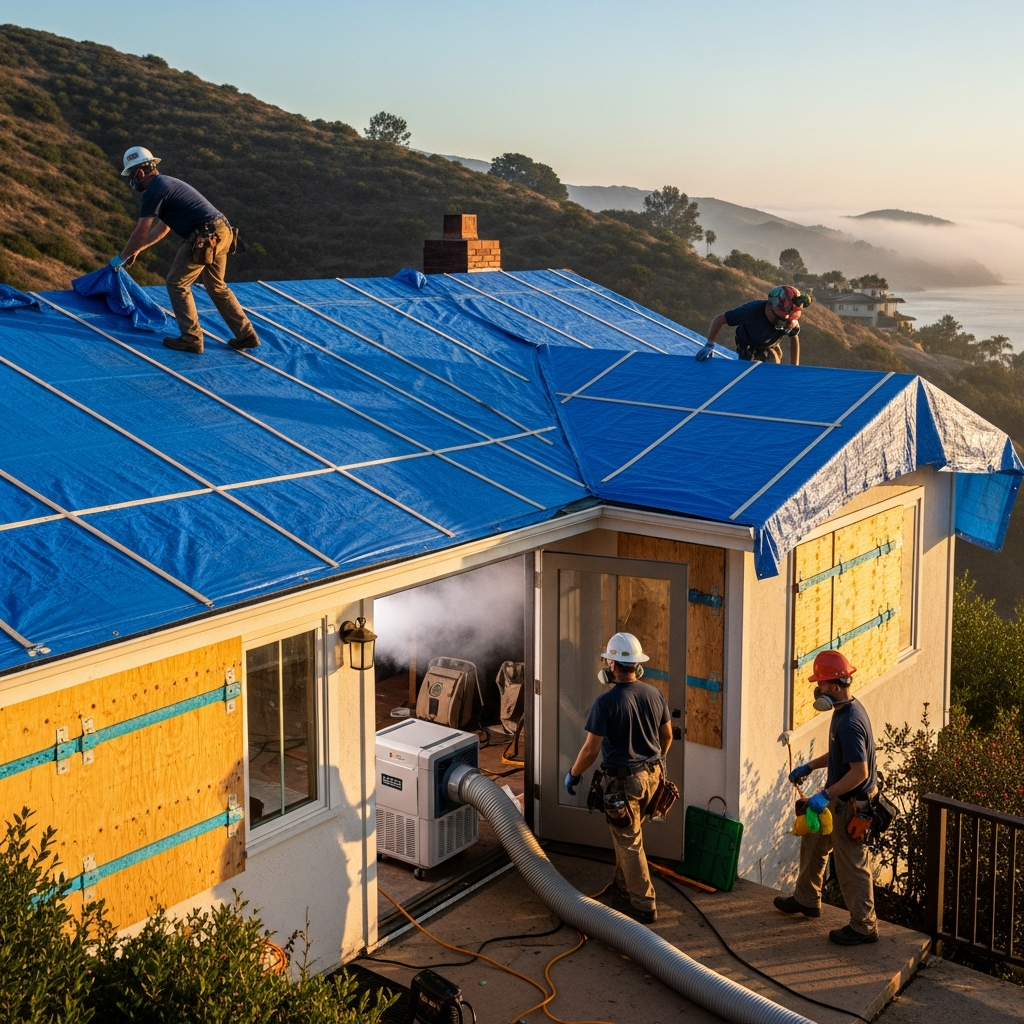
Within the first hour of an emergency call, a trained team should arrive to verify structural safety, coordinate with any remaining fire officials, and establish secure access. We assess utilities, shutting down compromised gas lines and electrical circuits. We look for hidden fire extension behind walls or into attic bays, and we evaluate the building’s ability to remain safely occupied. If windows or doors were forced, we board and secure the openings. If a roof section was compromised, we install temporary coverings designed to keep out overnight marine layers, which can saturate ash and carry it deeper into building materials.
Documentation begins in parallel. High-resolution photographs, moisture readings, and soot deposition maps help set a baseline. These records support your insurance claim, but they also guide technical decisions: which assemblies must be opened for drying, which finishes are beyond cleaning, and which belongings require immediate pack-out to prevent further damage.
Water Intrusion After Firefighting
In Malibu, the water used to knock down a fire is often the silent driver of secondary damage. Drywall can wick moisture quickly, hardwood flooring cups, and cabinetry swells at joints. The goal is to remove standing water and start controlled structural drying as soon as possible. We deploy extraction tools, set up dehumidification, and create air paths that move moisture to the machines instead of deeper into the building. Where warranted, we make careful flood cuts to remove wet wallboard and expose studs, insulation, and wiring for thorough drying. Acting on the same day helps protect the framing from odor lock-in and reduces the chance of microbial growth taking hold in damp cavities.
Understanding Soot: Chemistry, Corrosion, and Cleaning
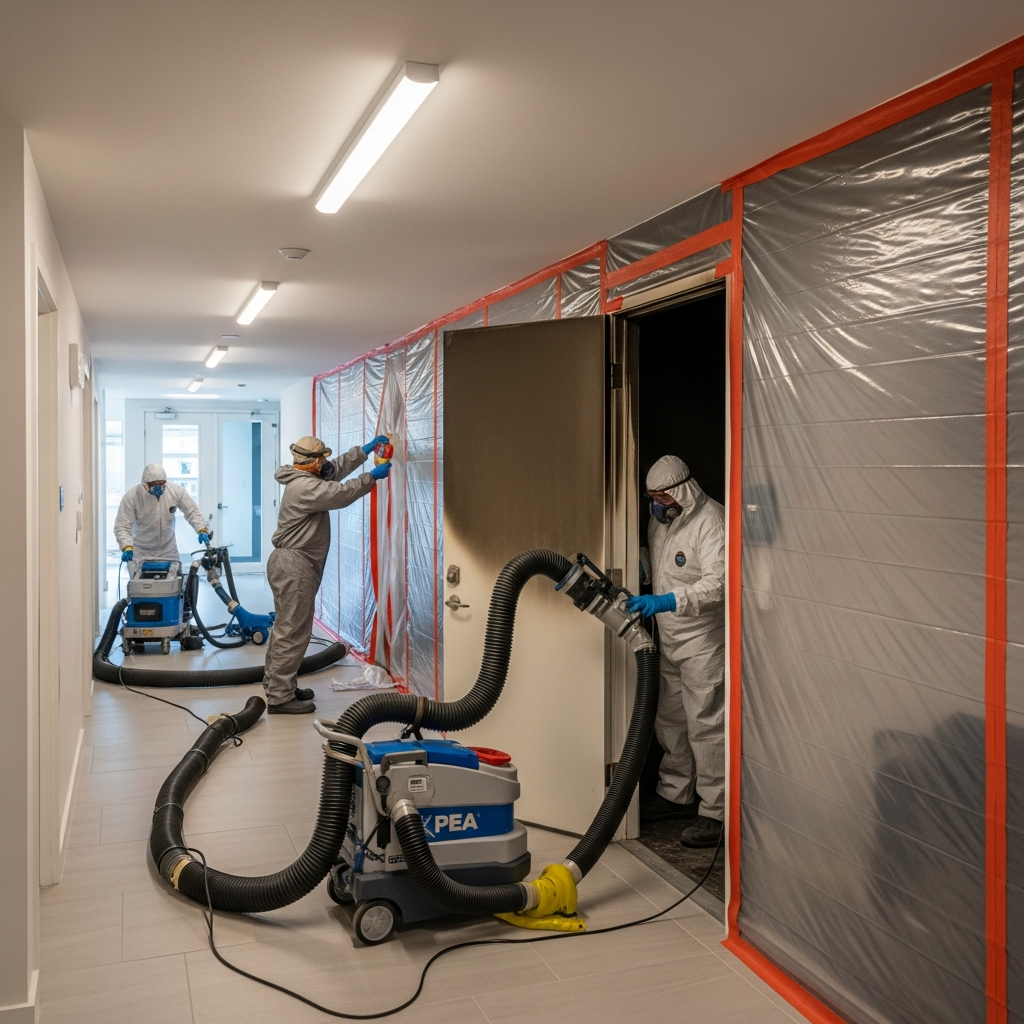
Not all soot is the same. A protein fire from a kitchen can produce nearly invisible residues that cling tenaciously to painted surfaces and leave a pronounced odor. A plastics-driven blaze can result in sticky, acidic soot that can etch glass and metal within hours. In Malibu’s coastal environment, that acidity can interact with salt in the air, accelerating corrosion on fixtures, window hardware, and electronics. We select cleaning agents and methods based on residue type, testing surfaces before committing to a process. The goal is to lift contaminants without driving them deeper. HEPA-filtration capture and negative pressure help prevent cross-contamination into unaffected rooms during the work.
Board-Ups, Tarping, and Shoring
Securing the structure protects your home and the surrounding community. Properly installed board-ups do more than deter unauthorized entry; they also limit wind-driven ash and moisture from entering vulnerable areas. Roof tarps are fastened with systems that respect Malibu’s gusty afternoons and nighttime marine layer, while temporary shoring supports damaged framing so crews can work safely. In hillside homes, staging these materials sometimes requires creative rigging and coordination to avoid damaging landscaping, fragile slopes, or access roads. The right stabilizing steps taken on day one can reduce weeks of later disruption.
Protecting Belongings: Pack-Out With Care
When smoke and water have affected a home, contents must be triaged with as much care as the structure itself. We prioritize sentimental and high-value items—art, instruments, heirloom textiles, custom surfboards, and wine collections—identifying what can be cleaned onsite and what should be transferred to a controlled facility. Every item is photographed, barcoded, and inventoried. Specialized cleaning for smoke-damaged textiles and soft goods helps remove stubborn odor while preserving fibers. Electronics require particular attention because minute soot particles and moisture can corrode delicate components; we stabilize and prepare them for evaluation and restoration whenever feasible.
Communication That Calms the Chaos
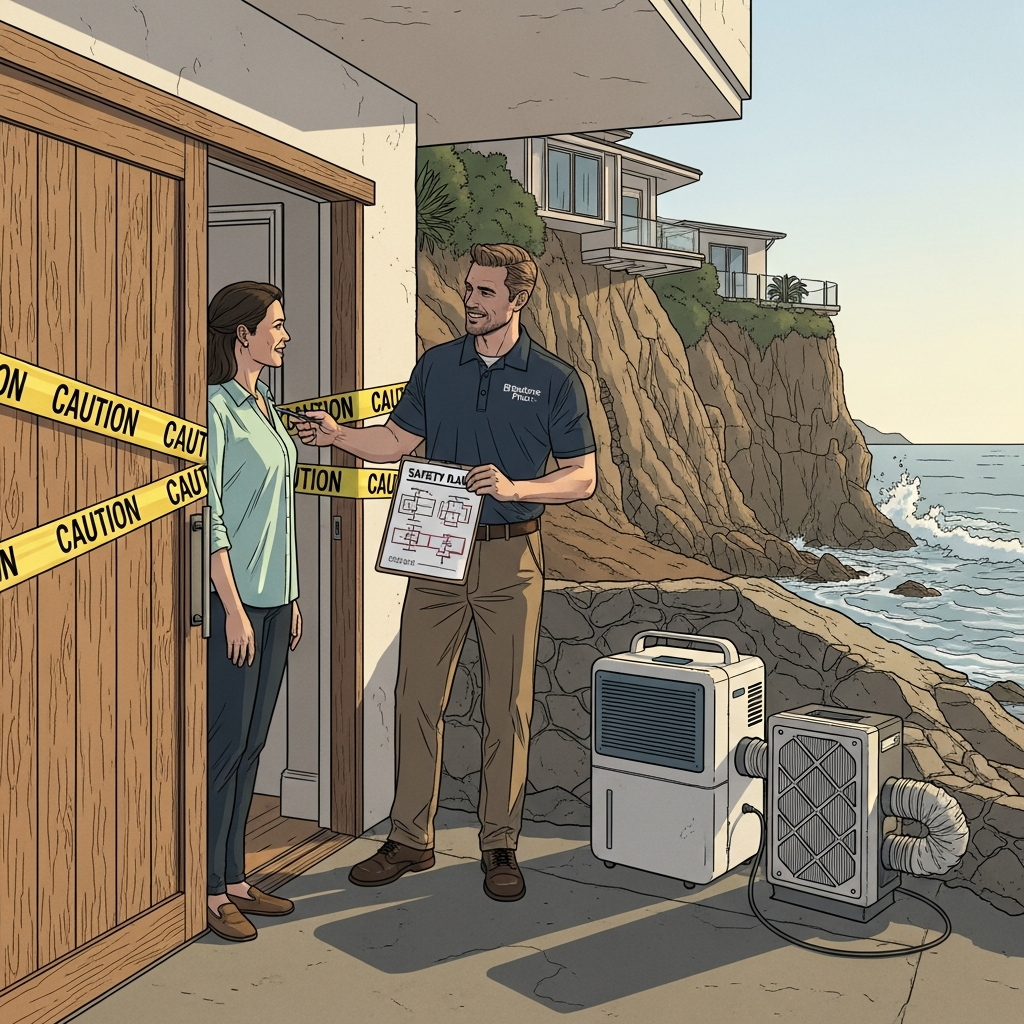
Emergencies create information gaps. Many Malibu homeowners are part-time residents or are traveling when an incident occurs. Our process emphasizes daily updates—photos, videos, and scope notes—so you can make decisions from wherever you are. We also coordinate with adjusters and, when needed, the City of Malibu building officials to ensure any necessary permits for temporary repairs are handled smoothly. This continuity keeps momentum without sacrificing thoroughness, and it reduces the stress that comes from uncertainty.
Why Speed Matters—And What It Does Not Replace
Rapid response is not a substitute for precision. Moving quickly gets water extracted and soot contained, but the restoration plan must still be carefully sequenced. Materials respond differently to heat and smoke; oak flooring, for example, behaves unlike engineered planks, and plaster walls can tolerate a different cleaning approach than drywall. Speed without the right technique can set back a project. The best outcomes come from crews who balance urgency with discipline, making sure each action supports the next stage.
Mid-Project Milestones in Malibu Homes
Once the emergency phase is under control, the project transitions into thorough cleaning, deodorization, and structural drying to verified standards. Attics and crawlspaces receive attention, because hidden soot in those areas can re-odorize rooms later. HVAC systems are inspected and cleaned so they do not recirculate particulates. Cabinets, built-ins, and window assemblies are disassembled as needed to reach pockets where residues collect. In many projects, owners choose to combine restoration with targeted upgrades—ember-resistant vents, improved roofing underlayments, or better weatherstripping—to add resilience for the next Red Flag day. Throughout, the same commitment that defines effective fire damage restoration in Malibu continues to guide decisions, keeping the focus on a healthy, durable result.
Unique Malibu Considerations
Malibu’s beauty is inseparable from its challenges. Coastal humidity can amplify lingering odors if materials are not fully dried before sealing. Canyon winds may carry ash back onto surfaces even after cleaning, which is why containment and sequencing matter. Homes set behind private gates require coordinated access so trucks, drying equipment, and removal bins can stage without disrupting neighbors. On some streets, parking limitations and grade changes influence how debris is safely loaded and hauled. These logistical details shape realistic schedules and help prevent costly delays.
Returning Home: Readiness and Peace of Mind
The final phase is about verificational comfort. Clean surfaces should pass white-glove inspection. Indoor air should feel fresh, supported by filtration changes and duct cleaning where needed. Moisture content in framing and subfloors must be documented within target ranges before closing walls. Windows, doors, and weather barriers should function smoothly, and any temporary supports removed and replaced by permanent repairs. Before we hand back the keys, walkthroughs help you understand what was done, what materials were replaced or restored, and how to maintain the space as it continues to normalize.
Frequently Asked Questions
How fast can a team arrive in Malibu after a fire? In most cases, an emergency crew can mobilize immediately and be onsite the same day or night, even during wind events or road closures. Local familiarity with canyon routes, staging spots, and community protocols helps shorten that timeline and maintain steady progress once onsite.
Should I start cleaning soot myself? It is understandable to want to help, but dry wiping without proper methods can smear residues and embed them deeper. It is better to ventilate cautiously if conditions allow, avoid running HVAC systems, and wait for a professional assessment that tailors cleaning to the specific soot type.
What about water used during firefighting? Water is a major driver of secondary damage. Fast extraction and controlled drying are critical. Expect moisture mapping, dehumidification, and careful removal of saturated materials to prevent hidden odor and deterioration later.
Can my belongings be saved? Many items can be cleaned and deodorized effectively. Contents are inventoried, stabilized, and transported when necessary to specialized facilities. The earlier items are addressed, the better the likelihood of successful restoration.
Will the smoke smell ever go away? With proper cleaning, source removal, and deodorization, smoke odor can be eliminated rather than merely masked. That includes attention to air handling systems, structural cavities, and soft goods that tend to trap odor.
How do you coordinate with insurance? Detailed documentation—photos, itemized scopes, and moisture/air quality readings—supports a clear claim. We provide transparent updates and align our methods with industry standards to streamline approvals.
Start Your Emergency Recovery Today
If your Malibu home has been affected by fire, the most important step is the next one. Reach out now for immediate, experienced help with fire damage restoration in Malibu, and we will mobilize to secure your property, protect your belongings, and guide you through a calm, proven plan to recovery.