There is a particular stillness along the Malibu shoreline late at night, broken only by the ocean’s rhythm and, sometimes, the distant thump of a helicopter or the crackle of brush under a hot wind. When a fire sparks after dark or a smoldering ember rekindles at dawn, that stillness gives way to urgency. In those moments, fast action and local know-how protect what matters. Residents here need emergency response that understands canyon roads, marine fog, and the way winds roll off the ridgelines. That is the essence of true 24/7 fire damage restoration in Malibu: immediate stabilization, clear communication, and a plan that does not sleep until your property is secured and the recovery is underway.
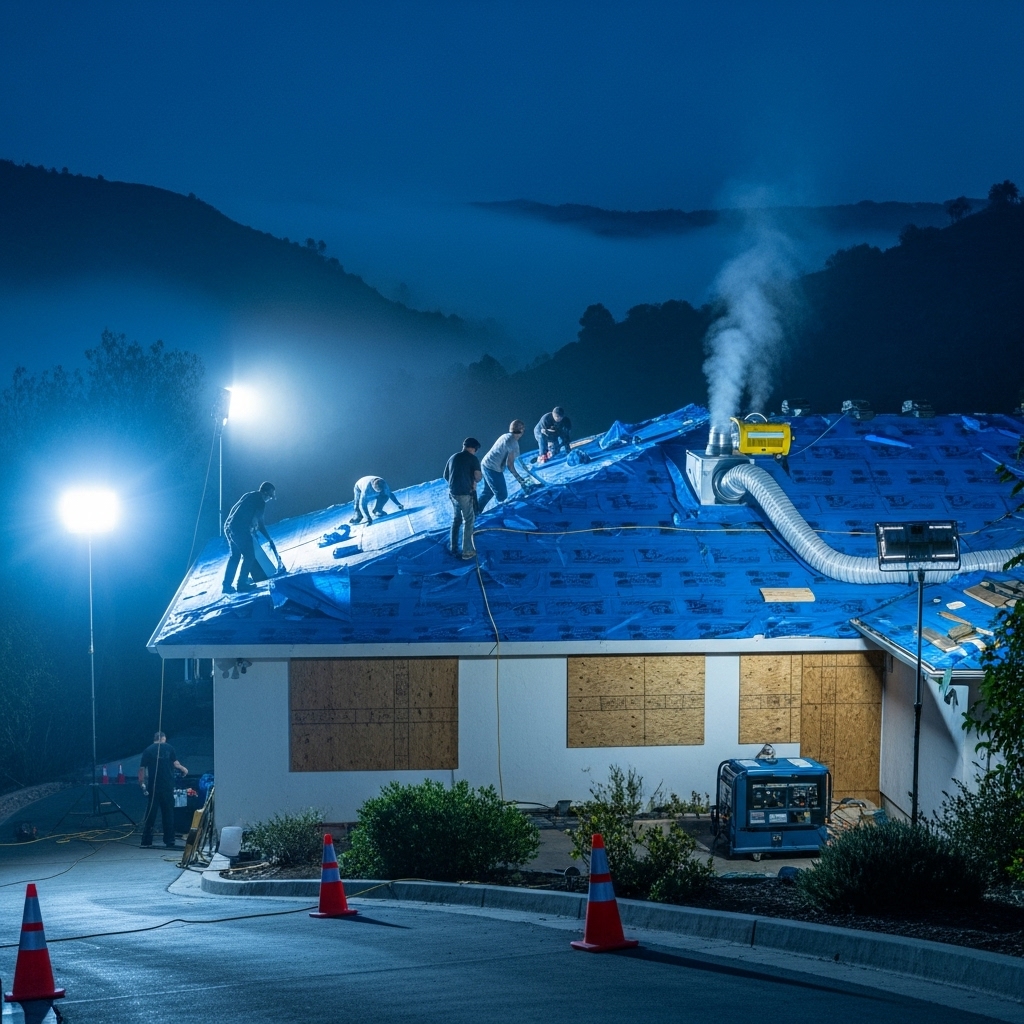
Nighttime incidents create unique challenges along the coast. Visibility drops, traffic patterns shift on Pacific Coast Highway, and access routes through canyons like Latigo or Kanan can change hour by hour as responders work. An emergency restoration team that is comfortable in this terrain arrives prepared for unpredictability—portable lighting, generators, temporary power distribution, and materials for rapid board-up, roof tarping, and structural shoring. That readiness allows work to begin the moment site safety is confirmed, making the difference between contained damage and a cascading series of complications.
What True 24/7 Response Looks Like in Malibu
A promise of round-the-clock service is only meaningful if it comes with real capacity. For Malibu, that means a well-coordinated call tree, on-call supervisors who know the geography, and vehicles stocked for both coastal humidity and the possibility of road closures. When a call comes in at 2 a.m., the first steps include confirming safety with on-site authorities, establishing a perimeter to protect undamaged zones, and immediately capturing the initial condition with photos and moisture readings. From there, teams deploy air filtration, begin water extraction if firefighting caused saturation, and secure openings against wind and marine air.
Effective emergency work also includes communication. Homeowners who are off-site need quick, calm updates. Tenants and neighbors may be anxious. A skilled crew leader explains what will happen next, how long it will take, and what the plan looks like for the next twelve to twenty-four hours. That presence reduces stress and keeps decisions moving, even when the hour is late and emotions are running high.
Safety First: Stabilization and Site Control
Fire scenes can be deceptively unstable, especially in custom homes with complex rooflines and open truss systems. Emergency restoration begins with shoring and hazard mitigation. Electrical systems are assessed for safety, and temporary power is routed to keep essential equipment running without overloading circuits. In Malibu’s damp night air, surface moisture can make floors slick and increase the risk of slips; crews lay protection and create safe pathways for movement. For properties on slopes or near bluffs, erosion control may be needed immediately to prevent washouts if a marine layer or morning fog deposits extra moisture.
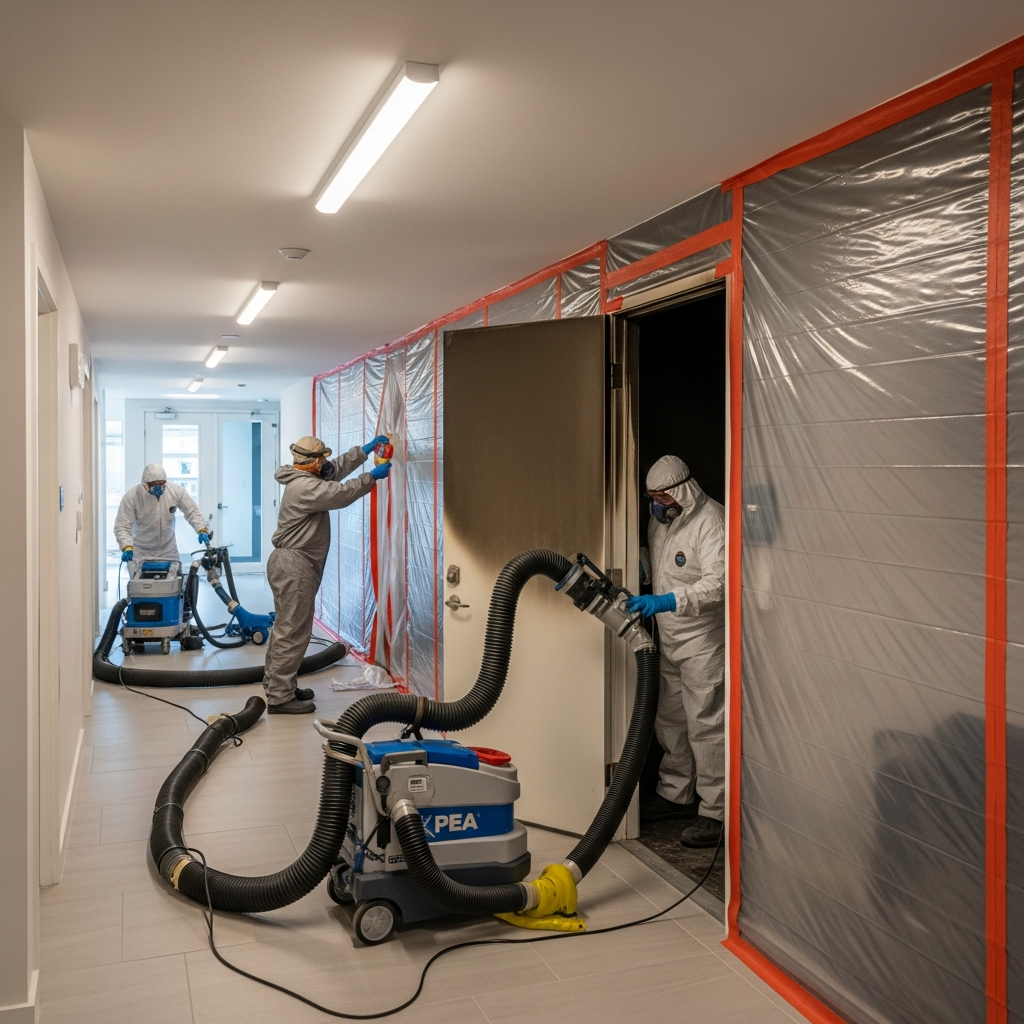
Containment zones are established early, using HEPA filtration and negative air to keep smoke particles from drifting into areas that were not originally affected. This is especially important in multi-level homes where stacked staircases and elevator shafts act as conduits for air movement. Emergency containment preserves what can be saved and sets the stage for more measured restoration work once daylight returns.
Board-Up, Tarping, and Weather in the Middle of the Night
The coastline’s weather can complicate an overnight response. A roof tarp that holds at noon may not hold against a 3 a.m. crosswind unless it is sized properly, secured at correct intervals, and anchored to sound members. Teams familiar with marine gusts plan for changing wind directions and misty air that can make surfaces slick. Properly installed board-up and tarping minimize salt-laden moisture from settling on interior surfaces, which later reduces corrosion on appliances and fixtures and prevents odor from deepening in porous materials.
Speed matters, but so does sequence. Before a tarp is secured, crews ensure any smoldering spots are fully extinguished, structural components are safe to anchor into, and water paths are controlled. If firefighting soaked insulation, water extraction and dehumidification start right away to prevent overnight humidity spikes from spreading smoke residues. When done correctly, these steps buy time and stabilize the home for the next day’s detailed evaluation.
Coordinating with First Responders and Navigating Access
In Malibu, restoration companies work alongside firefighters, sheriff’s deputies, and utility crews who may still be active on scene. Access can be limited for safety, so a team accustomed to these constraints brings patience and adaptability. They use staging areas, shuttle materials if trucks cannot reach the driveway, and maintain a safety mindset. Clear communication with first responders ensures that stabilization does not interfere with ongoing investigations or utility repairs, while still protecting the homeowner’s property and personal belongings.
When roads are temporarily closed or limited to residents only, documentation and local relationships matter. Verified addresses, clear explanations of work scope, and transparent coordination can open doors—literally and figuratively—so that urgent mitigation does not stall. For homeowners away on travel, remote authorization and digital signatures speed approvals without sacrificing care or clarity.
From Emergency to Restoration: A Seamless Handoff
Once the immediate threat is controlled, the work transitions into detailed assessment and restoration planning. Contents that are vulnerable to corrosion—electronics, instruments, and metal fixtures—are prioritized for evaluation and pack-out. HVAC systems are tested and isolated if necessary to prevent smoke redistribution. Daylight brings a fuller picture of the damage, but the overnight steps taken—air filtration, moisture control, and security—set the foundation for a cleaner, faster recovery.
Homeowners should expect a clear written plan within hours, outlining structural cleaning, materials to be removed, deodorization methods, and a projected schedule. In Malibu, that plan often includes strategies tailored for marine humidity and coastal winds, ensuring that work done on day one remains effective when the weather shifts on day two. The goal is continuity: no gaps between emergency response and restoration, no downtime that invites secondary damage.
Special Considerations for Coastal Properties After Hours
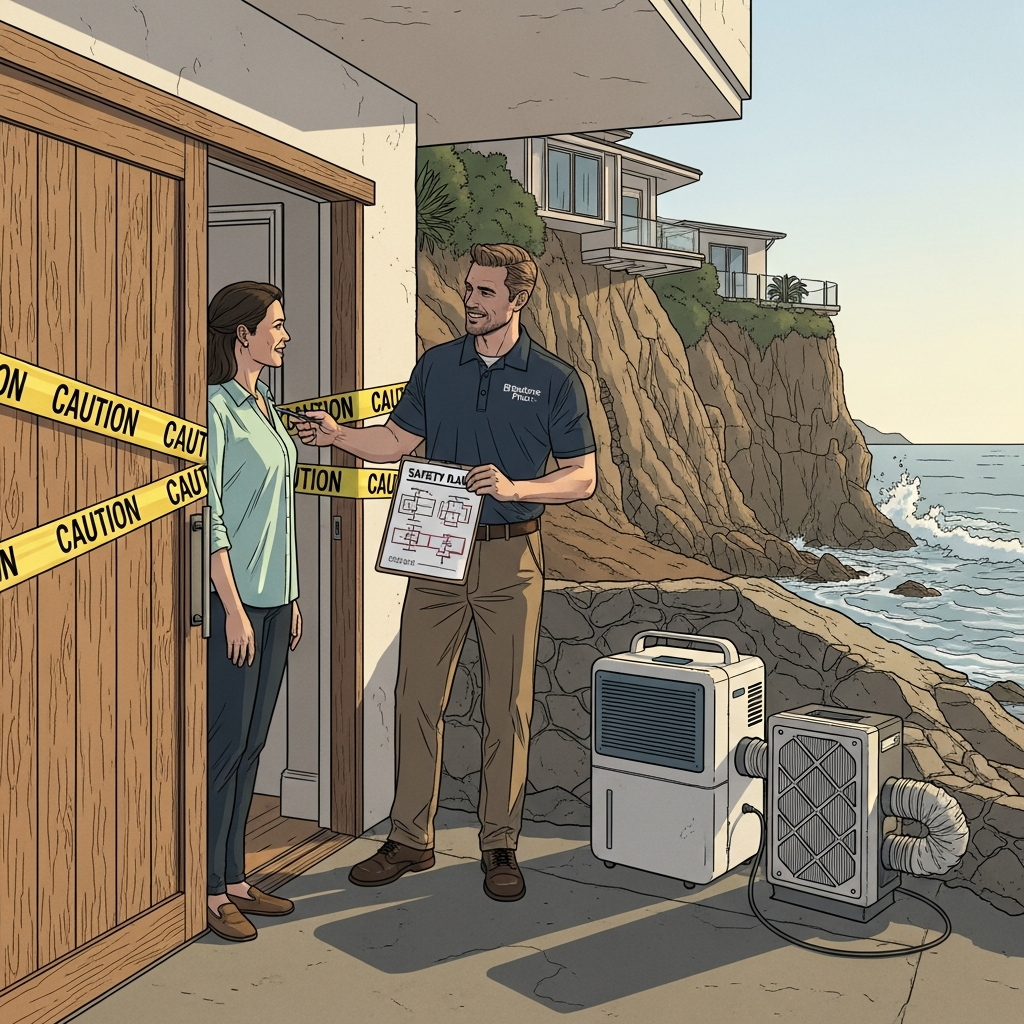
Malibu’s oceanside context adds layers to nighttime emergency work. Sound carries farther; neighbors may be resting; wildlife can be more active. Crews maintain a respectful presence, using lighting that is sufficient for safety without creating unnecessary glare. They pay attention to noise as they cut and secure materials, and they keep work areas tidy so the property looks as cared-for at sunrise as it did before the incident. For high-value finishes—steel, stone, custom woods—protective coverings go down early to prevent scratches and stains during the rush of initial stabilization.
Midway through a complex night, homeowners often ask how soon life can feel normal again. It helps to know that experienced local teams have done this many times under similar conditions, and they bring a calm cadence to the chaos. If you are in the thick of it and need immediate guidance, reach out to a provider deeply familiar with Malibu fire damage restoration who can stabilize the property now and carry the work through to completion without missing a beat.
Case Examples of 24/7 Response
One late-night call involved a hillside home where an outdoor kitchen ember ignited siding. Firefighters arrived quickly, but water penetrated the living room ceiling. The restoration team set containment, extracted water, and dehumidified overnight, then coordinated ceiling repairs in the morning. Because the HVAC was isolated and filters changed immediately, smoke influence in bedrooms remained minimal, and the family returned to those rooms within days.
Another case began with a small electrical fire in a garage at the base of a canyon. Heavy smoke traveled into a home office housing music equipment. By 4 a.m., the team had packed out sensitive electronics, set corrosion control for instruments, and sealed off the office. Odor neutralization started at sunrise, and the homeowner resumed work in a temporary setup the same afternoon. The seamless transition from emergency to restoration minimized downtime and stress.
Frequently Asked Questions
What should I expect from a true 24/7 emergency response?
Expect an immediate call-back, clear arrival times, and a crew that brings lighting, power, and materials to stabilize the property. They will secure openings, start air filtration, control moisture, and document the condition for insurance—all while communicating each step so you know what is happening and why.
How quickly should air filtration and containment start?
As soon as safety allows. Early HEPA filtration and containment reduce smoke migration and protect areas that are clean. In open-plan Malibu homes, airflow control is essential to keep odor from spreading overnight.
Is it safe to stay in the house during emergency work?
It depends on the extent of damage and safety considerations. Sometimes a portion of the home can be made habitable with containment and filtration. Your crew leader will advise based on air quality, structural stability, and utilities.
Will the marine layer make the damage worse if we wait until morning?
Waiting can allow salt-laden moisture to settle on soot-covered surfaces, increasing corrosion and making odors more persistent. Rapid board-up, tarping, and humidity control reduce that risk and set you up for a smoother restoration.
How do you coordinate with firefighters and utilities after hours?
Experienced teams communicate directly with on-scene officials, follow safety protocols, and adjust their work to complement ongoing efforts. They also document thoroughly so that insurance and rebuilding teams have what they need when the sun comes up.
What happens after the first night?
The next phase includes detailed inspection, materials testing if needed, and a written plan for cleaning, deodorization, and any structural repairs. Contents are triaged for pack-out and specialized cleaning, and the schedule is set so work flows without downtime.
If you are facing a fire-related emergency right now, do not wait for daylight to act. Secure your home, protect your belongings, and set your recovery in motion with a local team that delivers true 24/7 fire damage restoration, combining rapid response with the steady, informed guidance Malibu families depend on.