When a wildfire pushes through the canyons or an electrical spark turns a quiet evening into a frantic scramble, Malibu’s steep hillsides and coastal winds can turn a small incident into a fast-moving emergency. In those first bewildering hours, what homeowners need most is calm guidance from people who know the terrain, the traffic patterns on PCH, and the way embers travel across chaparral and bluff-top neighborhoods. That is the role we embrace—moving rapidly, coordinating with first responders, and stabilizing properties so families can focus on what matters most. If you are scanning this in the immediate aftermath of a blaze, take a breath. Malibu homes can be restored with a disciplined plan, and expert fire damage restoration can begin sooner than you might think.
Local knowledge matters here. A home on Broad Beach faces different smoke and salt-air dynamics than a rambling ranch in Malibu Park or a hillside property above Latigo Canyon. Coastal humidity can trap odors differently than it does inland; embers may have lodged in vents along the windward side while fine ash drifted into the leeward eaves. Understanding these micro-patterns—how the Santa Ana gusts swirled at a canyon mouth or how fog rolled in overnight—shapes our earliest decisions, from where to place air scrubbers to which rooms to seal for negative pressure containment.
Stabilizing Your Home in the First Critical Hours
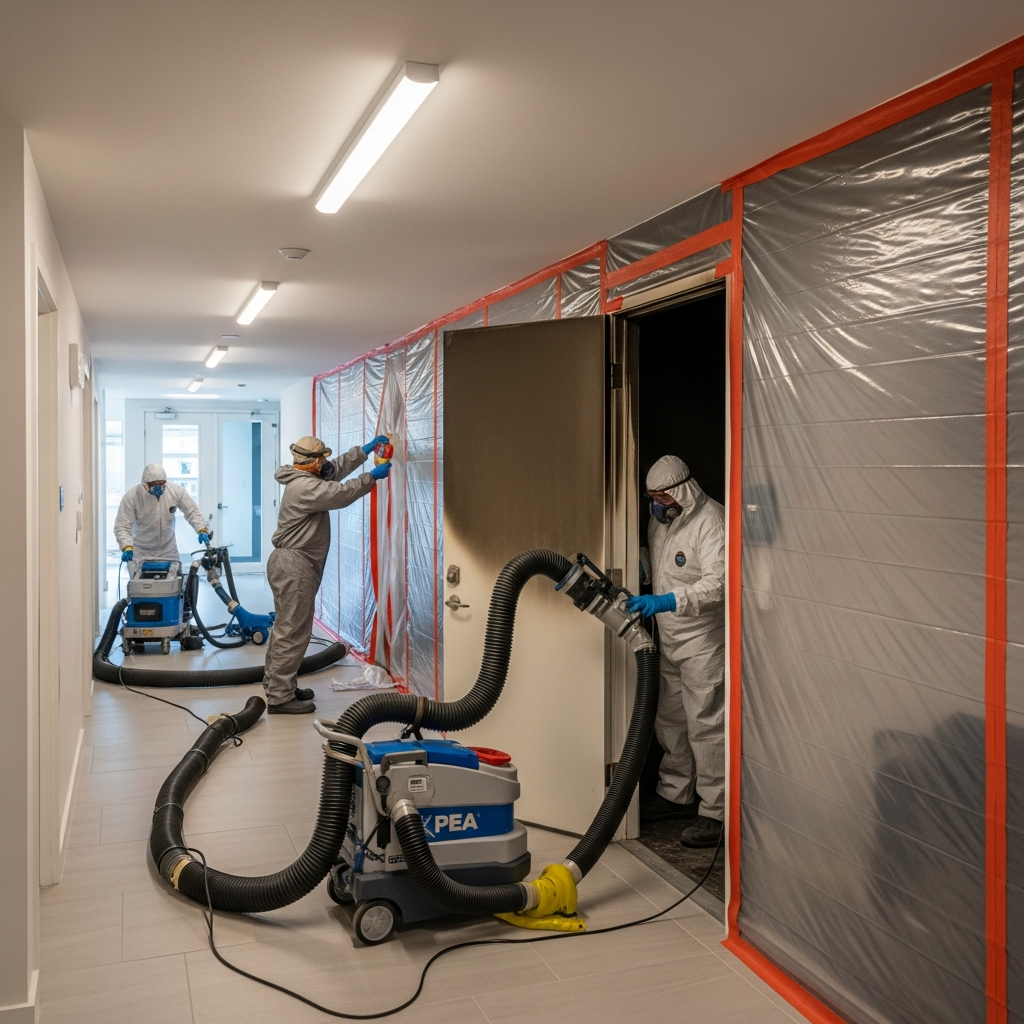
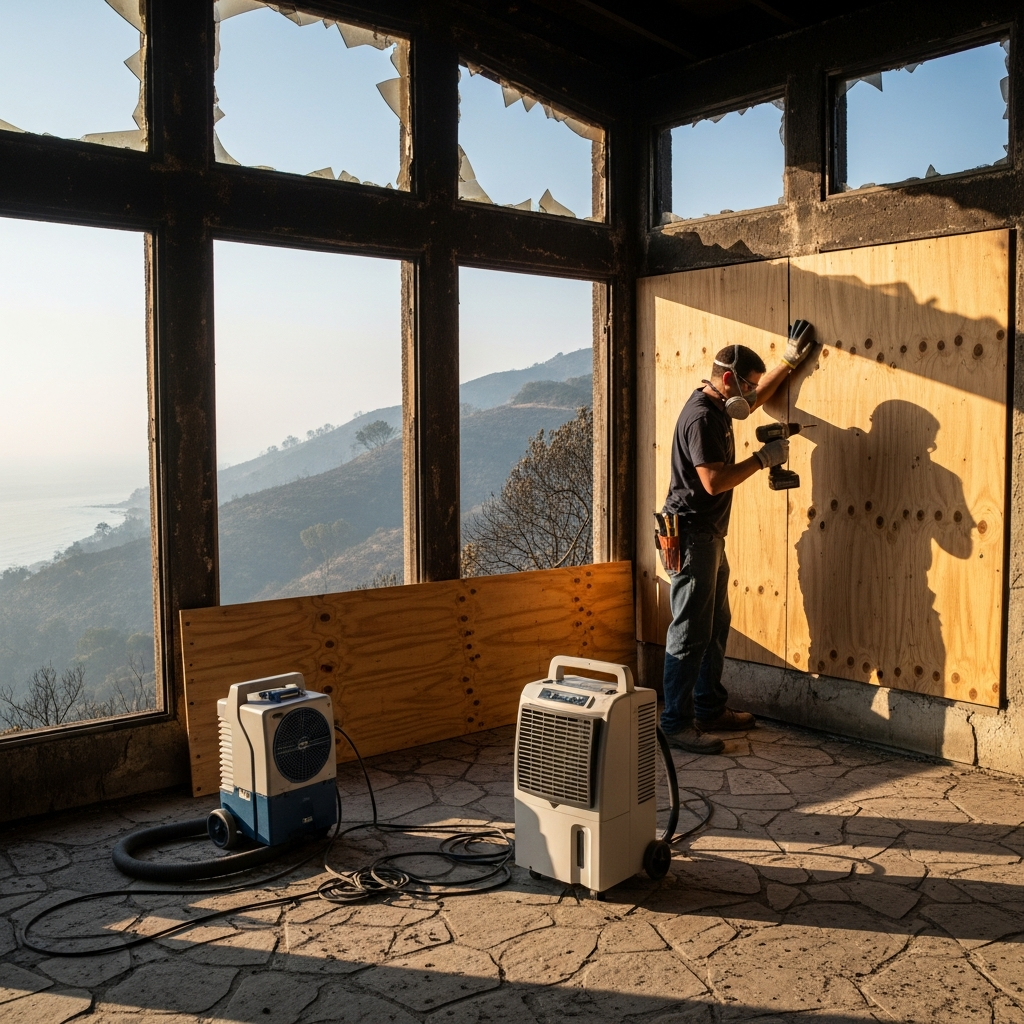
Once the fire department clears a property for limited access, the immediate priority is safety: we shut down compromised utilities, board broken windows, and secure roof openings so that a stray gust doesn’t drive more soot indoors. In Malibu, many homes feature expansive glass or clerestory windows that fracture under thermal stress. We move quickly to protect those exposures and to separate clean zones from impacted zones, keeping foot traffic strategic so soot is not ground deeper into fibers. This early discipline saves hours later and preserves more of what you love.
With safety stabilized, we perform a room-by-room assessment. Not every blackened surface should be tossed; char level and material type dictate what we save. Hardwood cabinetry with superficial sooting often responds well to targeted alkaline cleaning and gentle agitation, while synthetic laminates that absorbed smoke oils may require removal. Coastal residences frequently blend stone, wood, and plaster; each responds differently. We also evaluate hidden pathways: smoke in Malibu tends to ride rooflines and soffits, so we open inspection points before finalizing a plan.
Cleaning Soot and Smoke with Precision
There is a science to removing soot that goes far beyond scrubbing. Different fires create different residues. A protein-based kitchen flare-up leaves a sticky, almost invisible film, while a wind-driven brushfire sends dry, powdery soot that infiltrates deep into fabrics and HVAC. We test residues first, then select methods, from HEPA vacuuming and chem-sponge lifts to controlled wet washing. Improperly wetting dry soot can smear it across paint and drywall, sealing odor in place. Thoroughness is the hallmark here; we work top to bottom, inside to outside, and treat air along with surfaces so that garments, drapes, and rugs do not re-contaminate cleaned rooms.
Odor neutralization is equally methodical. We use a combination of ventilation, hydroxyl treatment, and targeted sealing to break down odor molecules and encapsulate porous surfaces. Malibu’s marine layer can actually accentuate lingering smells at dawn, so we schedule deodorization phases around local weather windows, ventilating during offshore breezes and closing up when fog rolls in. That way, the work complements the climate rather than fighting it.
Protecting Belongings With Care
Families are often surprised by what we can save. Books you thought were lost can often be recovered with careful drying and page-by-page soot lifting. Photographs and framed art respond well to conservation strategies when handled quickly. We inventory, pack out, and treat items in controlled environments when necessary, using clean rooms that keep particles out of sensitive electronics and heirlooms. We also document the process thoroughly—photos, notes, and moisture/soot readings—so insurance conversations remain calm and fact-based.
Midway through a restoration, tempo becomes crucial. After the obvious debris is cleared and odors begin to fade, people crave a return to normalcy. This is the moment where meticulous planning pays off. We phase crews to minimize overlaps, schedule inspections to avoid PCH rush-hour delays, and keep homeowners briefed as milestones are achieved. That coordination, paired with proven methods of fire damage restoration, is how a chaotic week begins to feel orderly again.
Rebuilding with Malibu’s Landscape in Mind
Reconstruction after a fire is an opportunity to strengthen a home’s defenses. We talk about ember-resistant vents, smart placement of defensible landscaping, and upgraded exterior finishes where appropriate. Homes near canyon mouths benefit from particular attention to soffits and under-eave sealing; homes closest to the shore sometimes need revised moisture barriers after the heat has stressed building envelopes. We coordinate with local inspectors and adapt to Malibu’s permitting rhythms, anticipating needs so there are fewer surprises.
Indoor air quality remains a guiding principle during and after rebuild. Our goal is that a family can wake to the sound of the waves without the faintest trace of smoke. That is why we continue particle capture and odor verification even as carpenters swing hammers and painters prep trim. We verify our results by measurement as much as by nose, and we invite clients to walk rooms with us, trusting their senses as the final arbiter of success.
Guidance Through Insurance and Logistics
Paperwork may be the last thing anyone wants after an emergency, but clear documentation shortens timelines. We supply inventories, chain-of-custody for contents, and progress logs so adjusters can see exactly what was done and why. Many Malibu residents travel frequently; when owners cannot be present, we hold video walk-throughs and provide daily summaries. Every decision is explained, alternatives are offered, and we proceed only with clear approvals. That transparency creates momentum and helps everyone keep the same goal in sight: a home that feels like home again.
Frequently Asked Questions
How soon can I enter my home after a Malibu fire?
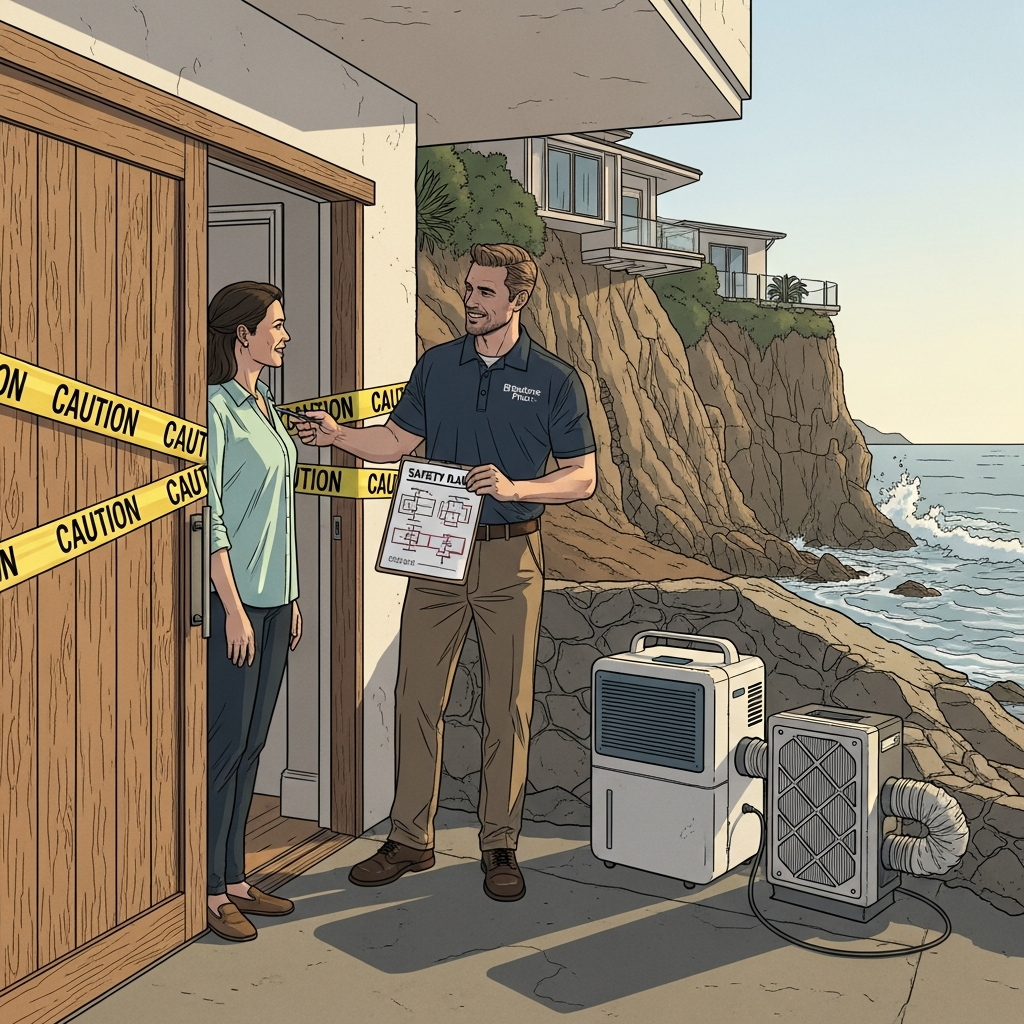
Only after authorities deem the structure safe. Even then, we recommend limiting entry until stabilization steps are complete so soot is not tracked into cleanable areas. We typically escort owners through an initial walkthrough to identify urgent items while maintaining containment.
Will the smoke smell ever fully go away?
Yes, when odor is addressed comprehensively. That means removing the source, cleaning correctly based on soot type, treating the air, and sealing or replacing materials as needed. We validate results over several days and weather changes to be sure odors do not reappear.
What belongings can be saved?
More than you might expect. Solid woods, metals, and many textiles respond well to specialized methods. Porous plastics and low-cost laminates can be more challenging. We sort items into clean, treat, or replace categories with photographs and test cleanings so decisions feel informed, not rushed.
Do I need to replace my HVAC system?
Often the system can be professionally cleaned rather than replaced. We evaluate duct materials, run lengths, and soot type, then coordinate NADCA-standard cleaning and post-cleaning verification to confirm that distribution pathways are clear and safe.
How long does restoration take?
Timelines vary with severity, access, and permitting for any rebuild. Stabilization may be completed within days; detailed cleaning and deodorization might take several weeks; rebuilds depend on scope. We provide a schedule at the outset and update it as milestones are reached.
What can I do now to help?
If it is safe, avoid wiping soot, opening windows during onshore flow, or running the HVAC. Photograph rooms as they are, gather essential documents, and let professionals establish containment and cleaning protocols before general cleanup begins.
Ready to Move Forward in Malibu
If your home has been damaged by fire and you are ready to take the next step, we can help you stabilize, clean, and rebuild with confidence rooted in local experience. Reach out today and let us set a clear plan for your property, beginning with careful assessment and prioritization. When you are ready, take the first step toward expert fire damage restoration so your home can welcome you back with ocean air instead of smoke.