Comprehensive fire damage cleanup in Malibu is part science, part logistics, and part neighborly care. In the quiet after sirens fade along the Pacific Coast Highway, you are left with questions that stretch beyond visible debris. What can be saved? Where does the soot go? How do you make the air feel normal again when sea breeze and canyon winds push particles through every gap? A thorough plan answers each of these questions in sequence, guiding you from emergency stabilization to final cleanup so the structure is ready for finishing and life can return to its familiar rhythm.
At the outset, clarity matters. Malibu homes range from oceanfront modern builds to warm, wood-framed houses tucked into canyons, and each presents a different cleanup profile. Salt air can accelerate corrosion in kitchens and mechanical rooms, while textured stucco and open-beam ceilings trap soot differently than smooth drywall. Understanding materials is the backbone of true, comprehensive service. With that kind of focus, professional fire damage restoration becomes a measured, stepwise path rather than a scramble.
Stabilization and Debris Removal
Cleanup begins with safety. Board-ups and tarps protect against weather changes and unauthorized entry. Water from firefighting is extracted, and saturated materials are removed to reduce humidity and prevent microbial growth. Debris removal is more than hauling out waste; it is about separating salvageable contents, identifying materials that release odors, and packaging items for off-site cleaning when needed. In Malibu, access routes and hillside lots influence staging, so crews plan vehicle movement and containment to avoid spreading soot into gardens, pools, or neighboring properties.
Soot Identification and Surface Strategies
Not all soot is the same. Dry soot from hot, fast-burning materials behaves like a fine powder that can be HEPA vacuumed before surface cleaning. Wet, greasy soot—often from kitchen protein fires—smears and requires specialized detergents and controlled agitation. Pressure and pH matter; too aggressive a method can etch glass, ruin stone finishes, and drive residues deeper. An experienced team tests in small areas, chooses the right cleaner for each substrate, and works top to bottom so loosened particles do not re-soil finished surfaces downstream.
Air Quality Control and Odor Removal
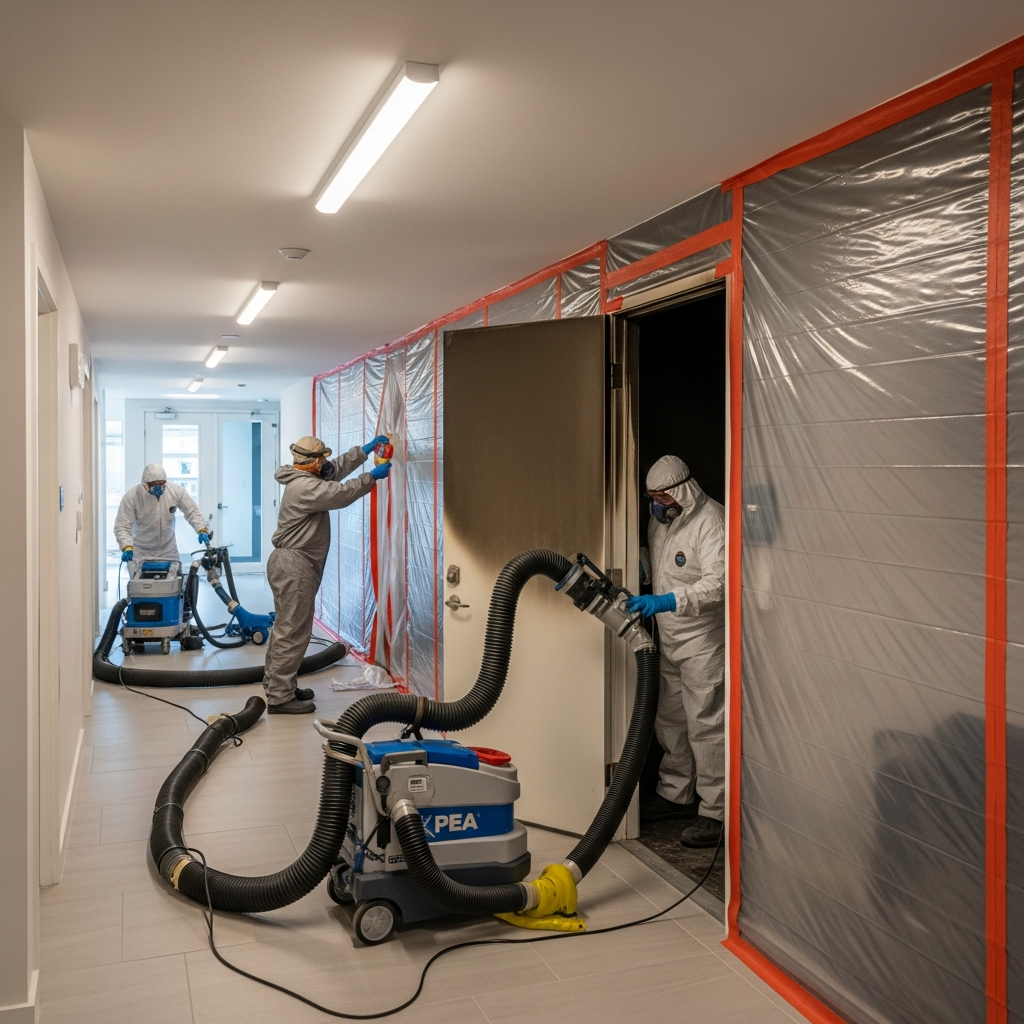
Cleanup that overlooks air is incomplete. Negative air machines with HEPA filtration capture suspended particles, especially important when Malibu winds knock around fine ash. Odor mitigation occurs in layers: source removal first, then deodorization processes like thermal fogging or hydroxyl treatment, and finally, sealing porous materials when necessary. HVAC systems receive focused attention—returns, supply runs, coils, and air handlers are inspected and cleaned, and filters are upgraded temporarily during the restoration period. These steps return that clean, salt-and-sage coastal freshness without masking odorous residues.
Contents Care: What Stays, What Goes, What Can Be Saved
Contents tell the story of a home. Rugs, artwork, family photographs, and everyday essentials each require their own decisions. Some pieces can be cleaned on site; others benefit from removal to a controlled environment where soot and odor can be treated without recontamination. Textiles may undergo specialized laundering and ozone or hydroxyl deodorization. Wood furniture is carefully cleaned and re-oiled to prevent dryness after smoke exposure. Electronics, which are sensitive to corrosive soot, should remain powered down until inspected. A comprehensive plan treats contents with the same attention as the structure.
Moisture Mapping and Secondary Damage Prevention
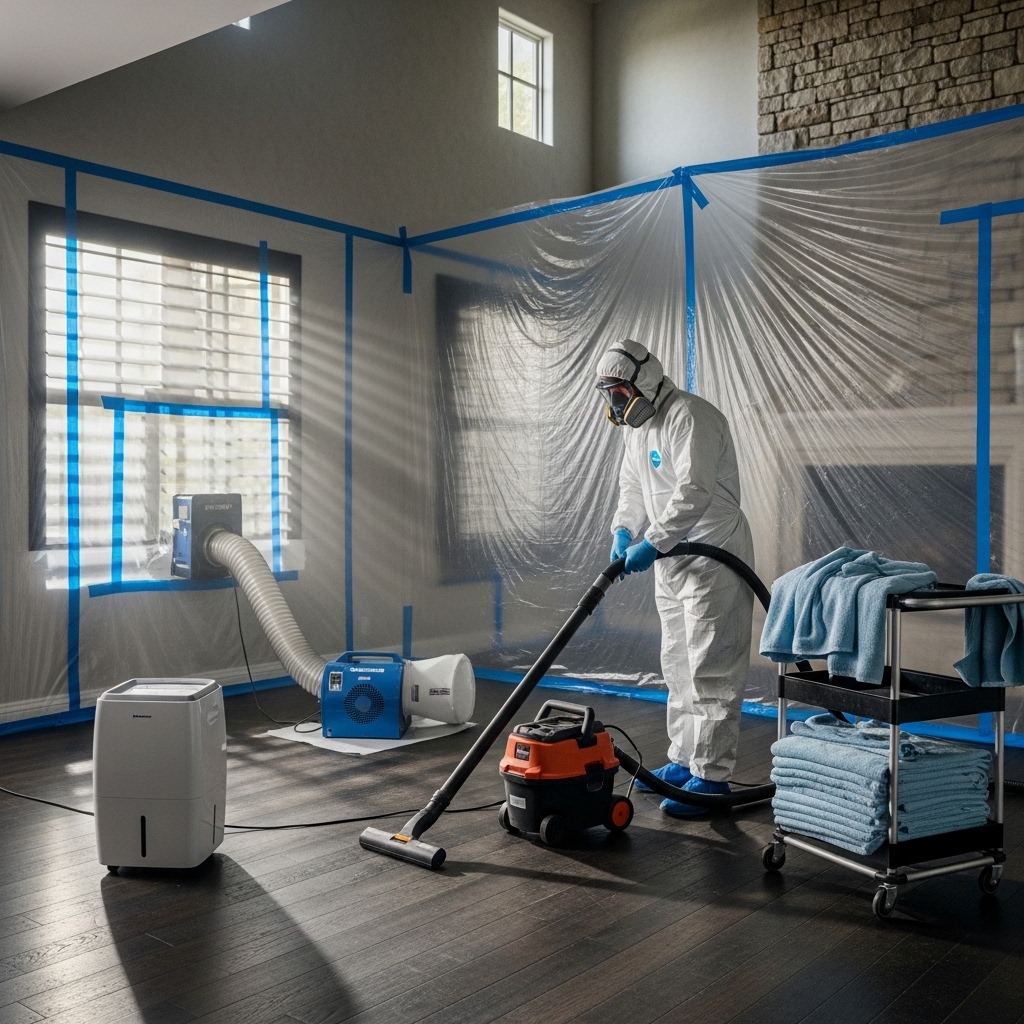
Water used to suppress fire can migrate into cavities where it silently starts problems. Moisture meters and infrared cameras map hidden dampness behind walls and under floors. Drying is then tailored using dehumidifiers, directed airflow, and heat as needed, all while monitoring daily to confirm progress. In Malibu’s variable humidity, drying plans adapt to morning marine layers and afternoon winds so that materials reach target moisture levels efficiently, setting the stage for clean, stable surfaces.
Permitting, Coordination, and Communication
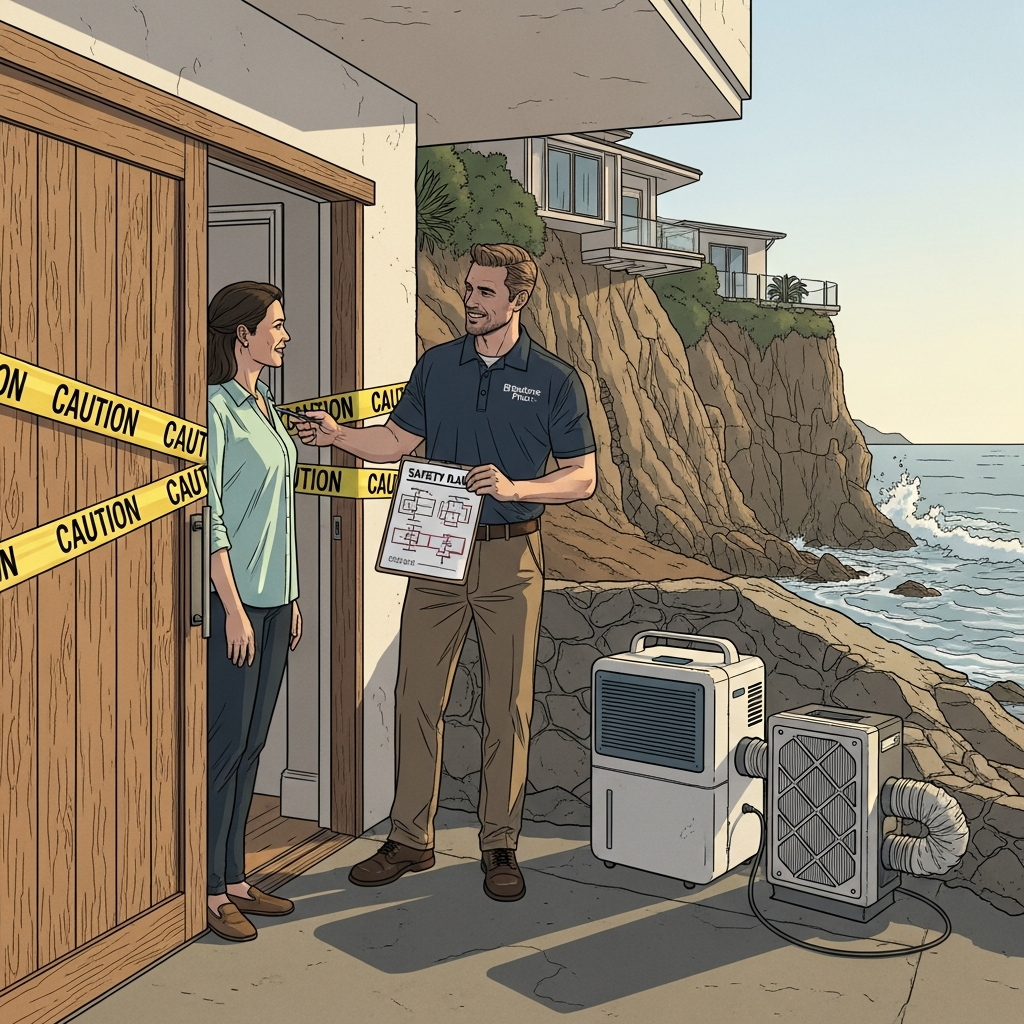
Comprehensive cleanup also means keeping the process visible and predictable. Photographic documentation, itemized scopes, and clear timelines keep property owners and insurers aligned. Malibu properties often involve coordination with local agencies, homeowner associations, or architectural teams planning repairs. When everyone shares the same information, cleanup flows into repairs without gaps, and you avoid the frustration of duplicated efforts or missed details.
Mid-Project Reassessment
In longer projects, the midpoint is a valuable pivot. Teams reassess odor levels, inspect newly opened cavities, and confirm that earlier areas are holding steady with no bleed-through or ghosting. This is also a smart time for you to walk the property, ask questions, and highlight items for priority treatment. If additional services are needed, such as art conservation or specialized stone care, they can be scheduled without slowing momentum. If you are still evaluating providers, this is when you revisit the fundamentals of effective fire damage restoration to ensure your plan is as thorough as it needs to be.
Finishing the Cleanup
When cleanup is nearly complete, details make the difference. Registers and grilles are cleaned again before final filters go in. Cabinet interiors and drawer boxes are wiped meticulously, not just faces and pulls. Closets and storage areas receive extra passes because fabrics can hold subtle odors. Surfaces are allowed to off-gas after treatment, and final sealing or priming is scheduled in conditions that support proper curing. The result is a structure that is ready for repairs and finishing—free of residue, stable against future odors, and safe to occupy.
FAQs
How long does comprehensive cleanup usually take?
It varies with the size of the property and the intensity of smoke and water impact. Small, lightly affected homes may reach pre-paint condition in a week or two; complex, multi-level properties with heavy soot and moisture can take several weeks. The key is steady progress, daily monitoring, and clear milestones.
Do I need to replace my HVAC system?
Not usually. Most systems can be cleaned and verified with post-cleaning inspections and new filters. Replacement is considered when heavy soot and heat physically damage components or when the system was running through intense smoke for a prolonged period.
Can stone, tile, and grout be fully cleaned?
Yes, with the right chemistry and methods. Stone and grout are porous, so pH-balanced cleaners, controlled dwell times, and thorough rinsing are important. In some cases, a vapor or hot-water rinse assists in lifting residues without etching surfaces.
What happens to items that cannot be saved?
Non-salvageable items are documented with photos and descriptions for insurance, then disposed of according to local guidelines. Proper documentation ensures your claim reflects what was lost and prevents confusion later in the process.
Is there anything I should do before crews arrive?
If safe, avoid wiping surfaces or running fans, which can drive soot deeper. Do not power on electronics. If you must enter, wear a protective mask and minimize movement. The most helpful step is simply to wait for assessment and stabilization.
What about outdoor spaces and pools?
Patios, grills, and pool equipment can collect soot and ash. Cleanup includes skimming, filter checks, and careful washing of exterior furniture and surfaces to prevent tracking contamination back indoors.
Ready for a Fresh Start
Thorough cleanup is the bridge between crisis and recovery. If you are ready to move forward with a plan that respects Malibu’s environment and your home’s materials, engage a team that treats every surface and belonging with care. Take the guesswork out of next steps by arranging professional fire damage restoration so your space is truly clean and ready for what comes next.