Living in Malibu means building a life where the mountains meet the sea. It also means learning how fire, smoke, and salt air can work together in ways that surprise even seasoned homeowners. When we talk about fire damage restoration here, we’re rarely talking about the obvious alone. We’re talking about stubborn odors that reappear after a humid night, electronics that fail months later, and soot that seems to have a map of your house more detailed than your builder’s plans. In this guide, I’ll walk through the most common restoration issues we see in Malibu homes and how local expertise helps avoid long-term problems. For anyone researching solutions or preparing for the unexpected, it helps to understand the realities of fire damage restoration in Malibu before they show up on your doorstep.
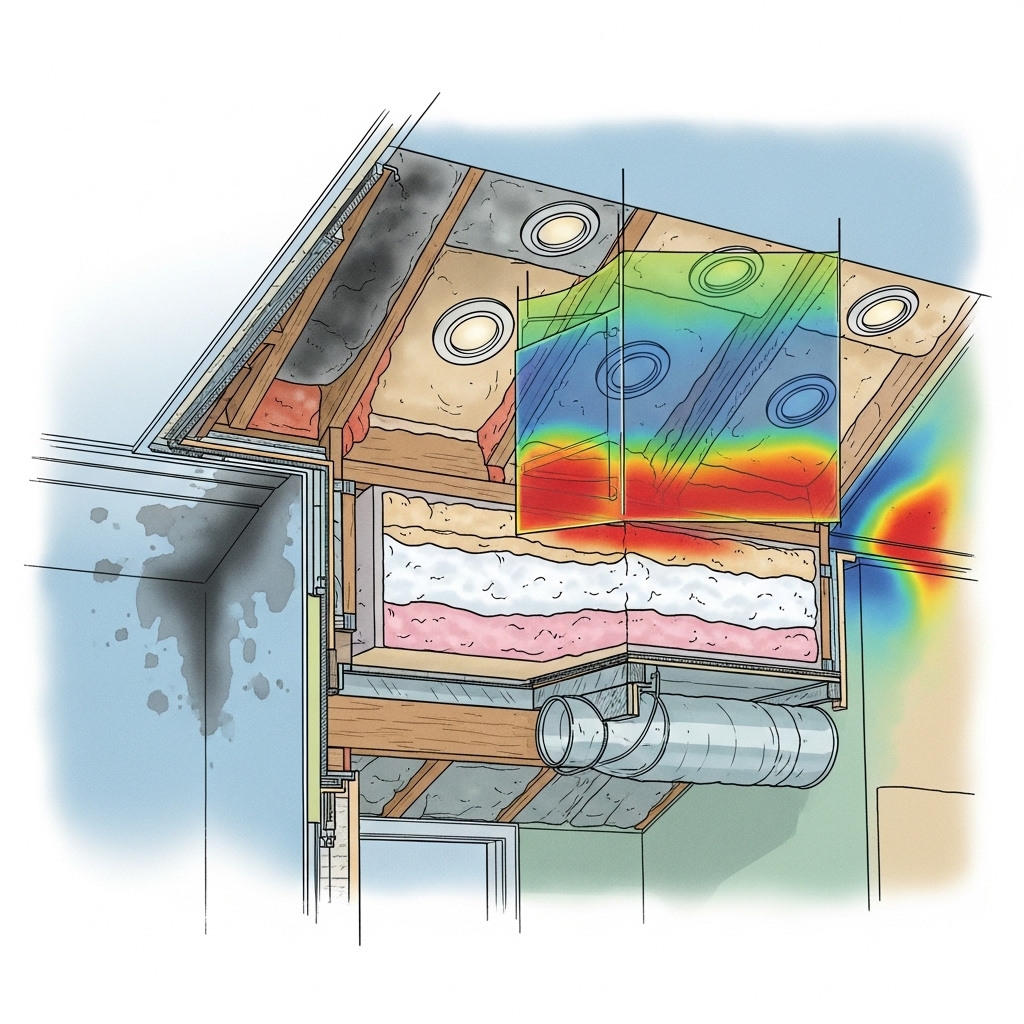
Let’s start with soot behavior. Soot doesn’t fall uniformly like dust; it travels with heat currents and drafts. In homes with high ceilings, open staircases, and clerestory windows—features we love for light and ocean views—soot collects in eddies and thermal traps. You’ll often see it in corners, along cold surfaces, and inside recessed light cans. Protein soot from a kitchen incident behaves differently from dry soot created by building materials; it can be greasy, nearly invisible, and extremely odorous. Treating them the same is a common mistake that locks in odors and staining.
Hidden Contamination in Cavities and Ducts
One of the most frequent issues is contamination in concealed spaces. Wall cavities, attics, and HVAC systems act like highways for smoke. Homes perched on hillsides often have complex framing with dropped beams and chases for utilities that draw odor deep into the structure. If those spaces aren’t inspected and, when necessary, opened, odor sources remain. Running the HVAC too soon can recirculate soot, embedding it into filters, coils, and ducts. A thorough plan isolates the system, evaluates contamination, and cleans or seals appropriately so the home doesn’t become an odor loop once everyone moves back in.
Duct cleaning alone isn’t a cure-all; it has to be part of a larger strategy. If the air handler or returns still hold residue, or if the surrounding cavities weren’t addressed, you can end up chasing smells from room to room. Local teams familiarize themselves with the layouts common in Malibu builds—mechanicals in garages near the coast, rooftop package units exposed to salt, and returns tucked behind built-ins—and tailor solutions accordingly.
Water and the Coastal Drying Curve
Water from suppression presents another set of common problems. In Malibu’s microclimate, daytime warmth suggests fast drying, but cool, damp evenings can slow evaporation inside assemblies. That stop-start pattern is perfect for microbial growth if materials remain wet. Subfloors over crawlspaces, for example, can hide moisture for weeks if not monitored properly. Hardwood over slab near the beach is notoriously sensitive; salt carried in air can draw moisture, amplifying cupping risks. Without early extraction and balanced dehumidification, what looked salvageable becomes a replacement project, and the timeline stretches.
Material choices also matter. Many Malibu homes combine plaster, stucco, engineered woods, and natural stone. Each responds differently to heat and moisture. We see issues when a one-size-fits-all cleaning approach is used—etching stone with harsh cleaners, raising grain on wood, or trapping smell behind a sealer applied before odor sources are removed. Careful diagnostics and sequenced work avoid these pitfalls.
Corrosion: Soot Meets Salt Air
Electronics and metal fixtures often fail in the months after a fire, not on day one. The reason is simple chemistry. Soot is acidic and, in the presence of Malibu’s salt air, can accelerate corrosion. Audio equipment, smart-home hubs, appliances, and even light fixtures can develop intermittent issues that are hard to trace back to the event. The solution is timely neutralization and inspection. Items with sealed housings or sensitive components may need off-site evaluation. Skipping this step saves time in the moment but leads to headaches later when a refrigerator or amplifier dies just as you’re settling back in.
We also see hidden corrosion on the exterior—stainless railings, outdoor kitchens, and fixtures that caught wind-driven smoke. If residues aren’t removed early, pitting can appear. That’s why exterior cleaning and protection should be part of the scope even when flames never touched the façade.
Odor That Won’t Quit
Persistent odor is probably the number-one complaint in do-it-yourself cleanups. The problem isn’t effort; it’s sequence. If you don’t remove the odor sources from cavities first, surface cleaning won’t hold. If you try to mask or seal too soon, you can lock smell into a wall or ceiling. Odor also moves with humidity. On a dry afternoon, everything seems fine; then a foggy morning rolls in and the smell wakes up. Comprehensive plans account for Malibu’s humidity cycles and confirm results through testing, not just nose checks on a good-weather day.
Textiles are another trap. Upholstery, rugs, and bedding absorb odor differently depending on fiber and weave. Our coastal humidity encourages deeper absorption and slows release. Professional textile cleaning or controlled off-site treatment breaks that pattern. Trying to power through with household cleaners often sets stains or distorts fibers.
Permitting, Access, and Neighborhood Realities
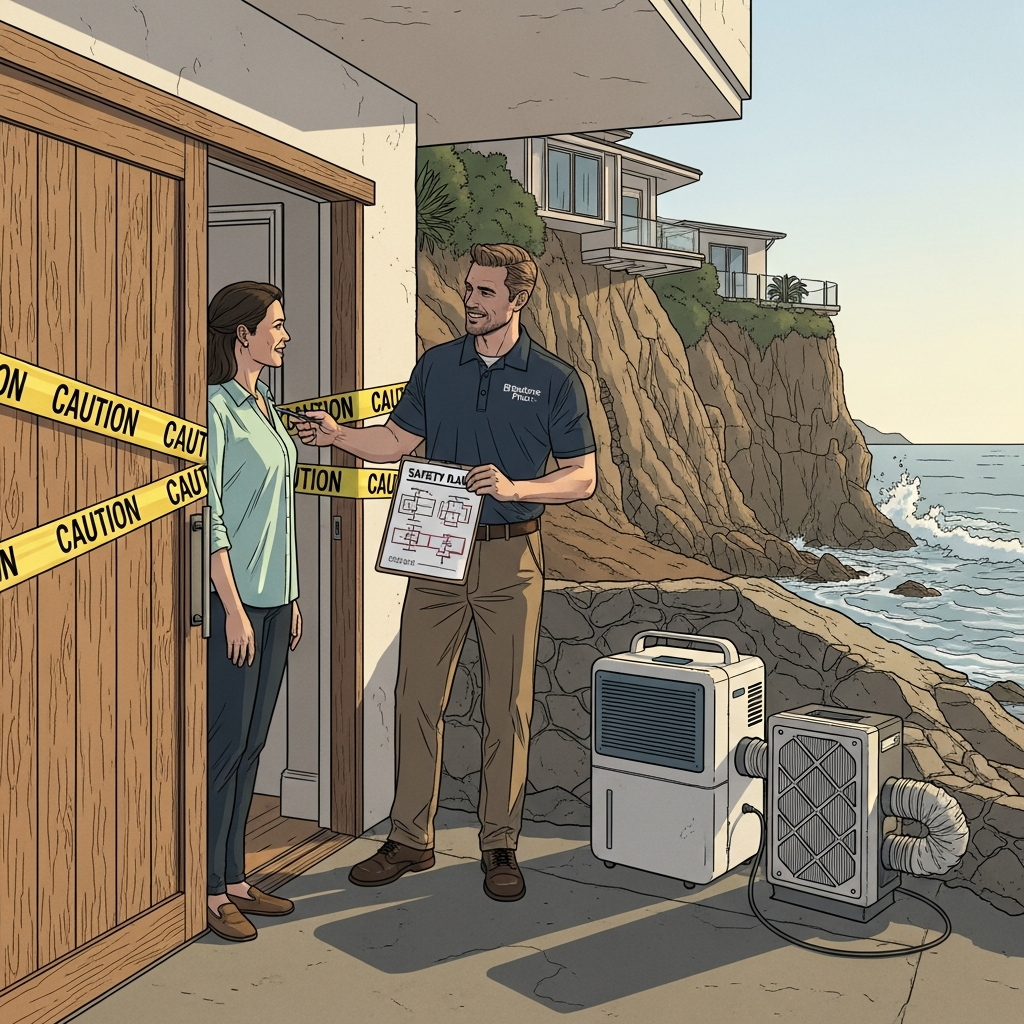
Restoration issues aren’t limited to chemistry and construction. Malibu’s terrain and rules shape the work. Narrow streets off PCH, limited parking, and hillside lots require coordination so equipment doesn’t block neighbors or emergency access. Some exterior repairs trigger permitting, and debris handling must respect local guidelines. Skipping these realities can stall a project. Teams steeped in Malibu logistics plan staging, schedule noisy operations appropriately, and maintain good neighbor relationships, all of which keep your restoration on track.
In HOA communities or gated areas, we frequently see delays when approval processes aren’t considered. Early communication with property managers and boards, along with proper documentation, prevents a lot of rework and waiting.
Mismatch Between Scope and Reality
Another common issue is a scope of work that doesn’t match the home’s actual conditions. Maybe it’s too light—ignoring hidden cavities—or too heavy—replacing materials that could be cleaned. The sweet spot is a scope built on data: moisture readings, particulate sampling, visual inspections, and sometimes destructive testing. When the plan reflects reality, budgets and timelines hold, and the house returns to comfort more smoothly.
Content handling is part of that reality. Without a methodical pack-out and inventory, cherished items can be misplaced or re-contaminate clean rooms when they come back. Malibu homes often contain custom furniture and art; careful handling and documentation keep those pieces safe and accounted for.
Exterior Living Spaces Often Overlooked
We love our decks, patios, and outdoor kitchens, but they’re often treated as an afterthought in restoration scopes. Soot embeds in the texture of stucco and stone, and ocean breeze can re-deposit residues after cleaning if nearby areas are ignored. Addressing exterior surfaces, shade structures, and even landscape hardscapes ensures the whole property feels restored. It also keeps soot from washing back toward the house during the first post-restoration rain.
For hillside homes, erosion control deserves a place in the plan. Fire can reduce ground cover, and suppression water may alter drainage paths. Without stabilization, the first storm can move ash and fines where you don’t want them—onto paths, into drains, or against foundations. Local teams anticipate these moves and act before they happen.
The Malibu Fix: Local Knowledge in Action
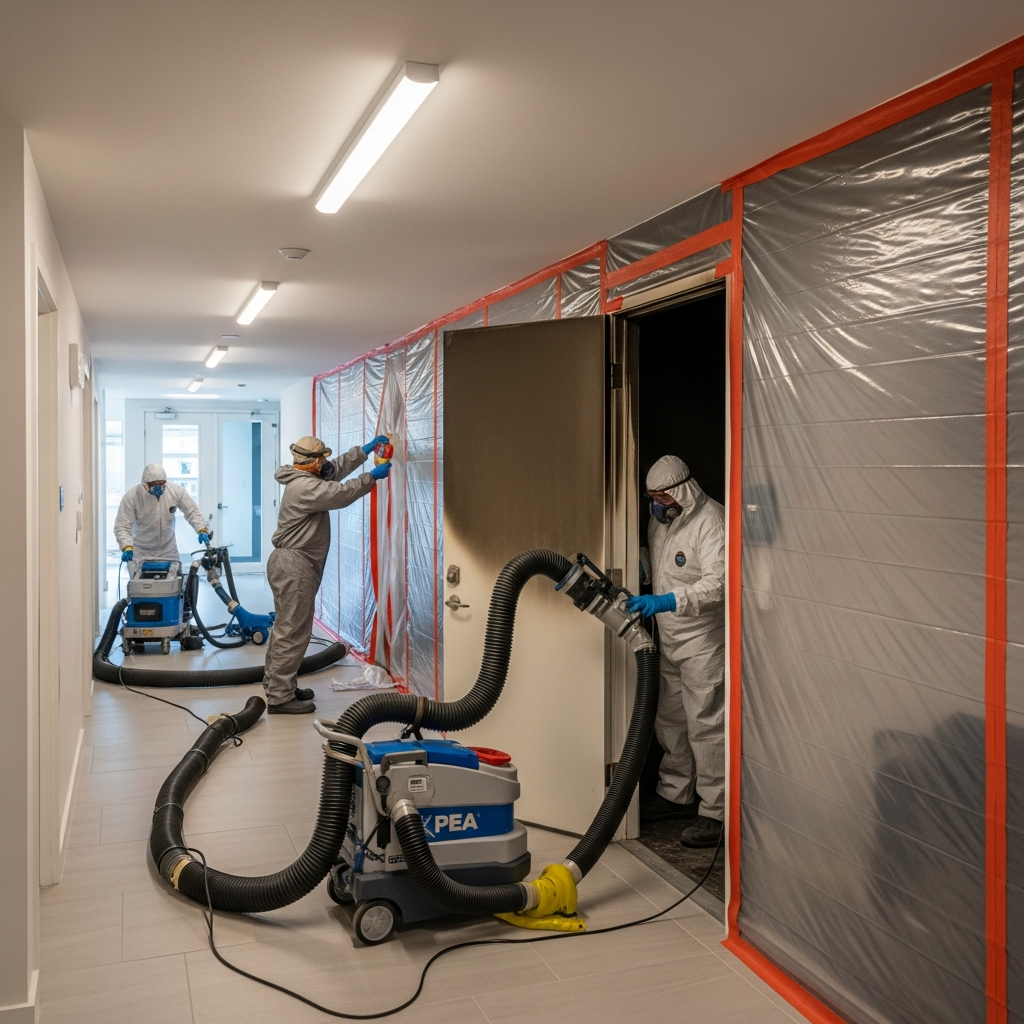
What solves these common issues is local expertise applied with patience and sequence. Malibu-specific restoration starts with accurate diagnostics, builds a plan that respects our climate and terrain, and moves steadily from the exterior inward and from cavities outward. It maintains containment so progress isn’t undone by a stray breeze off the canyon. It times drying to our daily temperature swings and confirms results with testing, not assumptions.
It also treats communication as part of the work. A family that understands what’s happening and why is more comfortable and better able to make timely decisions—whether that’s authorizing an opening in a ceiling where odor persists or choosing replacement finishes that stand up beautifully to beachside living.
Real Examples, Real Lessons
In a Point Dume home, smoke settled into an open-beam ceiling. The beams looked unscathed, but odor persisted. The fix involved careful cleaning, odor-neutralizing treatment, and selective sanding, followed by a compatible finish. Rushing to seal would have trapped smell; taking the time to remove the source solved the problem. In a Malibu Road condo, an HVAC return pulled smoke into a utility chase that ran the length of the unit. Without opening that chase, duct cleaning would have been a bandage. Instead, targeted access allowed permanent results.
Another case near Escondido Canyon involved exterior stainless features on a deck that pitted weeks after a small fire. A delayed wash-down left residues in place long enough for salt and soot to team up. Early exterior cleaning would have prevented the replacement that followed. These are the kinds of lessons that shape better outcomes next time.
How Do I Know If Odor Is Coming From Inside the Walls?
Signs include smells that intensify with humidity or temperature changes, odor stronger in specific corners or around fixtures, and limited improvement after surface cleaning. Professionals confirm with inspections, test cleans, and, if needed, small access openings to verify and remove sources.
Can I Run My HVAC After a Fire?
Not until it’s inspected and appropriately cleaned. Running it too soon can spread contaminants and embed odors. Local teams isolate the system, evaluate the return path and coils, and clean ducts and components as part of a larger plan.
Why Did My Appliances Start Failing Months Later?
Soot combined with salt air can accelerate corrosion on sensitive components. Without early cleaning or replacement, electronics may exhibit intermittent problems that trace back to post-fire exposure.
Is Sealing Walls a Good Shortcut for Odor?
Sealing can be the final step but is not a shortcut. If odor sources aren’t removed first, sealing can trap smell. Done correctly, it follows thorough cleaning and verification that cavities are clear.
Do Outdoor Areas Need Professional Cleaning Too?
Yes. Stucco, stone, railings, and decks hold soot, and wind can re-deposit residues. Addressing exterior surfaces keeps the whole property fresh and prevents recontamination of indoor spaces.
What’s the Best Way to Avoid These Issues?
Choose a restoration plan rooted in diagnostics and sequenced work, delivered by a team familiar with Malibu’s construction styles, climate, and logistics. Timely action, clear containment, and respect for both interiors and exteriors are the keys to lasting results.
If you’re confronting any of these challenges or want a proactive plan that fits your property, connect with local professionals who know the terrain, climate, and expectations here. Start by exploring resources for fire damage restoration in Malibu so your home can move from uncertainty to confidence, from odors and corrosion to fresh air and comfort.