What Malibu Homes Face After Fire
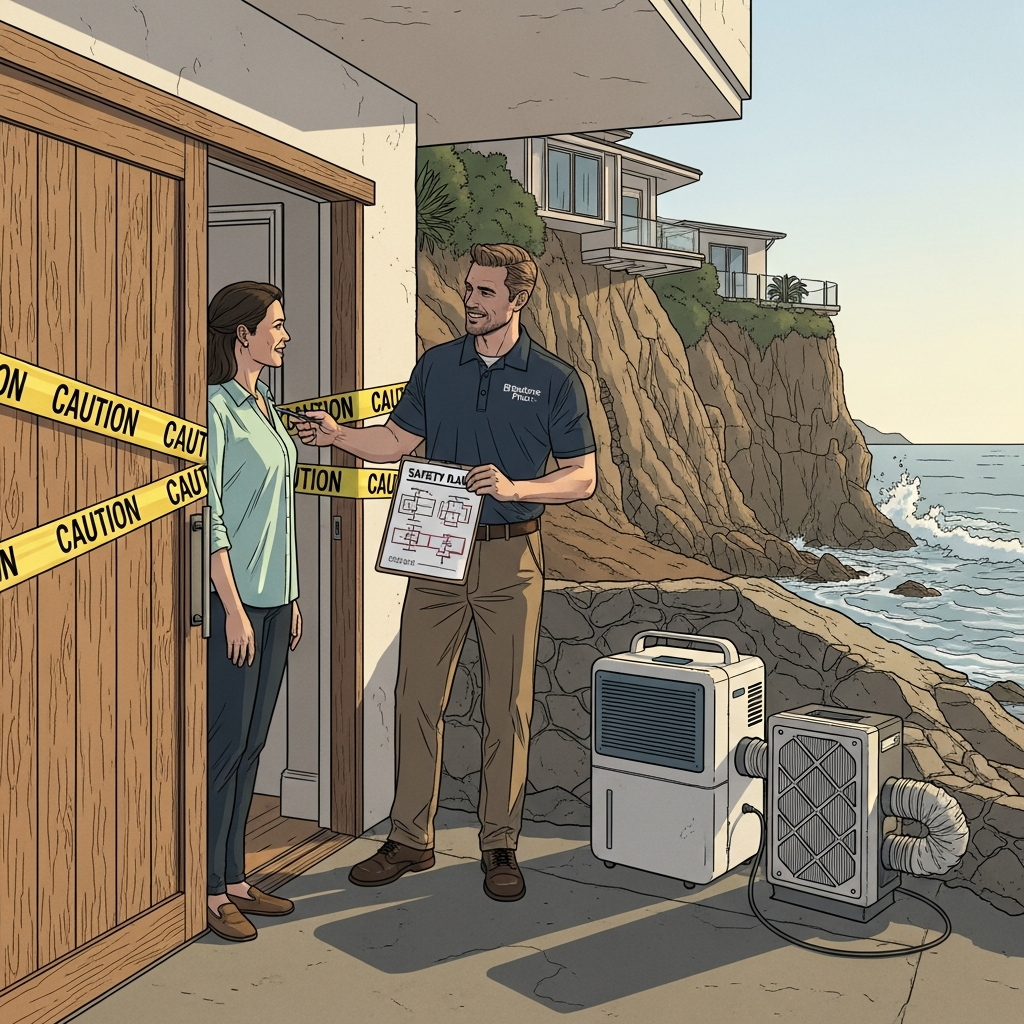
When flames die down and the sirens fade along PCH, the work of making a home whole again begins. In Malibu, that work comes with a distinctive set of challenges shaped by our terrain, our weather, and the materials that give local homes their character. From Topanga-adjacent canyons to beachside streets where salt spray rides the breeze, common restoration issues repeat often enough that a seasoned eye can spot them quickly. Knowing these patterns helps you act early and avoid missteps. It also underscores why bringing in professionals for fire damage restoration in Malibu is more than a convenience—it’s a safeguard against problems that love to hide in plain sight.
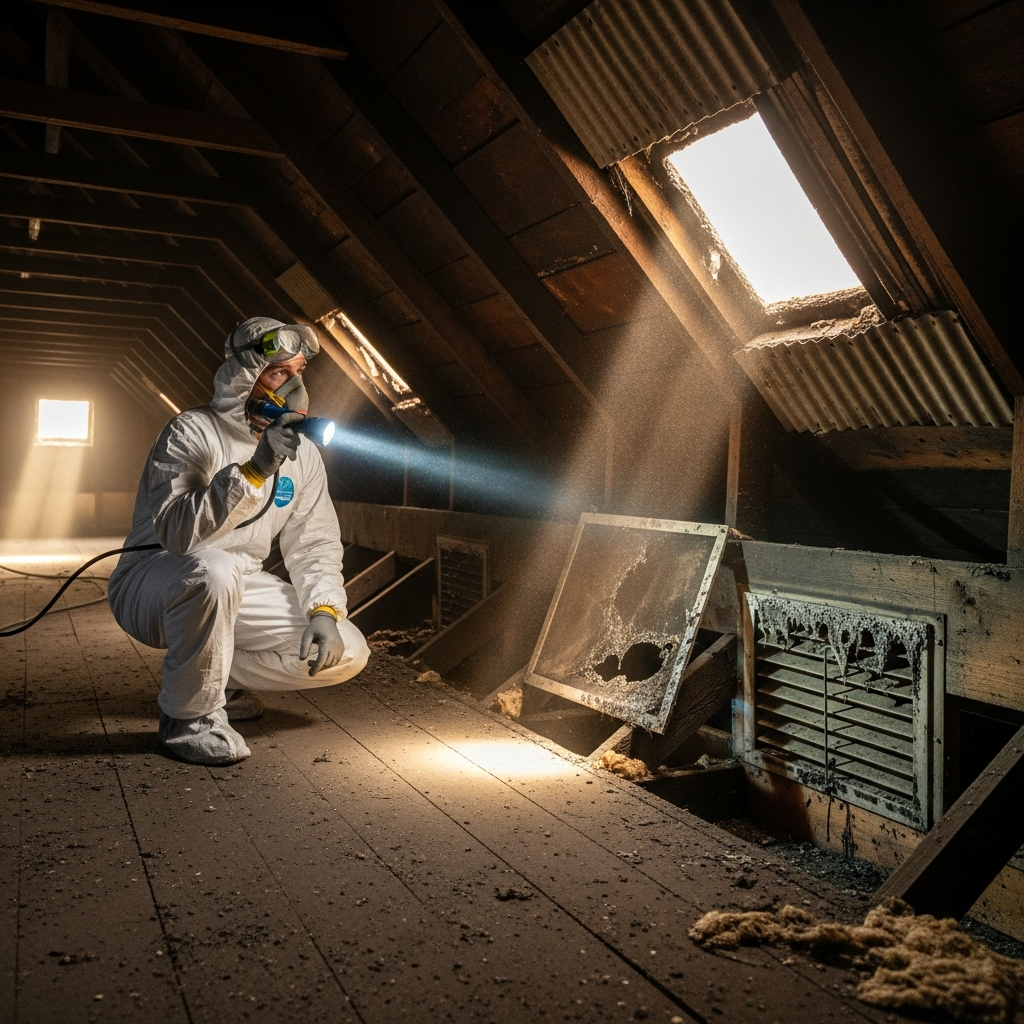
Over the years, I’ve walked homes where smoke left only a faint fingerprint on paint and others where soot accumulated like a fog on every surface. I’ve crawled through attics that looked untouched from below but were thick with ash and embers near soffit vents. These patterns show up again and again, and they carry real consequences if missed during the first days of recovery.
Lingering Smoke Odor That Won’t Quit
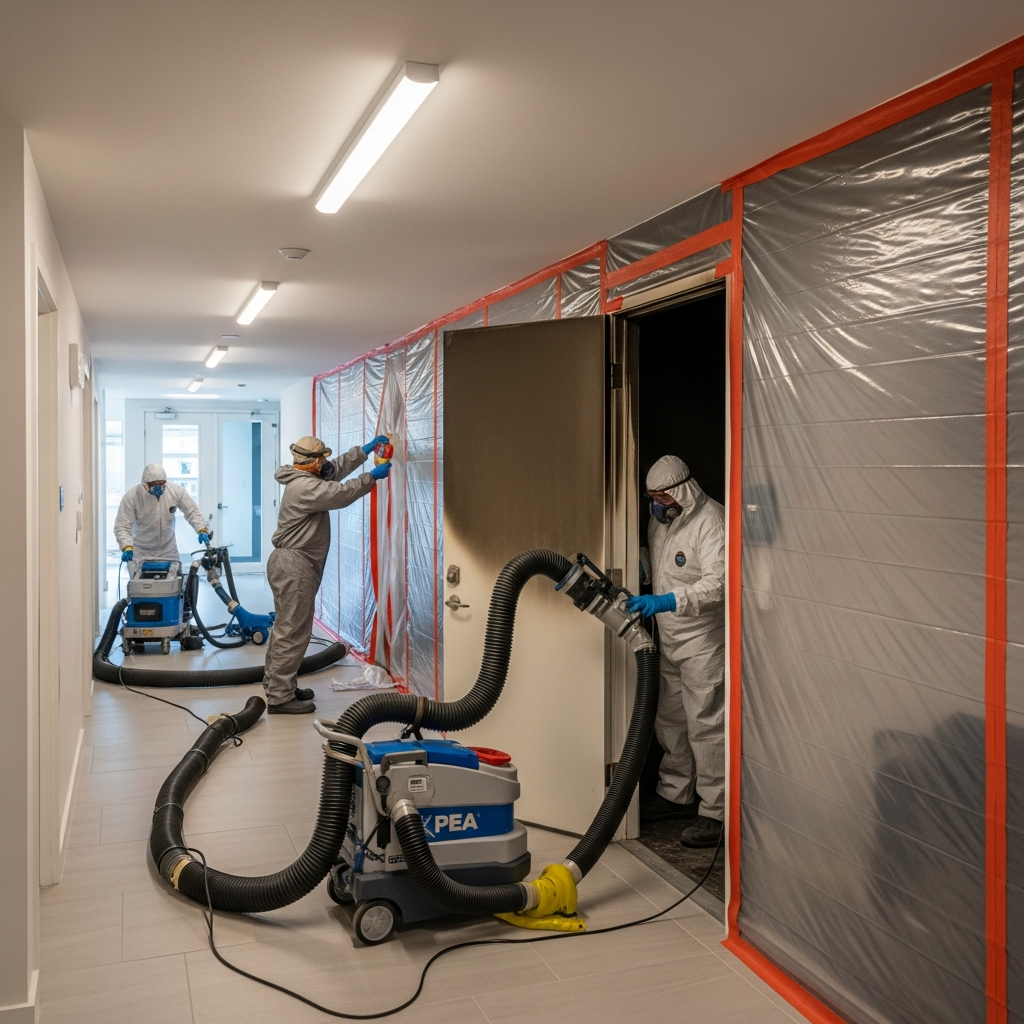
One of the most frustrating issues is an odor that fades during cleaning only to return when the heater kicks on in November or when marine fog moves in. The usual culprits are overlooked cavities, porous finishes, and protein smoke from kitchens. Spraying fragrance or using household cleaners won’t solve it. Proper containment, targeted cleaning, and true deodorization—often with hydroxyl—are the fix. Without that, you get the “ghost odor” that reappears with temperature swings, reminding you of a day you’d rather forget.
Soot in the HVAC and the Surprise Re-Contamination
Even small smoke events can send particulates into return chases and air handlers. Turn the system on too soon, and you redistribute contamination into rooms you just cleaned. In Malibu, where people rely on natural ventilation, it’s easy to forget about ducts until the first cooler evenings. The common issue here is premature system use. The solution is evaluation, filter changes, coil and housing cleaning, and, when warranted, duct cleaning. Skipping these steps leads to odor come-backs and re-dirtying, especially along registers and adjacent ceilings.
Water Damage Hiding in Cool Corners
Suppression water and hose runoff tend to drift and settle in unexpected places. In coastal microclimates, cool corners and shaded walls slow evaporation, creating pockets of moisture behind baseboards and below thresholds. Left unchecked, these pockets drive cupping in hardwoods, swell door jambs, and invite mold. The issue isn’t just water; it’s undetected water. Moisture mapping and timely drying prevent months of secondary repairs that were never inevitable—only overlooked.
Corrosion Accelerated by Salt Air
Malibu’s beauty—the salt breeze that softens the evening—becomes a liability after fire. Soot is acidic, and when combined with chlorides in the air, it accelerates corrosion on hardware, fixtures, electronics, and even stainless steel. This is a common post-fire issue that rarely announces itself until pitting appears or finishes discolor. Addressing it early with metal-safe cleaning, pH balancing, and corrosion inhibitors keeps fixtures from aging a decade in a week.
Ember Intrusion Through Vents and Eaves
Wind-driven embers can slip through old vent screens, open eaves, and gaps along roof lines. From inside the home, rooms may look almost normal, yet the attic insulation near soffits can be peppered with black specks and the backsides of fascia can be scorched. Missed ember intrusion seeds odor and contamination that lingers for months. Inspection of attics, crawl spaces, and concealed chases is essential, followed by targeted removal and replacement where needed.
Permitting and Debris Handling Hurdles
After a significant event, local permitting can get crowded and rules about debris handling are strict for good reason. A common issue is starting work that requires approvals without the right paperwork in place, leading to stoppages. Another is mixing burned debris with general waste, which creates disposal complications. Restoration pros who work in Malibu navigate these pitfalls daily, staging the right containers, documenting wastes, and coordinating inspections so progress doesn’t stall over avoidable mistakes.
Contractor Bottlenecks and Project Drift
When multiple homes are affected, trades get busy fast. Projects that lack clear scopes and schedules can languish in the middle—demolition complete, cleaning underway, but repairs waiting for alignments that never quite arrive. The issue isn’t just availability; it’s coordination. Detailed documentation, steady communication with adjusters, and milestone planning keep momentum, preventing the lingering limbo that saps morale and extends displacement.
Underestimating Contents Complexity
It’s natural to focus on walls and floors, but contents—from textiles and art to electronics—demand equal attention. A common misstep is bagging items without inventory, which leads to confusion and missed restoration opportunities. Another is assuming porous items are unsalvageable when specialized methods could save them. A systematic pack-out, photo inventory, and triage create clarity. Without it, homeowners face weeks of unpacking surprises and losses that could have been prevented.
DIY Cleaning That Sets Stains
Well-meaning efforts with the wrong cleaner or technique can set soot into paint and finishes, leaving dull shadows that require repainting or refinishing. On glossy cabinetry and stone, this is especially common. Dry cleaning with specific sponges, followed by carefully matched detergents, is the path. Skipping straight to wet cleaning often spreads contamination and makes later professional work harder and more expensive in scope—even if you can’t see it at first.
Asbestos, Lead, and Hidden Hazards
Many Malibu homes, especially older or remodeled properties, contain legacy materials that require careful handling once disturbed. The common issue isn’t simply their presence; it’s starting demolition before testing. That mistake can shut a project down midstream. Proper sampling and abatement coordination avoid costly pauses and protect the health of everyone on site, from crews to families returning to check on belongings.
Roofing and Window Vulnerabilities
Roofs and windows often tell the story of how a fire or ember storm interacted with a home. Common post-fire problems include damaged weatherstripping, cracked seals, and soot lodged in weep holes. These small details become big annoyances when coastal winds drive odors indoors weeks later. Inspection and targeted replacement or sealing changes the trajectory from nagging issues to lasting resolution.
Insurance Communication Gaps
Another frequent roadblock is communication breakdown. When documentation lags or language doesn’t match what adjusters expect, approvals slow and morale dips. Recognizing this as a restoration issue—not just an administrative one—helps. Using standardized estimates, clear photo sets, and moisture logs keeps all parties aligned and projects moving forward. In busy post-event periods, clarity is a force multiplier.
Middle-of-the-Project Odor Comeback
It’s common to feel like you’ve turned a corner—demolition complete, air scrubbers humming—only to catch a whiff of smoke days later. Usually, the cause is a pocket of residue opened by removal or a section of ducting that released settled soot. The fix is to view deodorization as a process, not a single event: re-test, adjust equipment placement, and refine cleaning methods. Patience and precision make the difference.
When Issues Pile Up: Keeping Perspective
Facing several of these challenges at once can be disheartening, but the pattern works in your favor too. Because these are common, the solutions are common—tested, repeatable, and effective when executed by experienced teams. That’s why starting with Malibu fire damage restoration professionals helps compress the chaos into a manageable, step-by-step recovery.
Frequently Asked Questions
Why does smoke odor return after I thought the house was clean?
Residual odor often lives in porous materials, concealed cavities, and HVAC components. When temperatures change or systems cycle on, those reservoirs release odor. Comprehensive containment, targeted cleaning, and sustained deodorization close the loop so odor can’t stage a comeback.
Can I run my HVAC to help air out the house?
Not until it’s been evaluated. Running the system too soon can spread soot throughout the home. Professionals will replace filters, clean housings and coils, and recommend duct cleaning when needed, ensuring your system helps recovery rather than hindering it.
How do I know if water from firefighting caused hidden damage?
Moisture meters and thermal cameras reveal what the eye can’t. If doors stick, floors cup, or baseboards swell, you’re likely seeing secondary effects. Early extraction and controlled drying prevent these issues, but if they’ve appeared, targeted repairs can still resolve them.
What should be inspected in the attic after a fire?
Look for soot near soffits, ember-damaged insulation, char on hidden framing members, and contamination along ducting. A thorough inspection, followed by removal and replacement of affected materials, prevents odors and pollutants from migrating back into living spaces.
Are household cleaners safe for soot removal?
Some are, but many are not suited for soot’s chemistry and can set stains or spread residues. Restoration-specific sponges and detergents, chosen after residue testing, deliver better results with less risk to finishes.
What’s the best way to avoid project delays?
Clear scopes, timely documentation, and steady communication with adjusters and inspectors keep momentum. Coordinating trade schedules early and building in weather contingencies—common in Malibu—also prevents mid-project stalls.
How does salt air change post-fire priorities?
It elevates corrosion control. Metals, electronics, and even stainless pieces require prompt, pH-aware cleaning and protective measures. Addressing this early preserves finishes and function that would otherwise degrade quickly.
Move Forward With Confidence
Every Malibu fire story is different, but the restoration challenges repeat. Tackle them with local expertise and a methodical plan, and you’ll turn hard problems into solvable steps. If you’re ready to resolve issues before they grow, partner with trusted pros for fire damage restoration in Malibu and reclaim the comfort and calm your home deserves.