Choosing a fire damage restoration partner is one of those decisions you hope you never have to make—and one you want to get right the first time. In Calabasas and the communities that flow toward Malibu, the difference between a quick cleanup and a true restoration is felt long after the last filter is swapped. It’s in the air you breathe, the way your closets smell, and how confidently you can close the book on the experience. If you’re weighing options now, begin with a clear picture of what best practice looks like and where local experience counts. A solid starting point is a reliable overview of fire damage restoration so you can compare services with purpose rather than guesswork.
What to look for in a restoration team
Credentials and equipment matter, but they’re not the whole story. Look for a team that can explain the “why” behind each step, from initial safety checks to the chemistry of smoke cleaning. Ask how they handle HVAC isolation, how they document moisture, and how they layer deodorization. Most of all, pay attention to how they listen. A home is more than its materials; it’s your routines, your keepsakes, and your sense of ease. A team that respects that will build a plan around what matters most to you.
Local knowledge is a quiet superpower
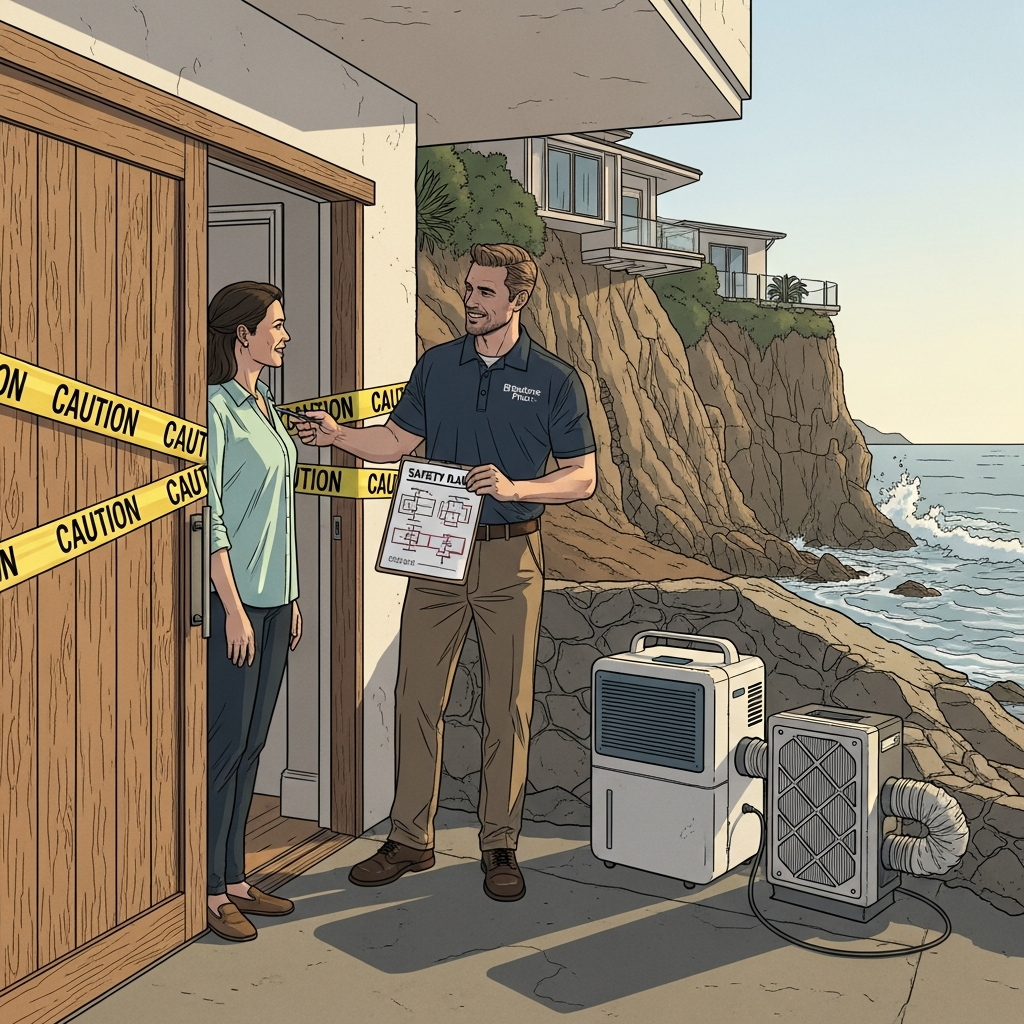
Our hills, canyons, and coastal edge shape the work. Someone who knows the difference between a ridge-top breeze and a marine layer fog understands how smoke settles and how to ventilate effectively. They’ll anticipate access challenges on winding roads, plan staging that won’t block neighbors, and coordinate with local inspectors who know the building styles common here. Local knowledge doesn’t replace technical expertise—it amplifies it.
A clear sequence from chaos to calm
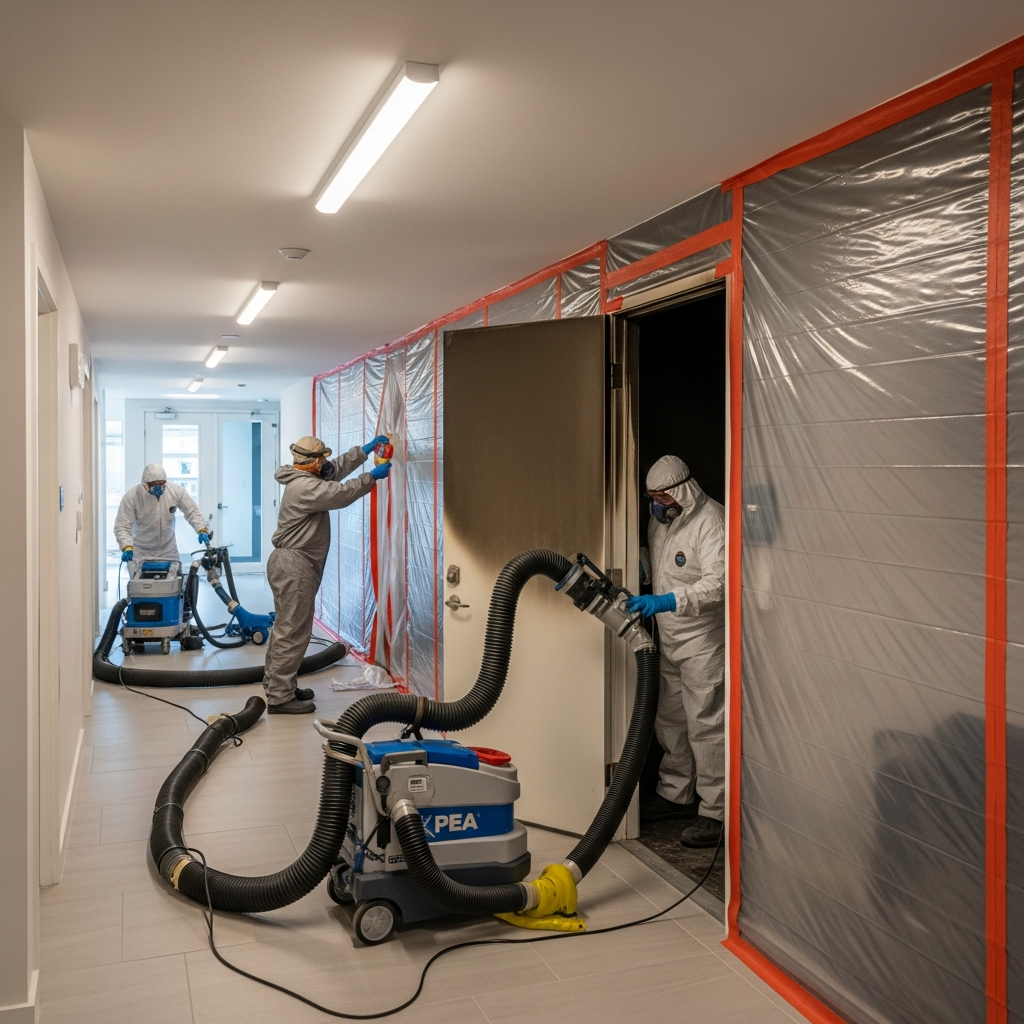
The best restorations follow a rhythm. Safety and stabilization come first: securing openings, assessing structure and utilities, and setting HEPA filtration. Next, moisture control prevents secondary damage. Then, source removal and systematic cleaning address residues, followed by targeted deodorization that reaches hidden cavities. Reconstruction and finishing touches close the loop. When a company can walk you through this sequence in plain language and show how they’ll tailor it to your home, you’re on solid ground.
Communication you can count on
From day one, you should know what’s happening, what’s next, and what decisions are coming. Transparent documentation—photos, moisture logs, itemized scopes—keeps everyone aligned, including your insurer. If a surprise pops up, you want options explained clearly with pros, cons, and timelines so you remain in control.
Contents care and what truly matters
Beyond the structure, your belongings deserve careful attention. Ask how soft goods will be cleaned, how electronics will be evaluated, and how chain-of-custody is documented for items that leave the home. A thoughtful contents plan preserves value and peace of mind.
Odor elimination that lasts
Masking odors is easy; removing them is the craft. Look for layered strategies: remove source materials, clean surfaces with the right chemistry, and then treat air and cavities with methods like hydroxyl generation or thermal fogging when appropriate. The final test is simple and human—open every cabinet and closet and breathe. If it’s neutral everywhere, the work was done right.
Planning for resilience
While your goal is to return to pre-loss condition, consider small upgrades that improve your home’s posture in future seasons. Ember-resistant vents, sealed attic transitions, and well-chosen finishes can make a meaningful difference without changing the character of your space. A good team will discuss these options without pressure, explaining where they help and how they fit your budget and timeline.
Mid-process checkpoints
Expect a mid-course review. Are moisture readings where they should be? Is odor diminishing as planned? Do any areas require selective demolition rather than surface cleaning? A company that invites these discussions is confident in its process and committed to your standards. If you’d like to compare their approach to established guidance, it’s smart to revisit the essentials of fire damage restoration so you can ask sharper questions and get clearer answers.
Insurance alignment without losing your voice
A strong advocate explains technical needs in a way adjusters appreciate. Itemized scopes tied to clear photos and moisture logs avoid delays. When everyone understands the “why,” approvals come faster and the work proceeds without unnecessary stops and starts.
Signs you’ve chosen well
You’ll feel it in the process: respectful crews, tidy staging, and predictable updates. You’ll see it in the details: clean cabinet interiors, fresh HVAC registers, and finishes that match. And you’ll sense it in the air, which is the truest measure of success. A good choice leaves you not just relieved, but confident.
Frequently asked questions
How do I compare estimates effectively?
Look beyond totals. Compare scopes line by line: safety measures, moisture control, cleaning methods by material, and deodorization strategies. Ask each provider to explain their approach to your specific home layout.
Can I live at home during restoration?
Sometimes, with containment and phased work. Safety, air quality, and daily routines guide that decision. A transparent plan will spell out what living on site would look like.
What matters most for long-term odor control?
Source removal and correct material cleaning. Deodorization is the closer, not the only act. If residues remain, odor returns. If residues are removed, odor fades and stays gone.
How important is HVAC handling?
Critical. Isolating, inspecting, cleaning, and re-filtering the system prevents recirculation of particulates and ensures your home’s air truly resets to neutral.
What should I ask about contents?
Ask how items are inventoried, where they’re cleaned, and how sensitive materials—art, instruments, documents—are protected. Clear chain-of-custody builds trust.
When you’re ready to choose
Take a breath and take your time. The right partner will earn your confidence with clear explanations and steady progress. If you want a simple benchmark while you compare options, review a trusted overview of fire damage restoration and then reach out to start a plan that fits your home, your timeline, and your peace of mind.