Selecting a fire damage restoration company in Malibu is more than a checklist exercise. It is a conversation about trust, local know-how, and the craft of returning life to normal. Our community’s mix of canyon homes, beachfront properties, and hillside estates means that a one-size-fits-all approach will not do. The right partner sees both the big picture and the small details, from how afternoon winds can carry fine soot into closed cabinets to the way marine air can shift odors overnight. If you are at the starting line and want immediate clarity, it helps to speak with a provider seasoned in Malibu fire damage restoration so you can compare capabilities and communicate your priorities from day one.
Reputation travels quickly here, and for good reason. When a restoration team works in Malibu week after week, they build familiarity with the city’s permitting expectations, neighborhood access limitations, and the craftsmanship needed for specialty finishes. Just as important, they develop a rhythm for coordination with adjusters, contractors, and inspectors. This rhythm helps keep projects moving without sacrificing care, and it eases the burden on homeowners who are already juggling logistics and emotions.
Credentials, Training, and Practical Experience
It is reasonable to ask about certifications and training. Look for technicians who stay current with industry standards for smoke and odor removal, structural cleaning, and safety practices. But more than acronyms, ask about the kinds of homes they have worked in locally. Experience with custom woodwork, high-end plaster, and natural stone is often a better predictor of quality than any single credential. You want a team that understands the difference between dry soot from a fast-moving wildfire and oily residues from a contained interior blaze, and who can demonstrate safe cleaning techniques for each.
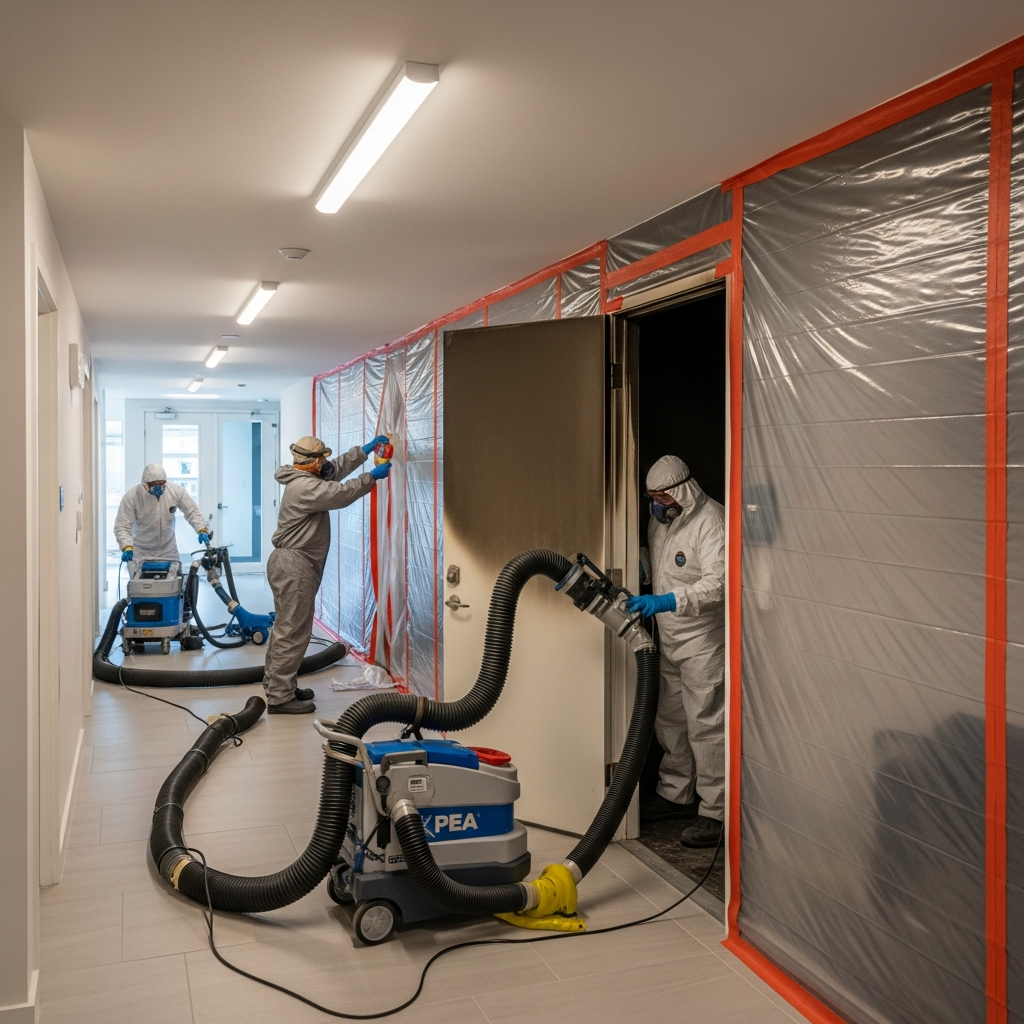
Practical experience also shows up in how a company sequences work. In Malibu properties with expansive windows and vaulted ceilings, reaching the high points safely and efficiently requires planning. Teams that arrive with the right lifts, containment materials, and filtration equipment—and the knowledge to use them—tend to solve problems before they become roadblocks. Ask how they handle HVAC systems, electronics, and delicate items like artwork or musical instruments. Their answers will reveal whether they think comprehensively or treat each room as a separate task.
Communication Style and Transparency
After a fire, you need clear timelines and steady updates. Restoration moves fastest when you and the team share the same roadmap. Look for companies that document every step, from initial photos and notes to daily progress summaries and upcoming milestones. Malibu homeowners often balance busy calendars, so a provider that adapts communication to your routine—via text, email, or scheduled calls—reduces friction and keeps decisions on track.
Transparency builds trust. That means honest conversations about what can be restored and what needs replacement, and why. It also means flagging discoveries mid-project, such as hidden pockets of soot or materials that respond differently than expected to test cleaning. When a team invites your input and explains options, you get results that feel tailored rather than templated.
Local Logistics and Access
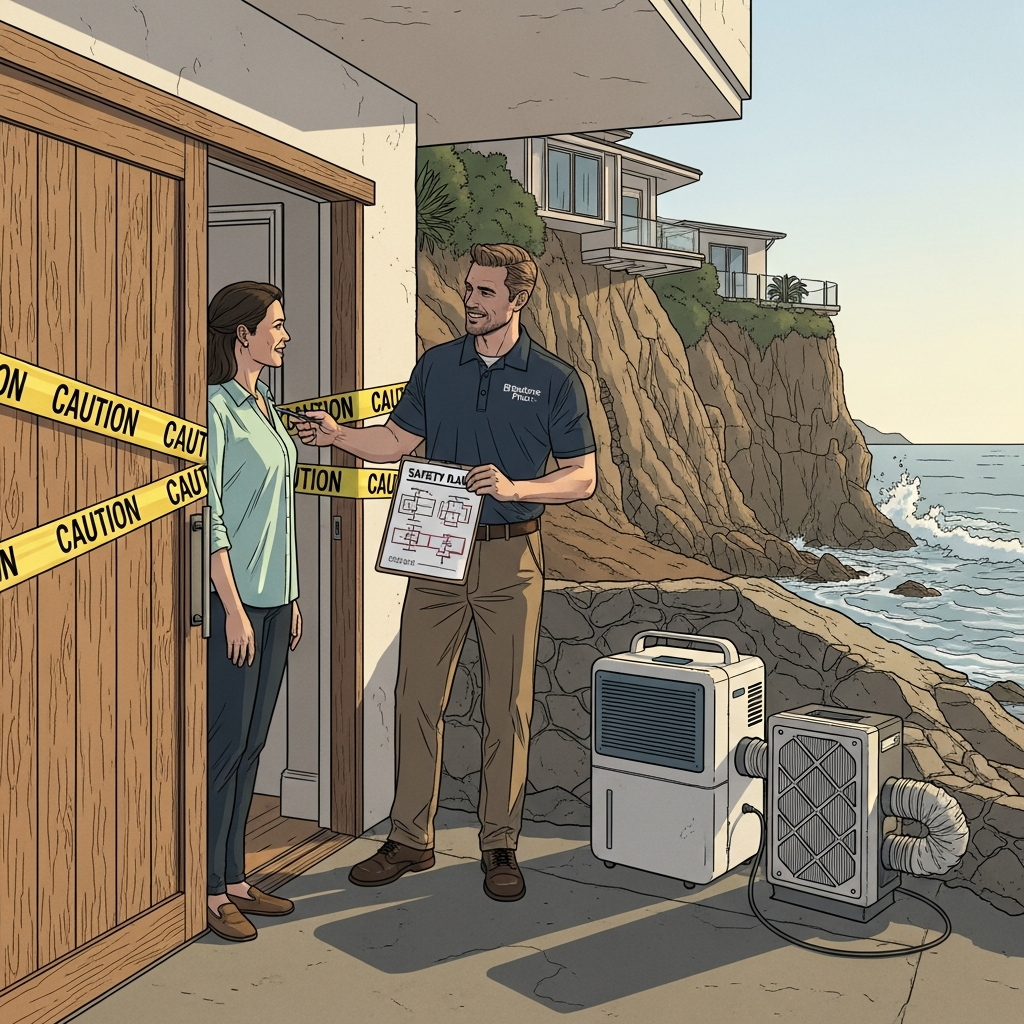
Choosing locally experienced companies pays dividends in logistics. Malibu’s geography introduces practical challenges: narrow lanes, hillside driveways, and coastal weather that can complicate staging and access. Providers who operate here regularly know how to plan crew parking, equipment delivery, and secure storage for contents. They are also familiar with neighborhood sensitivities like noise windows and HOA guidelines. This preparation keeps workdays productive and avoids delays that can arise from simple but time-consuming obstacles.
Another local advantage is coordination with other trades. Successful restoration often overlaps with roofers, electricians, or general contractors. Teams with strong local networks can bring the right partners in at the right moment, from duct cleaning specialists to conservators for art and textiles. That collaboration helps maintain a clean sequence of work and prevents recontamination as new players enter the space.
Site Walkthroughs and Testing
Invite a detailed walkthrough before you commit. A thoughtful company will test residues, ask about your sensitivities to fragrances or cleaning agents, and point out both obvious and subtle areas of concern. They should discuss containment strategies, filtration, and how clean zones will be established early to protect unaffected areas. Many Malibu properties feature complex airflow patterns, so a provider who speaks clearly about pressure differentials, return air isolation, and odor migration is more likely to deliver lasting results.
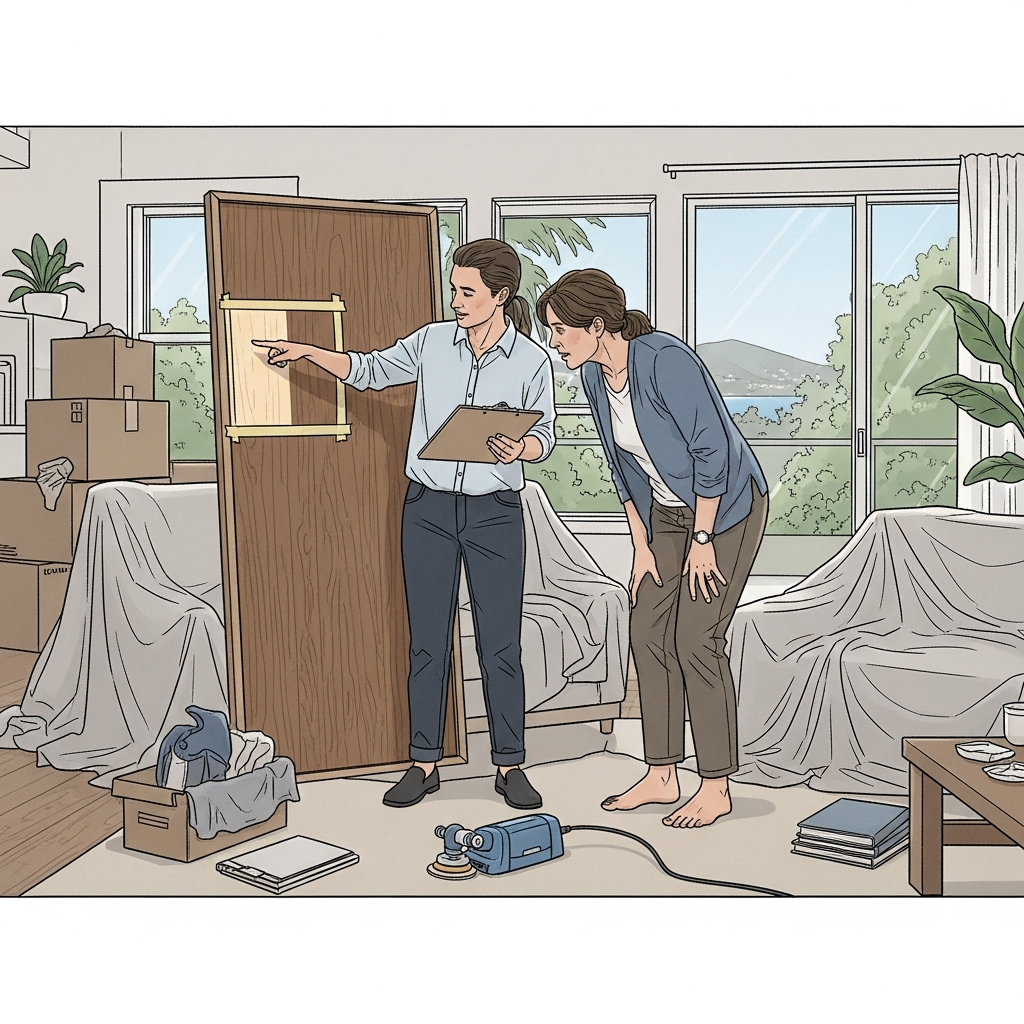
Testing also matters for finishes. Whether you have limewash plaster, hand-rubbed oil on wood, or honed limestone, request small sample cleans in inconspicuous areas. The best teams welcome this step and use it to demonstrate the difference between surface removal and deeper decontamination, giving you confidence in both the method and the outcome.
Contents Care and Pack-Out
Belongings are personal, and how a company treats them tells you a lot about their culture. Ask how inventory is handled, where items will be cleaned and stored, and how delicate pieces are protected. Look for photo inventories, barcoding or detailed lists, and climate-controlled spaces for storage if items are moved off-site. Malibu homes often include artwork, instruments, and specialty textiles; a provider who collaborates with trusted partners for these items demonstrates both humility and expertise.
Pack-back should be as organized as pack-out. The final return of items is when the space begins to feel like home again, so request a plan for placement, labeling, and walkthrough sign-offs. This is also the moment to catch any lingering odors or small surface details that need touch-ups before completion.
Mid-Project Decisions and Flexibility
Even the best plan evolves. A high-quality restoration company invites mid-course corrections when new information appears. Perhaps an initial cleaning uncovers deeper soot in a cavity wall, or seasonal humidity reveals that a second round of deodorization will be more effective after sealing. Companies that explain the why behind changes—and document the outcomes—keep momentum without compromising thoroughness. If you engage a team skilled in professional fire damage restoration across Malibu’s varied microclimates, you will likely notice this flexibility as a defining strength.
Scheduling flexibility also matters for families who want to remain in the home. Phasing work to preserve clean zones, planning noisy tasks during windows when you are out, and coordinating inspections efficiently all contribute to a smoother experience. The right company treats your schedule as part of the project plan, not an obstacle to be worked around at the last minute.
Aftercare and Long-Term Confidence
Restoration does not end when crews roll up containment plastic. Follow-up visits and seasonal odor checks show a commitment to results that last. Malibu’s climate can reveal surprises as temperatures rise and fall, so a provider who schedules post-project check-ins gives you confidence that your home will remain comfortable. They should be prepared to adjust filtration, revisit a stubborn closet, or provide tips on ongoing maintenance as you settle back in.
Finally, chemistry matters—but not just in the cleaning sense. Choose a company you are comfortable inviting into your daily life for a period of time. You will have many small interactions, and those shape your memory of the experience as much as the final polish on a floor or the fresh scent in a once-smoky room.
Frequently Asked Questions
What should I ask during the first phone call?
Ask about recent local projects similar to yours, how they handle documentation and communication, and what the first 24 to 48 hours usually look like. Clarify whether they can create clean zones quickly if you plan to stay in part of the home.
How do I evaluate multiple estimates?
Compare the detail in their scopes rather than focusing on headline promises. Look for room-by-room notes, material-specific methods, and a clear sequence for containment, cleaning, deodorization, and verification. Depth of explanation is a reliable proxy for quality.
Can I keep my pets at home during restoration?
It depends on the project phase and your pets’ sensitivities. Many teams can schedule around quiet hours or establish pet-safe zones. Discuss this early so containment and filtration plans account for your animals’ comfort and safety.
What happens if new damage is discovered mid-project?
Responsible companies document discoveries, explain options, and propose changes to the sequence so work remains efficient. Transparent change management keeps the project aligned with your priorities and prevents surprises at the end.
How will you protect my finishes and fixtures?
Expect careful masking, test cleans, and product choices tailored to your materials. Good providers demonstrate methods on small areas first and invite your review before scaling up, especially with specialty woods, stone, or plaster.
Do you offer follow-up checks after completion?
Yes, many reputable companies schedule follow-ups to confirm that odor has not resurfaced and to address any punch list items. This aftercare signals a commitment to long-term results, not just a quick exit.
If you are looking for a steady, capable hand to guide your recovery, the most important step is starting the conversation. Share your goals, ask for a clear plan, and insist on communication that meets your needs. Reach out today to align with a trusted team for Malibu fire damage restoration services and move confidently toward a home that feels like itself again.